
Storms can cause significant damage to homes, leaving homeowners feeling lost and overwhelmed. This essential guide to storm damage home repair will help you understand the steps needed to restore your property after a storm. From immediate actions to take right after the storm to long-term prevention strategies, this guide covers everything you need to know to protect your home and ensure it remains safe and secure.
Key Takeaways
- Assess the damage quickly and safely after a storm.
- Document all damage with photos for insurance claims.
- Contact your insurance company as soon as possible.
- Consider hiring professional restoration services for major repairs.
- Implement preventive measures to protect your home from future storms.
Understanding Storm Damage Home Repair
What Constitutes Storm Damage
Storm damage refers to any harm caused to your property due to severe weather events. This can include wind damage, water damage, and even hail damage. Homeowners should be aware of the signs of storm damage, such as:
- Missing or damaged roof shingles
- Broken windows and doors
- Water leaks or flooding inside the home
Common Types of Storm Damage
There are several common types of storm damage that homeowners may encounter:
- Wind Damage: High winds can tear off shingles, break windows, and uproot trees.
- Water Damage: Heavy rain can lead to leaks, flooding, and mold growth.
- Hail Damage: Hail can dent roofs, break windows, and damage siding.
The Importance of Immediate Action
Taking quick action after a storm is crucial. Delaying repairs can lead to more extensive damage and higher repair costs. Here are some immediate steps to consider:
- Assess the damage as soon as it is safe to do so.
- Document the damage with photos for insurance claims.
- Contact your insurance company to report the damage and start the claims process.
Remember, the sooner you act, the better your chances of minimizing damage and restoring your home effectively.
In summary, understanding storm damage and taking immediate action can significantly impact the restoration process. Homeowners should be proactive in assessing and addressing any damage to ensure their property is safe and secure.
Storm damage restoration is a detailed process. It begins with a thorough damage assessment. Homeowners should quickly contact their insurance provider to start the claims process.
Initial Steps to Take After Storm Damage
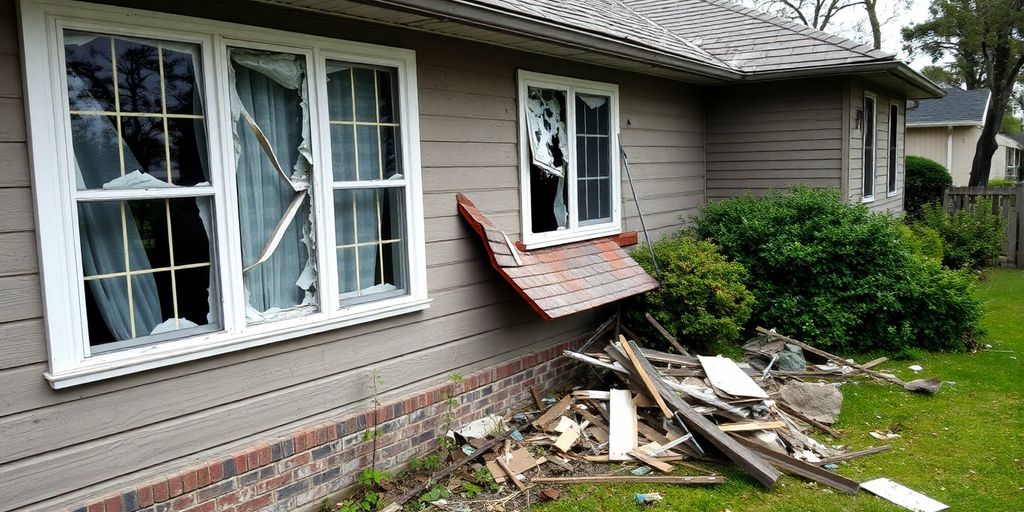
Ensuring Safety First
After a storm, safety is the top priority. Here are some important steps to follow:
- Stay Outside: If your home looks damaged, don’t go inside until professionals check it. The structure might be unsafe.
- Check for Hazards: Look for broken glass, exposed nails, or downed power lines. Always assume power lines are live and stay away.
- Avoid Standing Water: Stay clear of flooded areas, as they may be contaminated or electrified. Keep children away from these spots.
- Ventilate for Gas Leaks: If you smell gas, open windows and leave the house immediately. Call the gas company for help.
Documenting the Damage
To support your insurance claim, it’s crucial to document everything:
- Take Photos: Capture images of all visible damage, including your home and personal belongings.
- Gather Insurance Info: Have your homeowner’s insurance documents ready to make the claims process smoother.
- List Damages: Write down everything that’s damaged to ensure nothing is missed when filing your claim.
Contacting Your Insurance Company
Once you’ve ensured safety and documented the damage, reach out to your insurance agent:
- Describe the Damage: Be clear about what happened and what was damaged.
- Provide Documentation: Share your photos and lists to help with your claim.
- Keep Receipts: Save any receipts for temporary repairs or living expenses while your home is being fixed.
Taking these initial steps can help you recover faster and ensure your safety after a storm. Remember, acting quickly is essential to prevent further damage to your home.
Summary
Following these steps can help you manage the aftermath of storm damage effectively. Always prioritize safety, document thoroughly, and communicate with your insurance company to facilitate a smoother recovery process. For comprehensive home services, consider reaching out to professionals like Ruach, who specialize in storm damage restoration and can assist with insurance claims.
Emergency Repairs and Quick Fixes
After a storm, it’s crucial to act quickly to minimize damage to your home. Taking immediate action can prevent further issues and help restore your property effectively.
Securing Your Property
- Cover Exposed Areas: If your roof is damaged, use tarps to cover any holes. This will help prevent water from entering your home.
- Board Up Windows: Use plywood to cover broken windows. This keeps rain out and protects your home from further damage.
- Clear Debris: Remove fallen branches and debris from your yard to avoid hazards.
Handling Water Damage
Water damage can lead to serious problems like mold if not addressed quickly. Here are some steps to take:
- Extract Standing Water: Use a wet/dry vacuum or hire professionals to remove any standing water.
- Dry Out Affected Areas: Set up fans and dehumidifiers to dry out damp areas. Open windows for ventilation if the weather allows.
- Inspect for Mold: Check for signs of mold and consider professional help if you find any.
Temporary Roof Repairs
Your roof often suffers the most during a storm. Quick repairs are essential:
- Use Roofing Tar: Apply roofing tar to cover any holes or missing shingles until a professional can fix it.
- Check for Leaks: Inspect your attic and ceilings for leaks and address them immediately.
Taking these steps can significantly reduce the impact of storm damage. Remember, professional help is available if you need it. Companies like Ruach Home Services offer 24/7 emergency storm damage repair, ensuring your home is safe and secure after a storm.
Working with Professional Restoration Services
Choosing the Right Restoration Company
When your home suffers from storm damage, selecting the right restoration company is crucial. Look for a company that has a good reputation and offers a range of services. Here are some tips to help you choose:
- Check online reviews and ratings.
- Ask for recommendations from friends or family.
- Ensure they are licensed and insured.
The Restoration Process Explained
The restoration process can seem overwhelming, but understanding it can help ease your worries. Here’s a simple breakdown of the steps involved:
- Assessment: The company will inspect your home to see how much damage there is.
- Planning: They will create a detailed plan for repairs and restoration.
- Restoration: This includes fixing structural damage, removing water, and addressing mold issues.
- Final Inspection: After the work is done, they will check everything to ensure your home is safe.
Benefits of Professional Services
Hiring professionals for storm damage restoration has many advantages:
- Expertise: They know how to handle complex repairs.
- Efficiency: They can work faster than you might on your own.
- Safety: They have the right tools and training to deal with hazardous situations.
Remember, you don’t have to face this alone. Let professionals help you restore your home and peace of mind after a storm. Ruach offers comprehensive water damage restoration services, ensuring your home is safe and sound again.
Preventing Future Storm Damage
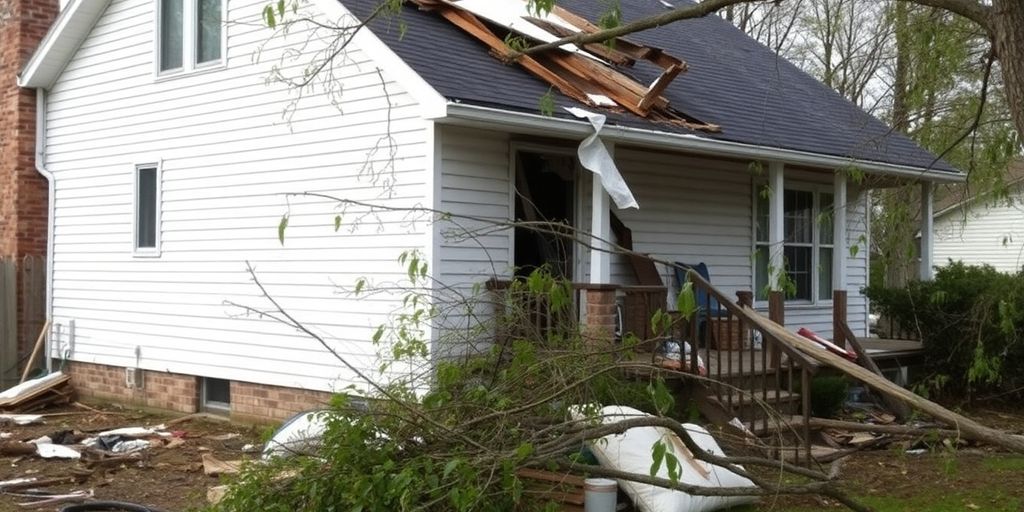
Storm-Proofing Your Home
To keep your home safe from future storms, consider these steps:
- Install storm shutters or impact-resistant windows to protect against flying debris.
- Reinforce your roof with hurricane straps to prevent it from being lifted off during strong winds.
- Secure outdoor furniture and other items to stop them from being blown away.
Creating an Emergency Plan
Having a plan can make a big difference when a storm hits. Here’s what to do:
- Prepare an emergency kit with essentials like water, non-perishable food, flashlights, and a first-aid kit.
- Set up a communication plan so everyone knows how to reach each other and where to meet if separated.
- Regularly review and update your plan to ensure it meets your family’s needs.
Regular Maintenance Tips
Keeping your home in good shape can help prevent storm damage:
- Inspect your roof and fix any issues.
- Clear gutters and downspouts to ensure proper drainage.
- Trim trees and remove any dead branches that could fall during a storm.
Taking these proactive measures can significantly reduce the impact of future storms, keeping your home and family safer.
Additional Measures
You can also take these steps to further protect your home:
- Invest in sandbags to prevent flooding.
- Cover windows and doors with tarps to stop water from seeping in.
- Check for mold after storms and remove it quickly to protect your health.
By following these guidelines, you can help ensure your home remains a safe haven during storms.
Navigating the Insurance Claim Process
Understanding Your Policy
Before you start the claims process, it’s important to understand your homeowner’s insurance policy. Know what is covered and what isn’t. This will help you set realistic expectations for your claim. Here are some key points to consider:
- Coverage limits
- Deductibles
- Exclusions
Filing a Claim
Once you’ve assessed the damage, it’s time to file a claim. Here’s how to do it:
- Notify your insurer about the storm damage as soon as possible.
- Share all documentation, including photos and videos of the damage.
- Wait for your insurance adjuster to assess the damage and provide a claim number.
Working with an Insurance Adjuster
After filing your claim, an adjuster will be assigned to evaluate the damage. Here’s what to expect:
- The adjuster will visit your property to assess the damage.
- They will determine the settlement amount needed to restore your home.
- Stay in touch with your adjuster and provide any additional information they may need.
Remember, being proactive and organized can significantly speed up the claims process. Keep all receipts for repairs and temporary living expenses, as these may be reimbursable under your policy.
Conclusion
Navigating the insurance claim process can be overwhelming, but understanding your policy and being prepared can make it easier. Document everything and communicate clearly with your insurance company to ensure a smoother experience.
By following these steps, you can effectively manage your storm damage insurance claims and work towards restoring your home.
Understanding how to navigate the insurance claim process can be tricky, but it’s essential for getting the help you need after damage. If you’re unsure about your coverage or how to file a claim, don’t hesitate to reach out to us for guidance. Visit our website today to learn more and get started!
Final Thoughts on Storm Damage Repair
In conclusion, dealing with storm damage can be tough, but you don’t have to face it alone. By following the steps outlined in this guide, you can effectively assess the damage, take quick actions to prevent further issues, and reach out for professional help when needed. Remember, safety is the top priority, so always be cautious when inspecting your home after a storm. With the right preparation and support, you can restore your home and make it even stronger against future storms. Don’t hesitate to seek assistance from experts to ensure your property is safe and secure.
Frequently Asked Questions
What should I do first after a storm damages my home?
Your first step should be to ensure everyone’s safety. Avoid entering damaged areas and check for hazards like broken glass or downed power lines.
How can I document storm damage effectively?
Take clear photos or videos of all visible damage, including roofs, windows, and walls. Also, gather your insurance documents for easier claims.
Is it necessary to hire a professional for storm damage repairs?
While some minor repairs can be done yourself, hiring a professional is often safer and more efficient for significant damage.
What types of storm damage should I look for?
Common signs include missing roof shingles, broken windows, water leaks, and structural issues like cracks in walls.
How do I file an insurance claim for storm damage?
Contact your insurance company promptly, provide them with documentation of the damage, and follow their instructions for filing a claim.
What preventative measures can I take for future storms?
Consider installing storm shutters, reinforcing your roof, and keeping trees trimmed to minimize potential damage from future storms.