
Home insurance can be confusing, especially when it comes to understanding what it covers regarding plumbing issues like leaking pipes. Many homeowners wonder if their policy will help them pay for damages caused by leaks. This article explores how home insurance typically works with plumbing problems, what is covered, and what is not. Knowing these details can help you make informed decisions about your home insurance and how to protect your property from water damage.
Key Takeaways
- Home insurance usually covers sudden leaks but not ongoing issues.
- Neglecting maintenance can result in denied claims.
- Mold cleanup may be covered if the leak is sudden and unexpected.
- Additional coverage options exist for sewer backups and floods.
- Regular inspections can help prevent plumbing problems.
What is Covered Under Home Insurance for Leaking Pipes?
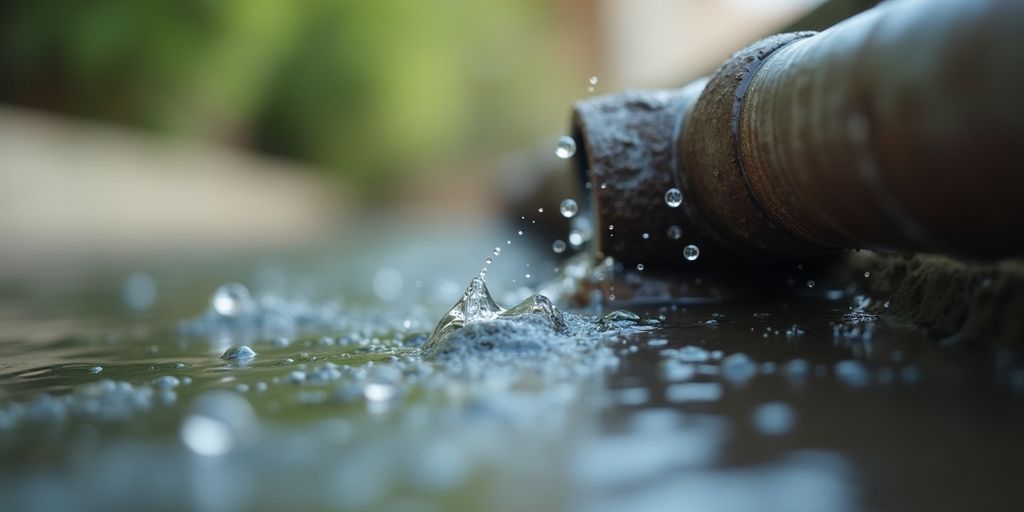
Home insurance can be a lifesaver when it comes to unexpected plumbing issues. Policies typically cover water damage from leaking pipes if caused by sudden, accidental events like burst pipes or appliance malfunctions. Here’s a closer look at what is generally covered:
Sudden and Accidental Damage
- If a pipe bursts unexpectedly, the resulting water damage is usually covered.
- Damage to walls, floors, and personal belongings may be included in your coverage.
- This coverage often extends to mold and mildew cleanup if the damage was sudden.
Mold and Mildew Cleanup
- Home insurance may help with cleanup costs if mold develops due to a covered leak.
- However, if the mold is a result of long-term neglect, it may not be covered.
- Regular inspections can help prevent mold issues from arising.
Exclusions for Wear and Tear
- Damage from normal wear and tear is typically not covered.
- If a leak has been ongoing for a long time and is visible, insurance may deny the claim.
- Homeowners should be proactive in maintaining their plumbing to avoid issues.
Remember, every situation is unique, so it’s essential to understand your specific policy details and coverage limits.
When Does Home Insurance Not Cover Leaking Pipes?
Negligence and Lack of Maintenance
Home insurance often does not cover leaks that result from negligence. If you have a visible leak that you ignored for weeks or months, your insurance may deny your claim. Preventable damage is typically not covered. Regular maintenance is essential to avoid such situations.
Frozen Pipes Without Adequate Heating
If your pipes freeze and burst because your home was not heated properly, your insurance will likely not cover the damage. It’s crucial to keep your home warm during cold weather to prevent this issue.
Sewer Backups and Sump Pump Failures
Most homeowners insurance policies do not cover damage from sewer backups or sump pump failures. These issues often arise from problems outside your home, like city line issues or tree root damage. You can consider adding optional water backup coverage to your policy for better protection.
| Issue | Coverage Status |
|---|---|
| Negligence | Not Covered |
| Frozen Pipes (no heating) | Not Covered |
| Sewer Backups | Not Covered (unless added) |
| Sump Pump Failures | Not Covered (unless added) |
It’s important to understand your policy and what it covers. Knowing these exclusions can help you take preventive measures and avoid unexpected costs.
How to Prevent Plumbing Issues in Your Home
Taking steps to prevent plumbing problems can save you from costly repairs and damage. Here are some effective strategies:
Regular Plumbing Inspections
- Schedule yearly inspections with a professional plumber to check for any potential issues.
- A plumber can identify damaged pipes or leaks before they become serious problems.
- They can also advise if your pipes need replacement, especially if they are older.
Installing Smart Water Leak Detectors
- Consider investing in smart water leak detectors. These devices alert you to drops in water pressure, which can indicate a leak.
- Early detection can help you fix leaks before they cause significant damage.
- Some insurance companies even offer discounts for homes equipped with these devices.
Proper Insulation for Pipes
- Insulate your pipes, especially in older homes or colder climates, to prevent freezing.
- During winter, keep your home heated to at least 55 degrees, even if you’re away.
- Open cabinet doors under sinks to allow warm air to circulate around the pipes.
Taking these preventive measures can significantly reduce the risk of plumbing issues in your home. Acting early is key!
Understanding Additional Coverage Options
When it comes to home insurance, understanding the additional coverage options available can be crucial for protecting your home from unexpected plumbing issues. Standard homeowners insurance policies typically do not cover gradual damage, flood damage, or sewer backups. Here are some important options to consider:
Water Backup Coverage
- This coverage helps protect against damage caused by water backing up through sewers or drains.
- It can cover the costs of repairs and cleanup, which can be significant.
- Make sure to check if this coverage is included in your policy or if it needs to be added separately.
Equipment Breakdown Insurance
- This type of insurance covers the repair or replacement of home systems and appliances that break down unexpectedly.
- It can be especially useful for protecting your plumbing systems, such as water heaters and sump pumps.
- Review your policy to see if this coverage is included or available as an add-on.
Flood Insurance for Plumbing Issues
- Flood insurance is essential if you live in a flood-prone area, as it covers damage from rising water.
- This insurance is separate from standard homeowners insurance and must be purchased through the National Flood Insurance Program (NFIP).
- Consider your home’s location and potential flood risks when deciding on this coverage.
Understanding these additional coverage options can help you make informed decisions about protecting your home from plumbing-related incidents. Always consult with your insurance agent to ensure you have the right coverage for your needs.
Steps to Take When You Discover a Leak
Immediate Actions to Minimize Damage
When you find a leak, act quickly to reduce damage. Here are some steps to follow:
- Turn off the water supply to prevent further flooding.
- Move any furniture or belongings away from the leak to avoid water damage.
- Use towels or buckets to catch dripping water.
Contacting Your Insurance Provider
After addressing the immediate issue, reach out to your insurance provider. They can help you understand your coverage options. Be ready to provide:
- Details about the leak and how it happened.
- Photos of the damage.
- Any repairs you’ve already made.
Documenting the Damage for Claims
It’s important to keep a record of everything related to the leak. This will help when filing a claim. Consider:
- Taking clear photos of the damage.
- Keeping receipts for any repairs or temporary fixes.
- Writing down the timeline of events leading to the leak.
Remember, prompt action can make a big difference in the outcome of your claim. If you need help, consider reaching out to professionals like Ruach Home Services, who specialize in water damage restoration and can assist with insurance claims.
Common Misconceptions About Home Insurance and Plumbing
Coverage for Appliance Leaks
Many homeowners believe that their insurance will cover all types of leaks, including those from appliances. However, this is not always true. If the leak is due to wear and tear or lack of maintenance, your claim may be denied. It’s essential to understand that insurance is designed for sudden and unexpected incidents, not for regular upkeep.
Misunderstandings About Policy Limits
Another common myth is that all plumbing issues are covered under a standard policy. In reality, many policies have specific exclusions. For example, damage from sewer backups or sump pump failures is often not included. Homeowners should check their policy details to know what is and isn’t covered. Here’s a quick overview:
| Issue | Covered? |
|---|---|
| Sudden pipe burst | Yes |
| Slow leaks from wear and tear | No |
| Sewer backups | No |
| Flooding | No |
The Role of Personal Liability Coverage
Some people think that personal liability coverage will protect them from all plumbing-related issues. This is misleading. While it can cover damage to a neighbor’s property, it does not cover your own plumbing problems. Understanding the limits of your coverage is crucial.
Home insurance is meant to protect against unexpected events, not regular maintenance issues.
By being aware of these misconceptions, homeowners can make better decisions about their insurance needs and avoid surprises when filing claims.
The Role of Home Insurance in Plumbing-Related Incidents
Home insurance plays a crucial role when it comes to plumbing-related incidents. Understanding your coverage can save you from unexpected costs. Here’s how home insurance typically covers plumbing issues:
Dwelling Coverage for Structural Damage
- This coverage protects the main structure of your home, including:
- Damage to walls and ceilings caused by leaks.
- Repairs to plumbing systems that affect the home’s structure.
- Replacement of appliances like water heaters that may be damaged.
Personal Property Coverage for Belongings
- If plumbing issues cause damage to your personal items, this coverage can help. It may cover:
- Electronics that are damaged by water.
- Furniture and rugs that are affected by leaks.
- Other personal belongings that suffer water damage.
Loss-of-Use Coverage During Repairs
- If your home becomes uninhabitable due to plumbing issues, this coverage can assist with:
- Temporary lodging expenses.
- Costs for meals while you are away from home.
- Other necessary services during the repair period.
Home insurance can be a lifesaver when plumbing problems arise, but it’s essential to know what is covered and what isn’t.
In summary, homeowners insurance can provide significant support during plumbing-related incidents, but it’s important to understand the specifics of your policy. Always check with your insurance provider to clarify your coverage options and ensure you are adequately protected against potential plumbing disasters.
Remember, not all plumbing issues are covered, especially those resulting from neglect or lack of maintenance.
Home insurance plays a crucial role when it comes to plumbing problems. If a pipe bursts or there’s a leak, having the right coverage can save you from hefty repair costs. It’s important to understand your policy and what it covers. For more information on how to protect your home and finances, visit our website today!
Final Thoughts on Home Insurance and Leaking Pipes
In conclusion, understanding how home insurance works with plumbing issues is important for every homeowner. If a pipe suddenly bursts or a leak happens unexpectedly, your insurance might help cover the damage. However, if the problem is due to neglect or if it develops slowly over time, you may not be covered. It’s wise to keep an eye on your plumbing and take steps to prevent leaks. Regular checks and quick repairs can save you from bigger problems later. Always read your policy carefully and talk to your insurance agent to know what is covered and what isn’t.
Frequently Asked Questions
Does homeowners insurance cover plumbing repairs?
Homeowners insurance might cover the damage from a sudden plumbing issue, like a burst pipe, but it usually doesn’t pay for the actual pipe repairs.
Will my insurance pay for water damage from a leak?
If the leak is sudden and unexpected, your insurance may cover the damage it causes. But it likely won’t cover the cost of fixing the leak itself.
What if my pipes freeze and burst?
If your pipes freeze and burst because you didn’t keep your home warm enough, your insurance might not cover the damage.
Does insurance cover mold from plumbing leaks?
Insurance may cover mold cleanup if it results from sudden water damage, but not if the mold is due to a long-term leak.
Are appliance leaks covered by homeowners insurance?
If an appliance leaks suddenly, your insurance may cover the damage it causes, but it won’t cover the repair or replacement of the appliance.
What plumbing issues are not covered by home insurance?
Home insurance typically won’t cover damage from slow leaks, wear and tear, or flooding. You may need separate flood insurance for those situations.