
Water damage under a house can lead to serious problems, affecting the structure and safety of your home. Understanding the causes, effects, and solutions to this issue is crucial for homeowners. This article will help you identify the common sources of water damage, the risks it poses to your health and property, and effective ways to prevent and address these problems.
Key Takeaways
- Water damage under a house can be caused by issues like clogged drains, leaking pipes, and foundation cracks.
- The effects of water damage include weakened foundations, mold growth, and attracting pests.
- Health risks from water damage include respiratory problems and allergic reactions due to mold exposure.
- Immediate actions to take include ensuring safety, stopping water sources, and removing standing water.
- Long-term solutions involve regular maintenance, installing sump pumps, and proper landscaping to prevent future water issues.
Common Causes of Water Damage Under House
Water damage under a house can happen for several reasons. Understanding these causes can help you prevent serious issues. Here are some common culprits:
Clogged Low-Point Drains
A clogged low-point drain can lead to water pooling in your crawl space. These drains are designed to carry water away, but if they get blocked, water can overflow and cause damage.
Leaking Pipes and Plumbing Issues
Leaking pipes are another major cause of water damage. If you notice damp spots or a musty smell, check your plumbing. A small leak can turn into a big problem if not fixed quickly.
Foundation Cracks and Vents
Cracks in your foundation can allow water to seep in. If you see any cracks, it’s important to address them right away. Additionally, foundation vents can let moisture in if they are not properly sealed.
Improper Grading and Landscaping
The way your yard is graded can affect water drainage. If the ground slopes towards your house, it can lead to water pooling around the foundation. Proper landscaping can help direct water away from your home.
Preventing water damage is crucial for maintaining your home’s integrity. Regular checks can save you from costly repairs later.
| Cause | Description |
|---|---|
| Clogged Low-Point Drains | Drains that are blocked can overflow. |
| Leaking Pipes | Small leaks can lead to significant damage. |
| Foundation Cracks | Cracks allow water to enter the home. |
| Improper Grading | Yard slope can direct water towards the house. |
Effects of Water Damage on Home Structures
Water damage can have serious consequences for your home. It can weaken the very structure that keeps your house standing. Here are some of the main effects:
Foundation Weakening and Cracks
- Water can seep into the foundation, causing it to weaken.
- This can lead to cracks that may start small but can grow larger over time.
- If not addressed, these cracks can compromise the entire structure.
Mold and Mildew Growth
- Moisture creates a perfect environment for mold and mildew.
- Even a small leak can lead to significant mold problems, affecting air quality.
- Mold can cause health issues, especially for those with allergies or asthma.
Structural Instability and Rot
- Prolonged exposure to water can cause wood to rot, leading to instability.
- This can affect floors, walls, and even the roof, making repairs costly.
- Regular inspections can help catch these issues early.
Attraction of Unwanted Pests
- Damp areas can attract pests like termites and rodents.
- These pests can cause further damage to your home.
- Keeping your home dry is essential to prevent infestations.
Addressing water damage quickly is crucial to maintaining your home’s safety and value.
Understanding these effects can help homeowners take preventive measures. Regular maintenance and prompt repairs can save you from expensive fixes later on.
| Effect | Description |
|---|---|
| Foundation Weakening | Cracks and structural issues due to water seepage |
| Mold Growth | Health risks and air quality issues |
| Structural Instability | Rotting wood and compromised safety |
| Pest Infestation | Increased risk of termites and rodents |
By being aware of these potential problems, you can take steps to protect your home from water damage.
Health Risks Associated with Water Damage
Respiratory Issues from Mold
Water damage can lead to mold growth, which poses serious health risks. Mold spores can trigger respiratory problems, especially in sensitive individuals. Symptoms may include coughing, wheezing, and difficulty breathing.
Allergic Reactions and Skin Irritations
Exposure to mold and damp conditions can cause allergic reactions. Common symptoms include:
- Itchy or red eyes
- Skin rashes
- Sneezing and nasal congestion
Asthma Complications
For those with asthma, water damage can worsen their condition. Increased humidity and mold can lead to severe asthma attacks, making it crucial to address water issues promptly.
Increased Risk of Infections
Standing water can harbor bacteria and other pathogens. This can lead to infections, particularly in vulnerable populations such as the elderly and young children.
Addressing water damage quickly is essential to protect your family’s health. Prompt action can prevent mold growth and reduce health risks.
In summary, water damage can lead to various health issues, including respiratory problems, allergic reactions, and infections. It’s vital to take immediate action to mitigate these risks and ensure a safe living environment.
Remember, choosing certified companies for restoration, like Ruach Home Services, can help you navigate the process effectively.
Immediate Actions to Address Water Damage
Ensuring Safety and Avoiding Electrocution
When you discover water in your home, safety is the first priority. Avoid standing in water while using any electrical devices, as this can lead to serious risks like electrocution. Always turn off the power supply to the affected area before proceeding.
Identifying and Stopping Water Sources
Next, try to find out where the water is coming from. This could be due to a broken pipe, heavy rain, or even a clogged drain. Stopping the source of the water is crucial to prevent further damage. If you can’t identify the source, it’s best to call a professional.
Removing Standing Water Promptly
Once the source is stopped, it’s important to remove any standing water as quickly as possible. You can use a wet/dry vacuum or a pump to help with this. The longer water sits, the more damage it can cause, including mold growth and structural issues.
Assessing Damage with Professional Help
After the water is removed, it’s wise to have a professional assess the damage. They can help determine if there are any hidden issues that need to be addressed. This step is important to ensure that your home remains safe and sound.
Taking immediate action can save you from costly repairs and health risks. Don’t wait too long to address water damage under your house!
Long-Term Solutions for Preventing Water Damage
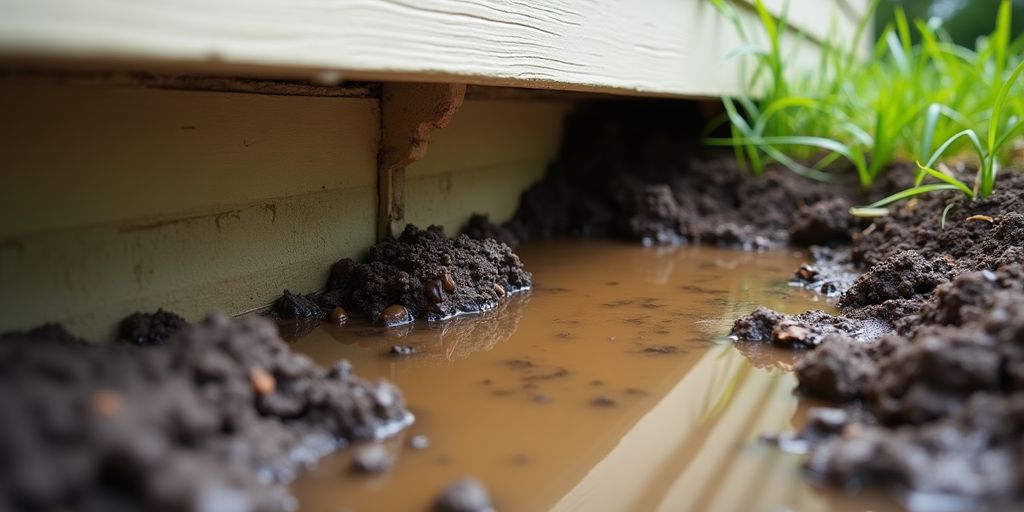
To keep your home safe from water damage, it’s important to take preventative measures. Here are some effective strategies:
Routine Maintenance and Inspections
- Regularly check for leaks in pipes and plumbing.
- Inspect your roof and gutters to ensure they are clear and functioning properly.
- Look for signs of water damage in your crawl space or basement.
Installation of Sump Pumps and French Drains
- Sump pumps help remove excess water from your home. They activate automatically when water levels rise.
- French drains redirect water away from your foundation, preventing flooding during heavy rains.
Proper Grading and Landscaping
- Ensure that the ground slopes away from your home to direct water away from the foundation.
- Avoid planting flower beds too close to the house, as overwatering can lead to pooling water.
Use of Vapor Barriers and Dehumidifiers
- Installing vapor barriers can prevent moisture from seeping into your home.
- Dehumidifiers help keep the air dry, reducing the risk of mold growth.
Taking these steps can save you money in the long run by preventing costly repairs due to water damage.
By implementing these long-term solutions, you can protect your home from the damaging effects of water and ensure a safe living environment.
Understanding Different Types of Foundations
Foundations are crucial for any home, and they come in different types, each with its own strengths and weaknesses. Understanding these can help you protect your home from water damage.
Slab Foundations and Their Vulnerabilities
- Construction: A slab foundation is a solid piece of concrete that sits directly on the ground. It’s often used in warmer areas where the ground doesn’t freeze.
- Vulnerabilities: Since it’s right on the ground, it can be affected by water pooling around it. If not sealed properly, water can seep through.
Crawl Space Foundations and Water Risks
- Construction: This type has a small space, usually about two feet high, between the ground and the house.
- Vulnerabilities: Moisture can easily build up in crawl spaces, leading to problems like mold and wood rot. Installing moisture barriers is often necessary.
Basement Foundations and Waterproofing
- Construction: Basements are built below ground level, providing extra space for living or storage.
- Vulnerabilities: They are at risk from groundwater pressure, which can cause leaks and structural damage. Proper waterproofing and drainage systems are essential to keep basements dry.
Choosing the Right Foundation for Your Home
- Considerations: When selecting a foundation, think about your local climate, soil type, and potential water issues. Each foundation type has its own benefits and risks, so choose wisely to protect your home.
Understanding your foundation type is key to preventing water damage. Regular inspections can help catch issues early, ensuring your home remains safe and sound.
By knowing the different types of foundations and their vulnerabilities, you can take steps to safeguard your home against water damage. Stay proactive to maintain your home’s integrity!
Natural and Human-Induced Sources of Water Damage
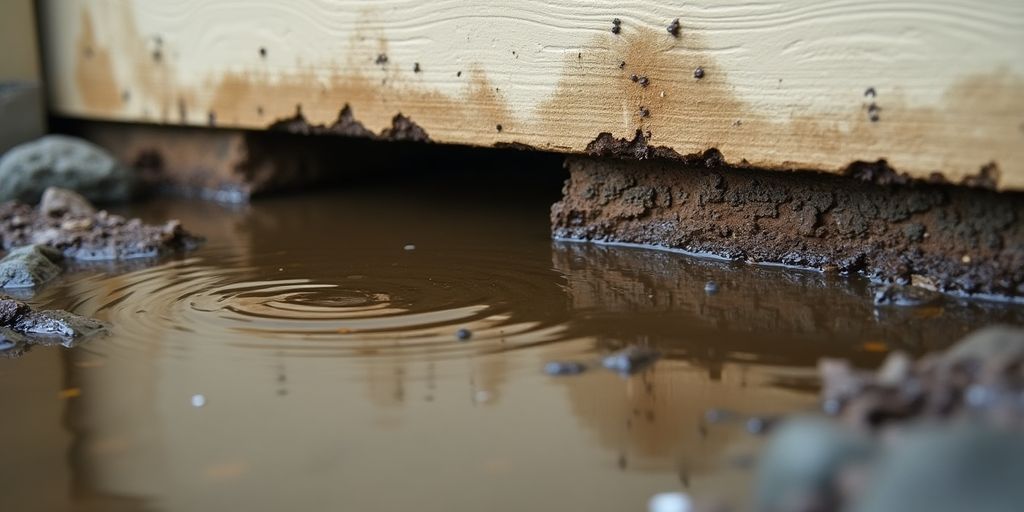
Water damage can come from many places, both from nature and from human activities. Understanding these sources is important for protecting your home.
Impact of Heavy Rainfall and Flooding
Heavy rain and flooding can lead to serious problems for homes. When there is too much rain, the ground can become saturated, causing water to seep into the foundation. This can lead to:
- Soil erosion around the foundation
- Pressure against foundation walls
- Water pooling under the house
Consequences of Plumbing Leaks
Plumbing issues are a common human-induced source of water damage. Leaks can happen anywhere in the plumbing system, leading to:
- Pooling water in basements or crawl spaces
- Increased water bills
- Damage to wooden structures, causing rot
Effects of Poor Drainage Systems
If a home has a bad drainage system, it can lead to water collecting around the foundation. This can happen due to:
- Clogged gutters and downspouts
- Improper grading of the land
- Lack of drainage tiles
Regular checks on drainage systems can help prevent water damage and save money in the long run.
Role of Soil Type and Groundwater Levels
Different types of soil can affect how water behaves around a home. For example, clay soil can hold water, leading to:
- Increased pressure on foundations
- Higher chances of flooding during heavy rains
- Difficulty in drainage
Understanding these natural and human-induced sources of water damage can help homeowners take steps to protect their properties.
Water damage can come from many places, both natural and human-made. Heavy rain, floods, and even broken pipes can cause serious issues in your home. If you notice any signs of water damage, don’t wait! Visit our website to learn how we can help you restore your home and keep it safe from future problems. Your peace of mind is just a click away!
Final Thoughts on Water Damage Under Your House
In conclusion, understanding water damage under your house is crucial for every homeowner. It can lead to serious problems like mold growth, structural damage, and costly repairs. By knowing the causes, such as leaks, poor drainage, and heavy rain, you can take steps to prevent these issues. Regular maintenance, like checking gutters and ensuring proper grading, can help keep your home safe. If you find standing water, act quickly to address it. With the right solutions, you can protect your home and keep your family safe.
Frequently Asked Questions
What causes water to collect under my house?
Water can gather under your house due to clogged drains, leaking pipes, cracks in the foundation, or poor landscaping that doesn’t direct water away from your home.
How can water damage affect my home?
Water damage can weaken your home’s foundation, lead to mold growth, cause structural problems, and attract pests like termites.
What health issues can arise from water damage?
Water damage can lead to mold, which might cause breathing problems, skin rashes, and allergies, especially in people with asthma.
What should I do immediately if I find water under my house?
First, ensure your safety by avoiding any electrical hazards. Then, stop the water source, remove standing water, and consider calling a professional to assess the damage.
How can I prevent water damage in the long run?
Regular maintenance, installing sump pumps, proper grading around your home, and using vapor barriers can help prevent water damage.
What types of foundations are most vulnerable to water damage?
Slab foundations, crawl space foundations, and basements can all be at risk for water damage, depending on their design and the surrounding environment.