
Renovating your home can be both thrilling and challenging. Whether you’re looking to make small updates or completely transform your space, having a solid plan is key. This guide will walk you through the home remodeling process, ensuring you stay organized and on budget while achieving your dream home.
Key Takeaways
- Define your goals and set a clear budget before starting any renovations.
- Gather inspiration and create a vision board to help communicate your ideas.
- Hire qualified professionals to ensure quality work and compliance with regulations.
- Understand local building codes and secure necessary permits to avoid legal issues.
- Monitor progress regularly and be flexible to adapt to changes during the remodeling process.
Setting Clear Goals and Budget for Your Home Remodeling Process
Identifying Your Remodeling Objectives
When starting your home remodeling journey, it’s important to define what you want. Are you looking to increase your home’s value, create more space, or simply refresh its look? Here are some key points to consider:
- Assess your needs: Think about what you truly need from your remodel.
- Define your style: Consider what aesthetic you want your home to reflect.
- Prioritize: List what’s most important to you in the renovation.
Establishing a Realistic Budget
Creating a budget is essential for a successful renovation. A well-planned budget helps you avoid overspending and keeps your project on track. Here are some tips for how to budget for your home remodeling project:
- Calculate all costs: Include materials, labor, permits, and a buffer for unexpected expenses.
- Monitor your spending: Keep track of your expenses to stay within your budget.
- Set aside a contingency fund: This reserve can help you manage any surprises that come up during the renovation.
| Expense Type | Estimated Cost |
|---|---|
| Materials | $5,000 |
| Labor | $10,000 |
| Permits | $1,000 |
| Contingency (10%) | $1,600 |
| Total Estimated Cost | $17,600 |
Balancing Needs and Wants
It’s crucial to find a balance between what you need and what you want. While it’s tempting to go for all the latest trends, focusing on your essential needs will ensure that your renovation is both practical and enjoyable.
Remember, a successful remodel is about creating a space that enhances your quality of life while staying within your financial limits.
By setting clear goals and a realistic budget, you can ensure that your renovation project is not only successful but also fulfilling.
Research and Inspiration: Crafting Your Vision
Exploring Design Ideas
Finding the right design ideas is a fun part of remodeling. Start by looking at magazines, websites, and even social media for inspiration. Create a collection of images that resonate with you. This will help you visualize what you want. Here are some sources to consider:
- Home improvement magazines
- Pinterest boards
- Interior design websites
Creating a Vision Board
A vision board is a great way to organize your thoughts and ideas. You can use a physical board or a digital one. Gather images, colors, and materials that inspire you. This board will serve as a visual guide throughout your remodeling journey. It’s a powerful tool to keep your dreams in focus.
Communicating Your Vision to Professionals
Once you have a clear vision, it’s time to share it with the professionals you hire. Effective communication is key to ensuring everyone is on the same page. Here are some tips:
- Present your vision board to your contractor.
- Discuss your goals and budget openly.
- Be ready to listen to their suggestions and expertise.
Remember, a successful remodel is not just about aesthetics; it’s about creating a space that reflects your lifestyle and needs.
By taking the time to explore ideas and communicate effectively, you set the stage for a successful remodeling project. This process is not just about changing your home; it’s about transforming your life. For a complete transformation, consider services like premium no.1 complete home remodeling from Ruach Home Services, which covers everything from design to construction.
Hiring the Right Professionals for a Smooth Remodeling Journey
Choosing Qualified Contractors
When it comes to hiring professionals for your home remodel, finding the right contractor is crucial. Start by researching potential candidates. Look for contractors who have a solid reputation and experience in the type of remodeling you want. Here are some steps to help you choose:
- Check online reviews and ratings.
- Ask for recommendations from friends or family.
- Review their past projects to see if their style matches your vision.
Understanding the Role of Designers and Architects
Designers and architects play a vital role in the remodeling process. They help turn your ideas into reality by creating detailed plans and designs. Here’s what to consider:
- Designers focus on aesthetics and functionality.
- Architects ensure that the structure meets safety and building codes.
- Both can provide valuable insights into materials and layouts that work best for your space.
Ensuring Proper Licensing and Insurance
Before hiring any professional, it’s essential to verify their credentials. Always check for proper licensing and insurance to protect yourself from potential issues. Here’s a quick checklist:
- Confirm that the contractor has a valid license for your area.
- Ensure they have liability insurance to cover any accidents.
- Ask for proof of workers’ compensation insurance to protect against injuries on the job.
Hiring the right professionals can make or break your remodeling project. Take the time to do your research and choose wisely!
Navigating Permits and Regulations
When planning a home renovation, understanding the necessary permits and regulations is crucial. Ignoring these can lead to costly fines and delays. Here’s how to navigate this process effectively:
Understanding Local Building Codes
- Research your local building codes to ensure compliance.
- Check for any specific requirements related to your renovation type.
- Consult with professionals who are familiar with these codes.
Securing Necessary Permits
- Identify the permits required for your project.
- Submit applications to your local building department.
- Pay any associated fees and wait for approval before starting work.
Avoiding Legal Pitfalls
- Always keep documentation of permits and inspections.
- Communicate with your contractor about compliance issues.
- Be proactive in addressing any potential legal concerns.
Navigating the world of permits and regulations can be overwhelming, but with the right guidance, you can ensure a smooth remodeling process. Remember, working with qualified professionals can help you avoid many common pitfalls and keep your project on track.
Managing the Remodeling Timeline Effectively
Creating a Detailed Project Schedule
Managing a remodeling project requires a well-thought-out schedule. Mapping out each phase helps manage expectations and timelines. Here are some key steps to consider:
- Outline each phase: Break down the project into stages like demolition, construction, and finishing touches.
- Set key milestones: Identify important dates for design approvals and inspections.
- Include buffer time: Allow extra time for each stage to handle unexpected delays.
Anticipating Potential Delays
Timelines can be unpredictable, and surprises may arise. Therefore, some flexibility should be built into the plan. Here are common reasons for delays:
- Weather conditions
- Supply chain issues
- Unforeseen structural problems
Maintaining Flexibility in Planning
It’s wise to maintain clear communication with the remodeling crew. Regular updates help ensure the project stays on track without unnecessary delays.
Staying organized and adaptable is key to a successful remodeling experience.
By combining foresight and adaptability, you can manage stress while protecting your investment in the remodel. Remember, a collaborative approach fosters a positive working relationship, leading to a more successful and satisfying renovation outcome.
Executing the Remodeling Process: From Demolition to Final Touches
Preparing for Demolition
Before any work begins, it’s important to prepare the area. This includes:
- Clearing out furniture and belongings to protect them from dust and damage.
- Ensuring that all utilities are safely disconnected.
- Setting up barriers to keep the work area safe and contained.
Overseeing Construction and Installation
Once demolition is complete, structural and mechanical work begins. This includes anything related to the plumbing, electrical, or HVAC systems. Here’s what to keep in mind:
- Regularly check in with your contractors to ensure everything is on track.
- Make sure that all installations are done according to the plan.
- Document any changes or adjustments that occur during this phase.
Adding Finishing Touches
As the project nears completion, focus on the final details that will make your space shine. This includes:
- Painting walls and adding trim.
- Installing fixtures like lights and faucets.
- Conducting a thorough walkthrough to ensure everything meets your expectations.
Remember, the joy of seeing your newly renovated space is the ultimate reward for all the hard work put into the project!
Embracing Sustainable Practices in Home Remodeling
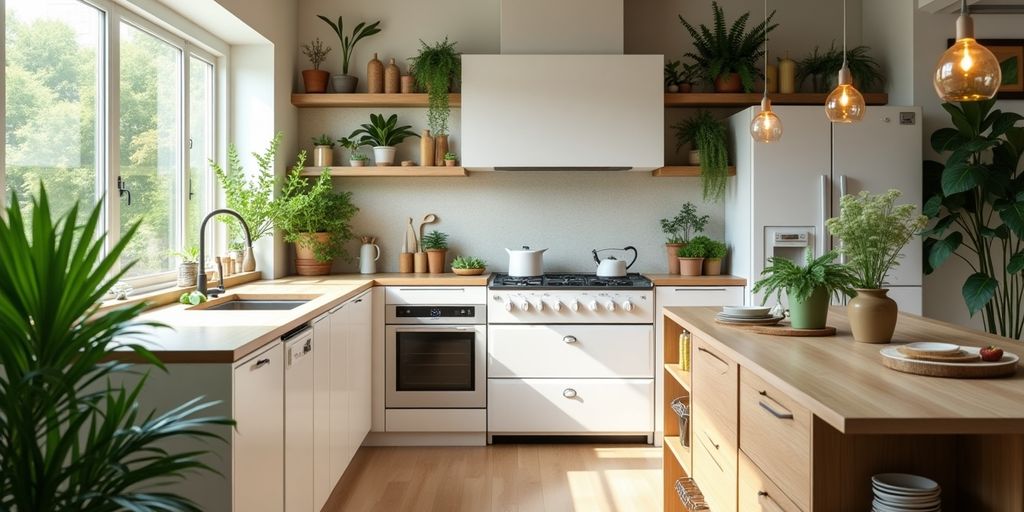
Sustainability is becoming a key part of home remodeling. Using eco-friendly materials can help reduce the negative impact on our planet. Here are some important points to consider:
Incorporating Eco-Friendly Materials
- Choose materials that are sustainable and have a low environmental impact.
- Look for options that are made from recycled or renewable resources.
- Consider the durability of materials to ensure they last longer, reducing waste.
Designing Energy-Efficient Spaces
- Install energy-efficient appliances to lower utility bills.
- Use proper insulation to keep homes comfortable and reduce energy use.
- Incorporate natural lighting to minimize the need for artificial lights.
Long-Term Benefits of Sustainability
- Sustainable practices can increase your home’s value over time.
- They contribute to a healthier living environment for you and your family.
- Eco-friendly choices can lead to significant savings on energy costs.
Embracing sustainable practices in your remodeling project not only benefits the environment but also enhances your home’s appeal and efficiency.
By focusing on these sustainable practices, homeowners can create beautiful spaces that are also kind to the planet. Remember, every small step counts in making a big difference!
When it comes to home remodeling, adopting eco-friendly methods is essential. Not only does it help the environment, but it also creates a healthier living space for you and your family. If you’re ready to make a positive change in your home, visit our website to learn more about how we can assist you in your remodeling journey!
Conclusion
In summary, remodeling your home can be a fun and fulfilling journey if you plan well and stay organized. By following the steps outlined in this guide, you can avoid common pitfalls and ensure your renovation goes smoothly. Remember to set clear goals, stick to your budget, and communicate openly with your contractors. Once your project is complete, take a moment to enjoy your new space and the hard work you put into it. Your home is now a reflection of your style and needs, ready to create new memories for you and your family. Happy renovating!
Frequently Asked Questions
What should I consider before starting a home remodel?
Before you begin, think about what you want to achieve. Do you want more space, a modern look, or to increase your home’s value? It’s also important to set a budget that covers all costs.
How can I find ideas for my renovation?
You can look for ideas in magazines, websites, or by visiting home improvement stores. Creating a vision board can help you gather your favorite designs.
Do I need to hire professionals for my remodel?
If your project is complex, it’s wise to hire professionals like contractors or designers. They can guide you through the process and ensure everything is done correctly.
What permits do I need for remodeling?
Most renovations require permits from local authorities. Check with your local government to see what you need, and your contractor can help with this process.
How can I keep my remodeling project on schedule?
Create a detailed timeline for your project and hold regular meetings with your contractor to discuss progress. Being flexible can also help you manage unexpected delays.
What are some eco-friendly options for my renovation?
You can use sustainable materials, energy-efficient appliances, and designs that reduce energy use. This not only helps the environment but can also save you money in the long run.