
Water damage can be a serious problem for any homeowner. Whether it’s caused by a broken pipe, a leaking roof, or a natural disaster, knowing how to manage and repair water damage is essential. This guide will walk you through the steps to effectively restore your home after water damage, ensuring safety and preventing further issues.
Key Takeaways
- Identify the source of water damage quickly to prevent further issues.
- Turn off electricity and water supply for safety before starting repairs.
- Document all damage for insurance claims and future reference.
- Use fans and dehumidifiers to dry out affected areas thoroughly.
- Consider professional help for extensive water damage restoration.
Identifying the Causes of House Water Damage
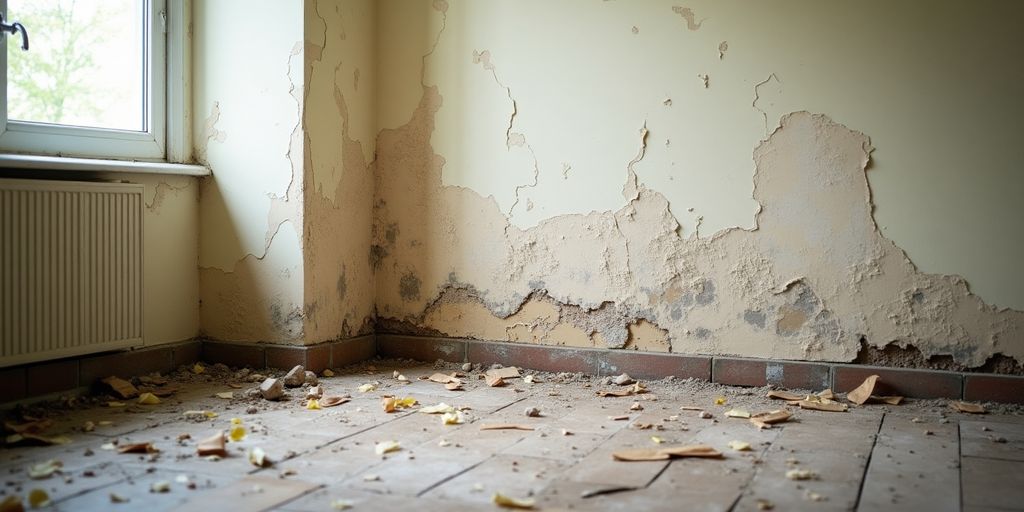
Water damage can happen for many reasons, and knowing these causes is the first step in protecting your home. Understanding the top causes of water damage in homes can help you take preventive actions. Here are some common sources:
Common Household Sources of Water Damage
- Leaking pipes: Old or damaged pipes can burst or leak, causing water to seep into walls and floors.
- Broken appliances: Dishwashers, washing machines, and refrigerators can malfunction and leak.
- Clogged drains: When drains are blocked, water can back up and overflow.
Natural Disasters and Their Impact
Natural events can also lead to significant water damage. Some examples include:
- Heavy rain: Excessive rainfall can overwhelm drainage systems.
- Flooding: Floodwaters can enter homes, causing extensive damage.
- Snowmelt: Rapid melting of snow can lead to water accumulation around foundations.
Preventive Measures to Avoid Water Damage
To protect your home from water damage, consider these preventive steps:
- Regular inspections: Check for leaks and wear in plumbing and appliances.
- Maintain gutters: Keep gutters clean to ensure proper drainage.
- Install sump pumps: These can help remove excess water from basements during heavy rains.
Taking proactive steps can save you from costly repairs and keep your home safe from water damage.
By understanding these causes and taking action, you can help prevent water damage in your home. Remember, a leaky roof can cause water to seep into your home, so regular maintenance is key!
Recognizing the Signs of Water Damage in Your Home
Visual Indicators of Water Damage
Water damage can often be spotted through various visual signs. Here are some common indicators:
- Water stains on ceilings, walls, or floors.
- Peeling paint or wallpaper, which can indicate moisture underneath.
- Sagging or warped floors that may suggest structural issues.
- Mold growth in corners or on surfaces, which can be harmful to health.
Odors and Other Sensory Signs
Sometimes, the signs of water damage are not just visual. Pay attention to:
- Musty odors that linger in the air, indicating mold or dampness.
- Wet carpets or rugs that feel damp to the touch.
- Condensation on windows, which can signal high humidity levels inside your home.
Long-Term Effects of Unnoticed Water Damage
Ignoring water damage can lead to serious problems. Here are some potential long-term effects:
- Structural damage to your home, which can be costly to repair.
- Mold growth, which poses health risks and can spread quickly.
- Decreased property value due to ongoing damage and repairs needed.
Acting quickly is crucial. If you notice any signs of water damage, it’s important to address them immediately to prevent further issues. Remember, the sooner you act, the better your chances of restoring your home effectively.
In summary, being aware of the signs of water damage can help you take action before the situation worsens. Regular checks and maintenance can save you from costly repairs in the future. If you suspect water damage, consider reaching out to certified professionals for assistance.
Immediate Actions to Take After Discovering Water Damage
When you find water damage in your home, it’s crucial to act quickly. Here are the steps you should take:
Ensuring Safety and Turning Off Utilities
- Prioritize safety: Make sure you and your family are safe from any hazards.
- Turn off the electricity if it’s safe to do so. This helps prevent electrical shocks.
- Look for signs of structural damage, like sagging ceilings or uneven floors. If you see these, evacuate immediately.
Stopping the Water Source
- Identify where the water is coming from and take action to stop it:
- Shut off the main water supply if it’s a plumbing issue.
- For flooding, use sandbags or barriers to redirect water away from your home.
Documenting the Damage for Insurance
- It’s important to keep a record of the damage for your insurance claim:
- Take clear photos and videos of the affected areas and damaged items.
- Write down details like when the damage happened and what caused it.
Remember, acting quickly can prevent further damage. Mold can start to grow within 24-48 hours, so don’t delay in taking these steps!
Effective Water Extraction and Drying Techniques
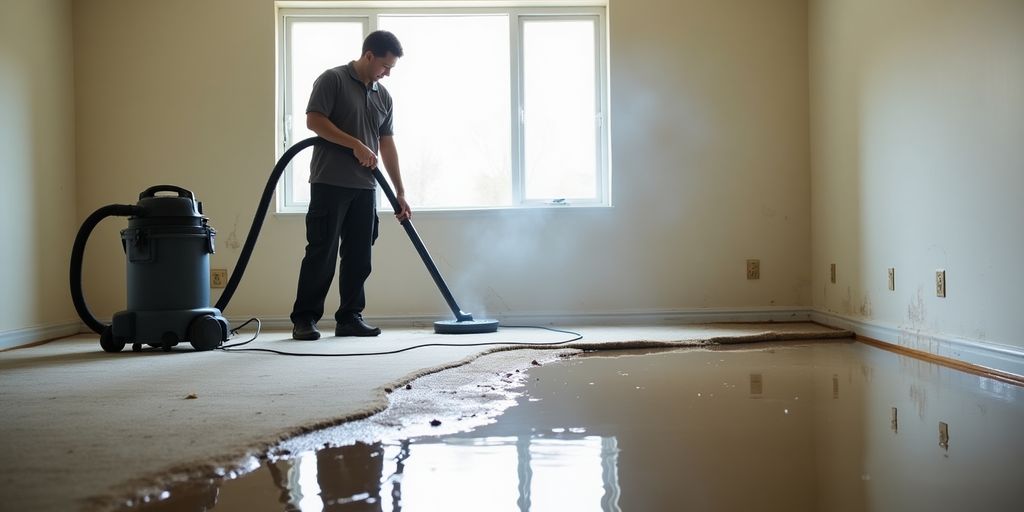
Using Fans and Dehumidifiers
To effectively dry out your home after water damage, using fans and dehumidifiers is crucial. These tools help circulate air and remove moisture from the affected areas. Here are some steps to follow:
- Set up multiple fans to increase air circulation.
- Place dehumidifiers in the wettest areas to absorb excess moisture.
- Open windows and doors to allow fresh air in, if the weather permits.
Professional Water Extraction Services
For severe water damage, it’s often best to call in the experts. Professional water extraction services can:
- Quickly remove standing water using industrial vacuums and pumps.
- Identify hidden moisture pockets with specialized equipment.
- Ensure that the drying process is thorough and effective.
Importance of Thorough Drying
Thorough drying is essential to prevent mold growth and further damage. Here’s why:
- Mold can develop within 24-48 hours in damp conditions.
- Incomplete drying can lead to structural issues in your home.
- Proper drying creates a safer environment for restoration efforts.
Remember, taking immediate action after water damage can save you time and money in the long run.
By following these techniques, you can effectively manage water damage and restore your home to a safe and livable condition. Prompt action is key!
Cleaning and Disinfecting Affected Areas
Choosing the Right Cleaning Agents
Cleaning after water damage is crucial to ensure your home is safe and healthy. Here are some steps to follow:
- Use a mild detergent mixed with warm water to scrub hard surfaces. This helps remove dirt and contaminants effectively.
- After cleaning, apply a disinfectant to all surfaces. You can use a bleach solution or a commercial disinfectant to kill any remaining bacteria and prevent mold growth.
- Make sure to dry all surfaces completely before using disinfectants. This step is important to stop mold from developing and to ensure the disinfectants work well.
Disinfecting to Prevent Mold Growth
To keep your home safe from mold, follow these tips:
- Act quickly to dry out affected areas within 24-48 hours.
- Use mold inhibitors on surfaces that are prone to moisture, like walls and floors.
- Regularly check for signs of mold, such as musty odors or visible spores, and address any issues immediately.
Handling Contaminated Materials Safely
When dealing with materials that have been affected by water, especially if it’s contaminated, take these precautions:
- Wear protective gear, including gloves and masks, to avoid exposure to harmful substances.
- Dispose of any porous materials that cannot be cleaned, such as carpets or insulation that have been heavily contaminated.
- Ensure that any items that can be salvaged are cleaned and dried properly to prevent future health risks.
Cleaning and disinfecting your home after water damage is essential to protect indoor air and your health. First, you should use clean water and detergent to physically remove contaminants from surfaces. You can also use an EPA-registered disinfectant or sanitizer to ensure thorough cleaning.
Repairing and Restoring Your Home Post-Water Damage
After experiencing water damage, it’s crucial to take the right steps to restore your home effectively. Repairing your home not only brings it back to its original state but also ensures safety for you and your family.
Assessing Structural Damage
- Inspect for Cracks: Look for any cracks in walls or ceilings, as these can indicate serious structural issues.
- Check Floors: Ensure that floors are even and not sagging, which may suggest damage to the foundation.
- Evaluate Insulation: Wet insulation can lead to mold, so inspect it carefully.
Replacing Damaged Materials
- Remove and replace any materials that are beyond repair, such as drywall and flooring.
- Be sure to address any mold issues before installing new materials.
- Salvage what you can, but prioritize safety and health.
Repainting and Refinishing Surfaces
- Once repairs are complete, repaint walls and refinish surfaces to restore your home’s appearance.
- Use high-quality paints and finishes that are resistant to moisture to prevent future issues.
- Consider hiring professionals for a flawless finish.
Restoring your home after water damage is essential for maintaining its value and ensuring a safe living environment.
In summary, the process of repairing and restoring your home involves careful assessment, replacement of damaged materials, and refinishing surfaces. By following these steps, you can effectively bring your home back to life after water damage. Remember, professional help can make a significant difference in ensuring the job is done right, especially when dealing with extensive damage.
Preventing Future Water Damage
Regular Maintenance and Inspections
To keep your home safe from water damage, regular maintenance is key. Here are some important steps to follow:
- Inspect your roof for leaks or missing shingles at least twice a year.
- Check gutters and downspouts to ensure they are clear of debris and directing water away from your home.
- Look for cracks in your foundation and seal them to prevent water seepage.
Upgrading Home Infrastructure
Consider upgrading your home’s infrastructure to better handle water issues. This can include:
- Installing sump pumps in basements to remove excess water.
- Using water-resistant materials in areas prone to moisture, like bathrooms and kitchens.
- Adding drainage systems around your property to redirect water away from the foundation.
Emergency Preparedness Plans
Having a plan in place can help you respond quickly to water damage. Here’s what to do:
- Create an emergency contact list for local water damage restoration services.
- Keep an inventory of your belongings to help with insurance claims.
- Install water detection devices that alert you to leaks or flooding.
Taking proactive steps can save you time and money in the long run. By regularly maintaining your home and being prepared, you can significantly reduce the risk of water damage.
In summary, by focusing on regular maintenance, upgrading your home’s infrastructure, and having an emergency plan, you can effectively prevent future water damage. Remember, early detection and action are crucial in protecting your home from water-related issues.
To keep your home safe from water damage in the future, it’s important to take some simple steps. Regularly check for leaks, clean your gutters, and ensure proper drainage around your home. If you ever face water issues, don’t hesitate to reach out for help! Visit our website for more tips and to learn how we can assist you with any water damage problems you might encounter.
Conclusion
Repairing your home after water damage can be tough, but it’s really important. Taking quick action helps protect your home, health, and wallet. You should start by getting rid of standing water, drying the wet areas, and cleaning up any damaged parts. It’s also smart to call in experts who know how to handle these situations. They have the right tools and skills to fix everything properly. By following these steps, you can make sure your home is safe and comfortable again. If you find water damage in your home, don’t try to fix it all by yourself. Reach out to professionals who can help you restore your home to how it was before the damage.
Frequently Asked Questions
What should I do first if I find water damage in my house?
First, ensure everyone’s safety by turning off the electricity and stopping the water source. Then document the damage for insurance.
How can I prevent mold after experiencing water damage?
To stop mold from growing, dry out the wet areas within 24-48 hours and use mold inhibitors.
What are the common signs of water damage?
Signs include mold, musty smells, peeling paint, sagging floors, water stains, and wet carpets.
How can I effectively dry out my home after water damage?
Use fans and dehumidifiers, open windows for ventilation, and remove any wet items like carpets and furniture.
Is it necessary to hire professionals for water damage repair?
For serious damage, it’s wise to hire professionals to ensure proper restoration and safety.
What causes water damage in homes?
Common causes include burst pipes, leaking appliances, heavy rain, and sewer backups.