
Dealing with the aftermath of a house fire is no small feat. You’ve got a lot on your plate, from assessing the damage to figuring out how to restore your home to its former glory. It’s a tough road, but knowing the steps involved in fire damage house restoration can make it a bit more manageable. This guide is here to walk you through the process, offering practical advice and tips to help you get back on your feet.
Key Takeaways
- Understand the entire fire damage restoration process, from assessment to cleaning.
- Choose experienced professionals for effective restoration.
- Secure your property to prevent further damage post-fire.
- Use proper cleaning techniques to remove smoke and soot.
- Plan for reconstruction and future fire prevention.
Understanding the Fire Damage Restoration Process
Initial Damage Assessment
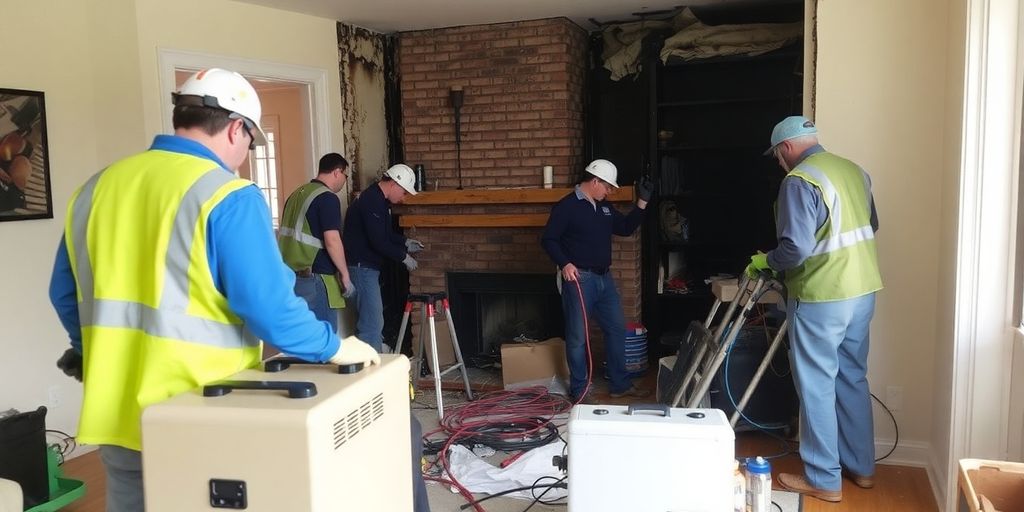
When a fire hits your home, the first step in the restoration process is a thorough evaluation of the damage. This initial assessment is vital as it lays the groundwork for a customized plan to tackle the damage. Professionals will inspect how far the fire, smoke, and even water have reached within the structure. They’ll check the walls, ceilings, and floors, and decide which items can be saved and which are beyond repair. This step helps in estimating the cost and timeline for the entire restoration process.
Removal of Damaged Materials
After assessing the damage, the next step is to clear out the damaged materials. This involves salvaging items that can be restored and safely disposing of those that can’t be saved. The goal here is to create a clean slate for the restoration work. Removing debris not only makes the site safer but also speeds up the process.
Water Extraction and Drying
Fires often leave behind water damage due to firefighting efforts. Extracting water and drying out the property is crucial to prevent further damage like mold growth. Restoration teams use specialized equipment to remove water and dry out the structure. This step ensures a stable foundation for the next phases of restoration.
Cleaning and Decontamination
Once the area is dry, cleaning and decontamination begin. This involves removing soot, smoke residues, and any lingering odors. Professionals use various techniques to make sure the space is safe and habitable again. It’s about erasing both visible and invisible traces of the fire.
"Restoring a home after a fire isn’t just about repairs; it’s about bringing back a sense of normalcy and safety."
For more detailed steps on fire damage restoration, you might want to check out this comprehensive guide.
Choosing the Right Fire Damage Restoration Professionals
Evaluating Credentials and Experience
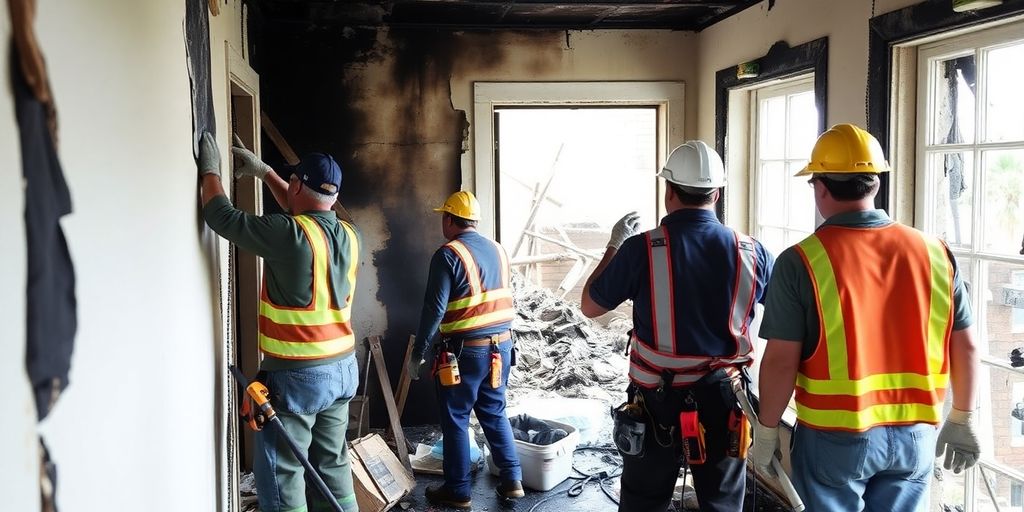
When it comes to picking a fire damage restoration team, experience really matters. You want a company that has been around the block and knows their stuff. Look for credentials like IICRC certification, which shows they have the proper training and insurance. Don’t hesitate to ask about their past projects, especially ones similar to yours. Sometimes, their expertise isn’t clearly stated online, so it’s a good idea to contact them directly to inquire about their past involvement in similar situations.
Understanding Service Offerings
A solid restoration company should offer a comprehensive range of services. This includes everything from securing your property with boards and tarps to full-scale reconstruction. Make sure they can handle water removal, soot cleaning, and even deodorizing your home. It’s not just about fixing what’s broken but making sure your home feels like home again.
Checking Reviews and References
Before signing anything, dive into online reviews. What are past clients saying? Good reviews can give you peace of mind, but be wary of companies with a lot of negative feedback. Sometimes, your insurance company might recommend a service, but it’s always best to do your own homework. Personal references are gold, so if you know someone who’s been through this, ask them who they used.
Insurance and Financial Considerations
Understanding how your insurance works with the restoration process is crucial. Some services might be covered, while others aren’t. Be clear about what’s included in your policy to avoid unexpected bills. A good restoration company will work directly with your insurance, easing the stress on your end. Always read the contract carefully and understand your financial responsibilities before the work begins.
Picking the right fire damage restoration professionals is like finding a good partner. They should make you feel secure and confident during a tough time, handling the chaos while you focus on getting back to normal.
Securing Your Property Post-Fire
After a fire, it’s vital to take immediate steps to secure your property. This not only protects the structure but also prevents further damage. Here are some essential actions to consider:
Boarding Up and Tarping
- Board up windows and doors to deter vandalism and theft.
- Use tarps to cover any roof damage, preventing water intrusion from rain.
- Ensure that all openings are sealed to keep out pests and weather.
Installing Security Fencing
- Erect temporary fencing around the property to keep unauthorized individuals out.
- This is especially important if the building is in a vulnerable state.
- Consider hiring a security service for added protection during the restoration process.
Preventing Weather Damage
- Check for any areas where water could enter the property, like broken windows or doors.
- Use sandbags or other barriers to redirect water away from the house if necessary.
- Regularly inspect the property for new vulnerabilities as restoration progresses.
Protecting Unaffected Areas
- Seal off areas of the home that were not affected by the fire to avoid contamination.
- Use plastic sheeting or similar materials to create barriers.
- This helps preserve the integrity of unaffected spaces during the restoration process.
Taking proactive steps to secure your property can make a significant difference in the restoration timeline and costs.
By following these strategies, you can help ensure that your home remains safe and secure while you begin the restoration journey. For comprehensive fire damage restoration services, consider reaching out to professionals who can assist you in this challenging time.
Effective Cleaning and Decontamination Techniques
When a fire hits your home, cleaning up the mess isn’t just about tidying up. It’s about getting rid of all that soot, smoke, and water damage. This process is crucial to making your home livable again. Let’s dig into the effective techniques you should know about.
Removing Soot and Smoke Residues
Soot can be a real pain. It’s oily and can leave nasty stains on anything it touches. Don’t try wiping it off yourself because you’ll likely make it worse. Instead, professionals use heavy-duty vacuums to carefully suck up the soot without rubbing it in. They may also use chemical sponges to clean surfaces without causing further damage.
Deodorizing the Property
Smoke smell isn’t just in the air—it’s in everything. To get rid of it, restoration services use an ozone generator. This machine creates an oxidizing agent that helps neutralize odors. Sometimes, they’ll also use thermal fogging, which involves heating a deodorizing solution to penetrate deep into the walls and floors, reaching places that regular cleaning can’t.
Sanitizing Salvageable Items
Not everything is a lost cause after a fire. Items that can be saved go through a thorough cleaning process. This might include ultrasonic cleaning for things like electronics and specialized dry cleaning for fabrics. The goal is to remove any lingering smoke or soot and make these items safe to use again.
Using Specialized Equipment
Fire restoration isn’t just about elbow grease—it’s about using the right tools. You’ll see a lot of gear like HEPA vacuums, air scrubbers, and dehumidifiers. These tools help in removing airborne particles, cleaning the air, and drying out the structure to prevent mold growth. Water extraction services also play a key role in this process, ensuring your home is dry and mold-free.
The aftermath of a fire can be overwhelming. But with the right techniques and tools, your home can be restored to its former glory. Remember, thorough cleaning and decontamination are essential steps in making your house safe and comfortable again.
Reconstruction and Repairs After Fire Damage
Planning the Reconstruction Phase
After a fire, getting your home back to its original state is a huge task, but it starts with a solid plan. Planning the reconstruction phase is all about setting clear goals and timelines. You’ll want to work closely with your contractor to outline what needs to be done. This includes everything from rebuilding walls and ceilings to replacing flooring and fixtures. Remember, it’s not just about aesthetics—it’s about making sure your home is safe and up to code.
Coordinating with Contractors
Finding the right people to help you rebuild is crucial. You’ll need to coordinate with various contractors, like carpenters, electricians, and plumbers. Make sure everyone is on the same page to avoid delays. It might help to have a project manager or a lead contractor to oversee the whole process. This way, you can ensure that everything is being done efficiently and correctly.
Ensuring Code Compliance
When you’re rebuilding, you have to make sure everything meets the current building codes. This is not just a legal requirement, but it’s important for your safety too. Work with your contractors to understand what needs to be done to comply with local regulations. Sometimes, this might mean upgrading certain materials or systems to meet new standards.
Final Inspections and Approvals
Before you can move back in, your home will need to pass a final inspection. This is where officials check to make sure everything is up to code and safe for occupancy. Don’t rush this step; it’s essential for your peace of mind. Once you get the green light, you can finally start moving back in and getting back to normal life.
Rebuilding after a fire is more than just construction; it’s about restoring a sense of normalcy and safety. Take it one step at a time, and soon enough, your home will be back to its former glory.
Preventing Future Fire Incidents
Installing Smoke Detectors and Alarms
Having smoke detectors and alarms in your home is like having a personal fire department on standby. They are your first line of defense against unexpected fires. Install them in every bedroom, outside sleeping areas, and on every level of your home, including the basement. Remember, the kitchen alarm should be at least 10 feet away from the stove to avoid false alarms. Check these alarms monthly and replace the batteries annually, unless they’re equipped with a 10-year battery.
Creating a Fire Escape Plan
A fire escape plan is essential for ensuring everyone’s safety during an emergency. Gather your family and map out an escape route for each room. Practice this plan twice a year, making sure everyone knows how to get out quickly and safely. Designate a meeting spot outside your home to account for everyone. This simple preparation can make a huge difference in a crisis.
Regular Maintenance and Inspections
Regularly check your home for potential fire hazards. Inspect cords and replace any that are frayed or worn. Be cautious with portable space heaters, keeping them at least three feet away from anything flammable. Also, have your wood stove pipes and chimneys cleaned and inspected annually to prevent creosote buildup, which can ignite.
Educating Family Members on Fire Safety
Education is key to preventing fires. Teach your family about the dangers of fire and how to avoid them. Discuss the importance of staying in the kitchen while cooking and keeping grills at least 10 feet away from the house. Make sure everyone knows not to leave candles unattended and to store matches and lighters out of children’s reach. By staying informed, you empower your family to act safely and responsibly in fire-prone situations.
Taking these steps can significantly reduce the risk of fire in your home. It’s about being proactive and ensuring your family is prepared for any situation. Fires can be devastating, but with the right precautions, you can help prevent them from happening in the first place.
To stop future fire accidents, it’s important to take some simple steps. Make sure your smoke alarms work, keep flammable items away from heat sources, and have a fire escape plan ready. For more tips and help, visit our website today!
Conclusion
Wrapping up the journey of restoring a fire-damaged home, it’s clear that the process can be quite the rollercoaster. From assessing the damage to choosing the right professionals, each step is crucial in bringing your home back to life. It’s not just about fixing walls and floors; it’s about reclaiming your space and peace of mind. Remember, while it might seem overwhelming, taking it one step at a time and leaning on experts can make all the difference. In the end, patience and persistence are your best allies in this restoration adventure. So, hang in there, and soon enough, your home will be as good as new.
Frequently Asked Questions
What should I do right after a fire in my home?
First, make sure everyone is safe and call the fire department if needed. Once the fire is out, don’t enter the house until it’s declared safe. Then, contact your insurance company and start looking for a fire damage restoration service.
How do I choose the right fire damage restoration company?
Look for a company with good reviews, proper licenses, and insurance. Check if they have experience with fire damage and can work with your insurance. It’s also important to feel comfortable communicating with them.
Can I clean up fire damage myself?
While you can handle minor cleaning, it’s best to hire professionals for major fire damage. They have the right tools and knowledge to safely and effectively restore your home.
What happens during the fire damage restoration process?
The process usually involves assessing the damage, removing damaged items, drying out the area, cleaning soot and smoke, and eventually rebuilding any destroyed parts.
How long does fire damage restoration take?
The time it takes depends on the extent of the damage. It can range from a few days for minor damage to several months for major restoration projects.
Will my insurance cover fire damage restoration costs?
Most homeowner insurance policies cover fire damage restoration, but it’s important to check your specific policy details. Your insurance company can guide you on what’s covered and what isn’t.