
Water damage can happen in the blink of an eye. Whether it’s a burst pipe, a leaky roof, or a natural disaster, the aftermath can be overwhelming. Acting fast is key to minimizing the damage, and knowing what to do can make all the difference. This guide will walk you through essential strategies for effective water restoration, helping you get your home back to normal as quickly as possible.
Key Takeaways
- Act quickly to minimize water damage and prevent mold growth.
- Always prioritize safety by wearing protective gear and shutting off electricity in affected areas.
- Use the right tools for water extraction and drying to ensure thorough restoration.
- Document all damage for insurance claims with photos and a detailed inventory.
- Know when to call in professionals to handle severe water damage situations.
Understanding Water Damage
Water damage is a common issue many homeowners face, and it can stem from various sources. Whether it’s a leaky roof, a burst pipe, or a natural disaster like a flood, understanding the different aspects of water damage is crucial for effective restoration.
Types and Causes of Water Damage
Water damage can occur due to several reasons, and knowing the source is the first step in addressing it. Common causes include:
- Floods: Often caused by heavy rain or natural disasters, floods can lead to significant water damage.
- Leaks: These can come from plumbing issues, roofs, or even appliances like dishwashers and washing machines.
- Sewage Backups: This is not only damaging but also poses serious health risks.
- Storms: Heavy storms can damage roofs and windows, leading to water intrusion.
By identifying the cause, homeowners can take appropriate steps to mitigate damage and prevent future incidents.
Categories of Water Damage
Water damage is classified into three categories, each with different implications for cleanup and restoration:
- Clean Water: Originates from sources like broken pipes or rainwater. It’s the least harmful but should still be addressed promptly to prevent escalation.
- Gray Water: Comes from appliances like sinks and showers. It may contain contaminants and requires careful handling.
- Black Water: This is highly contaminated water from sources like sewage or floods. It poses severe health risks and requires professional cleanup.
Understanding these categories helps in determining the right approach to restoration and ensuring safety.
Health Hazards Associated with Water Damage
Water damage isn’t just about structural issues; it also brings health risks. Standing water and excess moisture create an ideal environment for mold growth, which can lead to respiratory problems and other health issues. Immediate action is essential to minimize these risks.
Furthermore, contaminated water, especially from black water sources, can introduce harmful bacteria and pathogens into the home. It’s vital to handle such situations with caution and seek professional help when necessary.
"Taking quick action can prevent long-term damage and health issues, making it a crucial step in water damage restoration."
Immediate Steps for Water Damage Restoration
When water damage strikes, acting fast is key. Your first move should always be about safety. Here’s what you need to do:
Ensuring Personal Safety
- Cut the Power: Turn off electricity in the affected areas to avoid any electrical hazards. Water and electricity are a dangerous mix.
- Avoid Contact with Water: If the water is contaminated, like from sewage, keep away until professionals handle it.
- Use Protective Gear: Wear gloves, masks, and waterproof boots to protect yourself from contaminants.
Safety comes first. Before diving into restoration, make sure everyone is out of harm’s way.
Mitigation Techniques to Minimize Damage
- Stop the Water Source: If possible, fix leaks or shut off the water supply to prevent more flooding.
- Move Valuables: Get furniture, electronics, and other valuables out of harm’s way.
- Ventilate the Area: Open windows and doors to help dry things out and reduce humidity.
Contacting Professionals for Emergency Assistance
Sometimes, it’s best to call in the experts. Trusted brands for water damage restoration can handle the heavy lifting with their specialized equipment and know-how. They offer emergency services that can quickly extract water, dry out your home, and prevent mold growth.
Remember, quick action can save you a lot of trouble down the line. By following these steps, you can minimize damage and start the recovery process on the right foot.
Essential Tools for Water Restoration
Water damage can be a real headache, and having the right tools on hand is key to tackling the mess. Let’s dive into the essential tools for effective water restoration, breaking it down into three main categories.
Water Extraction Tools
Getting rid of standing water fast is critical to preventing further damage. Here’s what you might need:
- Pumps: These are great for moving large amounts of water out of your space quickly.
- Wet/Dry Vacuums: These versatile tools can handle both water and debris, making them perfect for cleaning up after a flood.
- Squeegees and Mops: While not as high-tech, these can help with smaller areas or finishing touches.
Drying and Dehumidifying Equipment
Once the water’s gone, you’ve got to dry things out to stop mold and other problems.
- Fans: Simple yet effective, fans help circulate air to speed up drying.
- Dehumidifiers: These pull moisture from the air, crucial for preventing mold.
- Air Movers: These are like super fans, boosting airflow to dry things faster.
Remember, drying thoroughly is just as important as removing the water in the first place.
Cleaning and Disinfecting Tools
After extracting the water and drying everything out, it’s time to clean and disinfect the area.
- Disinfectants and Sanitizers: Essential for killing any germs or bacteria left behind.
- Cleaning Solutions: Use these to scrub down surfaces and remove any remaining dirt and grime.
- HEPA Vacuums: Perfect for ensuring a thorough cleanup, especially in areas that might have mold or other allergens. Respirators and protective suits may also be needed to protect yourself during this process.
Each of these tools plays a role in making sure your water restoration efforts are as effective as possible. Whether you’re handling a small leak or a major flood, having the right equipment can make all the difference.
Water Damage Assessment and Restoration Process
Moisture Detection Techniques
The first step in tackling water damage is figuring out exactly where the moisture is hiding. Moisture detection is key to understanding the extent of the problem. Tools like moisture meters and infrared cameras are essential for this task. They help spot hidden moisture behind walls and under floors, which is crucial for preventing further damage. It’s like being a detective, but instead of finding clues, you’re finding water.
Drying Techniques and Equipment
Once you’ve pinpointed the moisture, it’s time to dry things out. This involves using a variety of tools and techniques. Air movers and dehumidifiers are your best friends here. They help circulate air and remove excess moisture from the environment. Sometimes, specialized drying mats are used for floors. The goal is to get everything as dry as possible to prevent issues like mold. It’s a process that requires patience and persistence.
Restoration Techniques for Different Materials
After drying, the next step is restoration. This can vary depending on the materials affected. For example, wood might need refinishing, while drywall might need replacing. Flooring could require a complete overhaul or just a good cleaning. The important thing is to assess each material and decide the best course of action. It’s about making the space not just livable again, but as good as new.
Act quickly to minimize damage and health risks. Delays can lead to mold and increased costs. Remember, the sooner you start, the better.
By following a thorough assessment and restoration process, you can effectively tackle water damage and bring your property back to its original condition. For more on how the water damage restoration process begins with mitigation, focusing on initial assessment and water extraction, check out our detailed guide.
Importance of Quick Action in Water Restoration
Preventing Mold Growth
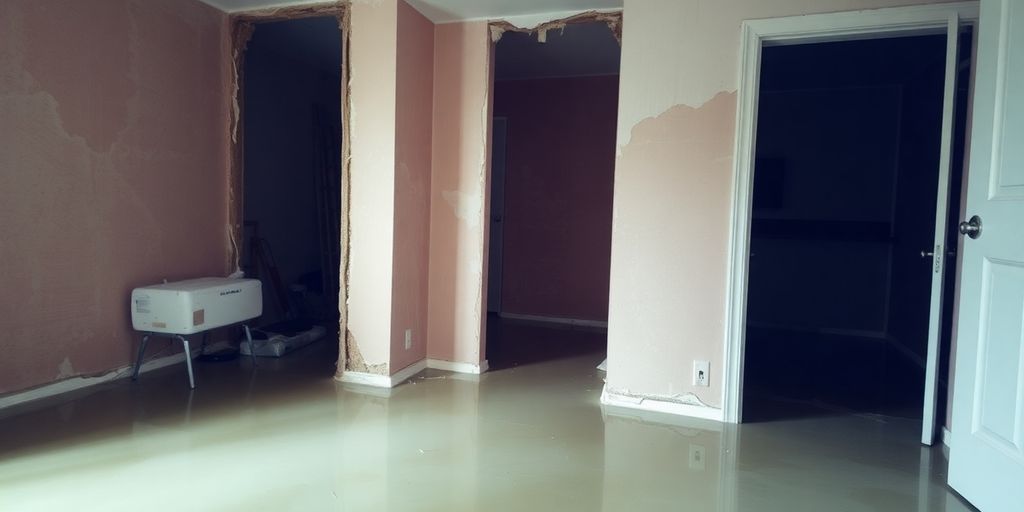
When water damage occurs, the clock starts ticking. Mold can begin to grow in as little as 24 to 48 hours after water intrusion. Mold not only damages the surfaces it grows on but can also pose health risks to those exposed. Quick action in drying and cleaning affected areas can prevent mold spores from taking hold and spreading throughout your home. It’s critical to act fast to keep your living space safe and healthy.
Minimizing Structural Damage
Water can be a silent destroyer. It seeps into walls, floors, and ceilings, weakening structural integrity. If not addressed promptly, this can lead to significant damage, compromising the safety of your home. Fast response is essential to minimize damage and costs in McKinney homes, allowing you to salvage personal belongings and furniture. By acting quickly, you can reduce the need for extensive repairs and maintain the structural soundness of your property.
Reducing Restoration Costs
Delaying water damage restoration can lead to escalating costs. The longer water sits, the more damage it causes, and the more expensive the restoration becomes. Acting promptly not only saves money by reducing the extent of the damage but also increases the chances of salvaging more of your belongings. Swift action can significantly lower the overall costs associated with water damage repair, making it a financially smart decision.
DIY Water Damage Restoration Tips
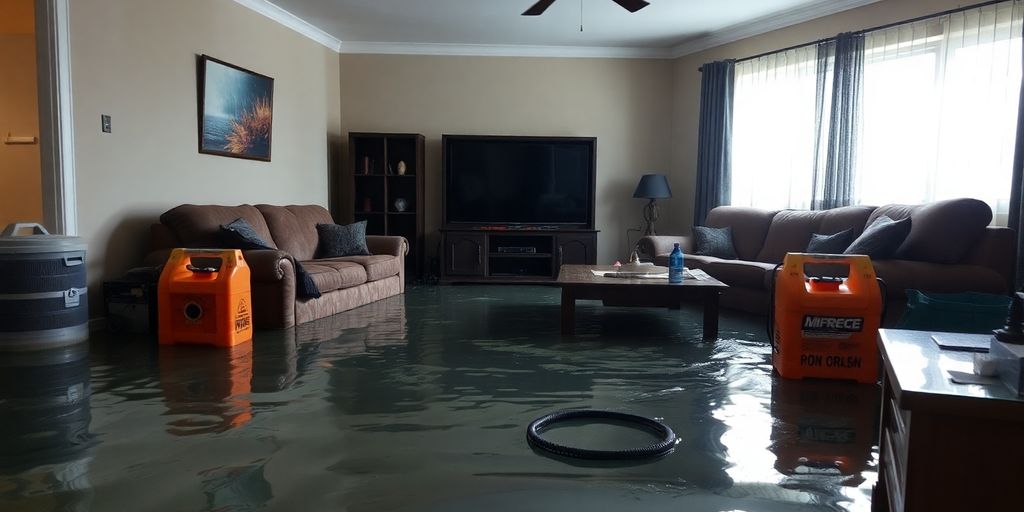
Water damage can be a real headache, but tackling it yourself can save some cash and give you a sense of accomplishment. Here’s how to get started with DIY water damage restoration.
Safety Equipment and Precautions
Before diving into the cleanup, ensure you’re protected. Always prioritize safety by using the right gear. Here’s what you’ll need:
- Gloves: Protect your hands from contaminated water.
- Masks: Prevent inhaling harmful mold spores or dust.
- Goggles: Keep your eyes safe from splashes and debris.
Make sure to turn off electricity in affected areas to avoid any nasty shocks.
Effective Water Removal Methods
Getting rid of water quickly is key to preventing further damage. Here’s how to do it:
- Use a wet/dry vacuum to suck up standing water. It’s great for carpets and floors.
- For smaller areas, buckets and mops can do the trick.
- Squeegees are handy for pushing water towards your vacuum or out the door.
Act fast! Water left unattended can lead to mold growth within 24-48 hours.
When to Seek Professional Help
Sometimes, the damage is just too much for a DIY approach. Consider calling in the pros if:
- The water damage is extensive or involves sewage (black water).
- You’re dealing with mold that covers a large area.
- Structural damage is evident, like warping floors or sagging ceilings.
Taking on water damage yourself can be rewarding, but knowing when to call a professional is just as important. Don’t hesitate to reach out for help if the situation is beyond your control.
For more detailed guidance on handling water damage, including steps like turning off the water supply and documenting damage, check out our service guide on managing water damage.
Documenting Water Damage for Insurance
When water damage hits, one of the first things you need to do is document everything. This is crucial for filing insurance claims and getting the compensation you need to fix things up. Let’s break down how to do this effectively.
Photographing and Recording Damage
Right after you notice the damage, grab your camera or smartphone. Take clear photos and videos of all affected areas. Capture the extent of the damage from multiple angles. Don’t forget to include close-ups of specific items or areas that are particularly damaged. These visuals serve as evidence when you file your claim.
Listing Damaged Items
Create a detailed list of everything that’s been damaged. Include furniture, electronics, clothing, and any other personal items. For each item, note its condition before the damage, its current state, and its approximate value. This list will help your insurance adjuster understand the full scope of the loss.
Filing Insurance Claims Promptly
Once you have your documentation ready, contact your insurance company without delay. Provide them with all the photos, videos, and lists you’ve compiled. It’s a good idea to keep copies of everything for your records. The sooner you start the claims process, the quicker you can get the necessary funds to begin restoration.
Tip: Being thorough and prompt in documenting water damage can significantly ease the claims process. It ensures that you have all the necessary information ready when your insurance adjuster assesses the situation.
If your home has suffered from water damage, it’s crucial to document everything for your insurance claim. Take clear photos and videos of the affected areas, and make a list of damaged items. This will help you get the compensation you deserve. For more tips and assistance, visit our website today!
Wrapping It Up
So, there you have it. Water damage restoration isn’t just about fixing what’s broken; it’s about acting fast and smart. Whether you’re dealing with a burst pipe or a leaky roof, the key is to jump into action quickly. Remember to assess the damage, gather the right tools, and don’t hesitate to call in the pros if things get out of hand. Safety should always come first, so gear up properly before diving in. With the right approach, you can save your home from further damage and maybe even save a few bucks along the way. Keep these strategies in mind, and you’ll be better prepared for whatever water woes come your way.
Frequently Asked Questions
What are the first steps to take when I notice water damage?
Start by ensuring your safety first. Turn off electricity in affected areas and avoid contact with standing water. Then, try to stop the water source if possible and contact professionals for help.
Can I handle water damage restoration by myself?
Yes, for minor water damage, you can use tools like wet/dry vacuums and fans. But for severe cases, it’s best to call professionals to prevent further damage.
Why is quick action important in water damage situations?
Quick action helps prevent mold growth, reduces structural damage, and lowers restoration costs. The longer water sits, the worse the damage can become.
What tools are essential for water damage restoration?
You’ll need water extraction tools like pumps and vacuums, drying equipment like fans and dehumidifiers, and cleaning supplies like disinfectants.
How do I document water damage for insurance purposes?
Take photos and videos of the damage, make a list of damaged items, and keep all related receipts. Contact your insurance company to start the claims process.
When should I call professionals for water damage restoration?
If the water damage is extensive, involves contaminated water, or if you’re unsure about handling it safely, it’s best to call professionals.