
Owning a home is great, but it comes with its own set of challenges. You’ve got to keep up with repairs, and sometimes, it’s hard to know where to start. From fixing leaks to dealing with electrical issues, there’s a lot to learn. But don’t worry, with a few basic tools and some know-how, you can tackle most problems yourself. And knowing when to call in a pro can save you time and money. Let’s dive into some home repair tips that every homeowner should have in their back pocket.
Key Takeaways
- Understand the basics of common home repairs like fixing leaks and electrical problems.
- Keep a set of essential tools handy for quick fixes around the house.
- Regular maintenance can prevent bigger issues down the line.
- Know when it’s time to call in a professional for help.
- Make your home more energy-efficient to save on bills.
Understanding Common Home Repairs
Identifying Leaks and Water Damage
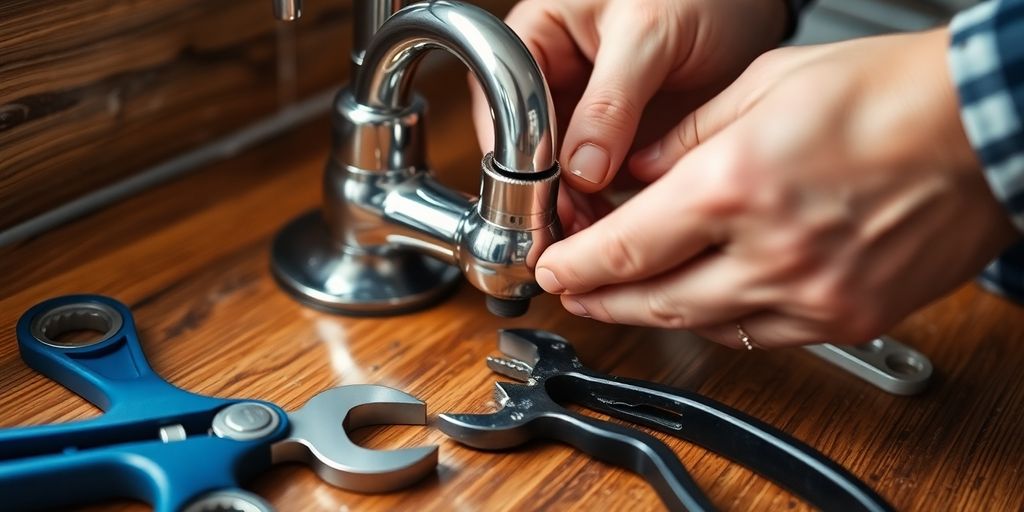
Water damage is like that silent enemy you don’t see coming until it’s too late. Spotting leaks early can save you a ton of trouble. Look for telltale signs like water stains on ceilings or walls and that musty smell that screams mold. Check under sinks and around toilets for any dampness. If you spot a leak, act fast. Turn off the water supply and dry the area. Sometimes, a little detective work is needed to find the source, so don’t be afraid to dig around.
Fixing Cracks in Walls
Cracks in walls can be more than just an eyesore—they might hint at bigger issues. Start by assessing the size and location of the crack. Hairline cracks are usually harmless and can be fixed with a bit of spackling paste. For larger cracks, you might need to reinforce them with mesh tape before applying compound. Here’s a quick rundown:
- Clean the crack to remove any loose debris.
- Apply mesh tape over the crack if it’s more than a hairline.
- Use a putty knife to spread spackling compound over the tape.
- Sand it smooth once dry, and then paint over it.
Addressing Electrical Issues
Electricity is one of those things you don’t want to mess around with unless you know what you’re doing. Flickering lights or outlets that don’t work might be signs of a bigger problem. Always start by checking the circuit breaker to see if a switch has tripped. If you’re comfortable, you can replace a faulty outlet or light switch, but remember, safety first. Turn off the power at the breaker box before you start any work. For anything more complicated, like frequent breaker trips or buzzing noises, it’s best to call a professional to avoid any shocks or fires.
Home repairs can seem daunting at first, but with a little patience and the right approach, you can tackle many issues on your own. Remember, the key is to stay calm and take it one step at a time.
Essential Tools for Home Repairs
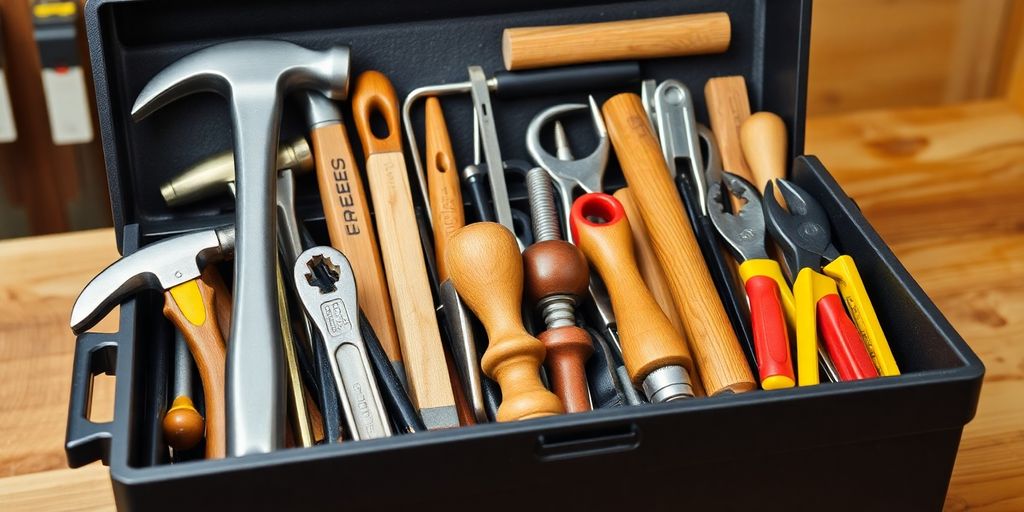
When it comes to home repairs, having the right tools can make all the difference. Whether you’re hanging a picture frame or fixing a leaky faucet, a well-stocked toolbox is your best friend. Let’s break down the must-have tools every homeowner should consider.
Must-Have Hand Tools
Hand tools are the backbone of any repair kit. Every homeowner should have a basic set of hand tools to tackle common tasks. Here’s a list of essentials:
- Hammer: Useful for everything from hanging pictures to assembling furniture.
- Wire cutters and strippers: These are crucial for any electrical work or craft projects.
- Screwdrivers: A set with various sizes and types, like flathead and Phillips, is indispensable.
- Tape Measure: Accurate measurements are key to any successful project.
- Adjustable Wrench: Great for plumbing tasks or when you need to tighten bolts.
Power Tools for Efficiency
Power tools can speed up your repairs and make tough jobs easier. While they might seem intimidating at first, they are worth the investment for frequent DIYers:
- Cordless Drill: This is probably the most versatile power tool you can own. Perfect for drilling holes and driving screws.
- Circular Saw: Ideal for cutting wood, whether you’re building a deck or crafting a shelf.
- Jigsaw: Useful for cutting shapes and curves in wood.
- Power Sander: Saves time and effort when smoothing surfaces.
Safety Gear and Equipment
Safety should always come first in any home repair project. Investing in proper safety gear can prevent accidents and injuries:
- Safety Glasses: Protect your eyes from dust, debris, and splinters.
- Gloves: Keep your hands safe from cuts and bruises.
- Ear Protection: Essential when using loud power tools.
- Dust Masks: Important for projects that create dust, like sanding or cutting wood.
Having the right tools and safety equipment not only makes repairs easier but also safer. Don’t underestimate the power of a well-prepared toolbox.
Maintenance Tips for Homeowners
Regular HVAC System Checks
Keeping your HVAC system in good shape isn’t just about comfort—it’s about efficiency and longevity. Schedule regular check-ups at least twice a year, ideally before the summer and winter months kick in. This helps catch issues early, like clogged filters or strange noises, which can lead to bigger problems down the line. Here’s what to keep an eye on:
- Change the air filters every 1-3 months, depending on usage.
- Inspect the thermostat settings to ensure they’re correct.
- Check the outdoor unit for debris or blockages.
Gutter Cleaning and Maintenance
Gutters might not be glamorous, but they’re crucial for protecting your home from water damage. Make gutter cleaning a priority twice a year, especially in the spring and fall. A blocked gutter can lead to leaks, foundation problems, and even pest infestations. Remember to:
- Remove leaves and debris regularly.
- Ensure gutters are securely attached and not sagging.
- Check for rust or holes that might need patching.
Inspecting Roofs and Exteriors
Your home’s roof and exterior walls are its first line of defense against the elements. Regular inspections can prevent small issues from becoming costly repairs. Walk around your home every few months to look for:
- Missing or damaged shingles.
- Cracks in the siding or foundation.
- Signs of water damage or mold.
"A little maintenance goes a long way in keeping your home safe and sound."
For homeowners facing more serious issues, like structural damage or water problems, Ruach Home Services can provide expert assistance and reliable restoration solutions. They offer professional services that ensure your home remains in top condition.
DIY vs. Professional Help
When to Call a Professional
Sometimes, tackling a home repair yourself sounds like a great idea, but knowing when to call a professional is crucial. If you’re dealing with electrical work, structural changes, or anything involving gas lines, it’s best to leave it to the experts. These tasks can be dangerous if not handled properly. For instance, Ruach Home Services specializes in comprehensive home remodeling, including managing complex structural changes. They can ensure the job is done safely and efficiently.
Cost-Effective DIY Solutions
Doing it yourself can save you money, but only if you know what you’re doing. Here are some tasks you might want to try:
- Painting: It’s simple, and with the right prep, you can achieve a professional look.
- Minor Plumbing: Fixing a leaky faucet or replacing a showerhead can be done with minimal tools.
- Basic Landscaping: Planting flowers or trimming bushes can be a fun weekend project.
Assessing Your Skill Level
Before you dive into a DIY project, assess your skill level. Ask yourself these questions:
- Do I have the necessary tools?
- Have I done something similar before?
- Do I understand the steps involved?
If you can confidently answer "yes" to these, then go ahead! But if you’re unsure, it might be wise to consult a professional first.
Taking on a home repair by yourself can be satisfying and cost-effective, but knowing your limits is key to avoiding bigger issues down the line. Sometimes, the best decision is to call in the pros.
Seasonal Home Repair Tips
Preparing for Winter Weather
Getting your home ready for winter is all about keeping it warm and safe. Start by sealing up any drafts around windows and doors. You’d be surprised how much heat can escape through those little gaps. Insulating your pipes is another must-do. It helps prevent them from freezing and bursting when temperatures drop. Also, check your heating system. Make sure it’s running smoothly before the cold really hits.
- Seal windows and doors
- Insulate pipes
- Check heating system
Spring Cleaning and Repairs
Spring is the perfect time to give your home a thorough check-up. Inspecting the roof for any damage from winter storms is a good start. Clean out the gutters to prevent water damage, and don’t forget to replace those HVAC filters. They can get pretty clogged up over the winter. Also, take a look at the dryer vent and the washing machine fill hose to make sure everything’s working as it should.
- Inspect roof
- Clean gutters
- Replace HVAC filters
- Check dryer vent and washing machine fill hose
Summer Maintenance Tasks
Summer’s all about keeping your home cool and your garden looking good. Start by checking your air conditioning unit. Clean or replace the filters to keep it running efficiently. It’s also a good time to tackle any outdoor painting projects. The warm, dry weather is ideal for paint to dry quickly and evenly. Lastly, give your lawn and garden some love. Regular watering and mowing will keep them looking lush and healthy.
- Check air conditioning unit
- Outdoor painting projects
- Lawn and garden care
Seasonal maintenance might seem like a chore, but it’s worth it. A little effort now can save you from bigger headaches down the line. Plus, it keeps your home looking and feeling great all year round.
Energy Efficiency Improvements
Improving energy efficiency in your home isn’t just about saving money on your utility bills—it’s also about making your home more comfortable and reducing your environmental footprint. Here are some practical tips to get you started.
Sealing Drafts and Air Leaks
One of the easiest ways to improve energy efficiency is by sealing drafts and air leaks. Drafts can significantly increase your heating and cooling costs, so it’s important to address them. Here are some steps you can take:
- Use weatherstripping around doors and windows to keep air from escaping. This can be a simple DIY project that pays off quickly.
- Apply caulk to seal gaps and cracks around windows, doors, and other openings like electrical outlets.
- Consider using a draft stopper at the bottom of doors to prevent cold air from entering.
Upgrading Insulation
Upgrading your home’s insulation is another effective way to enhance energy efficiency. Insulation keeps your home warmer in the winter and cooler in the summer. Here are a few things to consider:
- Check the insulation in your attic, walls, and floors to ensure it’s adequate for your climate.
- Consider adding more insulation if your current levels are below the recommended R-value for your area.
- Look into newer insulation materials that offer better efficiency compared to older types.
Choosing Energy-Efficient Appliances
When it’s time to replace old appliances, consider energy-efficient models. They might cost more upfront, but they save money in the long run. Here’s what to look for:
- Look for the ENERGY STAR label, which indicates the appliance meets energy efficiency guidelines.
- Compare the EnergyGuide labels on similar products to find the most efficient option.
- Consider the size and capacity of the appliance to ensure it fits your needs without wasting energy.
Making small changes in your home can lead to significant savings and a more comfortable living environment. By focusing on energy efficiency, you’re not just saving money—you’re also contributing to a healthier planet.
For more practical tips on enhancing home energy efficiency, including applying weatherstripping to windows and doors, check out 21 practical tips for enhancing home energy efficiency.
Safety Precautions in Home Repairs
Understanding Basic Safety Protocols
When tackling home repairs, it’s important to remember that safety should always come first. Before starting any project, make sure you understand the basic safety protocols. This means knowing the right way to handle tools and materials, and being aware of any potential hazards in your work area. Always read the instructions and warnings on any products you use. If you’re not sure about something, don’t hesitate to ask for help or do a little research.
Using Tools Safely
Using tools might seem straightforward, but it’s easy to make mistakes if you’re not careful. Here are a few tips to keep in mind:
- Inspect your tools before use to ensure they are in good condition. Damaged tools can be dangerous.
- Always wear the right protective gear, like gloves and goggles, to prevent injuries.
- Make sure your work area is well-lit and organized to avoid accidents.
Emergency Preparedness
Even with the best precautions, accidents can still happen. That’s why it’s crucial to be prepared for emergencies:
- Keep a first aid kit handy and know how to use it.
- Have emergency contact numbers readily available, including medical services and Ruach Home Services for any urgent plumbing needs.
- Know the location of your home’s main power and water shutoff valves.
Taking the time to prepare and understand safety measures can make a big difference in preventing injuries and ensuring that your home repair projects go smoothly. Remember, it’s better to be safe than sorry.
When fixing things around the house, safety should always come first. Make sure to wear the right gear, like gloves and goggles, to protect yourself. If you’re unsure about a task, don’t hesitate to ask for help or hire a professional. For more tips and guidance on home repairs, visit our website today!
Wrapping It Up
So there you have it, folks. Home repairs might seem like a mountain at first, but with a little patience and some elbow grease, you can tackle most of them. Remember, it’s all about taking it one step at a time. Don’t rush it. Whether you’re fixing a leaky faucet or patching up a wall, the key is to stay calm and keep trying. Sure, you might mess up a few times, but that’s part of the learning process. And hey, if things get too tricky, there’s no shame in calling in a pro. At the end of the day, maintaining your home is all about keeping it safe and comfy for you and your family. So grab your toolbox and get started. You’ve got this!
Frequently Asked Questions
How can I find leaks in my home?
To find leaks, check for damp spots, stains, or mold on walls and ceilings. You can also listen for dripping sounds or look for puddles of water.
What tools should I have for home repairs?
You should have basic hand tools like a hammer, screwdriver, and wrench. Power tools like a drill can also be helpful. Don’t forget safety gear like gloves and goggles.
How often should I check my HVAC system?
It’s a good idea to check your HVAC system at least twice a year, in the spring and fall. Regular checks help keep it running smoothly.
When should I hire a professional for home repairs?
Hire a professional if the repair involves complex tasks, like electrical work or major plumbing issues. If you’re unsure about your skills, it’s safer to call an expert.
What are some easy DIY projects for beginners?
Beginners can try simple projects like painting a room, fixing small wall cracks, or installing shelves. These projects are a good way to learn basic repair skills.
How can I make my home more energy-efficient?
Seal drafts around windows and doors, add insulation, and use energy-efficient appliances. These changes can help save money on energy bills.