
Mold in your home is more than just an eyesore; it can pose serious health risks and damage your property. While some folks might think about tackling mold themselves, professional mold restoration services offer the expertise and tools needed to do the job right. This guide will walk you through everything from understanding mold to choosing the right service provider, ensuring your home stays safe and healthy.
Key Takeaways
- Mold can cause health problems and damage your home if not handled properly.
- Professional mold services use advanced techniques and tools to effectively remove mold.
- DIY prevention can help, but experts are crucial for large-scale mold issues.
- Certified mold specialists ensure a thorough and safe cleanup process.
- Choosing the right service provider involves checking credentials and asking the right questions.
Understanding Mold and Its Impact on Your Home
Common Types of Mold Found Indoors
Mold is a sneaky invader that can make its way into your home, causing all sorts of trouble. There are a few types you might come across indoors. Aspergillus is one of the usual suspects, often lurking in damp places like basements and bathrooms. It can mess with your allergies and breathing. Then there’s Cladosporium, which isn’t picky about temperature—it can pop up on wood, carpets, or fabrics, leading to similar health issues. And let’s not forget about Stachybotrys, or "black mold," which is infamous for its dark color and potential to cause serious health problems. It loves moisture, hiding behind walls or under carpets. Lastly, Penicillium is a fast spreader, often found on water-damaged materials like wallpaper and insulation, and can also cause respiratory issues.
Health Risks Associated with Mold Exposure
Breathing in mold spores can be bad news, especially if you have asthma, allergies, or a weak immune system. You might start sneezing, coughing, or dealing with a stuffy nose. Your eyes could get itchy and watery, and skin rashes aren’t uncommon. Long-term exposure to toxic molds like Stachybotrys can lead to more serious issues, including chronic respiratory problems, neurological symptoms, and even immune system suppression. If these symptoms sound familiar, it might be time to check your home for mold.
Signs of Mold Infestation in Your Home
Spotting mold isn’t always straightforward because it can hide in places you don’t normally check. But there are telltale signs. If you see black, green, white, or orange spots on walls, ceilings, or floors, that’s a big red flag. A musty smell that won’t go away is another clue. Water stains, peeling paint, or discoloration on walls and ceilings can also mean mold is present. If your allergies seem worse at home, mold could be the culprit. Pay extra attention to consistently damp areas like basements and bathrooms—these are prime spots for mold to grow.
Mold can be a silent threat, lurking in the corners of your home and affecting your health without you even knowing. It’s crucial to stay vigilant and address any signs of mold promptly to maintain a healthy living environment.
The Mold Remediation Process Explained

Initial Mold Inspection and Assessment
The first step in tackling a mold problem is a thorough inspection and assessment. This involves figuring out just how much mold is lurking around and what’s causing it. Professionals often use advanced tools like moisture meters and thermal imaging cameras to sniff out hidden mold and moisture sources. Identifying these hidden areas is crucial to effectively dealing with the mold problem.
Effective Containment Strategies
Once the moldy areas are identified, it’s all about containment. You don’t want those pesky spores spreading all over the place. To keep them in check, professionals set up physical barriers and use negative air pressure machines. These tools help isolate the contaminated area, keeping mold spores from hitching a ride to other parts of your home.
Advanced Mold Removal Techniques
Finally, it’s time to get rid of the mold. This involves a mix of cleaning, disinfecting, and sometimes removing contaminated materials. Non-porous surfaces can be cleaned and sanitized, while more porous materials, like drywall, might need to be tossed out and replaced. Antifungal and antimicrobial treatments are often used to make sure the mold doesn’t make a comeback. After removal, everything gets a good clean and is treated with mold inhibitors to prevent future growth.
Mold remediation is not just about removal; it’s about ensuring your home is safe and healthy again. With the right approach, your home can be restored to a mold-free state, protecting both your property and your health.
For those considering professional services, Ruach Home Services offers comprehensive mold remediation processes, starting with a detailed inspection to identify the extent and source of mold, ensuring effective containment and removal.
Why Professional Mold Restoration Services Are Essential
Benefits of Hiring Certified Mold Specialists
Hiring certified mold specialists can make all the difference in tackling mold issues effectively. These professionals have the training and experience to identify not only visible mold but also hidden mold that can lurk behind walls or under flooring. They know the best practices and safety protocols to follow, ensuring the mold is not just removed but also prevented from returning. Furthermore, specialists can provide a detailed assessment of the damage and recommend the right course of action, saving you time and potential additional costs.
The Role of Specialized Equipment in Mold Remediation
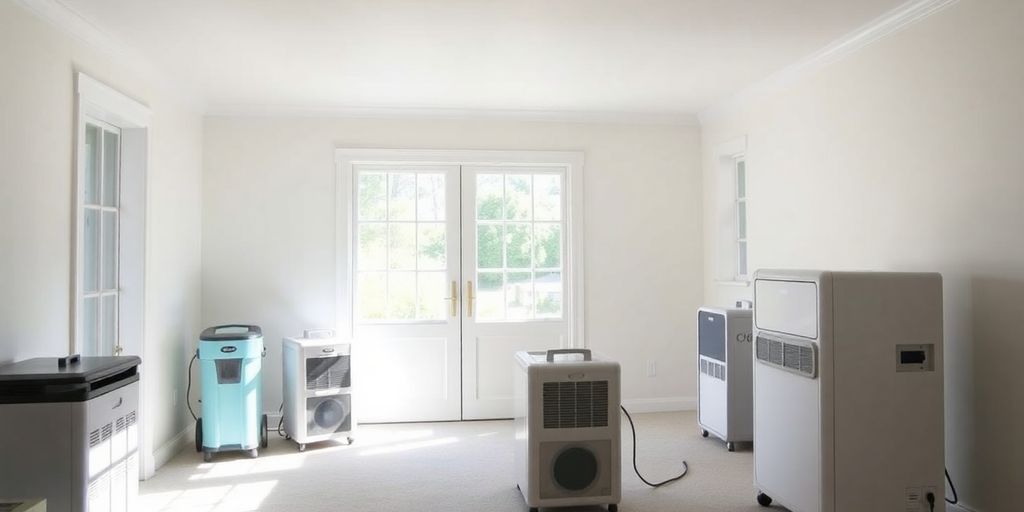
Specialized equipment plays a crucial role in the mold remediation process. From high-efficiency particulate air (HEPA) vacuums to air scrubbers, these tools are designed to capture even the smallest mold spores, ensuring thorough cleaning. Moisture meters and thermal imaging cameras help detect hidden moisture areas, which can be breeding grounds for mold. By using such advanced technology, professionals can ensure a more comprehensive cleanup, reducing the risk of mold recurrence.
Ensuring Long-Term Mold Prevention
Professional mold remediation services not only address current mold problems but also focus on long-term prevention. Specialists can identify the root causes of mold, such as leaks or poor ventilation, and suggest practical solutions to mitigate these issues. They might recommend routine inspections or specific home improvements, like better insulation or ventilation systems, to keep your home mold-free. This proactive approach not only safeguards your health but also helps maintain the structural integrity of your home.
Hiring a professional service like Ruach Home Services ensures that your mold problem is handled with expertise and care, giving you peace of mind that your home is safe and healthy.
DIY Mold Prevention Tips for Homeowners
Identifying Potential Mold Hotspots
Mold tends to hide in the most unexpected places. Your bathroom, basement, and kitchen are common areas where mold loves to settle. Look out for damp spots or areas with poor ventilation. If you notice a musty smell or see any discoloration on walls or ceilings, it might be time to investigate further. Remember, even behind wallpaper or under carpets can be a breeding ground for mold.
Effective Moisture Control Methods
Controlling moisture is key to preventing mold. Start by fixing leaks promptly, whether they’re from pipes, roofs, or windows. Use dehumidifiers to keep humidity levels low, especially in basements and bathrooms. Ensure proper ventilation by using exhaust fans in the kitchen and bathroom. Regularly check and clean gutters to prevent water buildup.
Regular Home Maintenance Practices
Keeping up with home maintenance can save you from future mold problems. Regular inspections of your home’s plumbing and roof can catch leaks early. Clean and dry areas prone to moisture, like shower curtains and bathroom tiles, to prevent mold buildup. Consider using mold-resistant products, such as drywall and paint, in areas susceptible to dampness.
A proactive approach to home maintenance not only protects your property but also ensures a healthier living environment. By staying vigilant and addressing potential issues early, you can keep your home mold-free and your family safe.
Choosing the Right Mold Restoration Service Provider
Key Factors to Consider When Hiring
When you’re on the hunt for a mold restoration service, there are several things you need to keep in mind. First off, check their credentials. Make sure the company is certified and insured. This is crucial because it ensures they meet industry standards and can cover any mishaps.
- Certification: Look for IICRC certification, which is a mark of quality in the restoration industry.
- Insurance: Verify that they have adequate insurance to cover any potential damages.
- Experience: Choose a provider with a proven track record in handling mold issues.
Questions to Ask Potential Contractors
Before you settle on a service, ask some questions to gauge their expertise and reliability. Here are a few to get you started:
- What methods do you use for mold removal?
- Do you offer a warranty or guarantee on your work?
- Can you provide references from past clients?
These questions will help you get a sense of their competence and customer service. Don’t shy away from asking for details.
Understanding Service Guarantees and Warranties
A reliable mold restoration service should offer some form of guarantee or warranty. This not only protects your investment but also gives you peace of mind. If a company stands by their work, they’ll offer assurances. This might include a warranty period during which they’ll address any recurring mold issues at no extra cost.
Choosing the right service provider can make a world of difference in effectively managing mold problems at home. It’s not just about fixing the problem but ensuring it doesn’t come back.
For those facing mold issues, consider Ruach Home Services for reliable and effective restoration solutions. They emphasize clear communication and transparency, which is vital when dealing with mold-related challenges.
Creating a Mold-Free Home Environment
Improving Indoor Air Quality
Breathing clean air is vital for a healthy home. Mold spores can linger in the air, causing health issues over time. To improve indoor air quality, consider using air purifiers with HEPA filters. These devices are designed to capture tiny particles, including mold spores. Regular maintenance of HVAC systems is crucial as well. Change air filters frequently and ensure that ducts are clean. An efficient HVAC system can help maintain good air circulation, reducing the chance of mold growth.
Implementing Preventive Measures
Preventing mold is all about moisture control. Start by fixing any leaks in your home, whether they’re from the roof, windows, or plumbing. Make sure your home is well-ventilated. Use exhaust fans in bathrooms and kitchens to reduce humidity. Dehumidifiers can be a great investment, especially in basements or other damp areas. Here’s a quick checklist:
- Repair leaks immediately
- Use exhaust fans in moisture-prone areas
- Invest in a dehumidifier for damp spaces
Regular Monitoring and Inspections
Keeping a watchful eye can prevent small mold problems from becoming big ones. Regularly inspect areas prone to dampness, like under sinks, around windows, and in basements. If you notice a musty smell or see any discoloration, it’s time to investigate further. Consider scheduling annual professional inspections to catch any hidden issues early. Remember, a proactive approach can save you from costly repairs down the line.
Maintaining a mold-free home is not just about reacting to problems but preventing them before they start. With the right strategies, you can ensure a healthy environment for your family.
To keep your home free from mold, it’s important to maintain a clean and dry environment. Regularly check for leaks, use dehumidifiers, and ensure proper ventilation in areas like bathrooms and kitchens. If you suspect mold, act quickly to address it. For more tips on creating a mold-free home, visit our website!
Wrapping It Up: Keeping Your Home Mold-Free
Alright, so there you have it. Mold might seem like just a pesky problem, but it can really mess with your health and your house if you let it. The good news? With the right know-how and a bit of effort, you can keep it at bay. Remember, spotting mold early and dealing with it quickly is key. Whether you decide to tackle it yourself or call in the pros, the important thing is to act fast. Keep your home dry, check for leaks, and don’t ignore those musty smells. A little prevention goes a long way in keeping your home safe and healthy. So, stay vigilant and breathe easy!
Frequently Asked Questions
What is mold and why is it in my home?
Mold is a type of fungus that grows in damp and warm places. It can appear in your home if there’s too much moisture, like from leaks or high humidity.
How can I tell if I have mold in my house?
You might notice a musty smell, see spots on walls or ceilings, or experience allergies like sneezing and itchy eyes when indoors.
Is mold dangerous to my health?
Yes, mold can cause health problems like allergies, asthma, and other respiratory issues, especially for people with weakened immune systems.
Can I remove mold myself, or do I need a professional?
You can clean small mold patches yourself using household cleaners, but for larger infestations, it’s best to hire a professional to ensure it’s removed safely and thoroughly.
How can I prevent mold from growing in my home?
Keep your home dry by fixing leaks, using dehumidifiers, and ensuring good ventilation, especially in damp areas like bathrooms and basements.
What should I look for in a mold removal company?
Look for certified professionals with experience, good reviews, and clear service guarantees and warranties.