
Mold from water damage is a real headache for homeowners. It’s not just about the ugly black spots on your walls or ceilings; it can mess with your health and even your house’s structure. This guide is here to help you tackle mold water damage removal effectively. We’ll walk you through understanding what causes it, how to get rid of it, and how to keep it from coming back.
Key Takeaways
- Mold can cause serious health problems and damage to your home.
- Proper assessment and inspection are the first steps in mold removal.
- Effective mold removal involves drying out the area and cleaning thoroughly.
- Preventing mold involves fixing leaks and improving ventilation.
- Choosing a professional remediation service can save time and ensure safety.
Understanding Mold Water Damage
Causes of Mold Growth
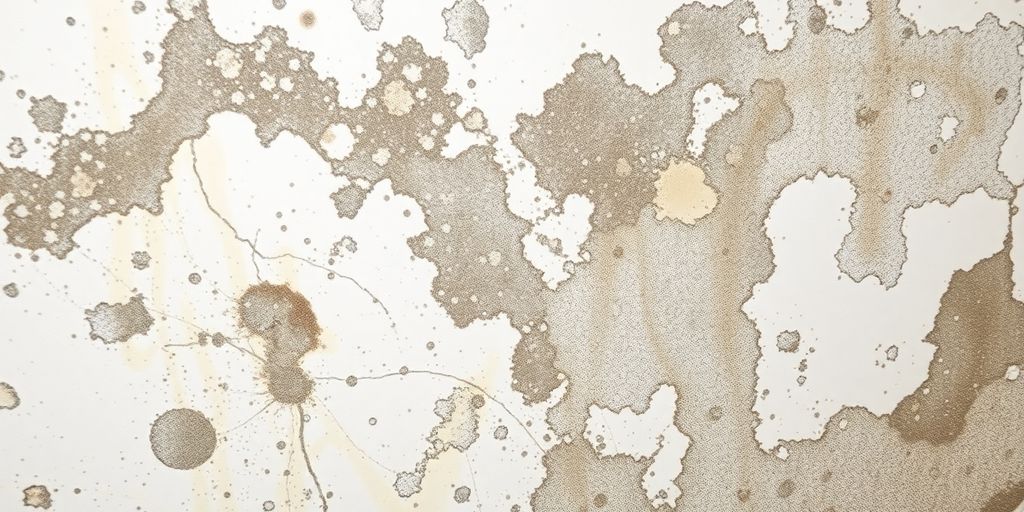
Mold loves moisture. It thrives in damp, humid environments, making water damage a perfect breeding ground. Common causes include leaks from pipes, roofs, or windows, and even high indoor humidity. If you’ve had a flood or a plumbing disaster, chances are mold is lurking somewhere. Mold spores are sneaky, floating in the air until they find a wet spot to settle and grow. It’s important to address water issues quickly to prevent mold from taking over your home.
Health Risks Associated with Mold
Mold isn’t just unsightly; it can be hazardous to your health. Breathing in mold spores can lead to respiratory problems, especially for those with asthma or allergies. Symptoms might include coughing, sneezing, and itchy eyes. In severe cases, mold exposure can cause more serious health issues, like infections or neurological problems. Keeping your living space mold-free not only protects your home but also your health.
Identifying Mold in Your Home
Spotting mold early can save you a lot of trouble. Mold can appear as black, green, or white patches and often has a musty smell. Check common areas like bathrooms, basements, and kitchens, where moisture tends to accumulate. Don’t forget to look behind furniture and under carpets, as mold can hide in these spots too. If you’re unsure, consider getting a professional inspection. Ruach Home Services offers thorough inspections to identify mold sources and help you tackle the problem effectively.
Mold is more than just a cosmetic issue; it’s a sign of underlying moisture problems that need immediate attention. Ignoring it can lead to bigger, costlier repairs down the road.
Steps to Effective Mold Water Damage Removal
Initial Assessment and Inspection
First things first, you’ve got to figure out what you’re dealing with. This means doing a thorough check of your home to see where the water damage and mold are lurking. Look for signs like discoloration on walls or ceilings, a musty smell, or any visible mold. It’s really important to document everything you find. Take pictures and notes; these will be super helpful if you need to talk to your insurance company or a professional later on.
Water Extraction and Drying
Once you know where the problem areas are, it’s time to get rid of any standing water. Use pumps, vacuums, or even mops and towels if it’s not too much. After that, you need to dry everything out completely. This is where dehumidifiers and fans come in handy. Drying out the area prevents further mold growth and helps you move on to the next steps without any hiccups.
Mold Removal and Cleaning
Now comes the actual mold removal. You’ll want to use special cleaning agents that are designed to kill mold spores. Scrub down the affected areas and make sure to get into all the nooks and crannies. If any materials like drywall or carpet are too far gone, you might need to remove and replace them. It’s a good idea to wear protective gear like gloves and masks during this process to keep yourself safe from mold spores.
If you’re not comfortable doing this yourself, don’t hesitate to reach out to professionals who specialize in water damage restoration services. They have the tools and expertise to handle the job effectively.
By following these steps, you can tackle mold water damage head-on and restore your home to a safe and healthy state.
Preventing Future Mold Water Damage
Fixing Water Leaks
Water leaks are sneaky and can lead to mold if left unchecked. Regularly inspect your home for signs of leaks, like water stains or musty smells. If you spot a leak, fix it promptly. Start by checking under sinks, around toilets, and near any appliances that use water. Sometimes the fix is simple, like tightening a loose pipe fitting or replacing a worn-out washer. Other times, you might need to call in a plumber. Remember, the quicker you address leaks, the less chance mold has to set up shop.
Improving Home Ventilation
Good airflow is your friend in the fight against mold. Make sure your home is well-ventilated, especially in areas prone to moisture like bathrooms, kitchens, and basements. Use exhaust fans when cooking or showering to help move moisture outside. If you don’t have fans, crack a window. Also, consider using a dehumidifier in damp areas to keep humidity levels below 60%. This can make a big difference in keeping mold at bay.
Regular Home Inspections
Think of regular home inspections as a preventive health check-up for your house. Set a schedule to walk through your home and look for any signs of water damage or mold. This includes checking the attic, basement, and crawl spaces. Keep an eye out for any new or unexplained spots or stains, and don’t ignore any strange smells. Catching issues early can save you time and money in the long run. Plus, it keeps your home safe and healthy for everyone living there.
"Keeping mold out of your home is all about being proactive. Fix leaks quickly, keep your home ventilated, and stay on top of inspections. These simple steps can help you avoid bigger problems down the road."
By addressing these areas, you can significantly reduce the risk of mold taking hold in your home. It’s all about being vigilant and tackling issues before they become major headaches. If you ever find yourself dealing with water damage, consider the essential steps to manage the situation effectively and prevent mold from gaining a foothold.
Choosing the Right Mold Remediation Company
When faced with mold damage, picking the right remediation company can feel overwhelming. Here’s how to navigate this crucial decision.
What to Look for in a Remediation Service
Finding a reliable mold remediation service is key to restoring your home. Always check for certifications like Certified Mold Remediator (CMR) or Mold Removal Specialist (MRS). These credentials ensure the company knows its stuff and follows industry standards. Also, make sure they’re licensed, bonded, and insured to protect yourself from any liabilities.
Consider a company with experience in handling complex projects. This means they should be able to manage not just mold, but also water damage restoration, electrical, and plumbing issues. A well-rounded company will have the expertise to coordinate these tasks efficiently.
Questions to Ask Potential Contractors
Before hiring, ask some essential questions to gauge their capabilities:
- What certifications do your technicians hold?
- Can you provide references from past clients?
- What is your process for mold remediation?
These questions help you understand their experience and approach. Make sure they have a clear plan and timeline for the job.
Understanding Remediation Costs
Costs can vary widely, so it’s important to get a detailed quote. Ask for a breakdown of expenses, including labor, materials, and any additional services. Understanding these costs upfront can prevent surprises later on.
It’s wise to compare quotes from several companies to ensure you’re getting a fair deal. Remember, the cheapest option isn’t always the best—quality and thoroughness are crucial.
By focusing on these aspects, you’ll be better equipped to choose a company that not only fits your budget but also effectively restores your home to a safe and healthy environment. For more insights on mold testing and remediation, consider reading this guide that explains the necessity and potential conflicts of interest when hiring separate companies for these services.
DIY Mold Water Damage Solutions
When to Consider DIY Approaches
Tackling mold water damage on your own can be tempting, especially if you’re the hands-on type. But before diving in, it’s essential to evaluate the situation. Minor water damage might be manageable with DIY solutions, but larger areas often need professional help. If the moldy area is less than 10 square feet, you’re likely in the DIY safe zone. Anything bigger and it might be time to call in the pros. Remember, mold isn’t just an eyesore; it can pose health risks too.
Essential Tools and Materials
If you’re going the DIY route, having the right tools is crucial. Here’s a quick list of what you might need:
- Protective Gear: Gloves, goggles, and a mask to keep mold spores at bay.
- Cleaning Solutions: Vinegar, baking soda, or commercial mold removers.
- Scrub Brushes: For getting into those nooks and crannies.
- Dehumidifier: Helps dry out the area to prevent future mold growth.
Safety Precautions for Homeowners
Safety should be your top priority when dealing with mold. Make sure to ventilate the area well by opening windows and doors. Always wear protective gear to avoid inhaling harmful spores. If you start feeling unwell or the task seems overwhelming, it might be best to stop and consult a professional. Your health is more important than saving a few bucks.
DIY solutions can effectively address minor water damage, but improper execution may result in long-term problems such as mold growth and structural damage. It’s always wise to know your limits and when to seek help.
The Role of Insurance in Mold Water Damage
Filing a Claim for Mold Damage
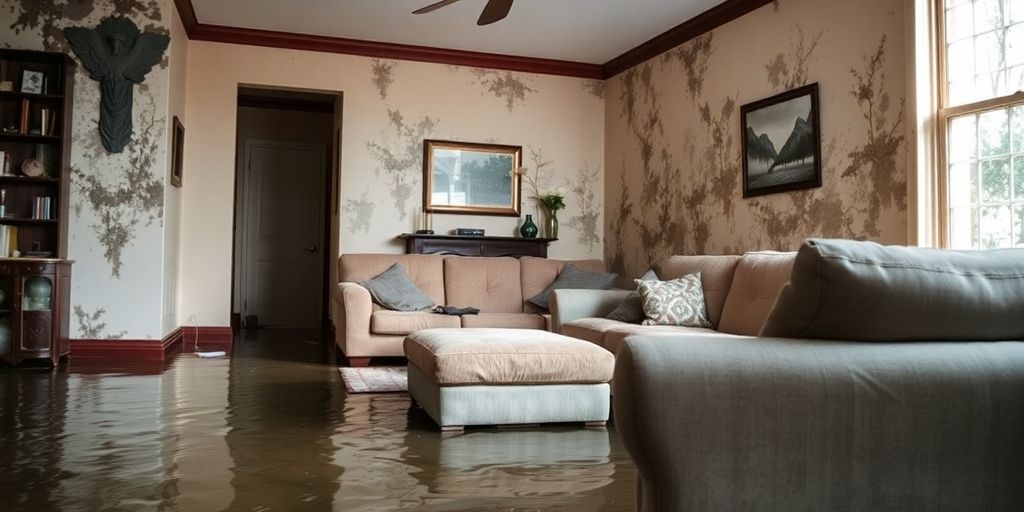
Dealing with mold after water damage can be a headache, but your insurance might help ease the burden. First things first, document everything. Snap photos of the moldy areas and any water damage. Then, get in touch with your insurance company ASAP to start the claim process. It’s crucial to understand what your policy covers—some policies might not cover mold damage unless it stems from a covered event like a burst pipe. Keep all your receipts and records handy, as they might be needed later.
Understanding Your Insurance Policy
Insurance policies can be tricky, especially when it comes to mold. Many standard homeowners’ policies don’t cover mold damage unless it’s a result of a covered peril. For instance, if a pipe bursts suddenly, you might be covered. However, if the mold is due to long-term neglect or poor maintenance, you’re probably on your own. It’s a good idea to review your policy with an agent to see if you need additional coverage. Some insurers offer mold endorsements that can be added to your policy for extra protection.
Working with Insurance Adjusters
Once you’ve filed a claim, an insurance adjuster will likely come to assess the damage. They’ll look at the extent of the mold and water damage and determine how much the insurance will cover. Be sure to show them all your documentation and point out any areas of concern. Having a mold remediation professional present during the inspection can be helpful, as they can provide expert insight into the extent of the damage and necessary repairs. Remember, the adjuster’s job is to assess the damage fairly, but it’s your job to make sure nothing is overlooked.
Post-Remediation Steps for Homeowners
After you’ve tackled the mold problem, there are a few important steps to take to ensure your home is safe and sound. Let’s dive into what you need to do post-remediation.
Conducting Clearance Testing
Once the mold removal is complete, it’s vital to confirm that the job was successful. This is where clearance testing comes in. A professional will check for any lingering moisture or mold spores in the air. They might use tools to measure humidity levels or take air samples. Clearance testing guarantees that your home is safe for you and your family. It also provides documentation that the mold issue has been properly handled, which can be crucial if you’re dealing with insurance claims.
Reconstruction and Repairs
With the mold gone, it’s time to repair any damage left behind. This could mean replacing drywall, fixing plumbing issues, or repainting walls. Sometimes, the extent of the damage requires more substantial work, like rebuilding sections of your home.
- Drywall Replacement: Often necessary if the mold has penetrated deeply.
- Flooring Repairs: Depending on the material, you might need to replace or refinish.
- Painting: A fresh coat can help seal surfaces and prevent future mold.
Consider hiring a contractor who can handle the reconstruction process efficiently. They can coordinate the different tasks needed to get your home back to normal.
Maintaining a Mold-Free Home
After all the hard work, you definitely want to keep mold from making a comeback. Here are some tips:
- Fix Leaks Promptly: Even small leaks can lead to big mold problems.
- Control Humidity: Use dehumidifiers and ensure your home is well-ventilated.
- Regular Inspections: Keep an eye out for any signs of water damage or mold.
Keeping your home mold-free is an ongoing process. Regular checks and maintenance can save you from future headaches.
By following these steps, you can enjoy a safe and healthy home environment. Remember, prevention is always easier than remediation, so stay vigilant and proactive!
After dealing with damage in your home, it’s important to take the right steps to ensure everything is back to normal. Start by checking for any remaining issues and make sure to document everything. If you need help, don’t hesitate to reach out to us! Visit our website for more tips and to schedule a consultation today!
Wrapping It Up: Your Mold-Free Home Awaits
So, there you have it. Tackling mold after water damage might seem like a huge task, but with the right steps and a bit of patience, you can get your home back to normal. Remember, it’s not just about making things look good again; it’s about keeping your space safe and healthy. Mold can be sneaky, hiding in places you might not expect, so don’t hesitate to call in the pros if you’re unsure. They’ve got the tools and know-how to handle it. And once it’s all sorted, you can breathe easy knowing your home is mold-free and safe for everyone. Keep an eye out for any signs of moisture or leaks in the future, and you’ll be well on your way to preventing mold from making a comeback. Here’s to a clean, healthy home!
Frequently Asked Questions
How quickly can mold grow after water damage?
Mold can start to grow within 24 to 48 hours after water exposure. This means if there’s a water leak over the weekend, mold might already be a problem by Monday.
What are some signs that mold might be in my home?
Look for signs like bubbling paint, a musty smell, and soft spots on floors. Health issues like unexplained coughing or headaches might also suggest mold.
Why is black mold considered dangerous?
Black mold, especially Stachybotrys chartarum, can cause serious health issues. It’s particularly harmful to children, seniors, and those with weak immune systems.
Can I remove mold by myself?
It’s not advisable to handle mold removal yourself, especially if it’s a large area. Professional help ensures safety and thorough removal.
What should I do if I suspect mold in my home?
If you think you have mold, it’s best to call a mold removal company for an inspection to be sure and to handle the problem correctly.
How can I prevent mold after fixing a water leak?
Make sure the area is completely dry, fix the leak source, and maintain good ventilation to prevent mold from coming back.