
Ever wondered if you could solve your health issues without always rushing to the pharmacy? Well, you’re not alone. More and more people are turning to home remedies as a natural way to boost health and tackle common ailments. This guide dives into the world of natural healing, giving you the lowdown on everything from herbal medicine to detoxing and beyond. Let’s explore some practical, everyday tips to support your well-being.
Key Takeaways
- Herbal medicine can be a safe and effective way to address minor health concerns.
- Natural remedies can help boost your immune system and keep you feeling your best.
- Detoxing doesn’t have to be extreme; simple changes can make a big difference.
- Achieving hormonal balance naturally is possible with the right lifestyle and dietary choices.
- Managing stress and anxiety can be supported with herbal remedies and mindfulness practices.
Harnessing the Power of Herbal Medicine
Understanding Herbal Benefits
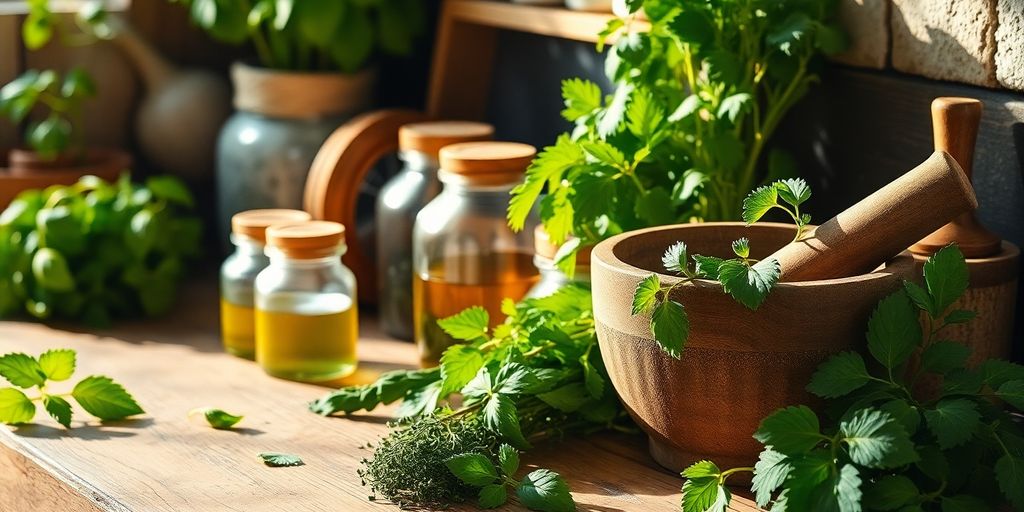
Herbs have been used for centuries as natural remedies for a variety of ailments. Today, they’re gaining popularity again as people look for more natural ways to maintain their health. Herbs can offer therapeutic benefits that range from improving digestion to boosting immunity. Some common herbs and their benefits include:
- Chamomile: Known for its calming effects, it’s often used to help with sleep and reduce anxiety.
- Peppermint: Helps with digestion and can relieve headaches.
- Echinacea: Often used to enhance the immune system.
Creating Your Own Herbal Remedies
Making your own herbal remedies at home can be an enjoyable and rewarding experience. Start by selecting a few herbs that you are familiar with and learn how to prepare them. Here’s a simple guide:
- Choose Your Herbs: Pick fresh or dried herbs that suit your needs.
- Prepare the Herbs: Wash fresh herbs thoroughly. For dried herbs, ensure they’re stored properly.
- Create the Remedy: You can make teas, tinctures, or salves. For teas, steep herbs in hot water. Tinctures require soaking herbs in alcohol or vinegar.
Safety Tips for Using Herbs
While herbs are natural, they can still cause adverse effects if not used correctly. Here are some tips to ensure safety:
- Consult a Professional: Before starting any herbal remedy, it’s wise to consult with a healthcare provider, especially if you have existing health conditions.
- Start Small: When trying a new herb, start with a small dose to see how your body reacts.
- Be Aware of Interactions: Some herbs can interact with medications. Always check for potential interactions.
Herbal medicine offers a natural way to support health, but it’s important to use herbs wisely and responsibly. Always prioritize safety and consult professionals when needed.
For a more detailed guide on creating powerful natural remedies with home-grown herbs, check out this guide. It emphasizes safety and simplicity in herbal medicine.
Boosting Immunity with Natural Solutions
Daily Practices for a Strong Immune System
Building a strong immune system doesn’t happen overnight. It’s about making small, consistent changes in your daily routine. Start by ensuring you get enough sleep—aim for 7-9 hours each night. Sleep is when your body repairs itself, and lack of it can weaken your immune defenses. Incorporating regular physical activity, like a brisk walk or yoga, can also enhance your immune response. Don’t forget to manage stress; practices such as meditation or deep breathing exercises can be incredibly beneficial.
Superfoods to Enhance Immunity
Superfoods are packed with nutrients that can give your immune system a boost. Incorporating foods like berries, spinach, and almonds into your diet can make a big difference. Berries are rich in antioxidants, spinach is loaded with vitamins, and almonds provide essential fats that support immune function. Consider adding a variety of these to your meals to keep your body in top shape.
Herbal Teas for Immune Support
Herbal teas are not just soothing; they can also support your immune health. Echinacea tea, for example, is believed to help ward off colds and infections. Ginger tea can reduce inflammation and improve circulation, which is vital for a responsive immune system. Lastly, consider trying elderberry tea, known for its antiviral properties, especially during the cold and flu season.
Consistently integrating these natural solutions into your lifestyle can lead to a more resilient immune system over time. It’s about making mindful choices daily and understanding that what you consume and how you live impacts your health significantly.
Detoxifying Your Body Naturally
Effective Detox Methods
Detoxifying your body is a journey, not a one-time event. Consistency is key in maintaining a healthy detox routine. Start with simple practices like drinking warm lemon water every morning. It helps kickstart your metabolism and aids in flushing out toxins. Regular exercise, even something as simple as a brisk walk, can also boost your body’s natural detox processes.
14-Day Detox Program
Embarking on a 14-day detox program can be a great way to reset your body. Begin by eliminating processed foods and sugars from your diet. Focus on whole foods like fruits, vegetables, and lean proteins. Here’s a simple plan to follow:
- Week 1: Gradually reduce caffeine and alcohol intake. Replace them with herbal teas and plenty of water.
- Week 2: Introduce more fiber into your meals with foods like oats, beans, and leafy greens.
- Daily: Incorporate a short meditation or yoga session to help manage stress and support your detox efforts.
Foods to Avoid During Detox
When detoxing, it’s important to know what to avoid. Processed foods, sugary snacks, and fried foods can hinder your detox goals. Instead, opt for natural, whole foods that nourish your body. Here’s a quick list of foods to steer clear of:
- Sugary drinks and sodas
- White bread and pastries
- Fried and fast foods
Detoxing isn’t just about what you remove from your diet; it’s about embracing new, healthier habits that support your body’s natural functions.
Remember, detoxing is not only about diet changes but also about lifestyle adjustments. Supporting your body with adequate sleep, hydration, and stress management can make a significant difference in how you feel. If you’re dealing with issues like water damage in your home, addressing them promptly can also contribute to a healthier living environment, as thorough drying is crucial to prevent mold growth and maintain a clean space.
Achieving Hormonal Balance Naturally
Herbal Remedies for Hormonal Health
Balancing your hormones naturally can be a game-changer. Herbs like ashwagandha, maca root, and evening primrose oil are known for their hormone-balancing properties. These herbs can help alleviate symptoms like mood swings and fatigue. Incorporating these herbs into your daily routine can promote overall hormonal health. Try adding maca powder to your morning smoothie or taking an evening primrose supplement.
Lifestyle Changes for Hormonal Balance
Lifestyle plays a huge role in maintaining hormonal balance. Regular exercise, stress management, and adequate sleep are key. Aim for at least 30 minutes of exercise most days, whether it’s a brisk walk or yoga. Practice stress-reducing techniques like meditation or deep breathing. And don’t underestimate the power of sleep; quality sleep is essential for hormone regulation.
Foods That Support Hormonal Health
Diet can greatly affect your hormones. Focus on foods rich in omega-3 fatty acids, like salmon and walnuts, which support hormone production. High-fiber foods such as whole grains and vegetables help maintain healthy hormone levels. Avoid processed foods and sugar, which can disrupt hormonal balance.
Achieving hormonal balance isn’t about drastic changes; it’s about making consistent, small adjustments to your lifestyle and diet. Over time, these changes can have a profound impact on your overall well-being.
Supporting Heart Health with Natural Remedies
Nutritional Strategies for Heart Health
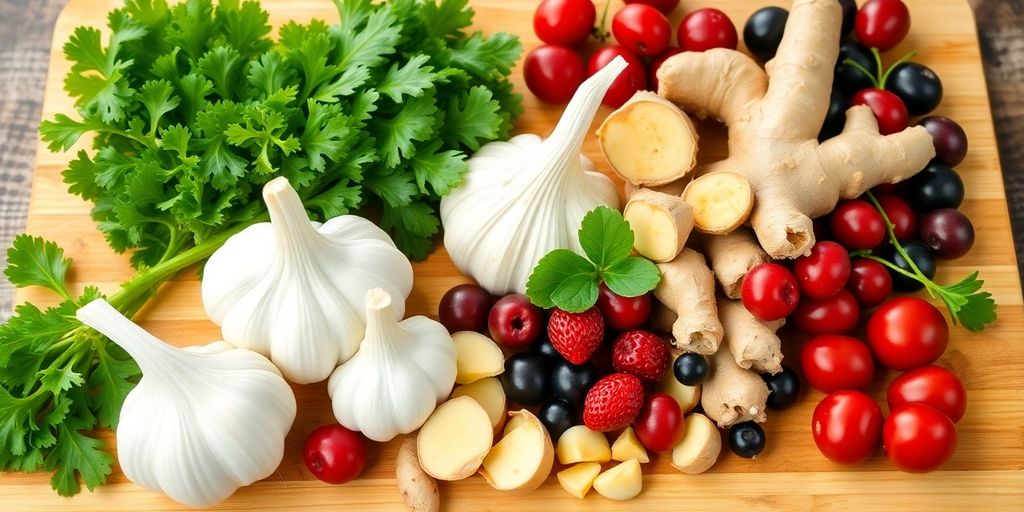
Eating right is a game-changer for your heart. Focus on whole foods like fruits, vegetables, and whole grains. These are packed with nutrients that keep your heart ticking smoothly. Avoid processed foods that are high in sodium and sugar. Cut back on red meat and opt for lean proteins like fish or chicken.
Here’s a quick look at heart-friendly foods:
| Food Type | Examples |
|---|---|
| Fruits | Berries, oranges, apples |
| Vegetables | Spinach, kale, broccoli |
| Whole Grains | Oats, quinoa, brown rice |
| Lean Proteins | Fish, chicken, tofu |
Herbs for Cardiovascular Support
Herbs can be your heart’s best friend. Garlic, for instance, is known to help reduce blood pressure and cholesterol levels. Hawthorn is another herb that supports heart function and improves circulation. Try adding these herbs to your meals or as supplements, but always consult with a healthcare provider first.
Lifestyle Changes for a Healthy Heart
Small changes can make a big difference. Regular exercise, like brisk walking or cycling, is essential. Aim for at least 30 minutes most days. Managing stress is also crucial, so consider meditation or yoga. Finally, if you smoke, quitting is one of the best things you can do for your heart.
Taking care of your heart naturally involves a mix of good nutrition, herbal support, and healthy lifestyle choices. It’s about making small, sustainable changes that add up over time. Remember, your heart deserves the best care you can give it.
Enhancing Skin Health with Natural Ingredients
Herbal Skincare Solutions
Natural ingredients are becoming a go-to for many people looking to maintain healthy skin without harsh chemicals. Herbs like chamomile and lavender can be made into soothing skin treatments. They help reduce redness and irritation. Aloe vera, known for its healing properties, can hydrate and calm the skin. It’s a fantastic choice for those with sensitive skin. You can easily create your own herbal concoctions at home using common kitchen ingredients. This includes coconut oil, oatmeal, and aloe vera to soothe and hydrate dry skin.
Dietary Tips for Radiant Skin
What you eat plays a significant role in your skin’s appearance. Incorporating foods rich in antioxidants, like berries and leafy greens, can help fight free radicals that cause aging. Omega-3 fatty acids found in fish like salmon are great for maintaining skin elasticity. Here’s a quick list of skin-friendly foods:
- Berries: Packed with antioxidants
- Salmon: Rich in Omega-3s
- Nuts: Full of healthy fats
Avoiding Harmful Chemicals in Skincare
Many commercial skincare products contain chemicals that can be harsh on the skin. Ingredients like parabens and sulfates are common culprits. It’s essential to read labels carefully and opt for products with natural ingredients. Consider making your own skincare products to ensure they are free from harmful additives.
Using natural ingredients for skincare not only benefits your skin but also reduces exposure to potentially harmful chemicals. Embracing a natural skincare routine can lead to healthier, more vibrant skin over time.
Managing Stress and Anxiety Naturally
Herbal Remedies for Stress Relief
When life gets overwhelming, many turn to herbs for a natural way to calm the mind. Chamomile is one of the most popular choices, known for its soothing properties. Another great option is lavender, often used in aromatherapy to promote relaxation. Valerian root, although not as well-known, can also help ease tension and improve sleep quality.
- Chamomile: Best enjoyed as a tea, it helps relax muscles and reduce irritability.
- Lavender: Use essential oils in a diffuser or add a few drops to your bath.
- Valerian Root: Often taken as a supplement, it’s great for those struggling with sleep issues.
Mindfulness Practices for Anxiety
Mindfulness is all about staying present and fully engaging with the current moment. This practice can significantly reduce anxiety levels over time. Start by setting aside a few minutes each day to focus on your breathing. You might also try guided meditation apps, which can be a great way to ease into mindfulness.
- Begin with short sessions, around 5 minutes.
- Focus on your breath and let thoughts pass without judgment.
- Gradually increase the duration as you become more comfortable.
Creating a Calming Environment
Your surroundings can greatly impact your stress levels. A clutter-free, serene space can promote a sense of peace. Consider incorporating elements like plants, which are known to purify air and reduce stress. Soft lighting and calming colors can also make a big difference.
"A peaceful environment is not just about aesthetics; it’s about creating a space where you can truly relax and recharge."
For those dealing with more persistent stress issues, it might be worth considering professional mold remediation services to ensure your home environment is as healthy as possible.
Improving Digestive Health with Home Remedies
Herbal Teas for Digestion
When your stomach’s feeling off, reaching for a warm cup of herbal tea might just do the trick. Chamomile and peppermint teas, for instance, are known to help soothe the digestive tract. They can ease bloating and discomfort, making them a go-to for many. Chamomile or peppermint teas and ginger are also great options when you’re trying to fend off indigestion. These teas work by relaxing the muscles in your gut, which can help things move along more smoothly.
Foods That Promote Gut Health
Eating the right foods is key to keeping your gut in check. Here are some foods that can help:
- Yogurt: Packed with probiotics, it helps balance the bacteria in your gut.
- Kefir: A fermented drink that’s also rich in probiotics.
- Bananas: They contain fiber and prebiotics, which feed the good bacteria.
Adding these to your diet can make a big difference. Probiotics, in particular, are essential as they introduce helpful bacteria to your system, helping with digestion and nutrient absorption.
Lifestyle Tips for Better Digestion
Sometimes, it’s not just about what you eat but also how you live. Here are a few lifestyle changes that can improve digestion:
- Chew your food thoroughly: It might sound simple, but chewing well can aid digestion significantly.
- Stay hydrated: Drinking enough water helps break down food and keeps everything moving.
- Exercise regularly: Physical activity stimulates the intestinal muscles, helping food move through your digestive system.
"A few small changes in your daily routine can lead to significant improvements in your digestive health. It’s about finding what works for you and sticking with it."
If you’re looking to boost your digestive health, consider trying some simple home remedies. These natural solutions can help ease discomfort and improve your overall well-being. For more tips and tricks on enhancing your health, visit our website today!
Conclusion
Wrapping up our journey through home remedies, it’s clear that nature offers a treasure trove of healing options. From soothing teas to invigorating oils, these natural solutions can be a gentle yet effective way to tackle everyday ailments. Sure, they might not replace a doctor’s visit for serious issues, but they sure can complement your health routine. Give them a try next time you’re feeling under the weather or just want to boost your well-being. Remember, it’s all about finding what works best for you and your body. So, why not explore these remedies and see how they can fit into your life?
Frequently Asked Questions
What are some easy herbal remedies to try at home?
Some simple herbal remedies include chamomile tea for relaxation, ginger tea for nausea, and peppermint tea for digestion.
How can I boost my immune system naturally?
To naturally boost your immune system, eat a balanced diet rich in fruits and vegetables, get regular exercise, and ensure adequate sleep.
What foods should I avoid during a detox?
During a detox, it’s best to avoid processed foods, sugary snacks, and drinks high in caffeine.
Are there natural ways to balance hormones?
Yes, natural methods to balance hormones include eating a diet rich in omega-3 fatty acids, reducing stress, and getting regular exercise.
How can I improve my heart health with natural remedies?
To support heart health naturally, consume foods high in omega-3s, like fish, and incorporate heart-healthy herbs such as garlic and hawthorn.
What are some natural ways to manage stress and anxiety?
Managing stress and anxiety naturally can be achieved through practices like yoga, meditation, and using calming herbs such as lavender and chamomile.