
Water damage is a nightmare for any homeowner. Whether it’s from a busted pipe or a heavy storm, the aftermath can be overwhelming. It’s not just about mopping up the mess; there’s a whole process involved in getting your home back to normal. That’s where a professional water cleanup service comes in handy. They know the ins and outs of what needs to be done, ensuring that your home is safe and sound again. Let’s dive into why hiring experts is the best move after water damage.
Key Takeaways
- Water damage needs quick action to prevent bigger issues like mold.
- Professional services use special tools to remove water and dry areas fast.
- Hiring experts can save you time and avoid more damage down the road.
- Choose a service that’s available 24/7 for emergencies.
- Understanding your insurance policy can help with covering costs.
Understanding Water Damage and Its Causes
Water damage is a sneaky problem that can really mess up your home if you don’t catch it early. It’s not just about the obvious stuff like floods or broken pipes. Sometimes, the cause is something you wouldn’t even think about, like a leaky appliance or clogged gutters. Let’s break it down:
Common Causes of Water Damage
Water damage can come from all sorts of places. Here are some of the usual suspects:
- Broken Pipes: Pipes can burst due to freezing temps or just because they’re old and worn out.
- Leaky Appliances: Your dishwasher, fridge, or even your washing machine can leak and cause a lot of trouble.
- Natural Disasters: Storms or floods can bring in a lot of water quickly, leading to serious damage.
- Sewer Backups: This is as nasty as it sounds, often caused by tree roots or heavy rainfall blocking the drains.
- Clogged Gutters: When gutters are clogged, rainwater can’t drain properly and can seep into your home.
Types of Water Damage
Not all water damage is the same. It’s categorized based on contamination levels:
- Category 1 (Clean Water): From sources like broken pipes or rain, it’s clean but can still cause damage.
- Category 2 (Gray Water): This water has some contaminants, like from dishwashers or washing machines.
- Category 3 (Black Water): Highly contaminated, coming from sewage or floodwaters, and can be hazardous.
Signs of Water Damage
Spotting water damage early can save you a lot of hassle. Here are some signs to look out for:
- Musty Odors: A damp, musty smell is a big red flag.
- Stains on Walls or Ceilings: Discoloration or stains might indicate a leak.
- Warped Floors or Walls: If things start to warp or buckle, water might be the culprit.
- Peeling Paint: Paint or wallpaper peeling can mean moisture is trapped behind it.
- Mold Growth: Mold thrives in damp conditions, so spotting it means you’ve got a moisture problem.
Tip: If you notice any of these signs, it’s a good idea to call in a professional. They can help assess the situation and prevent further damage.
Understanding these basics can help you stay ahead of potential water damage issues and keep your home safe and sound. For those in Ashburn, Virginia, trusted brands for water damage restoration can provide the necessary expertise to handle these problems efficiently.
The Importance of Quick Response in Water Cleanup
Preventing Further Damage
When water invades your home, every second counts. Acting quickly can save you a lot of trouble and money. Water can seep into walls, floors, and furniture, causing structural damage and mold growth. By addressing the problem immediately, you can prevent these issues from escalating into more serious and costly repairs. Here’s what a swift response can help you avoid:
- Structural weakening of your home
- Mold and mildew growth
- Damage to personal belongings
Health Risks of Delayed Cleanup
Ignoring water damage is not just a threat to your property, but also to your health. Stagnant water is a breeding ground for bacteria and mold, which can lead to respiratory problems and other health issues. Mold spores can spread quickly, affecting air quality and potentially causing allergies or asthma attacks. It’s crucial to address water damage promptly to protect your family’s health.
Choosing a 24/7 Water Cleanup Service
Water damage doesn’t wait for business hours, and neither should your response. Opting for a 24/7 water cleanup service ensures that help is available whenever you need it, day or night. When selecting a service, consider:
- Availability: Ensure they offer round-the-clock services.
- Reputation: Look for companies with positive reviews and proven experience.
- Response Time: Quick arrival can make a significant difference in mitigating damage.
"In the chaos of water damage, having a reliable service on standby can be a homeowner’s best ally. Fast action isn’t just about convenience, it’s about safeguarding your home and health."
Steps in the Water Cleanup Process
Water Extraction Techniques
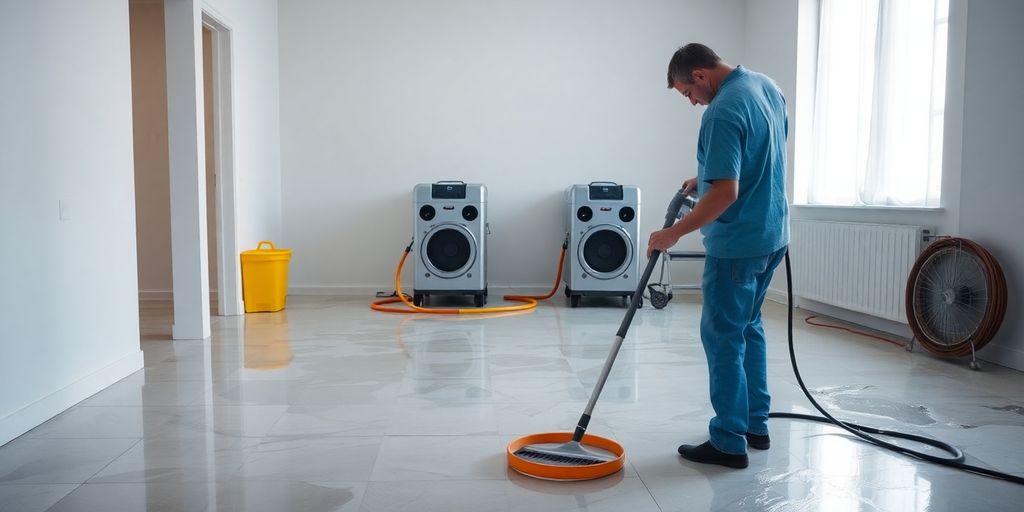
When dealing with water damage, the first step is to remove the standing water. This is crucial because stagnant water can lead to further structural damage and mold growth. Industrial vacuums and submersible pumps are commonly used for this task. Once the bulk of the water is extracted, portable wet/dry vacuums come into play for removing residual moisture. Professionals often use moisture meters or infrared thermal cameras to detect hidden moisture behind walls or under floors.
Drying and Dehumidification
After the water extraction, the next step is drying and dehumidifying the affected areas. This process can be extensive, especially if the damage is severe. Heavy-duty fans and commercial dehumidifiers are essential tools in this phase. Sometimes, simply opening windows and doors can help increase air circulation. However, the drying process might take longer if it involves removing parts of walls or floors. Continuous monitoring ensures that drying is effective and prevents further issues like mold.
Cleaning and Sanitizing Affected Areas
Once everything is dry, cleaning and sanitizing the area is vital to eliminate any contaminants, bacteria, or mold spores. This step involves using specialized cleaning agents and equipment like HEPA vacuums and air scrubbers. If the water damage is severe, such as Category 3, all surfaces need thorough cleaning with antimicrobial solutions. This not only restores the area but also ensures it’s safe for occupants.
Quick action in water cleanup is essential to prevent further damage and health risks. By following these steps meticulously, you can ensure a safer and healthier environment post-restoration.
Choosing the Right Water Cleanup Service
What to Look for in a Service Provider
Choosing the right water cleanup service can make a world of difference in how quickly and effectively your home is restored. Experience and reputation are key. Look for companies that have been in the business for a while and have positive reviews from past clients. Certifications matter too. Make sure the company is certified by organizations like the Institute of Inspection, Cleaning and Restoration Certification (IICRC).
- Experience: Years in business and client testimonials can give you a good sense of reliability.
- Certifications: Check for IICRC or other industry-standard certifications.
- Response Time: A quick response is crucial in water damage situations.
Questions to Ask Potential Companies
When you’re shopping around for a water cleanup service, don’t hesitate to ask questions. Here are a few to get you started:
- What is your estimated response time?
- Do you offer 24/7 emergency services?
- Can you provide references or testimonials from previous clients?
- What kind of equipment do you use for water extraction and drying?
- Are you experienced in dealing with insurance claims?
Understanding Service Costs
Understanding the costs involved is important, so you’re not hit with unexpected bills. Costs can vary based on the extent of the damage and the services required. Some companies offer a free estimate, which can help you budget accordingly.
| Service Type | Average Cost |
|---|---|
| Water Extraction | $500 – $1500 |
| Drying & Dehumidifying | $1000 – $3000 |
| Mold Remediation | $500 – $4000 |
It’s smart to get multiple quotes and compare them. Consider the scope of work, the quality of materials, and the company’s reputation. This way, you ensure you’re getting comprehensive and accurate services.
For those in need of expert services, Ruach Home Services is a trusted partner, offering thorough assessments and a commitment to quality and transparency.
Preventing Future Water Damage
Regular Maintenance Tips
Keeping up with regular maintenance is like giving your home a health check-up. Regular inspections can catch leaks and other issues before they turn into big problems. Here’s what you should focus on:
- Inspect Roofing and Gutters: Make sure your roof is in good shape and gutters are clear of debris. This keeps water flowing away from your home instead of into it.
- Check Pipes and Appliances: Look for any signs of wear or leaks in pipes and around appliances like dishwashers and washing machines.
- Seal Windows and Doors: Ensure all seals are tight to prevent water from sneaking in during heavy rain.
Installing Water Detection Devices
Technology can be a great ally in preventing water damage. Consider these gadgets:
- Water Leak Detectors: These devices alert you to leaks in real-time, giving you a chance to act fast.
- Smart Thermostats: They not only manage your home’s temperature but can also alert you to potential water issues.
- Sump Pumps: Essential for basements, sump pumps help keep water out by pumping it away from your home.
For more on these devices, check out our expert tips on installation and use.
Creating a Water Damage Emergency Plan
Preparation is key. Having a plan in place can save time and reduce stress when water damage strikes:
- Identify Shut-Off Valves: Know where the main water shut-off valve is located and ensure everyone in the household can access it.
- Emergency Contacts: Keep a list of emergency contacts, including a reliable water cleanup service.
- Evacuation Route: Plan and practice an evacuation route in case of severe flooding.
Taking these steps not only safeguards your home but also gives you peace of mind. Knowing you’re prepared allows you to act quickly and effectively, minimizing potential damage.
The Role of Insurance in Water Damage Restoration
Understanding Your Policy
When it comes to water damage, knowing your insurance policy inside out is a game-changer. Policies can be tricky, with all their limits, deductibles, and exclusions. It’s vital to know what’s covered and what’s not. Spend some time going over your policy details, and if something’s unclear, have a chat with your insurance agent. They can explain the nitty-gritty and help you figure out what steps you need to take to make a claim.
Filing a Water Damage Claim
Filing a claim can feel like a mountain to climb, especially when you’re stressed about the damage. Here’s a quick rundown of steps to make it easier:
- Document Everything: Right after the damage occurs, take photos and jot down notes. This will be your evidence.
- Contact Your Insurer: Get in touch with your insurance company as soon as possible to report the damage.
- Submit Your Claim: Provide all the documentation and details they ask for. The more thorough you are, the smoother the process.
Working with Insurance Adjusters
An insurance adjuster is like your go-to person during the claims process. They’ll assess the damage and determine how much your insurer will cover. It’s a good idea to be around when they visit your property. You can show them the damage and discuss any concerns. Being proactive helps ensure that nothing gets overlooked.
Remember, insurance can be your best friend or your biggest headache when dealing with water damage. Understanding your policy and knowing how to file a claim can make all the difference.
Restoring Your Home After Water Damage
Repairing Structural Damage
When your home faces water damage, the first thing to tackle is the structural damage. This involves checking the integrity of walls, floors, and ceilings. Structural repairs are crucial because water can weaken these areas, making them unsafe. Start by inspecting for any visible cracks or warping. If you spot these issues, it’s time to call in professionals who can assess the full extent of the damage. They might use special tools to check moisture levels and determine which parts of your home need fixing or replacing.
Restoring Personal Belongings
After taking care of the structure, the next step is dealing with your personal belongings. Water can ruin furniture, electronics, and even important documents. Here’s a quick list of what to do:
- Assess the damage: Decide what can be salvaged and what needs to be discarded.
- Dry out items: Use fans and dehumidifiers to dry out salvageable items.
- Clean and disinfect: Sanitize items to prevent mold and mildew.
Sometimes, you might need to send items to a professional restoration service, especially if they are valuable or hold sentimental value.
Final Inspection and Approval
Once all repairs and restorations are done, a final inspection is essential. This step ensures that everything is back to its pre-damage state. During this inspection, check for any lingering moisture or signs of mold. It’s also a good idea to walk through your home with a professional to make sure all issues have been addressed. This final step gives you peace of mind and confirms that your home is safe and sound again.
Remember, effective water damage cleanup involves assessing the severity of the damage, identifying and stopping the water source, and evaluating the extent of the impact. Proper steps must be taken to ensure thorough repairs and restoration.
If your home has suffered from water damage, it’s crucial to act quickly. Start by turning off the water supply and moving any valuables to a safe place. After that, reach out to our team for professional help. We specialize in restoring homes to their original condition, ensuring a smooth and efficient process. Don’t wait—visit our website today to learn more about our water damage restoration services!
Wrapping It Up
So, there you have it. Dealing with water damage is no small feat, but with the right help, it doesn’t have to be a nightmare. Whether it’s a burst pipe or a surprise storm, getting on top of the situation quickly is key. Professional water cleanup services can be a lifesaver, handling everything from drying out your space to dealing with mold and even helping with insurance claims. It’s all about getting your home back to normal as soon as possible. Remember, it’s not just about fixing what’s broken—it’s about making sure it doesn’t happen again. So, keep an eye out for potential issues and don’t hesitate to call in the experts when you need them. Your home deserves the best care, and so do you.
Frequently Asked Questions
What causes water damage in homes?
Water damage can happen due to things like broken pipes, heavy rain, or even a leaking roof. It’s important to fix these issues quickly to prevent bigger problems.
How can I tell if my home has water damage?
Look for signs like wet spots on walls or ceilings, a musty smell, or mold growth. These can all be clues that there’s water damage.
Why is it important to clean up water damage fast?
Cleaning up quickly helps stop further damage and can prevent mold from growing, which can be harmful to your health.
What should I ask a water cleanup service before hiring?
You should ask about their experience, if they’re available 24/7, and what their costs are. It’s also good to know if they work with your insurance.
Can water damage be prevented?
Yes, by doing regular checks on your plumbing, keeping gutters clean, and installing water detection devices, you can help prevent water damage.
Will my insurance cover water damage repairs?
It depends on your policy. Some insurance plans cover water damage, but it’s best to check your own policy or ask your insurance agent.