
So, your roof’s looking a bit tired, huh? Maybe you’ve spotted a few leaks or some shingles are missing. Roof restoration might be the answer you’re looking for. It’s not just about fixing stuff; it’s about giving your roof a whole new life. This guide is here to help you figure out if your roof needs some TLC, what materials to use, and whether you should call in the pros or roll up your sleeves and DIY it. Let’s dive into the world of roof restoration!
Key Takeaways
- Roof restoration is more than just repairs; it revitalizes your entire roof.
- Look out for signs like leaks, visible damage, and aging materials to know if restoration is needed.
- Choosing the right materials can affect the longevity and cost of your roof restoration.
- Decide between hiring a professional or doing it yourself based on your skills and safety concerns.
- Regular maintenance after restoration keeps your roof in top shape for years to come.
Understanding Roof Restoration
What is Roof Restoration?
Roof restoration is a process that goes beyond mere repairs, aiming to bring an old, worn-out roof back to life. It involves cleaning, repairing, and recoating the existing roof to extend its life without the need for a full replacement. This process is not just about aesthetics; it also enhances the roof’s functionality. Think of it as giving your roof a second chance, boosting its durability and appearance.
Benefits of Roof Restoration
There are several advantages to opting for roof restoration:
- Cost-Effective: Compared to a complete roof replacement, restoration is typically more budget-friendly.
- Energy Efficiency: A restored roof can improve insulation, helping to maintain indoor temperatures and reduce energy bills.
- Environmental Impact: By restoring rather than replacing, you reduce waste and the demand for new materials.
Common Misconceptions About Roof Restoration
Many homeowners have misconceptions about what roof restoration entails:
- "It’s just a cosmetic fix." While it does improve appearance, restoration also addresses structural issues.
- "Only old roofs need it." Even relatively new roofs can benefit from restoration if they show signs of wear.
- "It’s not as effective as replacement." When done correctly, restoration can extend a roof’s life significantly.
Roof restoration isn’t just about fixing what’s broken. It’s about breathing new life into your home, ensuring safety, and enhancing curb appeal. By choosing restoration, you’re making a smart investment in your property’s future.
Identifying Signs Your Roof Needs Restoration
Visible Damage and Wear
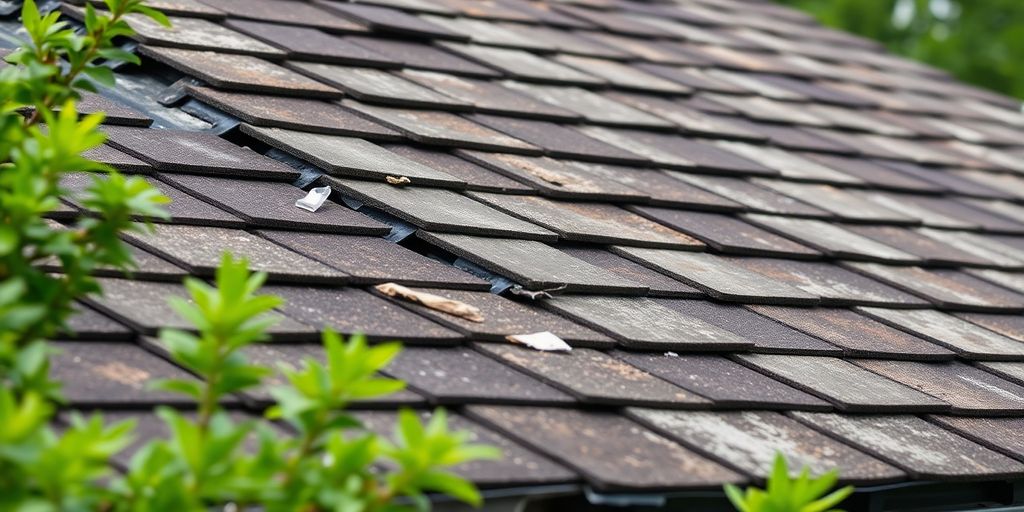
When it comes to spotting signs that your roof might need some tender loving care, visible damage is often the first clue. Cracked or missing shingles, sagging areas, and uneven surfaces are all red flags. These issues not only affect your home’s curb appeal but can also lead to more severe problems if left unchecked. Keep an eye out for discoloration or patches that look different from the rest of the roof, as these can indicate underlying damage.
Leaks and Water Damage
Water damage is a sneaky culprit that can cause significant harm before you even notice it. Drips and stains on your ceiling or walls are telltale signs that water is getting through. In some cases, you might even notice a musty smell, which can suggest mold growth. It’s crucial to address these issues promptly to prevent further damage and potential health hazards from mold. If you’re uncertain about the extent of the damage, consider reaching out to Ruach Home Services for professional guidance.
Age and Material Considerations
Every roof has a lifespan, and as it ages, it becomes more susceptible to wear and tear. Most roofs last between 20 to 30 years, depending on the materials used. If your roof is approaching this age range, it might be time to start planning for restoration. Additionally, certain materials like asphalt shingles may degrade faster in harsh weather conditions. It’s wise to assess your roof’s material and age to determine the urgency of restoration.
"A well-maintained roof is your home’s first line of defense against the elements. Keeping it in good shape can save you money and headaches down the road."
In summary, regularly inspecting your roof for visible damage, leaks, and considering its age and materials can help you decide when it’s time for a restoration. Taking action early can prevent minor issues from escalating into costly repairs.
Choosing the Right Materials for Roof Restoration
Comparing Roofing Materials
Choosing the right roofing material is like picking the perfect pair of shoes. You want something that fits well, lasts a long time, and looks good. Asphalt shingles are the most common choice for many homeowners because they are affordable and easy to install. Metal roofing, on the other hand, offers durability and is resistant to harsh weather conditions. Clay tiles give a classic look and are known for their longevity, but they can be heavy and expensive.
Here’s a quick comparison:
| Material | Pros | Cons |
|---|---|---|
| Asphalt Shingles | Affordable, easy to install | Shorter lifespan, less durable |
| Metal Roofing | Long-lasting, weather-resistant | Higher upfront cost, noisy |
| Clay Tiles | Durable, classic appearance | Heavy, expensive |
Eco-Friendly Options
If you’re thinking about the environment, there are some great eco-friendly roofing options out there. Recycled shingles are made from waste materials and can be a great choice if you’re looking to reduce your carbon footprint. Metal roofs are also eco-friendly because they reflect sunlight, reducing cooling costs in the summer. Green roofs, which are covered with plants, not only look cool but also help with insulation and air quality.
- Recycled Shingles: Made from waste materials, reducing landfill impact.
- Metal Roofing: Reflects sunlight, helping to keep your home cooler.
- Green Roofs: Covered with vegetation, offering insulation and improved air quality.
Cost vs. Longevity
When you’re planning a roof restoration, it’s important to balance cost with how long the materials will last. While asphalt shingles might be cheaper upfront, metal roofing could save you money in the long run because it lasts longer. Clay tiles, though pricey, offer a timeless look and durability that can outlast many other materials.
Balancing your budget with your roof’s lifespan can be tricky, but it’s all about finding what works best for your home and your wallet.
Remember, investing in quality materials can save you from frequent repairs and replacements down the line. If you’re unsure about what to choose, consider reaching out to a professional like Ruach Home Services who can guide you through the process with their expertise in roofing and exterior remodeling.
The Roof Restoration Process Explained
Initial Inspection and Assessment
Before diving into any roof restoration project, the first step is a thorough inspection. This involves checking for any visible signs of damage, such as missing shingles, cracks, or leaks. A professional will often climb onto the roof to get a closer look, ensuring that even the smallest details are not overlooked. It’s crucial to identify all problem areas early on to avoid costly surprises later. Homeowners can also opt for a drone inspection if getting up on the roof seems daunting.
Cleaning and Preparation
Once the inspection is complete, the next step is cleaning and preparing the roof. This involves removing any debris, moss, or algae that may have accumulated over time. A clean surface is important for ensuring that new materials adhere properly. Power washing is a common method used, but care must be taken to avoid damage to the roofing material. In some cases, a simple broom or brush might be more appropriate.
Repair and Replacement Techniques
After cleaning, it’s time to address any repairs or replacements. This could involve patching up leaks, replacing damaged shingles, or even reinforcing the roof structure. It’s a good idea to consult with a professional, like those at Ruach Home Services, to determine the best materials and techniques for your specific roof type. Some common techniques include resealing seams, applying protective coatings, and installing new flashing around vents and chimneys.
Restoring a roof is not just about fixing what’s broken; it’s about making sure the entire structure is sound and ready to withstand the elements for years to come.
Hiring a Professional vs. DIY Roof Restoration
Pros and Cons of Professional Services
When it comes to roof restoration, one major decision is whether to hire a professional or go the DIY route. Professionals bring expertise and experience, ensuring that the job is done correctly and efficiently. They have access to specialized tools and materials that might not be available to the average homeowner. Plus, they can often spot issues that might be missed by an untrained eye.
However, hiring a professional can be costly. You’ll need to budget for labor costs in addition to materials. On the other hand, a professional service can save you time and potential headaches, as they handle everything from start to finish.
Essential Tools for DIY
If you’re leaning towards a DIY roof restoration, you’ll need to gather some essential tools. Here’s a quick list to get you started:
- Ladder: A sturdy, reliable ladder is crucial for accessing your roof safely.
- Safety gear: This includes gloves, goggles, and a harness to protect yourself while working at heights.
- Roofing nails and hammer: For securing shingles and other materials in place.
- Sealant and applicator: To ensure your roof is watertight and free from leaks.
DIY can be a rewarding experience, but it’s important to have the right tools and knowledge before tackling such a project.
Safety Considerations
Safety should always be a top priority when working on your roof. Here are some key points to consider:
- Assess the weather conditions before starting your project. Avoid working on the roof during rain or strong winds.
- Use fall protection equipment, like a harness and anchor, to prevent accidents.
- Make sure your ladder is secure and placed on stable ground.
It’s easy to underestimate the risks involved in roof restoration. Taking proper safety precautions can prevent accidents and ensure a successful project.
Deciding between hiring a professional and doing it yourself depends on your budget, time, and comfort level with taking on such a task. If you’re unsure, consulting with a roofing expert like Ruach Home Services can provide valuable insights and help you make the best choice for your home.
Maintaining Your Roof Post-Restoration
Regular Inspection Tips
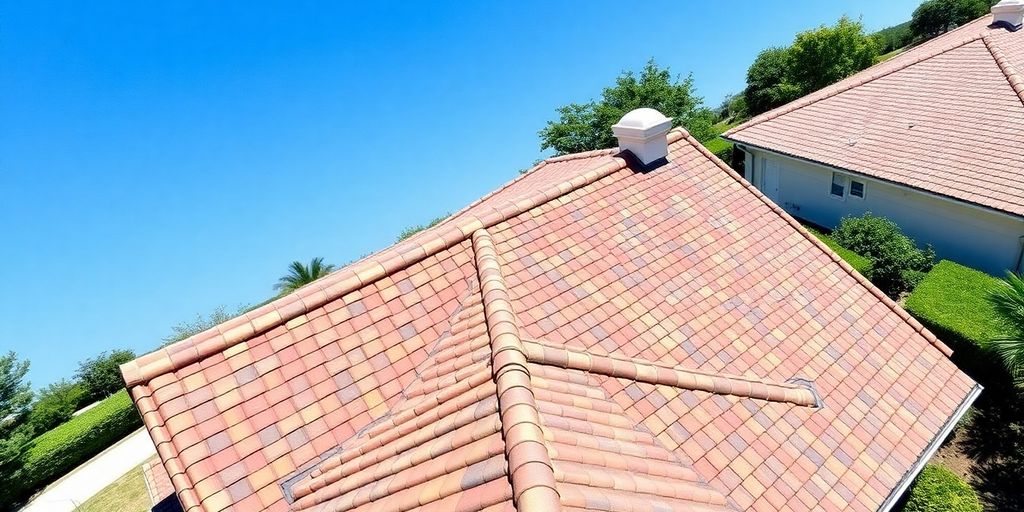
Once your roof is restored, keeping an eye on it regularly is a must. Inspect your roof at least twice a year, preferably in spring and fall. Look out for missing or damaged shingles, rust spots on flashing, and any signs of mold or mildew. Early detection of issues can save you from costly repairs down the line.
Preventative Measures
Taking proactive steps can significantly extend the life of your roof. Trim back overhanging branches and vegetation to prevent debris accumulation and enhance airflow, which aids in keeping the roof in good condition. Ensure your gutters are clean and free-flowing to avoid water pooling and potential leaks. Additionally, consider applying a protective sealant to shield your roof from harsh weather conditions.
Seasonal Maintenance Advice
Different seasons bring different challenges. In winter, watch out for ice dams and heavy snow loads that can stress your roof. During the summer, check for signs of sun damage like cracking or fading. Fall is a good time to clear leaves and debris, while spring is ideal for checking for any damage caused by winter storms.
Keeping up with roof maintenance might seem like a chore, but it’s a small price to pay for peace of mind. A well-maintained roof not only protects your home but can also boost its curb appeal and value.
Cost Considerations in Roof Restoration
Budgeting for Roof Restoration
When planning for a roof restoration, setting a budget is the first step. Understanding your financial limits helps in making informed decisions about materials and services. Consider all potential expenses, including unexpected repairs that might arise during the process. A well-thought-out budget can prevent overspending and ensure a smooth project.
Understanding Quotes and Estimates
Getting multiple quotes from different contractors is crucial. This not only helps in comparing prices but also in understanding what each service offers. Look for detailed estimates that break down costs into labor, materials, and any additional charges. Remember, the cheapest option isn’t always the best. Quality and reliability should weigh heavily in your decision.
Financing Options
Roof restoration can be a significant expense, but there are financing options available. Home improvement loans or lines of credit can spread the cost over time, making it more manageable. Some contractors offer payment plans, so it’s worth asking about these options. Evaluate interest rates and terms carefully to find the best fit for your situation.
Investing in your roof is investing in your home’s future. Proper planning and financial management can make the restoration process less daunting and more rewarding.
For more detailed insights into costs, including factors that influence them, you might find it helpful to understand that roof repair costs average around $1,067, with a typical range of $379 to $1,755. Key factors influencing these costs include the age of the roof and other related variables.
When thinking about restoring your roof, it’s important to consider the costs involved. Roof restoration can be a smart investment, but you need to plan your budget carefully. If you’re ready to learn more about how we can help you with your roof restoration needs, visit our website today!
Wrapping It Up
So, there you have it, folks. Roof restoration might seem like a big task, but with the right info and a bit of elbow grease, it’s totally doable. Whether you’re patching up a few shingles or giving your roof a full makeover, remember to take your time and do it right. It’s all about keeping your home safe and looking good. And hey, if you ever feel stuck, don’t hesitate to call in the pros. They’ve got the skills and tools to get the job done. At the end of the day, a well-kept roof means peace of mind and a happy home. So go ahead, give your roof the love it deserves!
Frequently Asked Questions
What is roof restoration and why should I consider it?
Roof restoration is fixing up your roof to make it look and work like new again. It’s a good idea because it can make your roof last longer and save you money in the long run.
How do I know if my roof needs restoration?
Look for signs like cracked or missing shingles, leaks, or if your roof is really old. If you see these, it might be time to think about restoring it.
Can I do roof restoration myself, or should I hire someone?
You can try doing it yourself if you have the right tools and feel safe doing it. But hiring a professional might be better because they have the experience to do it right.
What materials should I use for roof restoration?
Choose materials that fit your budget and last a long time. There are also eco-friendly options if you want to be kind to the environment.
How much does roof restoration usually cost?
The cost can vary a lot depending on the size of your roof and the materials you pick. It’s a good idea to get a few quotes to compare prices.
How can I keep my roof in good shape after restoration?
Check your roof regularly for any damage, clean it, and make repairs as needed. Doing this can help your roof last even longer.