
Thinking about giving your home a fresh look for 2025? You’re in the right place. This year, space remodeling is all about creativity and smart use of technology. From open living spaces to eco-friendly designs, the focus is on making your home more functional and stylish. Let’s dive into some of the most exciting ideas that can transform your living space.
Key Takeaways
- Open up your home with fewer walls to create a spacious feel.
- Blend indoor and outdoor areas for a more connected living space.
- Use smart technology to make your home more efficient and secure.
- Opt for sustainable materials to create an eco-friendly home.
- Embrace bold designs and colors to make a statement.
Embrace Open Concept Living
Maximizing Space with Minimal Walls
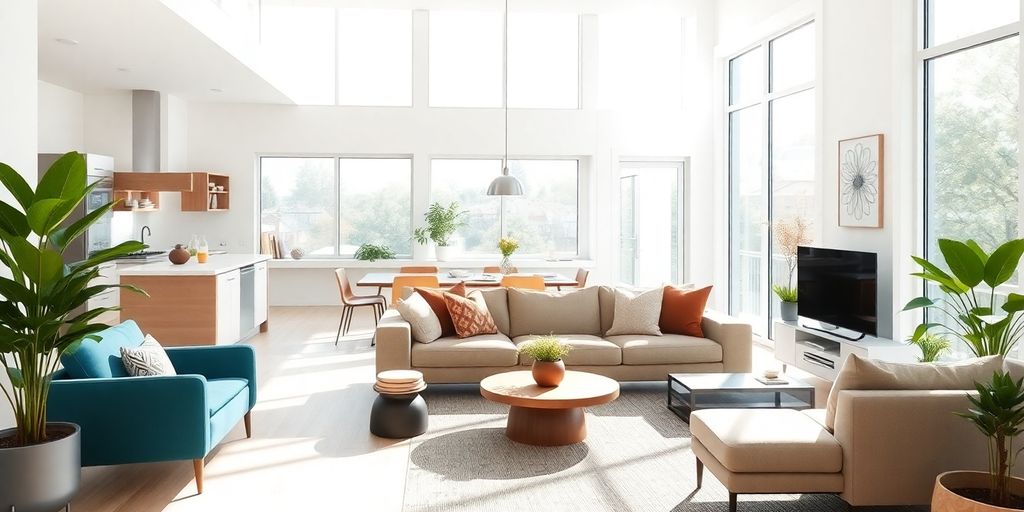
Open concept living is all about tearing down walls—literally and figuratively—to create a space that feels bigger and more welcoming. By reducing the number of walls, you can make your home feel more expansive and airy. Consider removing non-structural walls to merge your living, dining, and kitchen areas into one large, cohesive space. This not only enhances the flow of your home but also makes it easier to entertain guests. Plus, with fewer walls, natural light can flood through, making your space feel even more open.
Creating Seamless Indoor-Outdoor Flow
Blurring the lines between indoor and outdoor spaces is a hot trend for 2025. Imagine stepping from your living room right into your garden without missing a beat. You can achieve this by integrating large glass doors or retractable walls that open up completely. This approach not only extends your living space but also brings in fresh air and natural elements, enhancing your home’s ambiance. Outdoor kitchens, cozy seating areas, and weather-resistant decor can make your outdoor space as comfortable and stylish as your indoor areas.
Incorporating Multi-Functional Furniture
In an open-concept layout, furniture plays a crucial role in defining spaces. Multi-functional furniture pieces are the unsung heroes here. Think of a kitchen island that doubles as a dining table or a sofa with hidden storage. These pieces help to maintain a clean, uncluttered look while providing practicality. With the right furniture, you can create distinct zones in your open space without the need for walls. This setup not only maximizes utility but also keeps your home looking sleek and modern.
Embracing an open concept design can transform your home into a more vibrant and flexible space, perfect for both relaxation and entertainment. It’s about creating a home that feels bigger, brighter, and more connected to the world outside.
Incorporate Smart Home Technology
Integrating Voice-Controlled Systems
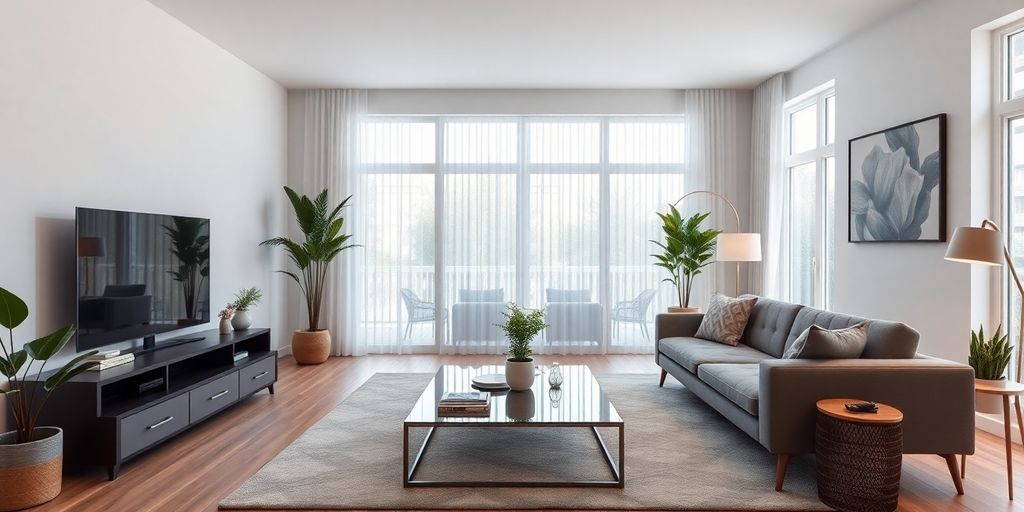
Voice-controlled systems are the backbone of smart homes in 2025. Imagine waking up and simply telling your house to start the coffee maker or dim the lights. It’s not just about convenience; it’s about creating a living space that responds to you. Voice assistants are becoming more intuitive, understanding nuanced commands and even recognizing individual voices for personalized settings. For those looking to remodel, incorporating these systems can be as simple as upgrading your current devices or opting for smart appliances.
Enhancing Security with Smart Devices
Security is a top priority for homeowners, and smart technology is making it easier than ever to protect your home. From smart locks that allow you to unlock your door with your phone to cameras that notify you of movement, these devices offer peace of mind. Plus, many systems are now integrated, meaning you can control and monitor everything from a single app. If you’re considering a home renovation, think about adding smart security features for an extra layer of safety.
Energy Efficiency Through Automation
One of the biggest benefits of smart home technology is energy efficiency. Automated systems can adjust heating, cooling, and lighting based on your schedule, reducing waste and lowering bills. Smart thermostats, for example, learn your habits and adjust temperatures accordingly. Consider investing in energy-efficient appliances that can be controlled remotely, allowing you to manage energy use even when you’re not home.
In the future, homes will not just be places we live in, but interactive environments that adapt to our needs and preferences. Embracing smart technology today is a step towards a more efficient and connected tomorrow.
Sustainable and Eco-Friendly Designs
Using Recycled and Upcycled Materials
In 2025, being eco-conscious is not just a trend—it’s a lifestyle. Choosing materials like reclaimed wood, recycled metal, and upcycled textiles can significantly reduce your carbon footprint. These materials not only add a unique charm to your home but also tell a story of sustainability and creativity. Consider:
- Reclaimed Wood: Perfect for flooring, furniture, and even decorative accents.
- Recycled Metal: Great for fixtures and structural elements.
- Upcycled Textiles: Use them for upholstery, curtains, and decorative pillows.
Incorporating Energy-Efficient Appliances
Switching to energy-efficient appliances is a smart move for both the environment and your wallet. Modern appliances consume less energy and often come with smart features that enhance their functionality. Consider replacing old appliances with:
- LED Lighting: These bulbs use less energy and last longer.
- Smart Thermostats: They adjust the temperature based on your habits, saving energy.
- Energy Star Rated Appliances: Look for this label when shopping for new appliances.
Choosing Sustainable Textiles and Decor
Opting for sustainable textiles and decor is another step towards a greener home. Fabrics like organic cotton, bamboo, and hemp are not only eco-friendly but also durable and stylish. Here are some options to consider:
- Organic Cotton: Ideal for bedding and clothing.
- Bamboo: Use it for sheets and towels.
- Hemp: Great for rugs and upholstery.
Embracing sustainability in your home design means making choices that benefit both your living space and the planet. From recycled materials to energy-efficient appliances, every decision counts. For more practical ideas on creating a sustainable home, check out these tips.
Biophilic Design for a Natural Touch
Bringing the Outdoors Inside
Biophilic design is all about making your home feel like a natural retreat. Think about adding plants everywhere—hanging from the ceiling, climbing up walls, or just sitting in pots. This not only looks good but can also make you feel more relaxed and connected to nature. Try to use natural light as much as possible by opening up windows or using sheer curtains.
Using Natural Materials and Textures
Incorporate materials like wood, stone, and bamboo into your design. These can be used in furniture or as decorative elements. The idea is to create a warm, inviting atmosphere that feels both organic and cozy. Natural textures can be a game-changer, adding depth and interest to any room.
Creating Indoor Green Spaces
Setting up a small indoor garden or a vertical plant wall can do wonders for your space. Not only does it look cool, but it also helps improve air quality. You could even dedicate a corner of your living room to a mini jungle of sorts. It’s a fun way to bring a bit of the wild into your home without stepping outside.
Embracing biophilic design is like inviting nature into your home, creating a space that’s both calming and invigorating. It’s about finding that perfect balance between the indoors and the outdoors, making your living space a sanctuary of peace and tranquility.
Maximalism: Bold and Beautiful
Maximalism is all about embracing abundance and making a statement with your home decor. This trend celebrates bold patterns, vibrant colors, and layered textures to create spaces that are visually rich and full of life. Maximalism, the opposite of minimalism, is about more being more. It’s about filling your space with pieces that bring you joy and tell a story. Here’s how you can incorporate maximalism into your home in 2025.
Layering Patterns and Textures
One of the key elements of maximalism is the use of multiple patterns and textures. Start with a neutral base to avoid overwhelming the space, then gradually add layers of color and pattern. Consider mixing florals, stripes, and geometric shapes to create a dynamic and engaging environment. The trick is to limit your palette to three or four colors to keep the pattern mix from becoming overwhelming.
- Start with a Neutral Base: Use neutral colors for walls and large furniture pieces.
- Add Bold Patterns: Integrate bold patterns through rugs, cushions, and throws.
- Mix Textures: Combine different fabrics like velvet, silk, and cotton for added depth.
Incorporating Statement Furniture
Maximalism is the perfect opportunity to showcase statement furniture that stands out. Look for pieces with intricate designs or bold colors that draw the eye and serve as focal points in your room. Vintage and retro furniture can add a nostalgic charm, while modern pieces can bring a fresh twist.
- Choose Bold Colors: Opt for furniture in vibrant hues like teal, mustard, or terracotta.
- Look for Unique Designs: Seek out pieces with unique shapes or intricate detailing.
- Mix Old and New: Combine vintage finds with contemporary items for a balanced look.
Using Vibrant Colors and Accents
Vibrant colors are a hallmark of maximalism. Don’t be afraid to use bold hues to create an exciting and lively atmosphere. Incorporate these colors through artwork, cushions, and other decorative elements. Black accents can also provide a striking contrast and anchor the room’s design.
- Incorporate Bold Hues: Use bright colors in artwork and decor to add energy.
- Balance with Neutrals: Soften the look with neutral tones to prevent it from becoming too chaotic.
- Use Black Accents: Add black elements for contrast and to highlight other colors.
In maximalism, every piece tells a story. It’s not just about filling a room with things; it’s about creating a space that reflects your personality and style. Embrace the chaos and let your creativity run wild.
For those looking to redefine their living spaces, embracing bold colors, sustainable materials, and multifunctional furniture is the way to go in 2025. Maximalism offers a unique opportunity to express individuality and creativity through interior design.
Minimalist Spaces with a Twist
Focusing on Functionality and Simplicity
Minimalism is all about keeping things simple and functional. But in 2025, it’s getting a bit of a twist. Imagine spaces that aren’t just bare but also smartly designed to make life easier. Think of furniture that serves more than one purpose. Like a bed with storage underneath or a table that can expand when you have guests over. It’s about making the most of what you have without cluttering up your space.
Incorporating Subtle Color Accents
While minimalism often sticks to neutral colors, adding a splash of color can really make a space pop. Use earthy tones like cinnamon or sage green to give your home a warm, inviting feel. These colors can be integrated through small items like cushions, vases, or even a feature wall. The key is to keep it subtle so the space still feels open and airy.
Using Sleek and Modern Furniture
Furniture in a minimalist space should be sleek and modern. Look for pieces with clean lines and simple shapes. Materials like metal and glass can add a touch of sophistication. The idea is to choose furniture that complements the space without overwhelming it. This way, you maintain that minimalist vibe while still having a stylish, functional home.
Minimalism with a twist isn’t just about reducing clutter; it’s about creating a space that feels both open and welcoming. By focusing on functionality, incorporating subtle colors, and choosing the right furniture, you can transform your home into a modern haven that’s perfect for 2025.
Artisanal and Handcrafted Elements
Celebrating Local Artisans
Supporting local artisans is more than just a trend—it’s a meaningful way to add character to your home. When you buy handmade items, you’re not just getting a product; you’re getting a piece of someone’s craft. These items often have unique stories behind them, making them perfect conversation starters. Plus, by choosing locally made goods, you’re helping to sustain small businesses and reduce the carbon footprint associated with shipping mass-produced items.
Incorporating Handmade Decor
Handmade decor can transform a space from ordinary to extraordinary. Think about adding artisanal pottery, handwoven textiles, or custom woodwork to your rooms. These pieces add texture and depth, creating a warm and inviting atmosphere. A handmade ceramic vase or a hand-carved wooden bowl can serve as a focal point in a room, adding both beauty and a personal touch.
Using Unique and Personalized Pieces
Personalized pieces are a great way to make your home truly yours. Consider commissioning a local artist to create a custom painting or sculpture. These unique items reflect your personality and style, setting your space apart from the cookie-cutter designs found in big-box stores. Embrace the imperfections that come with handcrafted items—they add charm and authenticity to your decor.
In a world where everything seems to be mass-produced, choosing artisanal and handcrafted elements allows you to express individuality and support craftsmanship. It’s a small but impactful way to make your home feel special and uniquely yours.
For those interested in 2025 home remodeling trends, incorporating artisanal elements can enhance the aesthetic and functionality of your living spaces, creating a harmonious blend of style and personal expression.
Flexible and Adaptable Living Areas
Designing for Multi-Use Spaces
Creating spaces that serve multiple functions is becoming a necessity in modern homes. With more people working from home and needing areas for relaxation, entertainment, and work, it’s crucial to design rooms that can easily transition between different uses. Think about how a living room can double as a home office or a guest bedroom. Here are some tips for designing multi-use spaces:
- Zoning: Use rugs, partitions, or furniture arrangements to define different areas within a single room.
- Convertible Furniture: Invest in sofa beds, foldable desks, or extendable dining tables for versatile use.
- Storage Solutions: Opt for furniture with built-in storage to maximize space.
Incorporating Convertible Furniture
Convertible furniture is the unsung hero of adaptable living areas. These pieces can change form to suit your needs, making them perfect for small spaces or homes where flexibility is key. Consider these options:
- Sofa beds that transform a living room into a guest room.
- Foldable desks that create an instant office.
- Extendable dining tables for large gatherings.
Creating Zones for Different Activities
Designing your home to have different zones can help make the most of your space. By using furniture, rugs, or even paint, you can create distinct areas for different activities:
- Relaxation Zone: A cozy corner with plush seating and soft lighting.
- Work Zone: A dedicated space with a desk and office supplies.
- Play Zone: An area with storage for toys and games.
As lifestyles continue to evolve, the demand for flexible and adaptable living spaces will only grow. By incorporating these ideas into your home, you can create a space that meets all your needs without feeling cramped or cluttered.
For those looking to revamp their living spaces with a touch of innovation, considering Ruach Home Services for your next home renovation project could be a game-changer. Their expertise in remodeling ensures that your home becomes both functional and aesthetically pleasing.
Creating living spaces that are flexible and adaptable is essential for modern homes. These areas can easily change to fit your needs, whether you want a cozy family room or a spacious area for entertaining. If you’re looking to transform your home into a more versatile space, visit our website for expert tips and services that can help you achieve your dream home!
Conclusion
So, there you have it, a peek into the future of home remodeling for 2025. Whether you’re thinking about a small tweak or a major overhaul, the key is to make your space work for you. It’s all about blending style with practicality. Maybe you’re into bold colors or perhaps you prefer a more natural vibe. Whatever your taste, there’s a trend out there that fits. Remember, your home should be a reflection of who you are, so don’t be afraid to let your personality shine through. Happy remodeling!
Frequently Asked Questions
How can I make my home more eco-friendly?
To make your home eco-friendly, use recycled materials like reclaimed wood and energy-saving appliances. You can also choose non-toxic paints and install LED lighting to save energy.
What are the popular colors for home design in 2025?
In 2025, popular colors include warm earth tones like terracotta and olive green. These colors bring a cozy and natural feel to your home.
How do I create a multi-functional space in my home?
Create a multi-functional space by using furniture that can serve more than one purpose, like a sofa bed or a foldable table. Use rugs and shelves to define different areas.
What is biophilic design and how can I use it at home?
Biophilic design is about bringing nature inside. You can do this by adding lots of plants, using natural materials like wood and stone, and letting in lots of natural light.
How can smart technology improve my home?
Smart technology can make your home more convenient by allowing you to control lights, temperature, and security systems with your voice or smartphone.
What is maximalism in home design?
Maximalism is a style that uses bold colors, patterns, and textures to create a lively and vibrant space. It’s about mixing different styles and making a statement.