
Owning a home in DC is no small task. Between the unpredictable weather and the wear and tear of daily life, maintenance can feel like a full-time job. From seasonal upkeep to emergency fixes, knowing what your house needs and when can save you from costly repairs down the road. This guide dives into the key DC home repair services you should keep on your radar in 2025.
Key Takeaways
- Stay proactive with seasonal maintenance to avoid bigger issues later.
- Address plumbing concerns like frozen pipes and leaks early.
- Regular roof and gutter care can prevent water damage and ice buildup.
- Energy-efficient upgrades, like sealing windows and maintaining HVAC systems, can save on utility bills.
- Outdoor tasks like tree trimming and deck repairs keep your property safe and looking great.
Seasonal Maintenance Tips for DC Homes
Preparing Your Home for Winter
Winter in DC can be tough, so getting your home ready is a must. Seal gaps and cracks around windows and doors to keep the cold air out and your heating bills manageable. Take a walk around your foundation to look for any cracks; addressing them early can prevent bigger structural problems later. Also, test your smoke and carbon monoxide detectors—heating systems and fireplaces are used more often in winter, increasing the risk of house fires or CO poisoning.
- Inspect your roof for any damage from previous seasons.
- Clear gutters to ensure proper drainage when snow melts.
- Stock up on essentials like salt or sand for icy walkways.
Spring Cleaning and Repairs
Spring is all about fixing what winter broke. Start with your roof—check for missing or cracked shingles and repair them before spring rains cause water damage. Clean out gutters and downspouts to handle the extra water from melting snow and spring showers. This is also a great time to service your air conditioning system before the heat arrives.
- Prepare your yard by raking leaves and adding fresh mulch.
- Inspect exterior faucets and irrigation systems for any freeze damage.
- Trim trees—removing weak branches now can prevent them from falling during summer storms.
Spring is the season of renewal, and your home deserves the same attention as your garden.
Summer Outdoor Projects
With warm weather, summer is perfect for tackling outdoor projects. Focus on your deck or patio—check for loose boards and reseal the surface if needed. Clean and repair windows and doors to keep bugs out and your energy bills down.
- Maintain your lawn by mowing, watering, and removing weeds.
- Inspect your home’s siding and repair any damage.
- Clean outdoor vents and exhausts to ensure proper airflow.
Fall Preparations for Energy Efficiency
As temperatures drop, fall is your chance to prepare for the colder months ahead. Sealing windows and doors can save you up to 15% on heating costs, according to Energy Star. Test your fireplace and chimney to make sure they’re in working order before winter arrives.
- Check your HVAC system and replace filters.
- Clear leaves from gutters to avoid clogs and water damage.
- Fertilize your lawn to keep it healthy through the winter.
Seasonal maintenance keeps your home safe, efficient, and ready for whatever weather DC throws your way.
Essential Plumbing Repairs for DC Homes
Preventing Frozen Pipes in Winter
Winter in DC can be brutal, and frozen pipes are a common headache. When water freezes, it expands, often leading to burst pipes and costly repairs. To avoid this nightmare, insulate any exposed pipes, especially in basements, attics, and crawl spaces. On particularly cold nights, let faucets drip slightly to keep water moving. If your home is older, consider opening cabinet doors under sinks to let warm air circulate around the plumbing. For emergencies, Emerald Plumbing Co.’s pipe repair services can save the day if a pipe does burst.
Checking Exterior Faucets and Irrigation Systems
After a freezing winter, it’s a good idea to inspect your outdoor faucets and irrigation systems. Turn on the water and watch for leaks or low pressure—it could mean a pipe cracked during the winter. If you spot any issues, fix them promptly to avoid water waste and more damage. Regular maintenance, like draining and shutting off the water supply to outdoor pipes before winter hits, can prevent these problems altogether.
Addressing Leaks and Water Damage
Leaks are sneaky—they can hide behind walls or under floors, causing extensive water damage if ignored. Check under sinks, around toilets, and near appliances for any signs of moisture or discoloration. Sometimes, even a small drip can lead to mold or structural damage. If you’re unsure about the extent of an issue, bring in a professional to assess and repair it. A quick fix now can save you from a major headache later.
Roof and Gutter Maintenance in DC
Inspecting Roofs After Storms
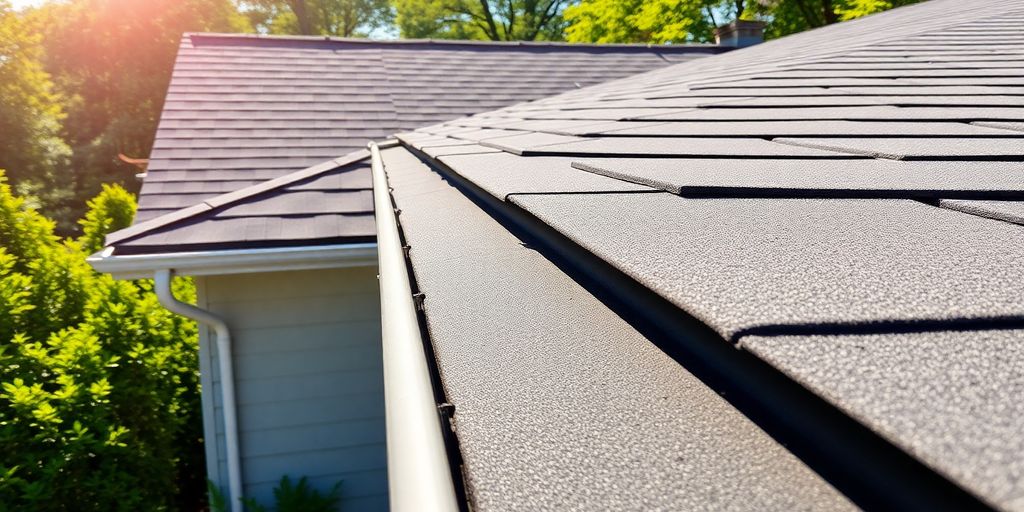
After a storm, it’s always wise to take a close look at your roof. Heavy winds and rain can loosen shingles or even cause structural damage. Missing or cracked shingles can let water seep into your home, leading to mold or worse. If you spot anything unusual, it’s better to call in a professional like Ruach Home Services, who specializes in roof repair and can assess the damage thoroughly. Even if everything looks fine, scheduling a professional inspection every few years is a smart move.
Cleaning Gutters and Downspouts
Clogged gutters are a recipe for water damage. Leaves, twigs, and other debris can block the flow, causing water to overflow and pool near your home’s foundation. To keep things running smoothly, make gutter cleaning a regular habit—especially in the fall. Use a sturdy ladder, gloves, and a small scoop to remove debris. If this feels like too much work, hiring experts ensures the job is done safely and effectively.
Preventing Ice Dams in Winter
Ice dams are a common winter headache in DC. They form when snow melts on your roof and refreezes at the edges, blocking further drainage. This trapped water can leak into your home, damaging walls and ceilings. To prevent this, make sure your attic is well-insulated and ventilated. You can also invest in heated cables to melt ice before it becomes a problem. If you notice ice dams forming, don’t wait—call professionals to address the issue before it escalates.
Regular roof and gutter maintenance isn’t just about avoiding costly repairs; it’s about keeping your home safe and sound year-round.
Energy Efficiency Upgrades for DC Homes
Sealing Windows and Doors
Drafty windows and doors are like leaving your wallet open to energy bills. Sealing these gaps can save you up to 15% on heating and cooling costs annually. Start by checking for drafts using a simple trick: light a candle and move it around the edges of your windows and doors—if the flame flickers, there’s a leak. Options like weather stripping or caulking can work wonders. For older homes in DC, consider replacing single-pane windows with energy-efficient double-pane options. It’s an investment, but the long-term savings make it worthwhile.
Upgrading Insulation
Many homes, especially older ones, lack adequate insulation. This can lead to heat escaping in winter or your AC working overtime in the summer. Focus on areas like the attic, where heat loss is most common. For DC homeowners, upgrading to spray foam insulation or blown-in cellulose can be a game-changer. Not only does it help maintain indoor temperatures, but it also reduces noise from the bustling city streets. If you’re unsure where to start, an energy audit can pinpoint the areas that need the most attention.
Maintaining HVAC Systems
Your HVAC system works hard year-round, and a little maintenance goes a long way. Change your air filters every 1-3 months to keep airflow steady and clean. Schedule a professional tune-up at least once a year to ensure everything’s running smoothly. If your system is over 10-15 years old, it might be time to upgrade to a more energy-efficient model. Look into electrification options, such as heat pumps, which are not only eco-friendly but also cost-effective in the long run. Electrification is a smart way to cut down on fossil fuel use while keeping your home comfortable.
Outdoor Maintenance for DC Properties
Tree Trimming and Pruning
Keeping your trees in check isn’t just about appearances—it’s about safety. A single broken branch can cause serious damage to your home, power lines, or even your neighbors’ property. Pruning trees while they’re dormant (usually in late winter or early spring) helps avoid heavy snow snapping weak branches. If your trees are too large to handle, consider hiring a professional and getting on a regular maintenance schedule. Regular trimming also promotes healthy growth and keeps your yard looking tidy.
Deck and Patio Repairs
Your deck and patio take a beating from the elements year-round. Inspect your deck for loose boards, cracks, or signs of rot. If you spot anything, take care of it before it worsens. For patios, look for uneven pavers or cracks that could trip someone up. Applying a water seal to wooden decks every few years can help prevent rot and extend their life. And don’t forget the underside—sealing joists can save you from costly repairs down the road.
Lawn and Garden Care
A well-maintained lawn and garden can transform your outdoor space into a relaxing retreat. Regular mowing, watering, and weeding are the basics, but don’t stop there. Aerating the soil can improve water absorption, and adding mulch helps retain moisture and suppress weeds. If you’ve got bare patches in the lawn, spring is the perfect time to reseed—just keep those seeds moist to ensure they sprout. For flower beds, consider planting perennials that thrive in the DC climate for a low-maintenance yet vibrant garden.
Outdoor maintenance might feel like a chore, but it’s worth it. A little effort each season can save you from big headaches later.
Fireplace and Chimney Safety in DC Homes
Testing and Cleaning Fireplaces
Before lighting that first cozy fire of the season, take a moment to ensure your fireplace is in tip-top shape. A clean and well-maintained fireplace not only works better but is also much safer. Start by removing any ash or debris left from last season. If you have a gas fireplace, check that the pilot light is functioning properly. For wood-burning fireplaces, inspect the firebox for cracks or damage. Hiring a professional to clean your chimney is always a smart move—they’ll remove creosote buildup, which can be a major fire hazard.
Inspecting Chimneys for Damage
Your chimney works hard, especially during the colder months, so give it the attention it deserves. Look for visible cracks, missing bricks, or signs of wear on the mortar. These issues can lead to leaks or even structural problems if left unchecked. Waterproofing treatments can also help protect your chimney from the elements. If you’re unsure, call in an expert to give it a thorough inspection. Remember, small repairs now can save you from expensive fixes later.
Ensuring Proper Ventilation
Proper ventilation is key to keeping your home safe and your fireplace efficient. Blocked or partially clogged flues can cause smoke and dangerous gases like carbon monoxide to back up into your living space. Make sure your damper opens and closes smoothly, and clear out any nests or debris that may have accumulated. Installing a chimney cap is a great way to prevent animals and debris from getting in while also improving airflow.
Taking the time to maintain your fireplace and chimney isn’t just about comfort—it’s about protecting your home and family from potential hazards.
Emergency Preparedness for DC Homeowners
Stormproofing Your Home
Living in DC means dealing with unpredictable weather—from sudden storms to heavy snowfall. Preparing your home for extreme weather can save you a ton of headaches later. Start by inspecting your roof and windows for any vulnerabilities. Reinforce weak spots, and consider investing in storm shutters or impact-resistant glass. Another key step? Clear out those gutters! Clogged gutters can lead to water pooling and damaging your foundation during heavy rains.
Here’s a quick checklist:
- Inspect and repair roof shingles.
- Secure outdoor furniture and decorations.
- Trim overhanging branches near your home.
Maintaining Smoke and Carbon Monoxide Detectors
Safety starts with prevention. Test your smoke and carbon monoxide detectors monthly. Replace batteries at least once a year—don’t wait for that annoying chirp. If your detectors are over 10 years old, it’s time for an upgrade. Modern systems often come with interconnected alarms, so if one goes off, they all do. This is especially helpful in larger homes.
Creating a Seasonal Emergency Kit
You never know when you’ll need it, but when you do, you’ll be glad it’s ready. A well-stocked emergency kit should include essentials like bottled water, non-perishable food, flashlights, and a first-aid kit. Don’t forget extra batteries, blankets, and a portable phone charger. For DC winters, add hand warmers and ice melt. Store everything in a waterproof container and keep it in an easily accessible spot.
Being prepared doesn’t mean you’re expecting the worst—it just means you’re ready for it. A little effort now can go a long way in keeping your family safe.
As a homeowner in Washington, D.C., being ready for emergencies is crucial. You should have a plan in place for unexpected events like storms or power outages. Make sure you have supplies like food, water, and first aid kits. It’s also smart to know where to go for help if you need it. For more tips on how to prepare your home for emergencies, visit our website today!
Conclusion
Keeping up with home repairs in DC might seem like a never-ending task, but it’s worth the effort to keep your house safe, comfortable, and running smoothly. Whether it’s sealing up drafts before winter, checking your roof after a storm, or just giving your HVAC system a little TLC, staying on top of maintenance can save you a lot of headaches—and money—down the road. If you’re not sure where to start, don’t hesitate to call in the pros. Sometimes, a little help goes a long way in making sure your home is in tip-top shape for years to come.
Frequently Asked Questions
How often should I inspect my roof for damage?
It’s a good idea to visually inspect your roof after major storms and schedule a professional inspection every three years to catch any hidden issues.
What can I do to prevent frozen pipes in winter?
To avoid frozen pipes, insulate exposed ones, let faucets drip during freezing weather, and keep your home’s thermostat at a consistent temperature.
How do I prepare my yard for spring?
Start by cleaning up leaves and debris, aerating the lawn, and applying fertilizer. Also, check your sprinkler system for proper coverage and repair any issues.
When should I clean my gutters?
Clean your gutters at least twice a year, ideally in the spring and fall, to prevent clogs and water damage to your home.
What are the benefits of sealing windows and doors?
Sealing windows and doors helps prevent drafts, reduces energy loss, and keeps out moisture and pests, saving you money on heating and cooling.
How can I ensure my fireplace is safe to use?
Before using your fireplace, clean the chimney, check the damper, and inspect for any damage. Regular maintenance ensures safe and efficient operation.