
Mold damage is one of those problems that can sneak up on homeowners. It starts small—maybe a musty smell in the basement or a tiny patch of discoloration on the wall. But left unchecked, it can grow into a massive headache, affecting your health, your home’s structure, and your wallet. Whether you’re dealing with a small issue or a major infestation, understanding how to prevent and handle mold is key to keeping your home safe and sound.
Key Takeaways
- Mold can cause serious health issues, especially for people with allergies or respiratory conditions.
- Proper safety equipment, like masks and gloves, is essential for anyone tackling mold removal.
- Fixing leaks and controlling moisture are the most effective ways to prevent mold growth.
- Professional services have access to tools and techniques that can address severe mold problems more effectively than DIY methods.
- Knowing your insurance policy and documenting mold damage can save you time and money during a claims process.
Health Risks and Safety Precautions of Mold Damage
Understanding Mold-Related Health Issues
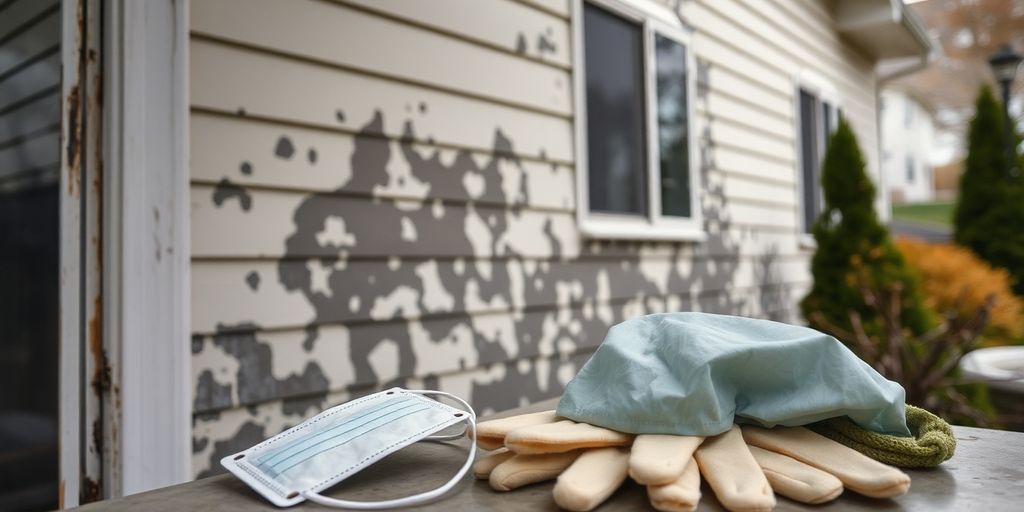
Mold exposure can affect people differently, but the health impacts are rarely trivial. For some, it might just mean a stuffy nose or mild skin irritation. For others, especially those with asthma, allergies, or weakened immune systems, the consequences can be more severe. Symptoms like coughing, wheezing, and even infections are not uncommon. Long-term exposure can worsen existing respiratory conditions, making it essential to address mold issues promptly. Mold spores are tiny and can travel through the air, making them easy to inhale without even realizing it. That’s why it’s important to understand the risks and act quickly.
Essential Safety Measures During Remediation
When dealing with mold, safety should always come first. Here’s what you need to keep in mind:
- Wear Personal Protective Equipment (PPE): This includes masks, gloves, and goggles to avoid direct contact with mold spores.
- Isolate the Area: Use plastic sheeting and seal off doors to prevent spores from spreading to other parts of your home.
- Ventilation: Ensure proper airflow by using fans or air filtration systems, but avoid blowing spores into unaffected areas.
- Dispose of Contaminated Materials: Items like carpets or drywall that are heavily infested should be discarded to stop further contamination.
These steps not only protect you but also help in containing the problem effectively.
When to Seek Professional Help
Sometimes, DIY just isn’t enough. If you notice extensive mold growth—covering more than 10 square feet—or if the mold is in hard-to-reach places like air ducts, it’s time to call in the pros. Professionals have specialized equipment and expertise to handle large infestations safely. They can also identify hidden mold that you might miss. Additionally, if you or your family are experiencing persistent health issues that could be related to mold, professional intervention is a must. Your health and safety should never be compromised.
Effective Mold Remediation Techniques
Containment and Air Filtration Methods
Before tackling any mold issue, it’s vital to stop it from spreading. Containing the affected area is the first step, often using plastic sheeting and negative air pressure. This isolates the mold and keeps spores from drifting into other parts of your home. HEPA air filtration systems are another must-have; they pull spores out of the air, leaving the environment cleaner and safer to work in.
Material-Specific Cleaning Approaches
Not all materials are equal when it comes to mold removal. Porous items like drywall or carpet often need to be tossed because mold can dig deep into them. Non-porous surfaces, like glass or metal, can usually be scrubbed clean with the right cleaners. For personal belongings, it’s a case-by-case decision—some might be salvageable, others not. Knowing how to handle each material ensures you don’t waste time on items that can’t be saved.
The Role of Antimicrobial Agents
After physically removing mold, antimicrobial agents are used to kill any leftover spores and prevent regrowth. These treatments are especially helpful for areas prone to moisture, like bathrooms or basements. While they’re not a magic fix, they add an extra layer of protection to keep mold from making a comeback.
Preventing Mold Damage in Your Home
Moisture Control Strategies
Mold thrives in damp environments, so controlling moisture is your first line of defense. Keep indoor humidity below 50% by using dehumidifiers and air conditioners, especially in humid climates. Fix water leaks quickly—whether it’s a dripping faucet or a roof issue, don’t let it linger. Also, ensure water drains away from your home’s foundation properly. Simple steps like these can make a big difference in keeping mold at bay.
Building and Ventilation Improvements
Improving your home’s structure and ventilation can go a long way in preventing mold. Poor ventilation traps moisture, creating the perfect environment for mold growth. Install exhaust fans in moisture-heavy areas like bathrooms and kitchens, and consider upgrading your HVAC system. If your home has persistent damp spots, check for structural issues like roof leaks or poor insulation. These fixes not only reduce mold risks but also improve your home’s overall air quality.
Routine Inspection and Maintenance
Regular maintenance is key to catching mold problems early. Inspect areas prone to moisture, such as basements, attics, and bathrooms, for signs of mold. Clean your gutters to prevent water buildup, and check pipes for leaks regularly. A proactive routine can save you from major issues down the road. If you’re unsure about handling mold-related problems, consider professional mold remediation services like those offered by Ruach Home Services. They ensure a thorough approach to keeping your home safe and healthy.
Tools and Equipment for Mold Remediation
Professional vs. DIY Equipment
When it comes to mold remediation, the tools you use can make or break the results. Professionals rely on industrial-grade equipment like HEPA vacuums, commercial dehumidifiers, and specialized cleaning solutions. These tools are designed to handle large-scale problems and ensure thorough removal of mold. For DIY enthusiasts, the gear is often more basic—think shop vacuums, scrub brushes, and household dehumidifiers. While these can work for small jobs, they may fall short for extensive infestations. Choosing between professional and DIY tools often depends on the scope of the problem and your confidence in tackling it.
Importance of Personal Protective Gear
Safety is non-negotiable when dealing with mold. Personal protective equipment (PPE) is a must-have to shield yourself from harmful mold spores. This includes items like an N-95 respirator, rubber gloves, safety goggles, and even full-body suits for larger projects. Without proper PPE, you risk inhaling spores or coming into direct contact with mold, which can lead to health issues. Before starting any mold cleanup, make sure your protective gear is up to par.
Advanced Technology in Mold Detection
Technology has come a long way in helping identify and address mold problems. Tools like thermal imaging cameras can spot moisture behind walls—a common mold trigger—while moisture meters give precise readings of dampness in materials. These advanced gadgets are often used by professionals but can also be a great investment for homeowners dealing with recurring mold issues. They help pinpoint problem areas quickly, allowing for targeted and effective remediation.
Legal and Insurance Considerations for Mold Damage
Understanding Property Owner Responsibilities
If you own property, dealing with mold isn’t just about keeping your home looking good—it’s a legal matter, too. Landlords, for example, are often required to provide tenants with a safe and habitable living environment. Ignoring mold issues could lead to lawsuits or fines. Even if you’re not renting out your property, you may still face legal trouble if mold spreads to a neighbor’s home due to negligence. Taking action quickly can save you from a legal headache later.
Navigating Insurance Claims
Insurance policies can be tricky when it comes to mold. Some plans cover mold caused by sudden water damage, like a burst pipe, while others exclude it entirely. Before filing a claim, review your policy carefully. To strengthen your case, document the damage thoroughly by taking photos and videos of affected areas. Thorough documentation of mold damage can make a big difference when dealing with your insurance company. Once you’ve gathered evidence, contact your insurer to understand the steps for filing a claim.
Documenting Mold Damage Effectively
When it comes to documenting mold damage, details matter. Here’s a quick checklist to help:
- Take clear photos of all affected areas, including close-ups.
- Record videos to show the extent of the damage.
- Keep receipts for any mold-related expenses, like cleaning supplies or professional services.
- Write down dates and details of when the damage occurred and any steps you’ve taken to address it.
Mold issues can escalate quickly, both in terms of health risks and financial costs. Staying proactive with documentation and understanding your legal and insurance obligations can save you a lot of trouble down the road.
Selecting the Right Mold Remediation Service
Key Criteria for Choosing a Company
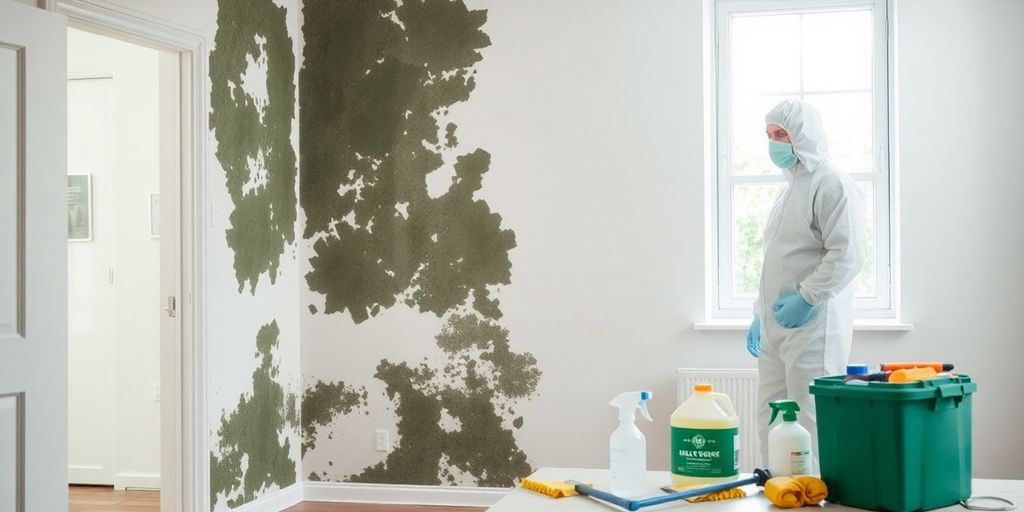
When picking a mold remediation service, you want to make sure you’re getting the best bang for your buck. Certifications from trusted organizations, like the IICRC or NORMI, show that the company knows its stuff. Look for professionals with years of experience handling similar cases and a solid reputation backed by customer reviews. A company that offers both mold removal and preventive advice is a huge plus—it shows they care about long-term solutions, not just quick fixes. For example, Ruach Home Services provides efficient mold removal services with a focus on keeping your home mold-free in the future.
Certifications and Experience to Look For
Not all mold remediation companies are created equal. Make sure the team you hire has proper training and certifications. Look out for credentials like Certified Mold Remediation Contractor (CMRC) or Indoor Air Quality Specialist (IAQS). These certifications mean the company is qualified to handle complex situations safely and effectively. Experience matters too—ask how long they’ve been in the business and what kinds of projects they’ve worked on. A seasoned company will be better prepared to deal with unexpected challenges.
Questions to Ask Before Hiring
Before you sign on the dotted line, ask a few key questions to ensure you’re making the right choice:
- What’s included in your remediation process? This will give you a clear idea of what to expect.
- Do you offer a warranty or guarantee? A reputable company should stand behind their work.
- Can you provide references? Talking to past clients can give you insight into their reliability and professionalism.
By being thorough in your selection process, you can feel confident that your home will be safe and mold-free once the job is done.
Choosing the right mold removal service is important for keeping your home safe and healthy. Look for a company that has good reviews and experienced workers. Don’t wait too long to get help, as mold can cause serious problems. For more information and to find a trusted service, visit our website today!
Wrapping It Up
Dealing with mold in your home can feel overwhelming, but it doesn’t have to be. By staying proactive with regular inspections, addressing moisture issues quickly, and knowing when to call in the pros, you can keep your home safe and mold-free. Remember, prevention is always easier than remediation. A little effort now can save you a lot of stress and money down the road. So, take the steps to protect your home and health today—it’s worth it.
Frequently Asked Questions
What are the health risks of mold exposure?
Mold exposure can lead to allergic reactions, respiratory problems, and even severe health issues for people with asthma or weakened immune systems.
How can I prevent mold from growing in my home?
Keep humidity levels below 50%, fix leaks quickly, and ensure proper ventilation in areas like bathrooms and kitchens.
Can I remove mold myself, or should I hire a professional?
For small areas (less than 10 square feet), you can clean it yourself with proper safety gear. Larger infestations or hidden mold often require professional help.
What tools are needed for mold remediation?
Basic tools include gloves, masks, and cleaning solutions. Professionals use advanced tools like HEPA vacuums and moisture meters for thorough remediation.
Does homeowners insurance cover mold damage?
It depends on your policy. Some insurance plans cover mold caused by sudden water damage, but not long-term issues due to neglect.
How do I choose a reliable mold remediation service?
Look for certified companies with good reviews, experience, and a clear plan for addressing your mold problem.