
In 2025, Restoration Restore is changing the game for communities all over. Imagine taking those forgotten spaces—old factories, empty lots—and turning them into parks or community gardens. It’s not just about making things pretty; it’s about bringing life back to places that need it. Restoration Restore projects are helping towns and cities breathe again, offering new jobs and cleaner air. It’s a win-win for people and the planet.
Key Takeaways
- Restoration Restore is revitalizing urban areas by transforming neglected spaces into thriving community hubs.
- The initiative is creating jobs and boosting local economies by focusing on sustainable practices.
- Communities are actively involved, fostering stronger connections and shared goals.
- Environmental benefits include improved air and water quality, contributing to healthier living conditions.
- Restoration Restore is a key player in climate change efforts, emphasizing carbon reduction and biodiversity.
The Impact of Restoration Restore on Urban Communities
Enhancing Urban Biodiversity
Urban areas, often perceived as concrete jungles, are surprisingly rich in potential for biodiversity. Restoration Restore has played a pivotal role in transforming these spaces into vibrant ecosystems. By integrating native plants and creating habitats for local wildlife, they’re bringing nature back to the city. This isn’t just about aesthetics. It’s about fostering a sustainable environment where both people and nature can thrive. Imagine walking down a street lined with trees that attract birds and butterflies. That’s the kind of change we’re talking about.
Improving Air and Water Quality
Pollution is a big problem in cities, but Restoration Restore is tackling it head-on. By implementing green infrastructure, like rain gardens and green roofs, they’re reducing air pollutants and improving water quality. These projects filter rainwater, which helps prevent flooding and reduces contaminants entering our waterways. It’s not just about cleaner air and water; it’s about creating a healthier environment for everyone.
Creating Green Jobs
Restoration Restore is not only about environmental benefits; it’s also about economic growth. They’re creating green jobs, which are crucial for sustainable urban development. From planting trees to maintaining green spaces, these jobs provide employment opportunities that contribute to the local economy. It’s a win-win situation, where communities benefit from both ecological and economic improvements.
Urban restoration is more than just a trend; it’s a movement towards a more sustainable future. By enhancing biodiversity, improving air and water quality, and creating jobs, Restoration Restore is making cities healthier and more vibrant places to live.
Revitalizing Degraded Lands Through Restoration Restore
Transforming Brownfields into Green Spaces
In 2025, Restoration Restore is turning once-forgotten brownfields into vibrant green spaces. These areas, often seen as wastelands, are getting a new lease on life. By planting native species and creating parks, communities are reclaiming these lands for public use. This transformation not only improves aesthetics but also provides recreational spaces for locals. Moreover, these green spaces help in reducing urban heat, making cities more livable.
Boosting Ecosystem Productivity
Restoration Restore is also focusing on boosting ecosystem productivity. This involves planting trees on farmlands and introducing native grasses in pastures. These efforts increase soil fertility and enhance biodiversity. With healthier ecosystems, farmers see improved yields, and wildlife finds new habitats. It’s a win-win for nature and agriculture.
Increasing Forest Cover
There’s a strong push to increase forest cover, and Restoration Restore is at the forefront. By encouraging the planting of diverse tree species, the initiative is working towards a greener future. This not only helps in sequestering carbon but also supports the wildlife that depends on forest ecosystems. The WRIrestoreLocal initiative in the Eastern Region has successfully planted over 21.6 million trees, showcasing the potential of large-scale restoration efforts.
"Restoration is not just about healing the land; it’s about restoring hope and vitality to communities."
Community Engagement in Restoration Restore Projects
Empowering Local Communities
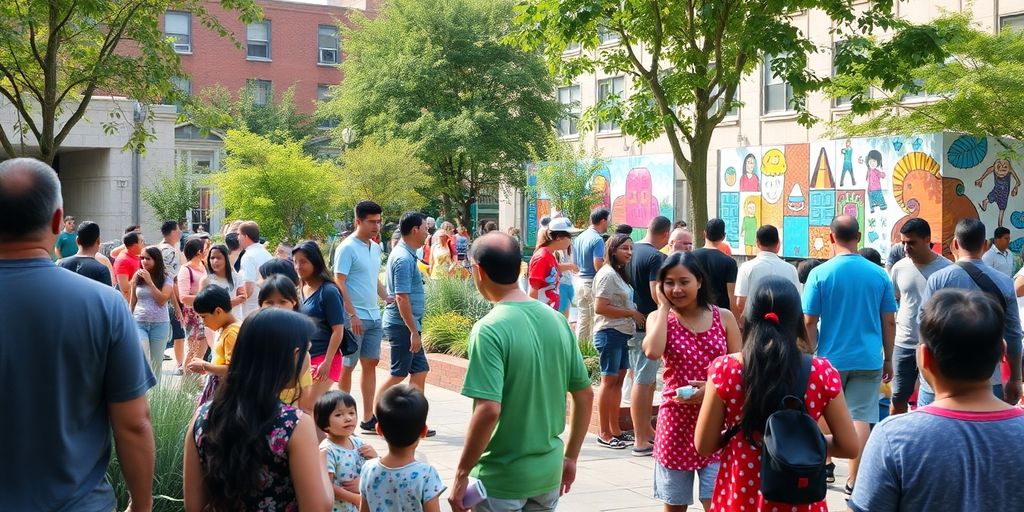
One of the biggest wins of Restoration Restore is how it gives power back to local communities. People living in these areas aren’t just bystanders; they become active participants. They get to voice their ideas and concerns, making sure the projects align with their needs and culture. It’s not just about fixing the land; it’s about making sure the people who live there feel like they’re part of something bigger.
- Local workshops and meetings are set up to gather input.
- Community members are trained to monitor and maintain restored areas.
- Feedback loops ensure continuous dialogue between the project leads and the community.
Building Resilience to Climate Change
Restoration projects aren’t just about the present; they’re about preparing for the future. By involving the community, these projects help build resilience against climate change. Locals learn how to adapt to changing conditions, whether it’s through new farming techniques or understanding how to protect their homes from extreme weather.
- Training sessions on sustainable practices.
- Community-led initiatives to plant trees and manage water resources.
- Collaborations with local schools to educate the younger generation.
Strengthening Community Bonds
When communities come together for a common goal, magic happens. These projects help strengthen bonds among community members. Working side by side, people build trust and friendships that last beyond the project.
- Community events and celebrations to mark project milestones.
- Volunteer groups that bring together diverse community members.
- Shared responsibilities that foster a sense of ownership and pride.
Community engagement is the heart of Restoration Restore. It’s not just about restoring land; it’s about restoring the spirit of the community. When people come together, they can achieve incredible things.
In the Salton Sea Community Outreach and Engagement Plan, similar strategies are used to ensure community involvement in environmental projects, highlighting the importance of local voices in achieving sustainable outcomes.
Economic Opportunities Through Restoration Restore
Creating Sustainable Jobs
Restoration Restore is more than just an environmental initiative; it’s a job creator. By transforming neglected areas into vibrant landscapes, the program opens up a range of employment opportunities. From planting trees to managing projects, there’s a need for a diverse workforce. Restoration projects often require skills in landscaping, environmental science, and project management, making them a hub for sustainable job creation.
Fostering Economic Growth
The economic impact of Restoration Restore extends beyond immediate job creation. Revitalizing degraded lands boosts local economies by attracting tourism and enhancing property values. Communities that embrace restoration efforts often see an uptick in local business activities, as new green spaces draw visitors and residents alike.
Supporting Local Businesses
Local businesses are integral to the success of restoration projects. Whether it’s supplying materials or providing services, small businesses play a crucial role. By collaborating with local enterprises, Restoration Restore not only supports the economy but also ensures that projects have a lasting impact. This symbiotic relationship helps to sustain both the community and the environment.
Revitalizing spaces through restoration isn’t just about the environment—it’s about creating a thriving, interconnected community where economic and ecological health go hand in hand.
In 2025, initiatives like the Transformational Habitat Restoration and Coastal Resilience funding opportunity are pivotal. With nearly $220 million allocated for grants, these efforts are not just about restoring habitats but also about driving economic growth and resilience.
Restoration Restore’s Role in Climate Change Mitigation
Sequestering Carbon Emissions
Restoration Restore is all about finding ways to bring down carbon emissions. One way they do this is by planting trees and restoring degraded lands. Trees are like nature’s vacuum cleaners, sucking up carbon dioxide and giving us back oxygen. By turning old industrial sites into green spaces, they help soak up tons of carbon. It’s like giving Mother Nature a helping hand.
Enhancing Wildlife Habitat
Creating spaces for wildlife is another big win. Restoration Restore focuses on making sure animals have places to live and thrive. This includes everything from birds to bugs. By bringing back native plants and trees, they help create habitats that support a wide range of species. It’s not just about the big animals, but the little guys too who play a big role in the ecosystem.
Promoting Sustainable Practices
Sustainability is the name of the game. Restoration Restore encourages communities to adopt practices that are good for the planet. This means using resources wisely and thinking about the long-term impact. It’s like teaching everyone to be a bit more thoughtful about how they interact with the environment. Whether it’s through comprehensive restoration services or community projects, the goal is to make sure the planet can keep going strong for generations to come.
By focusing on these areas, Restoration Restore not only tackles climate change but also helps create a world where nature and communities can thrive together. It’s about finding that balance and making sure we’re all in it for the long haul.
The Future of Restoration Restore in Urban Planning
Integrating Nature-Based Solutions
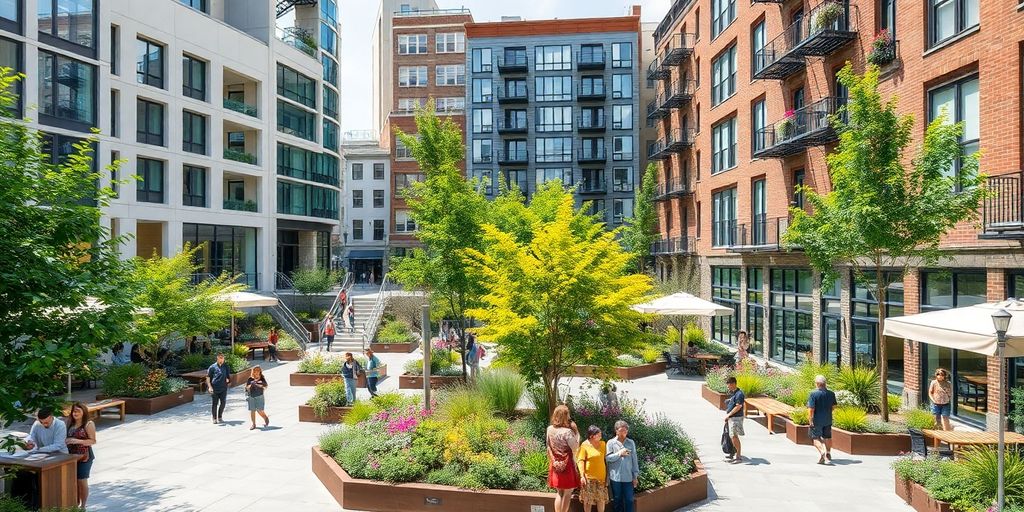
The future of urban planning is all about blending nature into city life. By using nature-based solutions, cities can tackle issues like pollution and heat while creating spaces that are more enjoyable for everyone. Imagine walking down a street lined with trees that not only provide shade but also help clean the air. Restoration Restore aims to make this vision a reality, ensuring cities are healthy and vibrant places to live.
Designing Resilient Cities
Building cities that can withstand the challenges of climate change is crucial. Restoration Restore focuses on designing urban areas that are not only resilient to extreme weather but also adaptable to future changes. This involves planning for green spaces that can absorb excess rainwater, reducing the risk of floods, and creating cooler urban environments that combat rising temperatures.
Preserving Cultural Heritage
As cities evolve, it’s important to keep their unique identities intact. Restoration Restore recognizes the value of cultural heritage and works to preserve historic sites while integrating them into modern urban landscapes. This approach not only honors the past but also enriches the community’s connection to its history.
Embracing these strategies is more than just a trend; it’s a necessity for creating cities that thrive in harmony with nature and their cultural roots.
Challenges and Solutions in Restoration Restore Initiatives
Overcoming Funding Bottlenecks
Restoration projects often hit a wall when it comes to funding. Securing enough cash to get these projects off the ground is one of the biggest headaches. Some folks are finding creative ways to get around this, like tapping into private investments or forming partnerships with non-profits. The Restoration Initiative is a good example, promoting solutions to keep ecosystems thriving.
Scaling Up Restoration Efforts
Turning small, local projects into large-scale successes isn’t easy. It takes a lot of coordination and resources. Here’s a quick look at what’s needed:
- Building local expertise: Train local communities to take charge of their own restoration projects.
- Creating a network of projects: Connect different initiatives to share resources and knowledge.
- Leveraging technology: Use new tech to monitor progress and adapt quickly.
Monitoring and Evaluating Impact
Keeping track of how well restoration projects are doing can be tricky. It’s not just about planting trees and walking away. You’ve got to watch over them, see how they grow, and check if they’re really making a difference. This means setting up solid systems for tracking and evaluation. It also involves:
- Setting clear goals from the start.
- Using data to make informed decisions.
- Regularly updating stakeholders on progress.
"In the world of restoration, patience isn’t just a virtue—it’s a necessity. Projects take time to show results, and that’s okay. What’s important is staying committed and adaptable."
Restoration projects face many hurdles, but there are ways to overcome them. From funding issues to community involvement, each challenge has a solution. If you’re interested in learning more about how we tackle these problems, visit our website for more information and resources. Together, we can make a difference!
Conclusion
In 2025, the efforts to breathe new life into forgotten spaces have shown us something important: change is possible when communities come together. Restoration Restore has been at the heart of this transformation, turning neglected areas into vibrant parts of the neighborhood. It’s not just about fixing up old buildings or planting trees; it’s about creating places where people can connect and thrive. As we look to the future, these projects remind us that with a little care and collaboration, we can build a world that’s not only sustainable but also full of life and possibility. Here’s to more green spaces, stronger communities, and a brighter tomorrow.
Frequently Asked Questions
What is Restoration Restore?
Restoration Restore is a program focused on bringing life back to damaged lands and helping communities thrive by making these areas green and healthy again.
How does Restoration Restore help cities?
Restoration Restore helps cities by improving the environment, creating jobs, and making neighborhoods healthier and more beautiful.
Who can join Restoration Restore projects?
Everyone from local communities, including kids and families, can join and help in Restoration Restore projects to make their neighborhoods better.
Why is Restoration Restore important for climate change?
Restoration Restore plays a big role in fighting climate change by planting trees and plants that absorb carbon and clean the air.
How does Restoration Restore create jobs?
By turning damaged lands into green spaces, Restoration Restore creates jobs in planting, maintaining parks, and other green activities.
What challenges does Restoration Restore face?
Some challenges include finding enough money to fund projects and making sure the efforts continue to grow and succeed.