
Picking the right house remodeling contractor is a big deal. You want someone who gets your vision, has the skills to pull it off, and can keep you in the loop the whole time. Budget’s a biggie too. This guide will walk you through some handy tips to make sure you find the contractor that’s just right for your home project.
Key Takeaways
- Understand your remodeling needs by assessing your home’s current state and setting clear goals.
- Do thorough research on contractors by checking reviews and getting recommendations.
- Evaluate proposals carefully by comparing quotes and understanding the scope of work.
- Make sure the contractor is licensed and insured to avoid future headaches.
- Establish clear communication from the start to ensure a smooth renovation process.
Understanding Your Remodeling Needs
Assessing Your Home’s Current Condition
Before jumping into any renovation project, take a good look at your home. Walk through each room and note what you love and what you can’t stand. Is the kitchen too cramped? Is the bathroom outdated? Maybe the living room feels too dark. Write down everything because this list will guide your renovation plans. It’s not just about aesthetics; consider functionality too. Are there areas that need repair or updating for safety reasons? This initial assessment will help you prioritize and focus on what truly needs attention.
Identifying Key Areas for Improvement
Once you’ve got a list of what’s working and what isn’t, it’s time to zero in on the key areas that need improvement. Think about your lifestyle and how each space serves you. Do you need a more open layout for family gatherings? Is there a need for a home office now that remote work is more common? Make a list of must-haves versus nice-to-haves. This will help you stay on track and not get distracted by trends that don’t fit your needs.
Setting Realistic Goals for Your Project
Now that you know what needs fixing and improving, set some goals. Be realistic about what you can achieve within your budget and timeframe. It’s easy to get carried away with grand plans, but remember, every renovation comes with its own set of challenges. Prioritize your goals and be flexible where needed. If you’re planning to hire a contractor like Ruach Home Services, discuss these goals with them to ensure they understand your vision and can deliver within your constraints. A clear plan will not only help you achieve what you want but also keep the project manageable and stress-free.
Remodeling can be overwhelming, but breaking it down into manageable steps makes it easier to tackle. Start with a clear understanding of your needs, and you’ll be well on your way to a successful renovation.
Researching Potential Contractors
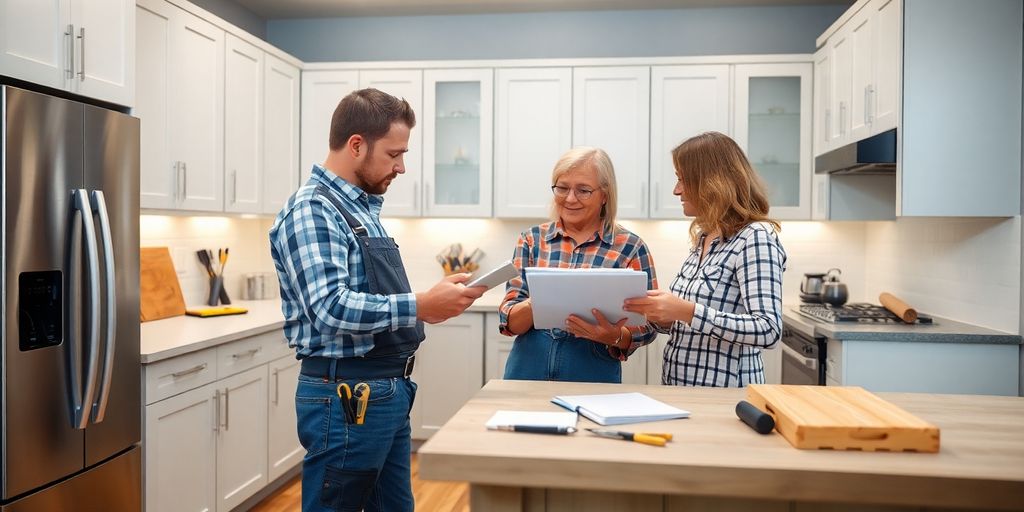
Gathering Recommendations from Trusted Sources
When starting your search for a contractor, discover essential tips by asking friends and family who have recently completed similar projects. They can provide honest feedback and share their experiences, both good and bad. Word-of-mouth recommendations often carry more weight than online reviews because they come from people you trust. Don’t hesitate to reach out to local architecture firms too; they often have a list of reliable contractors they can recommend.
Exploring Online Reviews and Testimonials
Once you have a few names, it’s time to do some online sleuthing. Look up reviews on third-party websites like TrustPilot or Google. These platforms offer a wealth of information from past clients. While reading reviews, pay attention to recurring themes in the feedback. Are there consistent complaints or praises? This might give you a clearer picture of what to expect. Remember, no contractor is perfect, but a pattern of negative feedback is a red flag.
Checking Contractor Credentials and Experience
Before you hire, make sure to verify their credentials. A contractor should have the necessary licenses and certifications to operate in your area. You can usually find this information on their website or by asking them directly. Additionally, inquire about their experience—how long have they been in business? Do they specialize in the type of work you need? A contractor with extensive experience is often more reliable and can handle unforeseen issues better than a novice.
Evaluating Contractor Proposals
Requesting Detailed Quotes and Estimates
When you’re looking to hire a contractor, it’s essential to gather detailed quotes from multiple candidates. Start by asking each contractor for a comprehensive breakdown of costs, including materials, labor, and any additional fees. This transparency will help you understand where your money is going and allow for a fair comparison. Don’t just settle on the first estimate you get. Instead, aim to get at least three quotes to ensure you’re getting a reasonable deal. Be wary of any estimate that seems unusually low or high; this could indicate hidden costs or low-quality materials.
Comparing Cost Structures and Payment Plans
Once you have your quotes, it’s time to dive into the cost structures and payment plans. Each contractor might have a different approach to billing, so pay close attention to how they structure their payments. Some might require a large upfront deposit, while others might offer a more staggered payment plan. Consider what works best for your financial situation. It’s also wise to ask about the payment methods they accept, and whether they offer any financing options. A well-structured payment plan can ease the financial burden and keep the project on track.
Understanding the Scope of Work and Timelines
A clear understanding of the scope of work and timelines is crucial before signing any contract. Make sure each proposal outlines the specific tasks to be completed, the materials to be used, and the timeline for each phase of the project. This not only sets clear expectations but also helps avoid misunderstandings down the road. If a contractor is vague about the timeline or scope, this could be a red flag. Always ask for a detailed schedule and make sure it aligns with your own timeline expectations.
Properly evaluating contractor proposals ensures that you select a partner who meets your needs and expectations, helping to make your renovation project a success.
When reviewing contractor proposals, ensure all project aspects, including materials and labor, are clearly stated. Ask specific questions to confirm that your requirements are fully addressed. For more guidance, consider exploring resources that discuss contractor proposals in detail.
Ensuring Proper Licensing and Insurance
Verifying Contractor Licenses and Certifications
Before you even think about signing a contract, make sure your contractor is properly licensed and certified. This isn’t just about following the law; it’s about protecting your home and your investment. A licensed contractor is more likely to follow all the necessary regulations and standards. You can usually verify a contractor’s license through your state’s licensing board. It’s a quick check that can save you a lot of headaches later.
Understanding Insurance Coverage Requirements
When it comes to insurance, you want to be absolutely sure your contractor has the right coverage. This means both liability insurance and worker’s comp. Liability insurance protects you if your contractor causes damage to your property, while worker’s comp covers any injuries that happen on the job. Ask for a Certificate of Insurance and don’t hesitate to call the insurance company to verify the details. It’s better to be safe than sorry.
Avoiding Unlicensed and Uninsured Contractors
It might be tempting to hire someone without the proper credentials because they offer a lower price, but this can be a huge mistake. Unlicensed and uninsured contractors can leave you vulnerable to all sorts of issues, from shoddy work to legal problems if someone gets hurt. Always insist on seeing proof of both licensing and insurance before any work begins. This is your home, after all, and you want it in the best hands possible.
Hiring a contractor without the proper licensing and insurance is like driving without a seatbelt. You might get lucky, but is it really worth the risk?
For more insights on why it’s crucial to ensure your contractor is licensed, bonded, and insured, consider how this interacts with your home insurance and protects your investment.
Establishing Clear Communication Channels

Setting Expectations for Regular Updates
When diving into a home renovation project, it’s crucial to establish a routine for regular updates with your contractor. Clear communication is the backbone of any successful renovation. Consider setting a weekly meeting, either in person or via a call, to discuss progress, address any issues, and plan for the upcoming week. This ensures everyone is on the same page and helps prevent misunderstandings.
Discussing Preferred Communication Methods
Everyone has their preferred way of communicating—some prefer emails, others phone calls, and some even like texting. It’s important to discuss these preferences early on with your contractor. Maybe you like the formality of emails for documentation, while your contractor might prefer a quick phone call for urgent matters. Finding a balance that works for both parties can streamline the communication process and make it more effective.
Addressing Concerns and Changes Promptly
In any remodeling project, changes and concerns are bound to arise. The key is to address them promptly. If you notice something isn’t going as planned, don’t hesitate to bring it up. Likewise, if the contractor suggests a change, listen and discuss it openly. Quick responses not only keep the project on track but also build trust between you and your contractor. This proactive approach can prevent small issues from turning into major problems.
Effective communication with your contractor can make the difference between a stress-free renovation and a chaotic one. By setting clear expectations and maintaining open lines of communication, you pave the way for a smoother project experience.
For those looking to enhance their living space, consider complete home remodeling services offered by Ruach Home Services, which include expert guidance in planning and construction.
Finalizing Contracts and Agreements
Reviewing Contract Terms and Conditions
When you’re ready to move forward with a remodeling project, it’s crucial to review the contract terms thoroughly. Every detail matters. Ensure the contract includes a clear description of the work, the materials involved, and the total project cost. Look for specific timelines and milestones. It’s not uncommon for projects to face delays, so having these timelines helps manage expectations. If something looks off, don’t hesitate to ask questions or seek clarification.
Documenting All Agreements in Writing
Everything you discuss with your contractor should be documented. This isn’t just about trust—it’s about having a clear record of what’s agreed upon. Use emails or written documents to confirm verbal discussions, especially if changes occur. Keeping a paper trail can save you from future disputes.
Understanding Cancellation and Refund Policies
Before you sign, make sure you understand the cancellation and refund policies. Sometimes plans change, and you need to know your options. Federal law might give you a cooling-off period, allowing you to cancel without penalties. Always check the specific terms in your contract and see if there are any fees associated with cancellation. If you decide to cancel, do it in writing and consider sending it via registered mail to have proof of your action.
Finalizing a contract is more than just a formality; it’s a safeguard for both parties involved. Being thorough now can prevent headaches down the line.
When it comes to wrapping up contracts and agreements, it’s crucial to ensure everything is clear and understood. This step is not just about signing papers; it’s about making sure all parties are on the same page. If you need help with this process, visit our website for more information and support!
Conclusion
Choosing the right contractor for your home remodel is no small feat, but it’s definitely worth the effort. Take your time to research, ask around, and really get to know who you’re hiring. A good contractor will not only bring your vision to life but also keep things running smoothly and on budget. Remember, this is your home we’re talking about, so don’t settle for anything less than someone you trust completely. With the right person on board, your renovation can be a rewarding experience rather than a stressful one. So, do your homework, trust your instincts, and soon enough, you’ll be enjoying your newly transformed space.
Frequently Asked Questions
How can I find a good home remodeling contractor?
Start by asking friends and family for recommendations. Check online reviews and visit the contractor’s website to see their work. Make sure they are licensed and insured.
What should I include in my contract with a contractor?
Your contract should include the scope of work, timeline, payment schedule, and any other important details. Make sure everything is in writing.
How many quotes should I get from contractors?
It’s a good idea to get at least three quotes. This helps you compare prices and services to make the best choice for your budget and needs.
Why is it important to check a contractor’s insurance?
Checking insurance ensures that you are not liable for any accidents or damage during the renovation. Always ask for proof of insurance before hiring a contractor.
What should I do if I have concerns during the renovation?
Communicate any concerns to your contractor as soon as possible. It’s important to have open communication to address any issues quickly.
How can I verify a contractor’s credentials?
You can verify credentials by checking their licenses and certifications. Look for memberships in professional organizations and read online reviews to confirm their reputation.