
Dealing with water damage is stressful, no doubt about it. Whether it’s a burst pipe or a heavy storm, the clean-up process can feel overwhelming. That’s where water removal companies come in. But with so many options out there, how do you pick the right one? This guide breaks it all down, so you can make the best choice for your home.
Key Takeaways
- Understand the range of services water removal companies offer before committing.
- Certifications and customer reviews can tell you a lot about a company’s reliability.
- Modern technology, like moisture sensors, helps ensure thorough water damage restoration.
- Acting quickly after water damage can save you money and prevent bigger issues like mold.
- Transparent pricing and insurance claim support are signs of a trustworthy company.
Key Factors to Consider When Choosing Water Removal Companies
Understanding the Scope of Services Offered
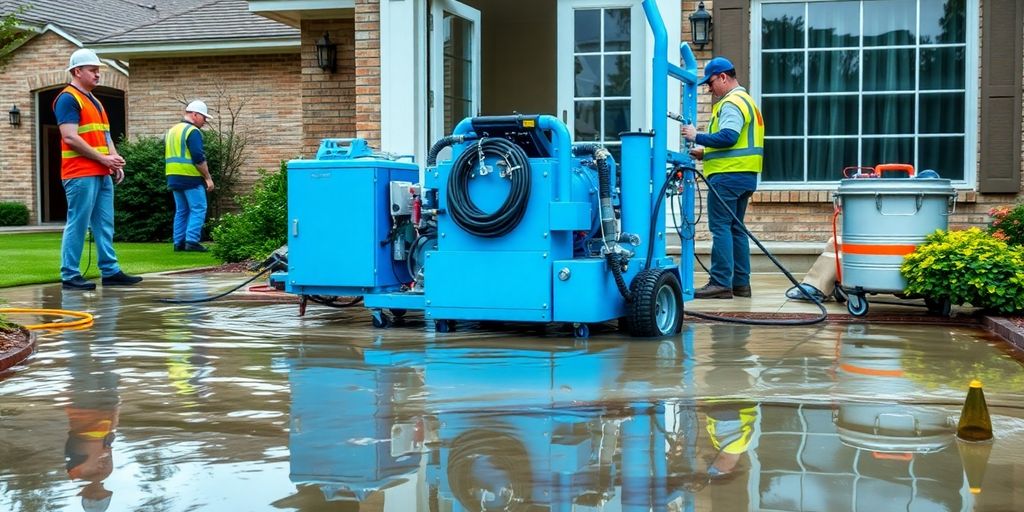
When picking a water removal company, you need to know exactly what they can do for you. Some companies handle just the water extraction, while others offer full restoration services, including drying, dehumidifying, and even repairs. Make sure their services align with your needs. Ask if they deal with contaminated water or if they can assist with mold prevention.
- Do they offer 24/7 emergency services?
- Can they handle large-scale water damage?
- Do they provide follow-up services like cleaning and sanitization?
Evaluating Certifications and Training
You don’t want just anyone handling your water damage situation. Look for companies with certified technicians who have undergone proper training. Certifications like IICRC (Institute of Inspection Cleaning and Restoration Certification) show a company knows its stuff. Trained professionals are more likely to handle your situation effectively and safely.
- Check for industry-standard certifications.
- Ask about ongoing employee training programs.
- Ensure they follow safety protocols during restoration.
Importance of Customer Reviews and Testimonials
What do past customers say? Reviews and testimonials can give you a glimpse into how the company operates. Look for patterns—are people raving about their speed and professionalism, or are there complaints about hidden fees? A company like Ruach Home Projects often stands out for its reliability and customer satisfaction.
- Read reviews on multiple platforms.
- Pay attention to how the company responds to negative feedback.
- Ask for references you can contact directly.
"Choosing the right water removal company isn’t just about price—it’s about getting the job done right the first time."
The Role of Technology in Water Removal Services
Advanced Equipment for Efficient Water Extraction
Modern water removal services rely heavily on advanced equipment to get the job done quickly and thoroughly. High-powered pumps and industrial-grade vacuums can remove standing water in a fraction of the time it would take with older tools. For instance, submersible pumps are often used to handle large volumes of water, while truck-mounted vacuums ensure deep water extraction even in hard-to-reach areas. These tools not only save time but also reduce the risk of further damage by addressing the issue promptly.
Monitoring Tools for Moisture Detection
Detecting hidden moisture is just as important as removing visible water. This is where monitoring tools like thermal imaging cameras and moisture meters come in. These devices help professionals identify areas where water might have seeped into walls, floors, or other structural components. Pinpointing moisture accurately ensures that no area is overlooked, which is crucial for preventing mold growth and structural weakening. Some companies even use sensors that provide real-time moisture readings, allowing for more precise and efficient drying processes.
Innovations in Drying and Dehumidification
Once the water is removed, the drying phase begins, and this is where technology truly shines. Industrial air movers and dehumidifiers work together to eliminate excess moisture from the air and surfaces. Many modern systems come with built-in sensors to monitor humidity levels, ensuring the space is dried to the proper standards. Innovations like desiccant dehumidifiers are particularly effective in low-temperature environments, making them a versatile choice for various scenarios. These advancements not only speed up the drying process but also help homeowners avoid long-term issues like mold and mildew.
Advanced technology doesn’t just make water removal faster—it also makes it more effective, reducing the chance of recurring problems and saving you money in the long run.
For reliable water damage restoration services that incorporate cutting-edge technology, consider Ruach Home Services. Their team uses state-of-the-art equipment to ensure efficient and thorough recovery for your property.
Why Prompt Action is Crucial in Water Damage Situations
Risks of Delayed Water Removal
When water damage happens, every second counts. The longer water sits, the more it seeps into walls, floors, and furniture, causing damage that could have been avoided. Delays can lead to hidden moisture, which is a breeding ground for mold and mildew. Mold not only damages your home but can also create health risks for you and your family. Additionally, structural components like wood and drywall begin to weaken over time, leading to costly repairs.
How Quick Response Minimizes Costs
Acting fast can save you a lot of money in the long run. Quick water removal prevents further damage, reducing the need for extensive repairs. For instance, fast drying can save your flooring or furniture from being completely replaced. Many professional companies offer 24/7 emergency services to help mitigate damage quickly. Investing in immediate action is always cheaper than dealing with long-term consequences.
Preventing Mold and Structural Damage
Mold can start growing within 24-48 hours after water damage occurs. Once it spreads, it becomes much harder to remove and can compromise the air quality in your home. Prompt action ensures that moisture is removed before mold has a chance to develop. Additionally, structural damage, like warping or rotting wood, can be avoided by addressing water issues immediately. A quick response also preserves the integrity of your home, saving you from more extensive and expensive repairs down the line.
Taking immediate action after water damage isn’t just about convenience—it’s about protecting your home and your health. Don’t wait until the damage becomes irreversible.
Comparing Costs and Value Among Water Removal Companies
Transparent Pricing Practices
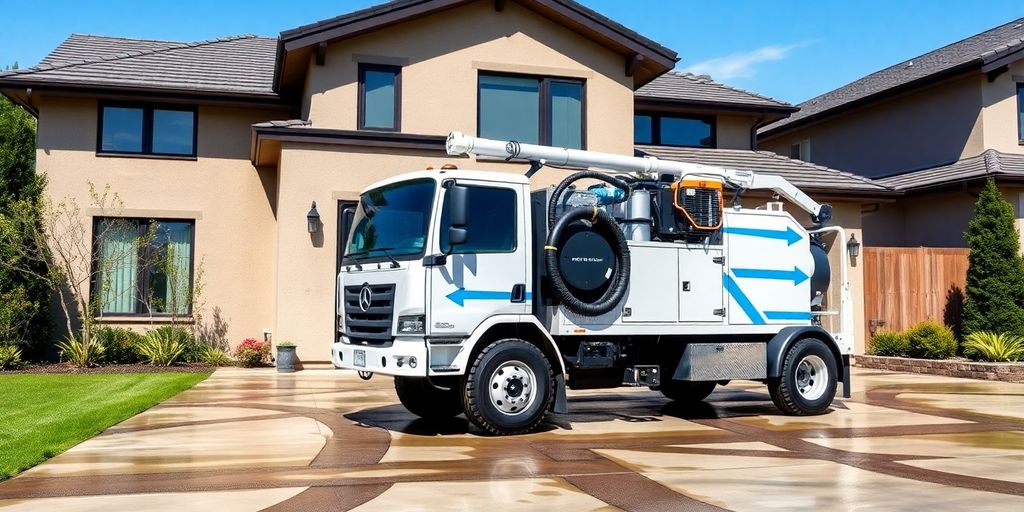
When it comes to water removal services, clear and upfront pricing is non-negotiable. Always ask for a detailed estimate that outlines the scope of work, timeline, and all associated costs. This way, you avoid any surprise charges halfway through the job. For example, water damage repair costs can vary between $3 and $7.50 per square foot, depending on factors like the type of water and extent of damage. Don’t hesitate to ask questions about what’s included in the quote—this is your home, after all.
Insurance Claim Assistance
Dealing with water damage is stressful enough without the added headache of navigating insurance claims. Many reputable companies offer assistance with this process, helping you file claims and communicate with your insurance provider. This service can save you time and ensure you’re maximizing your coverage. If a company doesn’t offer this, it might be worth considering another provider that does.
Balancing Cost with Long-Term Benefits
It’s tempting to go with the cheapest option, but that’s not always the smartest move. Some companies may offer a lower upfront price but cut corners on essential services like thorough drying or mold prevention. This can lead to more expensive repairs down the line. Instead, weigh the overall value: Does the company use advanced equipment? Do they offer a warranty? Are their technicians certified? Spending a little more now could save you a lot later.
Choosing the right water removal company isn’t just about price—it’s about getting the best value for your money. A slightly higher quote often includes services that protect your home in the long run, making it the wiser investment.
Understanding the Water Damage Restoration Process
Initial Assessment and Safety Measures
The first step in water damage restoration is securing the affected area. Professionals inspect the property for structural damage and hidden moisture. Safety is prioritized, with power being cut off in the impacted zones to prevent electrical hazards. During this stage, documentation like photos and notes is taken, which can be helpful for insurance claims.
Steps in Water Removal and Cleanup
Once the area is deemed safe, the actual water removal begins. Using advanced tools like pumps and vacuums, experts extract standing water. Afterward, the cleanup process involves removing debris and damaged materials, ensuring the area is ready for drying and repairs. This phase is critical to prevent further damage and health risks.
Final Repairs and Restoration
The end goal is to bring your property back to its pre-damage condition. This involves repairing structural elements, replacing damaged materials, and possibly repainting walls or installing new flooring. A final inspection ensures everything meets safety and quality standards. For those requiring water damage restoration and repair services, this step is where the property truly feels like home again.
How to Identify Reliable Water Removal Companies
Checking for 24/7 Emergency Services
When water damage strikes, timing is everything. A reliable company should offer round-the-clock emergency services. This means they can respond quickly, even in the middle of the night or during a holiday. Delays in water removal can lead to more severe damage, like mold growth or structural issues. Look for companies that proudly advertise their ability to act fast.
Assessing Local Expertise and Availability
Local knowledge matters. Companies that operate in your area are more likely to understand common water damage issues specific to your region, like flooding patterns or weather-related risks. They’ll also be easier to reach for follow-ups or additional services. Ask about their response time and whether they have enough staff to handle emergencies promptly.
Verifying Licenses and Insurance
Before hiring anyone, confirm that they are properly licensed and insured. This protects you in case something goes wrong during the water removal process. Unlicensed companies might cut corners, and if an accident happens, you could be left holding the bill. Always ask for proof of their credentials and insurance coverage before signing any contracts.
A trustworthy water removal company doesn’t just fix the damage—they give you peace of mind by being transparent and prepared for any situation.
The Importance of Cleaning and Sanitization After Water Removal
Dealing with Contaminated Water
After water damage, not all water is the same. Depending on the source, it can carry harmful contaminants, bacteria, or even sewage. Cleaning and sanitization are essential to eliminate these risks. Professionals use powerful disinfectants and cleaning agents to treat surfaces and materials exposed to contaminated water. This step is non-negotiable to ensure your home is safe to live in again.
Here’s a quick breakdown of water categories:
| Water Type | Description |
|---|---|
| Clean Water | From broken pipes or rain; minimal contamination |
| Gray Water | From appliances (like washing machines); mildly contaminated |
| Black Water | Contains sewage or chemicals; highly hazardous |
Ensuring a Healthy Living Environment
Water damage isn’t just about drying things out—it’s also about making sure your home is healthy. Moisture can lead to mold growth, which can trigger allergies or respiratory issues. Sanitization helps kill mold spores before they spread. This step also tackles bad odors, leaving your home smelling fresh rather than musty. Think of it as hitting the reset button on your living space.
Using Eco-Friendly Cleaning Solutions
Many water removal companies now use eco-friendly products for cleaning and sanitizing. These solutions are tough on bacteria but gentle on your home and the environment. If you’re concerned about chemical residues, ask your service provider about their cleaning methods. Options like plant-based cleaners or biodegradable disinfectants can give you peace of mind while protecting the planet.
Water removal is only half the battle. Proper cleaning and sanitization ensure your home is truly restored—not just on the surface but deep down where it matters.
After removing water, it’s really important to clean and sanitize the area. This helps stop mold and germs from growing, keeping your home safe and healthy. Don’t wait! Visit our website to learn more about how to properly clean and sanitize your space after water removal.
Conclusion
Finding the right water removal company can feel like a big task, but it’s worth taking the time to do it right. By focusing on experience, services offered, and customer reviews, you’ll be in a better position to make a smart choice. Remember, quick action is key when dealing with water damage, so having a trusted company ready to help can save you a lot of stress down the road. At the end of the day, the goal is to protect your home and get things back to normal as smoothly as possible. So, do your homework, ask questions, and trust your instincts—you’ve got this!
Frequently Asked Questions
What is the first step in water damage restoration?
The first step is to assess the situation and ensure safety. Professionals inspect for hazards like electrical issues and structural damage before beginning water removal.
Why is quick action important in water damage situations?
Acting quickly prevents further damage, reduces repair costs, and helps avoid mold growth, which can occur within 24-48 hours.
What equipment do water removal companies use?
They use tools like industrial pumps, air movers, dehumidifiers, and moisture detectors to ensure thorough water extraction and drying.
How can I choose a reliable water removal company?
Look for companies with certifications, 24/7 emergency services, positive customer reviews, and proper licenses and insurance.
Does insurance cover water damage restoration?
It depends on your policy. Many insurance plans cover sudden and accidental water damage but may not cover issues caused by neglect.
Is cleaning and sanitization necessary after water removal?
Yes, especially if the water was contaminated. Cleaning ensures a safe and healthy environment, and many companies use eco-friendly solutions for this process.