
Experiencing a fire in your home is tough. The aftermath can be overwhelming, but knowing the steps for recovery can make a huge difference. Fire remediation services play a crucial role in restoring not just your property but also your peace of mind. This guide will walk you through everything you need to know about fire remediation, from understanding the damage to choosing the right services and preventing future incidents.
Key Takeaways
- Fire damage isn’t just about what’s burned; smoke and water from firefighting efforts can also cause significant harm.
- Health risks from fire damage include respiratory issues from smoke and soot, which need professional cleaning to address.
- The fire remediation process involves assessment, cleaning, deodorizing, and rebuilding, requiring skilled professionals.
- Choosing a reliable fire remediation service means asking the right questions and understanding the costs involved.
- Preventing future fires involves regular maintenance, installing smoke detectors, and having an evacuation plan.
Understanding the Impact of Fire Damage
Types of Fire Damage
When a fire sweeps through a home, it doesn’t just burn things. The damage can be wide-ranging and complex. Structural damage is the most obvious, where the heat weakens the building’s framework, sometimes to the point of collapse. Then there’s smoke damage, which seeps into walls, ceilings, and even your clothes, leaving a persistent odor and residue that’s tough to clean. Water damage from firefighting efforts can soak into materials and lead to mold growth if not dealt with quickly. And let’s not forget personal property loss—furniture, electronics, and cherished items often go up in flames, leaving behind not just financial loss but emotional heartbreak.
Health Risks Associated with Fire Damage
The aftermath of a fire isn’t just about rebuilding walls; it’s about ensuring safety too. The soot and ash that settle post-fire can pose serious health risks if inhaled, particularly affecting the respiratory system. There’s also the hidden danger of damaged electrical wiring, which could lead to new fires or even electrocution. Water and chemicals used to put out the fire can cause mold and corrosion, adding another layer of health concerns. It’s crucial to address these issues promptly to avoid long-term health problems.
Long-term Effects on Property
Even after the flames are out, the effects of fire linger. Over time, the structural integrity of a house can be compromised, making it unsafe. Smoke odors can remain for months, affecting your quality of life. Discoloration and corrosion can continue to damage surfaces and materials, leading to costly repairs down the line. It’s important to understand that fire damage isn’t just a one-time event; it can have lasting impacts that require ongoing attention and care.
Living through a fire is traumatic, and the road to recovery can feel overwhelming. But understanding the types of damage and their long-term effects can help you take the right steps towards restoring your home and your peace of mind.
The Fire Remediation Process Explained
Initial Assessment and Planning
The journey to restoring a home after a fire starts with a thorough assessment. This isn’t just a quick look around—it’s a detailed evaluation of the damage left by the flames and smoke. Professionals walk through the property, checking how far the fire reached and what kind of cleanup is necessary. They also look at what’s inside, deciding what can be saved and what needs to go. By the end of this inspection, they have a clear picture of the work ahead, how long it will take, and an estimate of the cost. This step is crucial because it sets the stage for everything that follows.
Cleaning and Deodorizing
Once the plan is in place, the next step is all about cleaning and getting rid of that stubborn smoke smell. Specialists use a mix of techniques to tackle different types of damage. They might dry clean soot-stained fabrics or use ultrasonic cleaning for non-porous items. For surfaces like walls and ceilings, thorough cleaning is followed by repainting to ensure no soot or residue remains. It’s not just about making the place look good; it’s about making sure it’s safe and livable again.
Structural Repairs and Reconstruction
After cleaning, it’s time to focus on fixing the structure itself. This can mean anything from replacing damaged flooring to rebuilding entire sections of the home. The goal is to bring the house back to its pre-fire condition. This stage can take a while, depending on how bad the damage was. But with the right team, the home can be restored to its former glory, ready for the family to move back in and start fresh.
Choosing the Right Fire Remediation Services
Evaluating Service Providers
When you’re trying to pick the right fire remediation service, it’s like choosing a partner to help rebuild your home and life. Experience is key. Look for companies that specialize in fire damage repair. They should be licensed, insured, and have a solid track record. Don’t just take their word for it—ask for references and follow up with past clients to hear about their experiences.
Consider the range of services offered. Some companies, like this one, provide a broad spectrum of restoration services, from fire damage repair to kitchen and bathroom remodeling. This can be beneficial if your home requires multiple types of restoration.
Questions to Ask Before Hiring
Before you sign any contracts, have a list of questions ready. Here are some to get you started:
- What’s your process for assessing and beginning restoration?
- How long do you estimate the restoration will take?
- Can you provide a detailed quote and timeline?
- Are your technicians certified and trained in fire damage restoration?
- How do you handle unexpected issues that arise during the restoration?
Understanding Service Costs
Understanding the costs involved in fire remediation can prevent surprises down the line. Ask for a comprehensive breakdown of expenses. This should include everything from initial assessments to final touches. Be wary of estimates that seem too good to be true—they often are.
Keep in mind that the overall cost can vary based on factors like the extent of damage and the materials needed for repairs. Some services might offer financing options or work directly with your insurance provider to ease the financial burden.
Choosing the right fire remediation service is about finding a team that you can trust to restore not just your home, but your peace of mind. Take your time, do your research, and don’t hesitate to ask questions until you’re comfortable with your choice.
Preventing Future Fires in Your Home
Fire Safety Tips for Homeowners
Keeping your home safe from fires starts with a few simple habits. Never leave cooking unattended, especially when using oils or high heat. It’s just too easy for a small flame to get out of control. Make sure to keep flammable items like dish towels and paper towels away from the stove. Also, avoid overloading electrical outlets and use surge protectors to help prevent electrical fires. Regularly check and replace any damaged electrical cords.
Installing and Maintaining Smoke Detectors
Smoke detectors are your first line of defense against fires. Install them in every bedroom, outside each sleeping area, and on every level of your home. Test them monthly to ensure they’re working properly, and replace the batteries at least once a year. If your smoke detectors are more than ten years old, it’s time for a replacement. Consider using interconnected smoke alarms so that when one sounds, they all do.
Creating an Emergency Evacuation Plan
Having a plan can save lives. Sit down with your family and map out a clear evacuation route for each room. Practice it twice a year so everyone knows exactly what to do if a fire occurs. Designate a meeting spot outside that’s a safe distance from your home. Remember, once you’re out, stay out. Don’t go back inside for any reason. Preparing in advance can make all the difference in an emergency.
The Role of Insurance in Fire Remediation
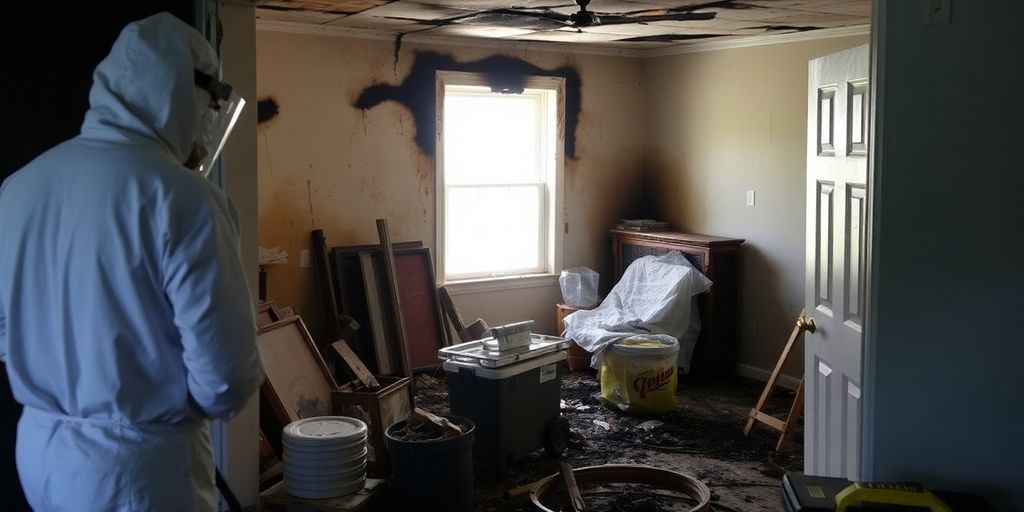
Navigating the aftermath of a fire can be overwhelming, but insurance plays a pivotal role in easing the burden. Understanding how it works can help you get back on your feet more smoothly.
Filing a Claim After a Fire
The first step in leveraging your insurance is filing a claim. This process involves documenting the damage thoroughly. Take photos, make lists of damaged items, and gather any receipts you have. Being detailed here can make a huge difference when it comes to getting the compensation you need. It’s important to contact your insurer as soon as possible to start the claims process. They’ll guide you on what specific information they need.
Understanding Your Coverage
Before a disaster strikes, it’s wise to know what your policy covers. Most standard homeowner’s policies cover fire damage, but they can vary widely in terms of what’s included. Some might cover only the structure, while others include personal belongings and additional living expenses. Reviewing your policy with your agent can clarify any confusing terms and conditions. If you’re renting, consider fire legal liability insurance to protect against accidental fire damage.
Working with Insurance Adjusters
Once your claim is filed, an insurance adjuster will assess the damage. They’ll inspect your home, evaluate the extent of the damage, and determine the payout. It’s beneficial to be present during this inspection to point out all areas of concern. Keep in mind, the adjuster’s job is to evaluate claims fairly, but it’s also okay to question their findings if something seems off. Having a contractor’s estimate can provide a second opinion and ensure you’re not shortchanged.
Insurance is not just a financial safety net; it’s a partner in your recovery journey. Properly understanding and utilizing your policy can make a significant difference in how quickly and effectively you can restore your home.
Maintaining Your Home Post-Restoration
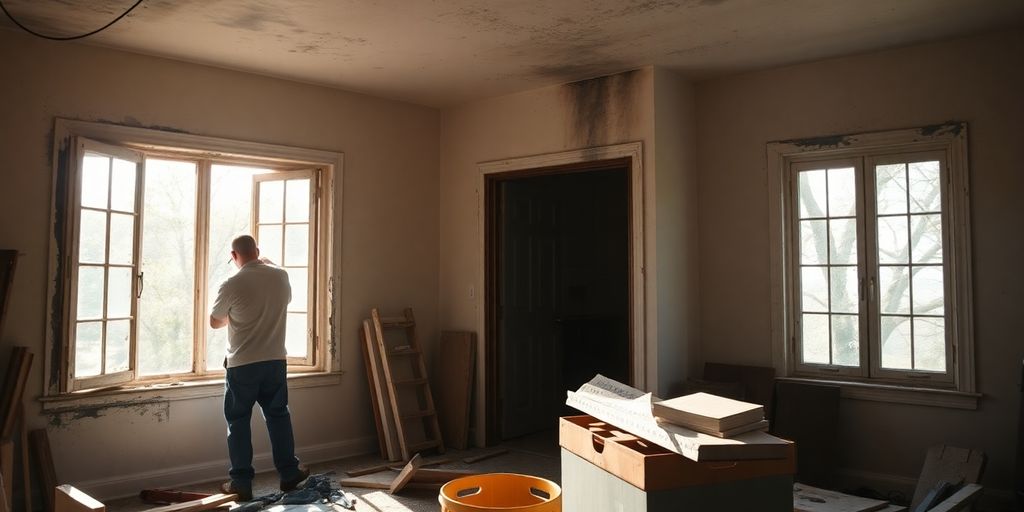
Regular Inspections and Maintenance
After the hustle of returning home after a fire, it’s easy to overlook regular check-ups. But trust me, these are key to keeping things on track. Regular inspections help catch little issues before they morph into big headaches. Start with the basics: check your electrical systems, plumbing, and any structural repairs done post-fire. Schedule these inspections at least twice a year. It’s like taking your car for a tune-up—keeps everything running smoothly.
Addressing Lingering Odors
Smoke smells can be stubborn, like that last guest at a party who just won’t leave. Even after a thorough cleaning, odors might hang around. To tackle this, consider using air purifiers or deodorizers. If the smell persists, professional cleaning might be necessary. Sometimes, it’s about finding that one sneaky spot where the odor is trapped. A little detective work can go a long way.
Ensuring Structural Integrity
Your home’s bones took a hit during the fire, and while restoration does a lot, ongoing care is crucial. Keep an eye on walls, ceilings, and floors for any signs of wear or damage. If you spot cracks or shifts, it might be time to call in a pro. Remember, it’s not just about fixing what you see but ensuring everything underneath is solid. Think of it like checking the foundation of a friendship—gotta make sure it’s strong and steady.
After restoring your home, it’s important to keep it in great shape. Regular checks for leaks, mold, and other issues can help you catch problems early. Make sure to clean and maintain your home to keep it looking its best. For more tips and expert help, visit our website today!
Conclusion
Wrapping up, dealing with the aftermath of a fire is no small feat. It’s a mix of emotions and tasks that can feel overwhelming. But remember, you’re not alone in this. Fire remediation services are there to help you piece everything back together. From cleaning up soot to fixing structural damage, these pros know what they’re doing. They can make your home feel like home again, even after such a disaster. So, take a deep breath, reach out for help, and start the journey to recovery. It’s a tough road, but with the right support, you’ll get through it.
Frequently Asked Questions
What should I do right after a fire in my home?
First, make sure everyone is safe and call 911. Once the fire is out, contact your insurance company and take pictures of the damage. Avoid entering the house until it’s declared safe by professionals.
How long does the fire restoration process take?
The time it takes can vary. It might take a few days for minor damage or several weeks for more severe cases. The extent of the damage and the size of your home will affect the timeline.
Can I clean up fire damage by myself?
It’s not recommended. Fire damage can leave behind harmful residues and structural damage that are best handled by professionals. They have the right tools and knowledge to clean and restore safely.
How can I prevent future fires in my home?
You can reduce fire risks by keeping flammable items away from heat sources, installing smoke detectors, and having an emergency plan. Regular checks and maintenance can also help prevent fires.
Will my insurance cover all the fire damage costs?
This depends on your policy. Most homeowner’s insurance covers fire damage, but it’s important to understand the specifics of your coverage. Talk to your insurance agent for details.
What is included in fire remediation services?
Fire remediation services often include assessing the damage, cleaning up smoke and soot, deodorizing, and making necessary repairs to restore your home to its pre-fire condition.