
Dealing with the aftermath of a fire in your home is tough. It’s not just about the visible damage; there’s a lot more going on. From structural issues to smoke and water damage, the effects can be overwhelming. But don’t worry, this guide is here to help you understand what you’re dealing with and the steps you need to take to get your home back to normal. Whether it’s figuring out insurance, cleaning up, or hiring professionals, we’ve got you covered. Let’s walk through this process together.
Key Takeaways
- Fire damage goes beyond what you can see; it affects the structure and air quality of your home.
- Immediate actions like contacting your insurance and securing the property are critical.
- Professional help is often necessary for thorough cleaning and repairs.
- Restoration involves not just fixing but also ensuring future safety.
- Preventive measures can help protect your home from future fires.
Understanding Fire Damage and Its Impact
Types of Fire Damage
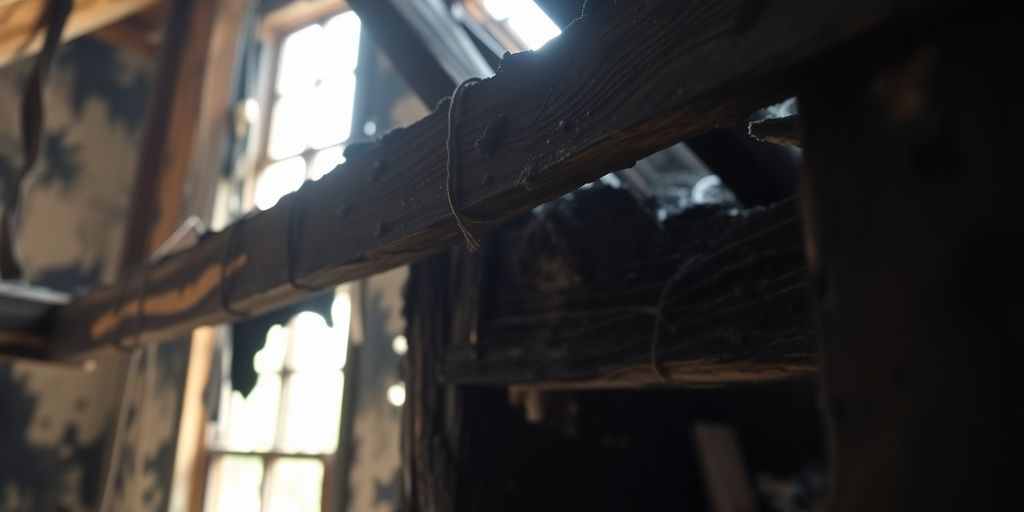
Fire damage is not just about things getting burned. There are several types, each with its own headache. First, there’s structural damage. That’s when the heat messes with the building’s skeleton, making it unsafe. Then, you’ve got smoke damage. Smoke can sneak into walls, ceilings, and your stuff, leaving behind a smell that just won’t quit and a residue that’s a pain to clean. And don’t forget about water damage. Yep, the very water used to put out the fire can soak into everything, leading to mold if you don’t deal with it fast. Lastly, there’s the loss of personal stuff like furniture and electronics, which can hit both your wallet and your heart hard.
Health Risks Associated with Fire Damage
Fires don’t just destroy things; they can mess with your health too. The soot and ash left behind can be more than just dirty—they’re hazardous. Breathing them in is bad news for your lungs and can cause serious respiratory issues. Plus, the damage might have messed with your electrical wiring, which is a big risk for future fires or even electric shocks.
Long-term Effects on Property
The aftermath of a fire can stick around longer than you’d like. For one, there’s the structural integrity of your home. If the fire was intense, it might have weakened support beams or other critical parts, making your home unsafe. Then there’s the lingering smell of smoke. It’s stubborn and can hang around for ages if not dealt with properly. And let’s not forget about the potential for mold growth from water damage, which can creep up on you if the area wasn’t dried out thoroughly. All these issues can make your home a tough place to live in and might even affect its value if not addressed.
Dealing with fire damage is more than just cleaning up the mess; it’s about understanding the different ways a fire can impact your home and health. Knowing what you’re up against is the first step in getting things back to normal.
Immediate Steps to Take After a Fire
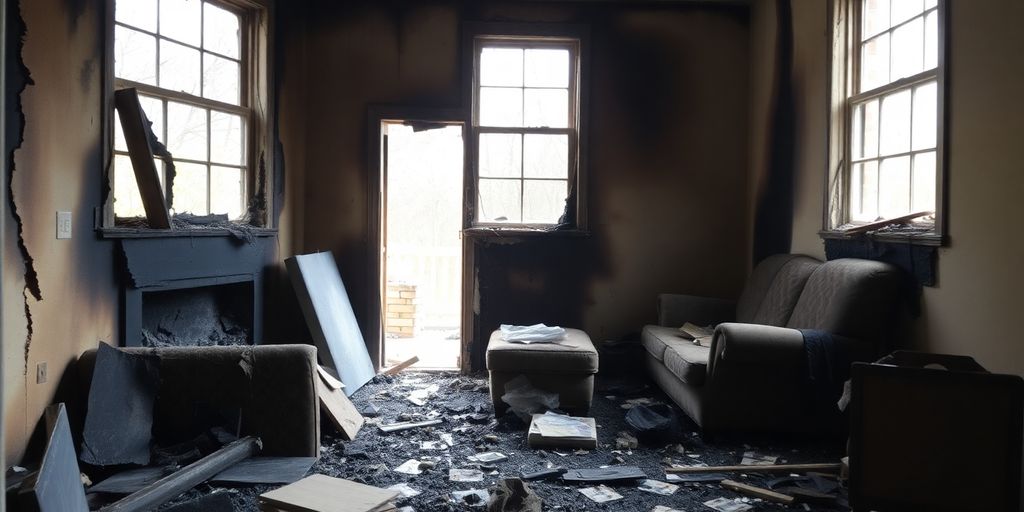
Facing the aftermath of a fire can be overwhelming, but knowing your next steps can help you manage the chaos. Here’s a guide to what you should do immediately after a fire:
Ensuring Safety and Security
- Exit Safely: In case of a possible fire in your home, immediately exit the building by crawling to the nearest exit. Once safe, call 911 to inform the Fire Department. (Read more)
- Wait for the All-Clear: Don’t re-enter your home until the fire department confirms it’s safe.
- Protect yourself by wearing safety gear if you need to enter the premises.
- Secure your property by boarding up broken windows or doors to prevent unauthorized entry.
Contacting Insurance and Documenting Damage
- Notify Your Insurance: Contact your insurance company promptly to start your claim.
- Document everything. Take photos and videos of the damage, but only if it’s safe to do so.
- Keep a record of all interactions with insurance representatives and any expenses related to the fire.
Arranging Temporary Housing
- If your home is uninhabitable, arrange for temporary housing for you and your family.
- Check if your insurance policy covers temporary accommodation costs.
- Reach out to local charities or emergency services if you need assistance finding a place to stay.
After a fire, the journey to recovery begins with ensuring safety, securing your property, and starting the insurance process. While it might feel daunting, taking these initial steps can set the stage for a smoother recovery process.
The Fire Damage Repair Process
Initial Assessment and Planning
Once the firefighters have done their job, the first thing you need to do is get a professional to check out the damage. This step is all about figuring out just how bad things are. They’ll look at how far the flames and smoke have gone and decide what can be saved and what’s beyond hope. After that, they’ll come up with a game plan for fixing everything up, including a cost estimate and timeline.
Water and Smoke Damage Mitigation
Firefighters use a lot of water to put out fires, which means you’re often dealing with water damage on top of everything else. The goal here is to get rid of any water before it causes more trouble, like mold. Professionals will bring in heavy-duty equipment to dry things out. At the same time, they’ll tackle smoke damage, which can be just as nasty. They’ll clean surfaces, walls, and ceilings to remove soot and smoke residue.
Structural Repairs and Reconstruction
Once the place is dry and clean, it’s time to start rebuilding. This stage is about fixing any structural damage and making sure everything’s safe again. It can involve anything from replacing drywall and flooring to more serious repairs like fixing the roof or foundation. The aim is to bring your home back to its pre-fire state, or even better.
Rebuilding after a fire isn’t just about bricks and mortar—it’s about restoring your sense of home and safety. It takes time, patience, and a bit of grit, but with the right help, you can get there.
For those looking to explore effective fire damage repair strategies, it’s crucial to engage professionals who can guide you through every step of the process, ensuring a smooth recovery.
Cleaning and Restoring Your Home
Soot and Smoke Removal Techniques
Dealing with soot and smoke is no small task. These pesky particles cling to walls and furniture, making them tough to remove. The first step in cleaning fire damage is to ventilate the area. Open windows and use fans to push out the smoky air. For cleaning, start with a dry cleaning sponge to wipe away as much soot as possible. Avoid using water initially, as it can smear the soot. Once the dry cleaning is done, a mild detergent mixed with water can tackle the remaining residue.
Odor Elimination Strategies
The smell of smoke can linger long after the flames are out. To tackle this, try using baking soda on carpets and upholstery. Let it sit for a few hours before vacuuming. You might also consider professional treatments like ozone or thermal fogging, which neutralize odors at the molecular level. Don’t forget to change HVAC filters to prevent the smell from circulating.
Restoring Personal Belongings
Sorting through damaged belongings can be emotional. Start by categorizing items into those that can be cleaned and those that are beyond repair. For fabrics, dry cleaning is your best bet to remove soot stains. Non-porous items might benefit from ultrasonic cleaning, which uses sound waves to shake loose any soot particles. Remember, some items may need to be replaced if they’re too damaged.
Restoring your home is more than just cleaning walls and floors. It’s about reclaiming your space, bit by bit, until it feels like home again. Embrace the process, and don’t rush. Each small victory in cleaning and restoration brings you closer to normalcy.
Working with Fire Damage Repair Professionals
Picking the right company to handle fire damage repair is a big deal. You want to make sure they have the right experience and skills to get your home back to normal. Here’s what to look for:
- Licensed and Insured: Always go for a company that’s licensed and insured. This protects you in case something goes wrong during the repair process.
- Experience with Complex Projects: Fire damage restoration isn’t just about cleaning up. It involves handling everything from structural repairs to dealing with insurance claims. Look for a company that has experience managing complex projects.
- Good Communication: A reliable company will keep you in the loop about what’s happening and what to expect next. They should be easy to reach and willing to answer your questions.
Choosing a company like Ruach Home Services can make a huge difference. They offer a comprehensive suite of services, ensuring your home is restored efficiently and thoroughly.
Preventive Measures and Future Safety
Installing Fire Safety Equipment
After going through the ordeal of a house fire, the first thing you want to do is beef up your fire safety equipment. Smoke detectors should be your first line of defense. Place them in key spots like hallways, kitchens, and near sleeping areas. Don’t forget to check their batteries regularly. Fire extinguishers are another must-have. Keep one in the kitchen and another in the garage. For those who want to go the extra mile, consider installing a sprinkler system. It might seem like overkill, but it can be a game-changer in controlling a fire before it gets out of hand.
Creating a Fire Escape Plan
Having a fire escape plan is crucial. Sit down with your family and map out a plan. Make sure everyone knows at least two ways to exit each room. Practice the plan regularly, and don’t forget to include your pets. A simple drill can make all the difference when seconds count. Also, decide on a meeting spot outside where everyone can gather. It’s a small step that ensures everyone is accounted for during the chaos.
Regular Home Maintenance and Inspections
Regular upkeep of your home can prevent many fire hazards. Keep an eye on electrical wiring and outlets—frayed wires are a recipe for disaster. Check your heating system annually, especially before winter hits. A professional inspection can catch issues you might miss. Chimneys and fireplaces should also be cleaned and inspected to prevent buildup that could ignite. Lastly, clear out the clutter. Stacks of old newspapers or boxes can quickly become kindling in the event of a fire.
Taking these preventive measures not only protects your home but also gives you peace of mind. It’s about being prepared and reducing risks as much as possible. Remember, safety first is not just a saying; it’s a way of life.
To keep your home safe and sound, it’s important to take preventive steps. Regular checks for leaks, maintaining your roof, and ensuring proper drainage can help avoid major issues. Don’t wait for a disaster to strike! Visit our website for more tips and to learn how we can assist you in protecting your home today!
Conclusion
Alright, so we’ve covered a lot about getting your home back in shape after a fire. It’s no walk in the park, that’s for sure. But with the right steps and a bit of patience, you can turn things around. Remember, safety comes first—don’t rush back in until it’s safe. Once you’re in, take stock of what’s left and start planning your next moves. It’s a big job, but breaking it down into smaller tasks can make it feel less overwhelming. And hey, don’t hesitate to call in the pros when you need to. They know their stuff and can really help lighten the load. At the end of the day, it’s about getting your home back to being your safe haven. So take it one step at a time, and you’ll get there.
Frequently Asked Questions
What should I do immediately after a fire?
First, ensure everyone’s safety and call emergency services. Once the fire is out and it’s safe, contact your insurance company and document the damage with photos and videos.
Can I clean up the fire damage myself?
It’s best to hire professionals. They have the right tools and knowledge to safely clean and restore your home without causing further damage.
How long does fire damage repair take?
The time varies depending on the extent of the damage. It can take a few weeks to several months to fully restore a home.
Will my insurance cover all the repair costs?
This depends on your policy. Most insurance covers fire damage, but it’s important to understand the specifics of your coverage and any limitations.
What are the health risks after a fire?
Smoke and soot can cause respiratory issues and other health problems. It’s important to clean and ventilate the area thoroughly.
How can I prevent future fires?
Install smoke detectors, have a fire escape plan, and conduct regular home inspections to identify and fix potential hazards.