Finding mold in your home can be a real headache. It’s not just about the unsightly patches on your walls; it’s about the potential health risks and the stress of getting rid of it. Mold remediation services are there to help, but understanding what they do and how to choose the right one is crucial. This guide will walk you through everything you need to know, from the basics of mold remediation to choosing the right company and preventing future mold growth.
Key Takeaways
- Mold remediation is essential for health and safety, addressing mold at its source.
- Choosing a certified and experienced mold remediation company ensures effective treatment.
- Advanced technologies like thermal imaging help in detecting hidden mold issues.
- Understanding your insurance policy can ease the financial burden of mold remediation.
- Preventing mold involves fixing leaks, proper ventilation, and regular inspections.
Understanding Mold Remediation Services
What is Mold Remediation?
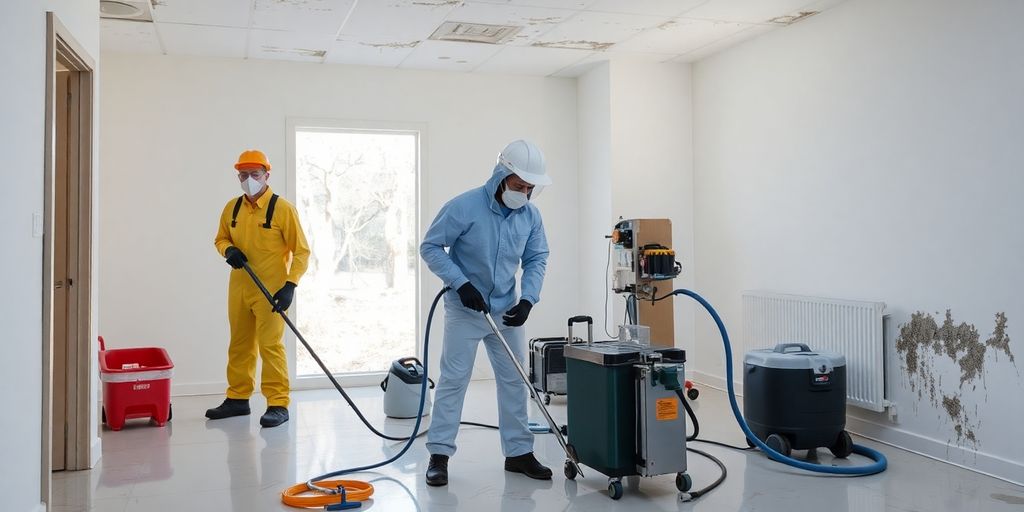
Mold remediation is the process of identifying, cleaning, and eliminating mold from an indoor environment. It’s not just about removing the visible mold but also addressing the underlying moisture issues that allow mold to thrive. This involves a series of steps, including inspection, containment, air filtration, removal, and cleaning. Professionals often use specialized equipment to ensure that mold spores are not spread during the process.
Common Causes of Mold Growth
Mold thrives in damp, humid environments. Common causes include:
- Water leaks: Whether from plumbing issues, roof leaks, or foundation cracks, any persistent moisture source can lead to mold.
- Poor ventilation: Areas like bathrooms and kitchens need proper airflow to prevent moisture buildup.
- Flooding: After a flood, even a small amount of leftover moisture can become a breeding ground for mold.
Signs You Need Mold Remediation
Recognizing the signs early can prevent more extensive damage:
- Musty odors: A persistent musty smell is often the first indication of mold.
- Visible mold: Spots of mold can appear in various colors, such as black, green, or white.
- Health symptoms: Allergic reactions, such as sneezing, coughing, or skin rashes, may indicate mold presence.
Understanding mold remediation can be daunting, but knowing the basics helps you take the right steps to protect your home and health. Always consider consulting with professionals for an accurate assessment and effective remediation.
The Mold Remediation Process Explained
Initial Assessment and Inspection
Before jumping into action, the first step in mold remediation is a thorough assessment. A specialist will visit your property to figure out the extent of the mold problem. They’ll check for visible signs and also look for hidden mold, which can be tricky. This is when documenting everything is crucial, especially for insurance purposes. The inspector will also identify the source of moisture that’s causing the mold growth, as mold loves damp places.
Containment and Air Filtration
Once the mold is found, the next step is to contain it. This means sealing off the area with plastic sheets or other barriers to prevent mold spores from spreading to other parts of the house. Air filtration is also important. Using HEPA filters, the air in the contaminated area is cleaned to remove mold spores and other particles. This step is all about keeping the rest of your home safe while the remediation is underway.
Mold Removal and Cleaning
Now comes the tough part—removing the mold itself. This involves getting rid of any materials that are too damaged to clean, like drywall or carpet. Everything else is cleaned with special solutions to kill mold spores. It’s a meticulous process, as even a small amount of leftover mold can cause problems later. The cleaning process is often followed by a thorough drying of the area to ensure mold doesn’t come back.
Choosing the Right Mold Remediation Company
Key Criteria for Selection
When picking a mold remediation company, you want to make sure they’re licensed, bonded, and insured. This isn’t just about legality—it’s about your peace of mind. Experience matters too. Look for companies that have handled projects similar to yours, especially if your situation involves complex issues like water damage or structural repairs. Check if they have certifications like Certified Mold Remediator (CMR) or Mold Removal Specialist (MRS). Positive customer reviews can also be a good indicator of their reliability.
Questions to Ask Potential Companies
Before you hire anyone, ask them a few key questions:
- What kind of certifications do you hold?
- How do you handle mold containment?
- Can you provide references from past clients?
- Do you offer post-remediation testing?
- What’s your process for working with insurance companies?
These questions will help you gauge their expertise and how they manage the overall process. It’s also wise to inquire about their approach to preventing future mold growth.
Importance of Certifications and Experience
Certifications tell you that a company knows its stuff. For instance, a Council-certified Microbial Remediator (CMR) is trained to safely remove mold. Experience is equally important. Companies like Ruach Home Services emphasize the need for skilled professionals who can address not just mold, but also related issues like water damage. Their focus on customer satisfaction and safety makes them a reliable choice.
Choosing the right company can make all the difference in ensuring your home is safe and comfortable again. Don’t rush this decision—take your time to find a company that you trust.
Advanced Technologies in Mold Remediation
Thermal Imaging and Moisture Meters
When tackling mold issues, modern tools like thermal imaging cameras and moisture meters are game-changers. Thermal imaging helps spot hidden moisture behind walls, which is often where mold starts its unwanted growth. With these cameras, you can see temperature variations, pointing out damp spots that need attention. Moisture meters, on the other hand, give precise readings of how wet a material is, helping to pinpoint problem areas quickly. This means you can fix things before they get worse.
HEPA Filtration Systems
HEPA filtration systems are like the superheroes of mold remediation. They capture tiny particles, including mold spores, ensuring that the air is clean and safe to breathe. When you’re dealing with mold, using a HEPA filtration system can make a huge difference. These systems are designed to trap 99.97% of particles that are 0.3 microns or larger, making them incredibly effective at cleaning the air during and after mold removal.
Antimicrobial Treatments
After removing mold, the next step is to prevent it from coming back. This is where antimicrobial treatments come in. These treatments involve applying special chemicals that kill any remaining mold spores and create a protective barrier on surfaces. This helps ensure that mold doesn’t return, keeping your home safe and healthy. It’s like giving your home an extra layer of defense against future mold invasions.
In the world of mold remediation, using the right technology can mean the difference between a temporary fix and a long-lasting solution. By employing advanced tools and treatments, you not only tackle the current mold problem but also help prevent future issues.
Health and Safety Considerations in Mold Remediation
Health Risks of Mold Exposure
Mold isn’t just an eyesore; it can be a real health hazard. Breathing in mold spores might cause anything from a slight cough to more serious breathing problems. Folks with asthma or allergies need to be extra careful. Kids and elderly people are especially vulnerable. If you’ve got mold in your home, it’s a smart move to get it checked out and cleaned up as soon as possible.
Safety Gear and Precautions
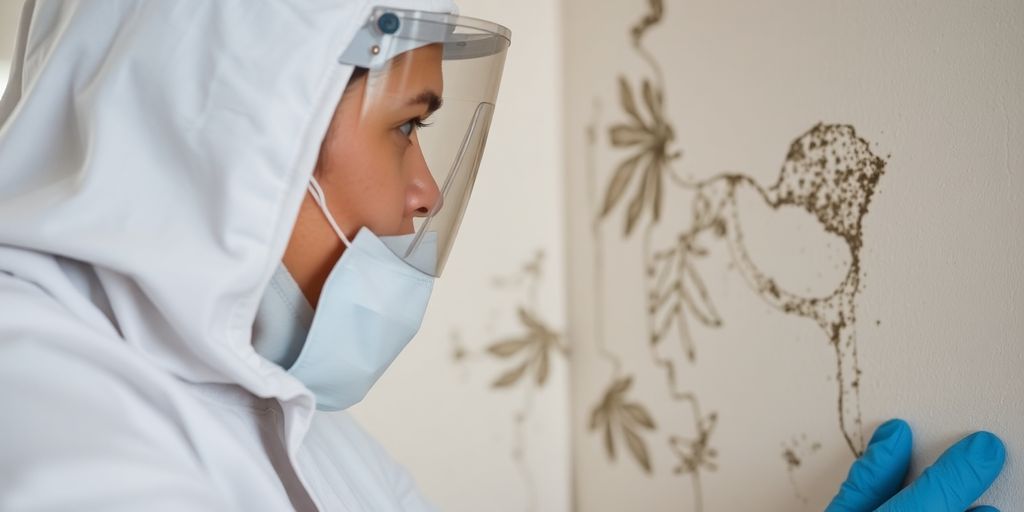
When dealing with mold, safety gear is a must. Think of it like suiting up for a mission. You’ll need gloves, goggles, and a good mask to keep those pesky spores out. Sometimes, a full-body suit is necessary, especially if the mold is widespread. Here’s a quick list of what you might need:
- Protective gloves
- Goggles without vent holes
- Respirator mask with a P100 filter
- Full-body suit, sealed at the wrists and ankles
It’s not overkill; it’s about keeping safe while tackling the mold problem.
Ensuring Safe Living Conditions
Once the mold is gone, it’s crucial to make sure your home is safe to live in again. This means checking for any leftover spores and ensuring the air is clean. A good air scrubber can help with this. It’s also wise to have a professional test your home to confirm that the mold is completely gone.
Living in a mold-free environment isn’t just about comfort; it’s about health. Taking the right steps ensures peace of mind and a safe place for your family.
Legal and Insurance Aspects of Mold Remediation
Understanding Your Insurance Policy
When dealing with mold issues, it’s crucial to first understand the specifics of your insurance policy. Not all policies cover mold damage, so it’s important to check what your policy includes. Some policies might cover mold if it results from a covered peril, like water damage from a burst pipe, while others might exclude mold altogether. Review your policy carefully and talk to your insurance agent to clarify any doubts. Documenting the damage thoroughly with photos and notes can help support your claim.
Legal Responsibilities of Property Owners
Property owners have a legal obligation to maintain a safe and habitable environment. If mold is found, especially in rental properties, ignoring it can lead to legal consequences. Tenants may have the right to withhold rent or even take legal action if mold affects their health or living conditions. Understanding these responsibilities can prevent costly legal battles and ensure a safe environment for everyone involved.
Working with Insurance Companies
Navigating the claims process with insurance companies can be daunting. It’s beneficial to work with a mold remediation company that has experience in dealing with insurers. They can often assist in documenting the damage and communicating with the insurance company on your behalf. This can streamline the process and help ensure you receive the coverage you’re entitled to. Remember, clear communication and detailed documentation are key to a successful claim process.
Dealing with mold-related issues can be complex, but understanding your rights and responsibilities can make the process smoother. Always stay informed and proactive to protect your property and health.
Preventing Future Mold Growth
Identifying and Fixing Water Leaks
Water leaks are sneaky culprits behind mold growth. They can come from anywhere: a leaky roof, a busted pipe, or even a poorly sealed window. Spotting these leaks early is key. Check your home regularly for signs of moisture, like water stains or peeling paint. If you find a leak, don’t just patch it up temporarily. Get it fixed properly to avoid future headaches.
Proper Ventilation and Humidity Control
Mold loves damp places, so keeping your home dry is crucial. Use exhaust fans in bathrooms and kitchens to get rid of excess moisture. Dehumidifiers are great for basements or other areas that tend to stay damp. Aim to keep indoor humidity below 60%. This makes it harder for mold to settle in and grow.
Regular Inspections and Maintenance
Regular check-ups are your best defense against mold. Set a schedule to inspect your home, especially areas prone to moisture like attics and basements. Clean gutters and downspouts to ensure water is directed away from your house. Routine maintenance can catch small issues before they become big problems.
Mold prevention isn’t a one-time thing. It’s about staying on top of things and being proactive. By keeping an eye out for potential problems and addressing them quickly, you can keep your home mold-free and healthy.
To keep mold from coming back, it’s important to control moisture in your home. Make sure to fix leaks, use dehumidifiers, and keep areas well-ventilated. Regularly check for signs of mold and act quickly if you find any. For more tips on how to protect your home from mold, visit our website today!
Wrapping It Up
So, there you have it. Mold remediation might seem like a big, scary task, but with the right info and a bit of patience, it’s totally doable. Whether you decide to tackle it yourself or call in the pros, the key is to act quickly and stay informed. Mold can be sneaky, but with the steps laid out in this guide, you’re well on your way to a cleaner, safer home. Remember, it’s all about keeping your space healthy and mold-free. Thanks for sticking with us through this guide, and here’s to a mold-free future!
Frequently Asked Questions
What exactly is mold remediation?
Mold remediation is the process of cleaning, removing, and treating areas affected by mold to prevent it from coming back. It involves identifying the source of moisture, cleaning up the mold, and taking steps to prevent future growth.
How do I know if I need mold remediation?
You might need mold remediation if you notice a musty smell, see visible mold, or experience health symptoms like sneezing and coughing. It’s also needed if there’s been water damage in your home.
Can I do mold remediation myself?
For small areas, you might be able to clean up mold yourself using household cleaners. However, for larger infestations or if you have health concerns, it’s best to call professionals who have the right equipment and knowledge.
What should I look for in a mold remediation company?
Look for a company with certifications, experience, and good reviews. They should provide a clear plan for remediation and prevention. It’s also important they follow safety guidelines.
Is mold dangerous to my health?
Yes, mold can cause health problems, especially for people with allergies, asthma, or weakened immune systems. It can lead to symptoms like sneezing, coughing, and skin rashes.
How can I prevent mold from growing again?
To prevent mold, fix any leaks, keep your home well-ventilated, and control humidity levels. Regular inspections and maintenance can also help catch any issues early.