
Restoration remediation is a crucial process for homeowners dealing with damage from water, fire, or storms. Understanding how to effectively address these issues can save time, money, and stress. This guide will help you learn about the different types of restoration, when to seek help, and how to protect your home in the future.
Key Takeaways
- Restoration remediation helps fix damage from water, fire, or storms.
- Look for signs of water damage and mold to catch problems early.
- Hiring a professional can save you time and ensure a job well done.
- Preventative measures can help protect your home from future damage.
- Understanding costs and asking the right questions can help you choose the best service.
Understanding Restoration Remediation
Defining Restoration Remediation
Restoration remediation is the process of fixing damage caused by disasters like floods, fires, or mold. It involves cleaning up and repairing the affected areas to make them safe and livable again. Emergency mitigation is a key part of this process, as it focuses on the immediate response to a disaster to prevent further harm.
Importance for Homeowners
For homeowners, understanding restoration remediation is crucial. It helps them know how to react when disaster strikes. Here are some reasons why it matters:
- Protects property value
- Ensures safety for family
- Reduces long-term repair costs
Common Scenarios Requiring Restoration
Many situations can lead to the need for restoration remediation. Some common scenarios include:
- Water damage from leaks or floods
- Mold growth due to humidity
- Fire damage from accidents or wildfires
Restoration remediation is not just about fixing things; it’s about making your home safe and comfortable again.
By knowing what restoration remediation is, homeowners can better prepare for unexpected events and take the right steps to protect their homes.
Identifying Water Damage and Mold Issues
Signs of Water Damage
Water damage can be tricky to spot at first. Here are some common signs to look for:
- Water stains on walls or ceilings
- Mold growth in corners or around windows
- A musty smell in your home
If you notice any of these signs, it’s important to act quickly to prevent further damage.
Health Risks of Mold
Mold can be harmful to your health. Some potential risks include:
- Allergic reactions, such as sneezing and itchy eyes
- Respiratory issues, especially for those with asthma
- Skin irritation from contact with mold
Taking care of mold issues promptly is crucial for your health.
Steps to Mitigate Mold Growth
To keep mold at bay, follow these steps:
- Fix any leaks or water issues immediately.
- Keep your home well-ventilated to reduce moisture.
- Use a dehumidifier in damp areas.
Remember, preventing mold is easier than removing it once it has taken hold.
By being aware of these signs and taking action, you can protect your home and health from the dangers of water damage and mold.
Fire and Smoke Damage Restoration Techniques
Assessing Fire Damage
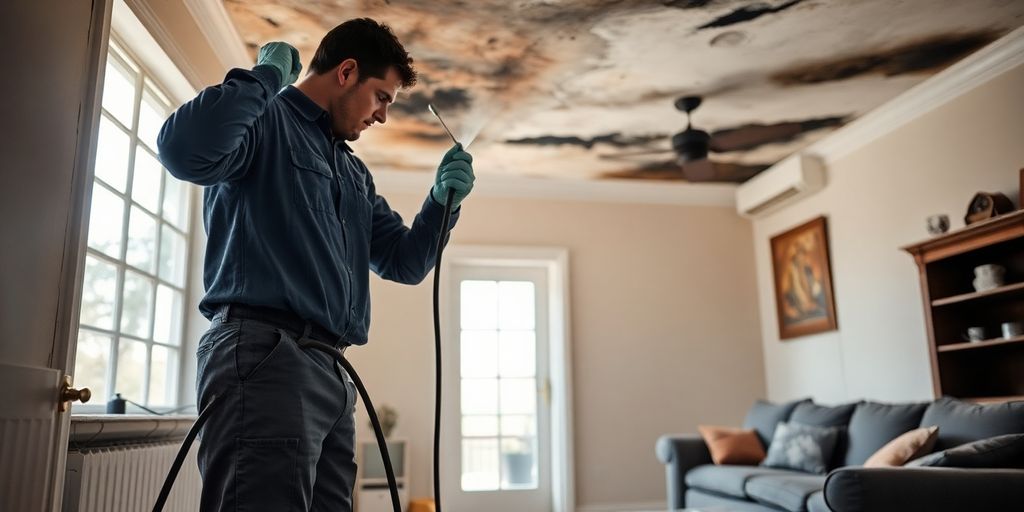
After a fire, the first step is to assess the damage. This includes:
- Checking the structure for safety.
- Evaluating the extent of smoke and soot damage.
- Identifying any water damage from firefighting efforts.
A thorough assessment is crucial for effective restoration.
Smoke Odor Removal Methods
Removing smoke odors can be challenging. Here are some effective methods:
- Ventilation: Open windows and doors to let fresh air in.
- Cleaning Surfaces: Use specialized cleaners to scrub walls and furniture.
- Deodorizing Agents: Apply products designed to neutralize odors.
Professional help may be needed for stubborn smells.
Reconstruction After Fire Damage
Rebuilding after a fire involves several steps:
- Planning: Work with professionals to create a restoration plan.
- Reconstruction: Repair or replace damaged structures.
- Final Inspection: Ensure everything meets safety standards.
Remember, hiring a reliable service can make a big difference in restoring your home effectively.
For those looking for affordable fire damage restoration, consider services that offer comprehensive solutions like emergency board-up, smoke removal, and structural cleaning. This ensures your home is returned to its pre-fire condition efficiently.
Addressing Storm and Flood Damage
Immediate Actions After a Storm
When a storm hits, it’s crucial to act quickly. Here are some steps to follow:
- Ensure Safety: Check for any hazards like downed power lines or unstable structures.
- Document Damage: Take photos of the damage for insurance claims.
- Contact Professionals: Reach out to restoration services for help.
Flood Damage Assessment
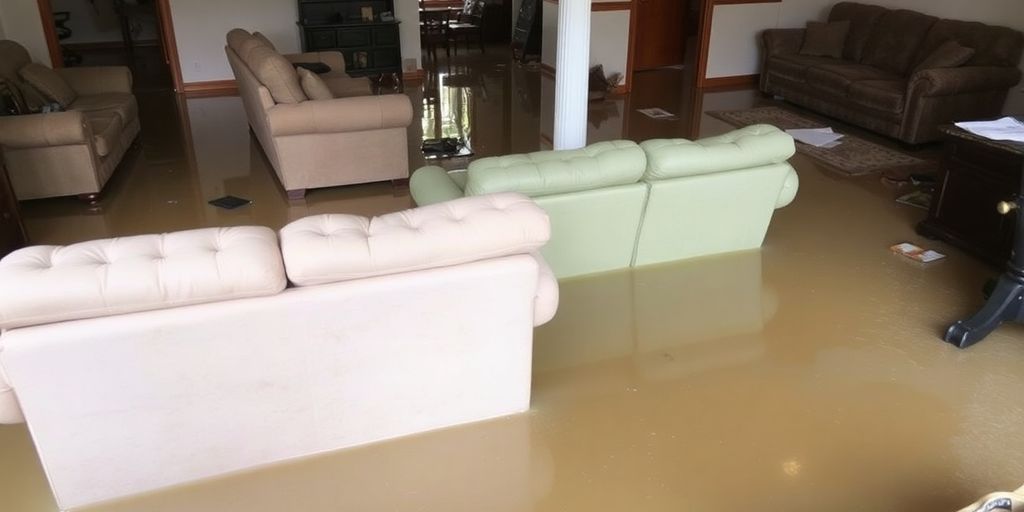
After the storm, assessing the damage is key. Look for:
- Water levels in your home
- Structural damage to walls and floors
- Mold growth in damp areas
Flooding can cause serious issues if not addressed promptly. It’s important to act fast to prevent further damage.
Restoration Strategies for Flooded Homes
Once you’ve assessed the damage, consider these restoration strategies:
- Water Extraction: Remove standing water as soon as possible.
- Drying and Dehumidifying: Use fans and dehumidifiers to dry out the area.
- Repair and Restore: Fix any damaged structures and replace ruined materials.
Remember, timely action can save your home from extensive damage.
In summary, addressing storm and flood damage involves immediate action, thorough assessment, and effective restoration strategies. By following these steps, you can help ensure your home is safe and secure after a storm. Merit restorations offers 24/7 emergency restoration services for all types of damage, ensuring your property is safe and fully restored.
Choosing the Right Restoration Remediation Services
When it comes to restoring your home, selecting the right service provider is crucial. A good restoration company can make a significant difference in the outcome of your repairs. Here are some key points to consider:
Evaluating Service Providers
- Check Credentials: Ensure the company is licensed and insured.
- Read Reviews: Look for feedback from previous customers.
- Ask for Recommendations: Talk to friends or family who have used restoration services.
Questions to Ask Before Hiring
- What is your experience with similar restoration projects?
- Can you provide references from past clients?
- What is your estimated timeline for completion?
Understanding Service Costs
Restoration costs can vary widely based on the extent of the damage. Here’s a simple table to give you an idea:
| Type of Damage | Average Cost Range |
|---|---|
| Water Damage | $1,000 – $5,000 |
| Fire Damage | $2,500 – $10,000 |
| Mold Remediation | $500 – $6,000 |
Choosing a reputable contractor is essential for effective restoration. Look for companies that prioritize clear communication and transparency, ensuring you receive reliable solutions for your home.
DIY vs Professional Restoration Remediation
Pros and Cons of DIY
When it comes to restoration, many homeowners consider doing it themselves. Here are some advantages and disadvantages:
- Cost Savings: Doing it yourself can save money on labor costs.
- Flexibility: You can work on your own schedule.
- Skill Development: You can learn new skills and gain experience.
However, there are also downsides:
- Time-Consuming: DIY projects can take longer than expected.
- Risk of Mistakes: Without experience, you might make errors that worsen the damage.
- Safety Concerns: Some situations, like mold or fire damage, can be dangerous without proper training.
When to Call a Professional
In some cases, it’s best to hire experts. Here are situations where professional help is crucial:
- Severe Damage: If the damage is extensive, professionals have the tools and knowledge to handle it.
- Health Risks: If mold is present, it can pose serious health risks that require specialized removal.
- Insurance Claims: Professionals can assist with navigating insurance claims, ensuring you get the coverage you need.
Cost Comparison
Here’s a simple comparison of costs between DIY and professional services:
| Service Type | Estimated Cost |
|---|---|
| DIY (Materials Only) | $100 – $500 |
| Professional Service | $500 – $5,000 |
Choosing the right approach depends on the situation. Sometimes, a mix of both DIY and professional help can be the best solution.
In conclusion, understanding the pros and cons of DIY versus hiring professionals is essential for effective restoration. Always assess the situation carefully to make the best choice for your home.
Preventative Measures for Future Protection
Home Maintenance Tips
To keep your home safe from damage, regular maintenance is key. Here are some important tips:
- Inspect your roof for leaks or damage at least twice a year.
- Clean gutters and downspouts to ensure proper water flow.
- Check for cracks in your foundation and seal them promptly.
Installing Protective Systems
Consider adding systems that can help protect your home:
- Install sump pumps in basements to prevent flooding.
- Use drainage systems around your home to direct water away.
- Waterproof your basement walls to keep moisture out.
Insurance Considerations
Having the right insurance can save you from big losses. Make sure to:
- Review your policy to understand what is covered.
- Consider additional coverage for natural disasters.
- Keep an updated inventory of your belongings for claims.
Taking these steps can help you avoid costly repairs in the future. Regular checks and protective measures are essential for a safe home.
By following these preventative measures, homeowners can significantly reduce the risk of damage and ensure a safer living environment. Remember, preventive measures for water damage are crucial for long-term protection.
To keep your home safe from future issues, it’s important to take some simple steps. Regularly check for leaks, clean gutters, and ensure proper drainage around your property. Don’t wait for problems to arise; be proactive! For more tips and expert help, visit our website today!
Conclusion
In summary, restoration remediation is an important process for homeowners facing damage in their homes. Whether it’s from water, fire, or mold, knowing how to handle these issues can save time and money. By understanding the steps involved and seeking professional help when needed, you can protect your home and keep it safe for your family. Remember, taking action quickly is key to preventing further damage. With the right knowledge and resources, you can effectively restore your home and ensure it remains a comfortable place to live.
Frequently Asked Questions
What is restoration remediation?
Restoration remediation is the process of fixing damage to a home caused by water, fire, mold, or storms. It helps restore the house to its original condition.
Why is restoration remediation important for homeowners?
It’s important because it helps keep your home safe and healthy. If you don’t fix damage quickly, it can lead to bigger problems, like health risks or more expensive repairs.
How can I tell if my home has water damage?
You might notice water stains on walls or ceilings, peeling paint, or a musty smell. If you see any of these signs, it’s a good idea to check for water damage.
What should I do if I find mold in my home?
If you find mold, it’s best to clean it up right away. You can use soap and water for small areas, but if it’s a lot of mold, you might need to call a professional.
How can I choose the right restoration service?
Look for companies with good reviews and ask them questions about their experience. It’s also important to get estimates from different companies to find the best price.
Is it better to do restoration work myself or hire a pro?
It depends on the damage. Small repairs can often be done by yourself, but for bigger problems, like serious water damage or fire damage, it’s safer to hire a professional.