Mold issues can sneak up on any property, creating health risks and damaging structures. Whether it’s an old house or a modern building, mold doesn’t discriminate. That’s where professional mold assessment services come in. These services don’t just spot the problem—they help you understand its extent and offer solutions to fix it. From moisture mapping to air sampling, experts use advanced tools to ensure your space is safe and mold-free.
Key Takeaways
- Mold assessment services help identify hidden mold and its causes.
- They protect both health and property by addressing mold issues early.
- Experts use tools like moisture meters and air samplers for accurate results.
- Tailored services are available for homes, businesses, and special facilities.
- Regular assessments can prevent future mold problems and costly repairs.
The Importance of Professional Mold Assessment Services

Understanding the Risks of Mold Exposure
Mold exposure isn’t just an inconvenience—it can seriously affect your health. Prolonged exposure to mold spores can lead to respiratory problems, allergies, and even chronic illnesses, especially for kids, the elderly, and anyone with a weakened immune system. Mold thrives in damp environments, and once it starts growing, it can spread fast. That’s why it’s important to identify and address mold issues early.
Some common health symptoms linked to mold exposure include:
- Persistent coughing or sneezing
- Irritated eyes or skin
- Trouble breathing, especially for asthma sufferers
How Mold Impacts Property Value and Safety
Mold doesn’t just damage health; it can also hit your wallet. Mold growth can weaken the structural integrity of your home, leading to costly repairs if ignored. For homeowners planning to sell, visible mold or even the hint of a mold problem can scare off potential buyers and lower your property’s value.
Here’s how mold can affect your property:
- Damages walls, ceilings, and flooring
- Causes a musty odor that’s hard to eliminate
- Creates lasting issues if moisture problems aren’t fixed
For businesses, mold can lead to legal and compliance issues if it poses a health risk to employees or customers.
The Role of Mold Assessment in Preventing Health Issues
A professional mold assessment is your first line of defense. It’s not just about finding mold—it’s about understanding why it’s there. Experts use specialized tools to detect hidden moisture and pinpoint the root causes of mold growth. This ensures any remediation efforts are effective and long-lasting.
The steps typically include:
- A thorough inspection for visible and hidden mold.
- Air and surface sampling to identify mold types and levels.
- A detailed report with recommendations for addressing both mold and its underlying causes.
Mold assessments are not just about solving today’s problem—they help prevent future issues by addressing moisture sources and improving air quality.
For reliable mold assessment and remediation services, Ruach Home Services provides expert solutions to keep your home safe and healthy.
Key Components of Comprehensive Mold Assessment Services
Visual Inspections and Moisture Mapping
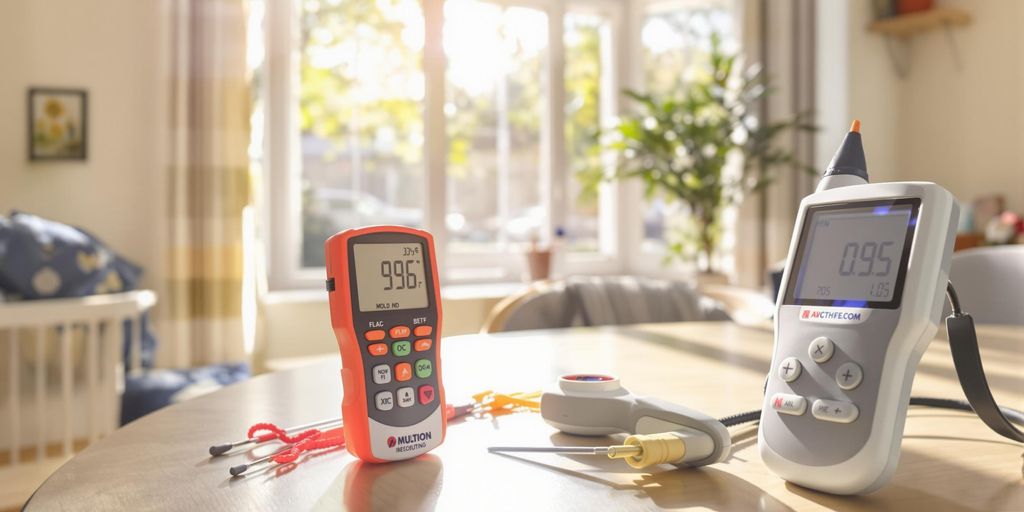
The first step in any mold assessment is a thorough visual inspection. This involves identifying visible mold growth and pinpointing areas with potential moisture issues. Tools like moisture meters and thermal imaging cameras are often used to detect hidden dampness. Moisture mapping is critical because it highlights areas that could be breeding grounds for mold, even if mold isn’t immediately visible.
Air and Surface Sampling Techniques
Air and surface sampling are essential for understanding the extent of mold contamination. Air samples help determine the concentration of mold spores in the environment, while surface samples identify the types of mold present. These samples are sent to a lab for detailed analysis, which provides a clear picture of the contamination level and helps in planning effective remediation.
Detailed Reporting and Expert Recommendations
Once the inspection and sampling are complete, a detailed report is prepared. This report includes findings, photographs, and actionable recommendations. It may also include a breakdown of mold types and their concentrations. Expert advice on next steps, such as remediation or preventive measures, is provided to ensure a safe and healthy environment. For a deeper understanding of mold inspection reports, check out this guide.
Advanced Tools and Techniques in Mold Detection
State-of-the-Art Moisture Meters and Sensors
Detecting hidden moisture is often the first step in identifying potential mold growth. Modern moisture meters and sensors are designed to pinpoint areas of excessive dampness, even behind walls or under floors. These tools help professionals locate issues before they become visible problems. Accurate moisture detection is critical for preventing mold from spreading unnoticed.
High-Efficiency Air Sampling Equipment
Air sampling is a reliable way to measure mold spore levels in a property. High-efficiency air sampling devices capture even the tiniest particles, providing a clear picture of indoor air quality. These samples are then analyzed in a lab to identify the types and concentrations of mold present. This method is especially useful for detecting airborne mold that isn’t immediately visible.
Innovative Methods for Hidden Mold Detection
Sometimes, mold hides in places you wouldn’t expect—like inside HVAC systems or beneath insulation. Advanced techniques, such as thermal imaging and borescopes, allow experts to inspect these hard-to-reach areas without causing damage to your property. These tools make it easier to uncover hidden mold, ensuring no area is overlooked.
Being proactive with mold detection tools not only saves time but also reduces long-term costs related to property damage and health issues.
Tailored Mold Assessment Solutions for Different Properties
Residential Mold Assessment Services
When it comes to your home, nothing is more important than the health and safety of your family. Residential mold assessments focus on identifying mold growth in common areas like basements, bathrooms, and kitchens. These spaces often have high humidity and limited ventilation, making them prime spots for mold. A thorough evaluation ensures your home remains a safe and healthy environment for everyone.
Key steps in residential assessments include:
- Inspecting visible mold and moisture-prone areas.
- Conducting air and surface sampling to determine contamination levels.
- Offering actionable recommendations to address any issues found.
Commercial and Industrial Property Evaluations
For businesses, mold isn’t just a health risk—it can also disrupt operations and tarnish reputations. Mold assessments for commercial and industrial properties are designed to tackle large-scale challenges. Whether it’s a warehouse, office building, or factory, these evaluations help maintain compliance with safety regulations and protect employees.
Here’s what’s typically involved:
- Comprehensive inspection of HVAC systems and high-traffic areas.
- Testing for hidden mold in walls, ceilings, and storage zones.
- Detailed reporting to guide necessary remediation efforts.
Specialized Services for Healthcare and Educational Facilities
Healthcare and educational facilities have unique needs when it comes to mold assessments. These environments must prioritize the well-being of vulnerable populations like patients, students, and staff. Specialized tools and techniques are used to ensure these spaces meet strict health and safety standards.
Important focus areas include:
- Monitoring indoor air quality to prevent respiratory risks.
- Identifying mold in high-risk zones like laboratories and cafeteria areas.
- Ensuring compliance with local and federal health regulations.
Mold issues can escalate quickly, but tailored assessments provide peace of mind by addressing the specific needs of each property type.
Post-Assessment Steps: Ensuring a Mold-Free Environment
Interpreting Mold Test Results
Understanding the results of mold tests is the first step in addressing concerns. A successful test means mold levels are within safe, natural ranges, confirming that remediation efforts have worked. However, if elevated levels are detected, further action is needed. Accurately interpreting these results ensures a healthier living space.
Guidance on Effective Mold Remediation
When mold is detected, tackling the issue at its root is key. Here’s a straightforward approach:
- Address the source of moisture, whether it’s a leak, poor ventilation, or high humidity.
- Consult professionals for safe and thorough mold removal.
- Use specialized treatments to clean affected surfaces and inhibit future growth.
Follow-Up Testing and Verification Processes
Post-remediation testing is essential to confirm the success of mold removal. This step involves air and surface sampling to ensure mold levels are back to normal. It’s like a final check-up for your home’s health. Follow-up tests provide peace of mind and help maintain a mold-free environment.
Regular testing and proactive measures can save you from bigger problems down the line. Keeping an eye on moisture and air quality is a small effort for a safer home.
Why Choose Expert Mold Assessment Services
Accredited and Certified Professionals
When it comes to mold assessment, working with professionals who are accredited and certified ensures you’re getting reliable and accurate results. These experts follow strict industry standards, minimizing errors and giving you peace of mind. Hiring certified professionals also means they stay updated with the latest techniques and guidelines, so nothing is left to chance.
Commitment to Health and Safety Standards
A trustworthy mold assessment service prioritizes your health and safety. They don’t just identify mold; they assess its potential impact on your living or working environment. This commitment to maintaining a safe space can make a world of difference, especially for families, employees, or vulnerable individuals like children and the elderly. Mold can be more than a nuisance—it’s a health hazard, and experts know how to evaluate and address it effectively.
Proven Track Record of Customer Satisfaction
You want a service that has consistently delivered excellent results. Look for companies with a solid reputation, backed by customer reviews and case studies. A proven track record means they’ve tackled a wide range of situations successfully, from minor mold issues to more complex cases. This reliability can save you time, money, and stress in the long run.
Choosing expert mold assessment services is about more than just removing mold; it’s about ensuring your home or business is a safe, healthy place to be.
The Long-Term Benefits of Regular Mold Assessments
Protecting Indoor Air Quality
Routine mold assessments are key to maintaining clean and safe air inside your home or workplace. Mold spores can float in the air and trigger allergies, asthma, or other respiratory conditions. Regular checks help ensure that mold is caught and managed early, preventing it from compromising your indoor air quality. This is especially important for families with children, elderly members, or anyone with pre-existing health issues.
Preventing Costly Structural Damages
Mold doesn’t just stop at health problems—it can slowly eat away at the structure of your property. Over time, it can damage walls, ceilings, and even the foundation. By scheduling regular assessments, property owners can catch moisture issues early before they escalate into expensive repairs. Think of it as an investment in preserving your home’s value.
Maintaining Compliance with Environmental Regulations
For businesses, staying compliant with health and safety standards is non-negotiable. Regular mold inspections can help ensure compliance with local and federal environmental rules. This is particularly critical for industries like healthcare, education, and food services, where mold can pose serious risks to occupants and operations.
Regular mold checks can really help your home stay safe and healthy. By spotting mold early, you can avoid bigger problems later on. This not only keeps your family safe but also saves you money in the long run. Don’t wait until it’s too late! Visit our website to learn more about how we can help you with mold assessments and keep your home in great shape!
Wrapping It Up
Mold issues can be a real headache, but taking the time to get a proper assessment is worth it. It’s not just about fixing a problem—it’s about keeping your home safe, your family healthy, and your property in good shape. Whether you’re dealing with a small patch or a bigger issue, knowing what’s going on is the first step to solving it. So, don’t wait until it gets worse. A little effort now can save you a lot of trouble down the road.
Frequently Asked Questions
What are common signs of mold in a home?
Signs of mold include a damp or musty smell, visible mold spots, water stains, or health symptoms like sneezing, coughing, or itchy eyes when indoors.
What causes mold to grow inside a property?
Mold grows in areas with high moisture or humidity, such as basements, bathrooms, and kitchens. Leaks, flooding, or poor ventilation are common triggers.
How is a professional mold assessment conducted?
A mold assessment usually involves a visual inspection, air and surface sampling, moisture detection, and a detailed report with findings and recommendations.
Is mold testing necessary if I can already see mold?
Yes, testing helps identify the type and concentration of mold, which is important for determining the best way to remove it and prevent future growth.
How often should I schedule a mold assessment?
You should consider a mold assessment if you notice signs of mold, after water damage, or before buying a property. High-risk areas may need annual checks.
What should I do if mold is found in my home?
If mold is detected, follow professional recommendations for remediation. Fix the moisture issue causing the mold and consult experts to remove it safely.