
Water damage in your home can be a real nightmare. Whether it’s from a burst pipe, a leaky roof, or a natural disaster, dealing with the aftermath is no walk in the park. It’s not just about mopping up the water and hoping for the best. There’s a whole process to follow to make sure your home is safe and sound again. In this guide, we’ll break down the steps you need to take to tackle water damage effectively. From immediate actions to long-term prevention, we’ve got you covered. Let’s dive into the nitty-gritty of water damage repair and get your home back to normal.
Key Takeaways
- Water damage requires immediate action to prevent further issues like mold.
- Identifying the source of water damage is crucial for effective repair.
- Proper documentation is essential for insurance claims.
- Professional help may be necessary for severe damage.
- Preventative measures can help avoid future water damage.
Understanding the Causes of Water Damage
Identifying Common Sources of Water Intrusion
Water damage often sneaks up on homeowners, and understanding where it might originate is crucial. The most common culprits include leaky roofs, clogged gutters, and frozen pipes. These issues, if left unchecked, can lead to significant property damage. Leaky roofs often result from missing shingles or damaged flashing, allowing rain to seep into attics and walls. Similarly, clogged gutters fail to divert water away from your home, leading to overflow and potential foundation damage. Frozen pipes, especially in colder climates, can burst and flood your home when they thaw.
- Leaky Roofs: Check for missing shingles or damaged flashing.
- Clogged Gutters: Ensure gutters are clear to prevent overflow.
- Frozen Pipes: Insulate pipes in colder areas to avoid bursting.
Evaluating the Extent of Damage
Assessing how bad the water damage is can be tricky. Look out for visible signs like water stains on ceilings or walls, but also consider less obvious indicators like a musty odor or increased humidity. Hidden leaks can be particularly insidious, causing damage over time without immediate signs. Use moisture meters to detect dampness in walls and floors. Remember, the longer water lingers, the more damage it can cause.
- Visible Signs: Stains, discoloration, and peeling paint.
- Hidden Indicators: Musty smells and increased humidity.
- Tools: Moisture meters can help find hidden dampness.
Recognizing Signs of Hidden Water Damage
Sometimes water damage isn’t obvious at first glance. Hidden water damage can manifest as warped floors, peeling paint, or even mold growth. Pay attention to any unusual changes in your home’s structure or appearance. If you notice any of these signs, it’s important to investigate further to prevent more serious damage.
Water damage can be sneaky. A small leak today could mean major repairs tomorrow. Always be on the lookout for changes in your home’s structure or appearance.
- Warped Floors: Check for buckling or uneven surfaces.
- Peeling Paint: Look for bubbling or flaking paint on walls.
- Mold Growth: Keep an eye out for black spots or musty odors.
Understanding these sources and signs can help you identify potential water damage issues early, saving you time and money in repairs.
Immediate Steps to Take After Water Damage
Ensuring Safety and Turning Off Utilities
When you first spot water damage, safety should be your top concern. Turn off the water supply to stop any more flooding. If the water is near electrical outlets or appliances, cut the power to those areas immediately to avoid any risk of electric shock. It’s smart to have a flashlight handy, especially if you need to navigate dark areas.
Removing Standing Water Quickly
Get rid of standing water as fast as you can. Use a wet/dry vacuum for larger pools of water, or mops and towels for smaller spots. If you have a sump pump, use it to help clear out water, especially in basements. The Environmental Protection Agency (EPA) suggests removing standing water within 24-48 hours to prevent mold growth.
Documenting Damage for Insurance Claims
Before you start cleaning up, make sure to document everything. Take clear photos and videos of the damage. This will help with your insurance claim later. Most homeowner’s insurance policies cover sudden water damage, but not issues that develop over time. Contact your insurance company as soon as possible to get the claim process started.
Quick action is crucial when dealing with water damage. Acting fast can save you a lot of trouble and money down the line, preventing mold and further structural damage.
Remember, if the task seems too big or unsafe, don’t hesitate to call in professional help. They have the right tools and skills to handle severe situations effectively.
The Water Damage Restoration Process
Emergency Services and Initial Assessment
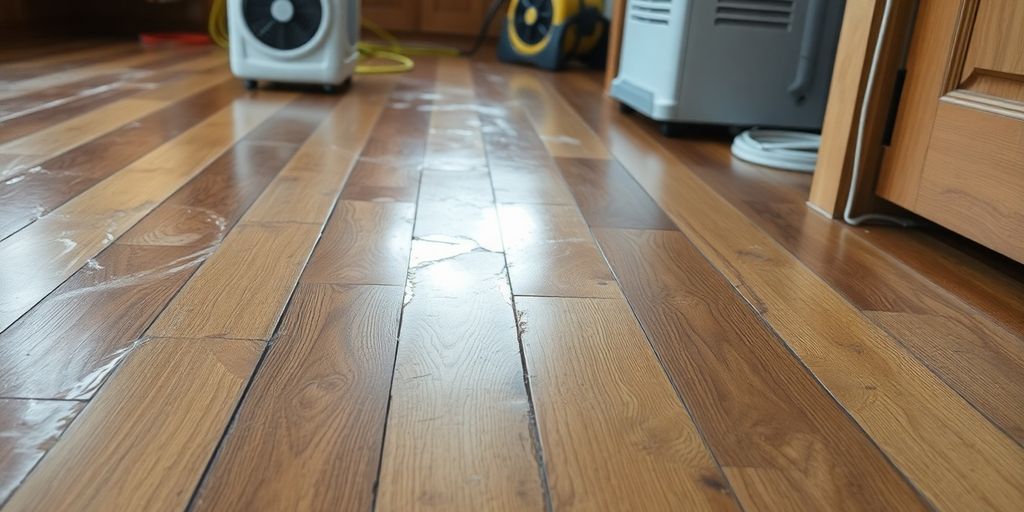
When you first notice water damage, it’s vital to act quickly. Emergency services are available 24/7 to help start the drying process immediately. These professionals will assess the situation, identifying the source of the water and any immediate safety concerns. They use industrial fans and dehumidifiers to control moisture, preventing further damage and mold growth in those critical early hours.
Drying and Dehumidification Techniques
Once the initial assessment is complete, the focus shifts to drying out the property. This involves using powerful commercial dehumidifiers and air movers to thoroughly dry materials from the inside out. It’s a meticulous process where temperature, air circulation, and humidity levels are closely monitored. According to the Institute of Inspection, Cleaning, and Restoration Certification (IICRC), wet carpets and other porous materials are often discarded to prevent mold issues. Proper drying can take weeks or even months, depending on the extent of the flooding.
Mold Inspection and Remediation
Mold can start growing within 24 to 48 hours after water damage, making mold inspection a crucial step in the restoration process. Inspectors will look at damp areas, checking walls, floors, and behind furniture for any signs of mold, such as discoloration or musty odors. If mold is suspected but not visible, a professional mold inspector might be needed to identify hidden mold. This step is essential to prevent health issues and further damage down the line.
"Water damage restoration is about more than just drying out a property. It’s about ensuring the safety and integrity of your home for the future."
For more information on the steps involved in the water damage restoration process, be sure to consult with a professional to ensure your property is restored to its original condition.
Repairing and Restoring Damaged Areas
After water damage, getting your home back in shape is no small feat. It involves tackling various parts of your home that have taken a hit. Here’s how to approach the repair and restoration process effectively.
Addressing Wall and Ceiling Damage
Walls and ceilings are often the first to show signs of water damage. Start by removing any damaged drywall. You’ll need to cut away at least 12 inches above the water line to ensure all affected areas are gone. Inspect for moisture in the upper parts and watch for mold. Once everything is dry, install mold-resistant drywall, and finish by priming and painting to match the rest of your room.
Flooring and Subfloor Restoration
Flooring can be tricky. Pull up any soaked carpets or laminate flooring. Let the subfloor dry completely, and replace it if it’s too far gone. For hardwood floors, look out for signs of warping or mold. If you find these, it’s best to replace them. Once the subfloor is ready, you can lay down new flooring, whether it’s carpet, tile, or wood.
Electrical System Safety Checks
Water and electricity don’t mix well, so this is a critical step. Before doing anything, turn off the power at the breaker. Inspect all outlets and wiring for damage. Let them dry out completely. Replace any corroded components and make sure everything is safe before turning the power back on.
Keep a close eye on affected areas until they’re fully dry. It might take some time, but it’s worth it to prevent mold and further damage. If you spot any mold, take immediate action to address it.
For more expert tips on water damage cleanup, ensuring quick and safe restoration is crucial. Always remember, thoroughness now can save you headaches later.
Preventing Future Water Damage
Regular Maintenance and Inspections
Keeping up with regular maintenance is like getting a health check-up for your house. It’s not glamorous, but it can save you a heap of trouble. Start by inspecting your roof for any damaged flashing or missing shingles. These little things can let water sneak in where it shouldn’t. Also, check your pipes for any signs of wear or corrosion. You don’t want to find out about a leaky pipe when your kitchen’s flooded.
Don’t forget about the drainage system. Make sure it’s working well to keep water away from your home’s foundation. A blocked gutter or downspout can lead to water pooling where it shouldn’t, causing damage over time. It’s a good idea to look over your basement, attic, and any other spots where moisture tends to build up.
Installing Preventative Measures
There are some handy gadgets out there that can help you keep water damage at bay. Water pressure regulators, for instance, can stop your pipes from bursting due to too much pressure. And those water detection devices? They can alert you to leaks before they turn into a big problem.
Consider insulating your pipes, especially in cold areas of your home. This can prevent them from freezing and bursting during winter. Also, think about installing a sump pump in your basement. It can be a lifesaver if your basement starts to flood.
Creating an Emergency Response Plan
It’s not just about prevention; it’s also about being ready when water damage happens. Having an emergency response plan can make all the difference. Start by knowing where your main water shut-off valve is. This can stop a leak from becoming a flood.
Make a list of emergency contacts, like a plumber or a water damage restoration service. It’s better to have these numbers handy rather than scrambling to find them during a crisis. Also, consider getting flood insurance if you live in an area prone to flooding. It might not stop the water, but it can help you recover financially.
Being prepared is half the battle. Even with the best precautions, water damage can still happen. But if you’re ready, you can minimize the damage and get back to normal quicker. Remember, it’s not just about fixing problems; it’s about preventing them in the first place.
When to Call Professional Water Damage Services
Recognizing Situations Beyond DIY Repair
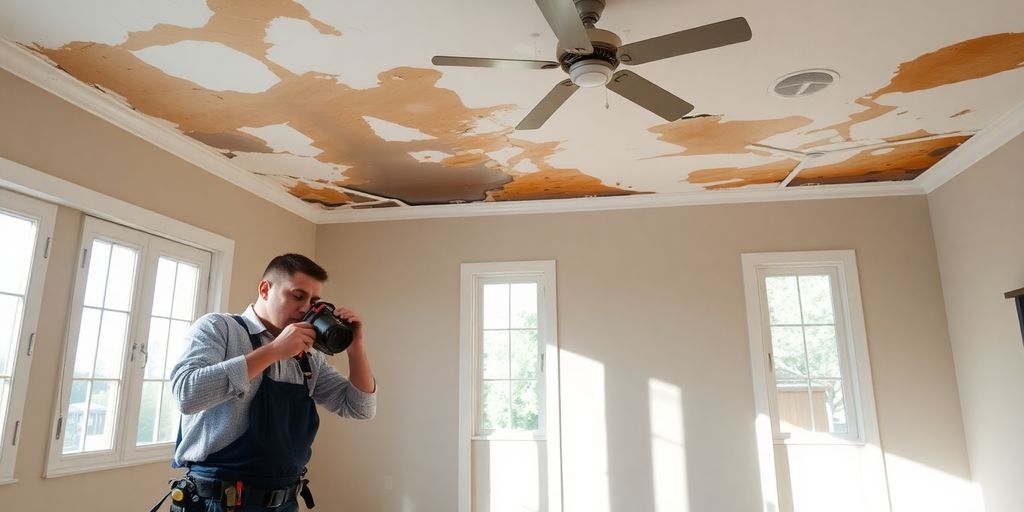
Sometimes, water damage can be overwhelming. You might handle minor leaks, but when it comes to larger issues, like a flooded basement or sewage backup, it’s time to call in the pros. When water damage involves structural concerns or potential mold growth, professional intervention is crucial. Professionals have the tools and expertise to manage these complex situations.
Understanding the Benefits of Professional Help
Hiring experts means you get access to advanced equipment and techniques that aren’t available to the average homeowner. They use industrial-grade dehumidifiers and air movers to ensure thorough drying. Plus, they can conduct mold inspections and remediation if necessary. Professionals also assist with insurance claims, making the process smoother for you.
Navigating Insurance and Restoration Services
Dealing with insurance after water damage can be tricky. Professionals can help document the damage and communicate with your insurance company. This ensures you get the coverage you deserve. They know what insurers need, from detailed reports to photographic evidence, which can speed up the claims process.
In the aftermath of a flood or fire, it’s crucial to reach out to a qualified disaster restoration company promptly to receive expert assistance in restoring your property to its original condition. Learn more about disaster restoration services.
If you notice signs of water damage in your home, it’s time to act. Don’t wait until the problem gets worse! Contact our team at Ruach Home Services for expert help. We are here to restore your home and give you peace of mind. Visit our website to learn more and get started today!
Conclusion
Water damage in your home can be a real headache, but taking quick and organized steps can make all the difference. Whether it’s a small leak or a major flood, acting fast helps prevent further damage and keeps repair costs down. Remember, while some minor issues can be tackled on your own, don’t hesitate to call in the pros when things get out of hand. They have the tools and know-how to get your home back to normal. Stay proactive with regular maintenance and inspections to catch potential problems early. Your home is a big investment, and keeping it safe from water damage is worth the effort. So, next time you spot a leak, you’ll know just what to do!
Frequently Asked Questions
What causes water damage in homes?
Water damage can happen when water enters your home from sources like broken pipes, leaking roofs, or heavy rain. It can also come from appliances like dishwashers or washing machines that leak.
How can I tell if I have hidden water damage?
Hidden water damage might show up as stains on walls, musty smells, or peeling paint. If you notice these signs, it’s good to check for water leaks or moisture problems.
What should I do immediately after water damage occurs?
First, make sure it’s safe, then turn off any utilities like water and electricity. Remove any standing water and document the damage with photos for your insurance company.
Why is it important to dry out my home quickly after water damage?
Drying your home fast helps stop mold from growing and prevents further damage to your walls, floors, and furniture. The sooner you dry things out, the better.
When should I call a professional for water damage repair?
If the water damage is severe, like from a flood, or if you see mold, it’s best to call a professional. They have the right tools and know-how to fix the damage safely.
How can I stop water damage from happening again?
Regularly check and fix leaks in your plumbing and roof. Keep gutters clean and consider installing devices like sump pumps to help manage water around your home.