
Mold in your home isn’t just an eyesore; it can mess with your health and even damage your property. Whether it’s creeping up your walls or hiding in damp corners, mold needs to be dealt with quickly and properly. This article dives into everything you need to know about home mold removal services, from spotting the signs to picking the right professionals and keeping your home mold-free for good.
Key Takeaways
- Mold can harm your health and weaken your home’s structure if left untreated.
- Professional mold removal services are essential for thorough and safe cleanup.
- Common signs of mold include musty smells, visible growth, and health issues like allergies.
- Preventing mold involves controlling moisture, improving ventilation, and regular maintenance.
- Choose certified and experienced mold removal experts for the best results.
Understanding the Importance of Home Mold Removal Services
How Mold Affects Indoor Air Quality
Mold doesn’t just look bad—it can seriously mess with the air you breathe. When mold spores float around, they can lower indoor air quality, making your home feel stuffy or even triggering allergies. Breathing in these spores over time can lead to respiratory issues, especially for kids, seniors, or anyone with asthma. Mold loves damp, dark spots like basements or bathrooms, and once it starts growing, it spreads fast. Keeping your air clean means tackling mold before it becomes a bigger problem.
Health Risks Linked to Mold Exposure
Living with mold isn’t just gross—it’s risky. Long-term exposure can cause sneezing, itchy eyes, or even skin rashes. For some, it’s worse: mold can lead to chronic sinus infections or worsen asthma attacks. Black mold, in particular, is a health hazard. If you or someone in your family is constantly sick without a clear reason, mold might be the culprit. Addressing it quickly can make a huge difference in your overall well-being.
Structural Damage Caused by Mold
Mold doesn’t just harm your health—it can also wreck your home. It eats away at wood, drywall, and even insulation, weakening the structure over time. Left unchecked, mold can cause floors to sag or walls to crumble. This isn’t just a cosmetic issue; it’s a safety concern. Regular inspections can help catch mold early, saving you from costly repairs later. If you suspect mold is hiding in your home, it’s time to act fast.
Key Signs You Need Professional Mold Removal Services
Recognizing Visible Mold Growth
Spotting mold in your home isn’t always obvious, but there are clear signs to look out for. Dark spots, discoloration, or fuzzy patches on walls, ceilings, or floors are common indicators. Mold often thrives in damp areas like bathrooms, basements, or near leaky pipes. If you notice these changes, it’s a strong signal to take action.
Identifying Musty Odors and Moisture Issues
A persistent musty smell can be a dead giveaway of mold lurking nearby. This odor often comes from mold growing in hidden spaces, like behind drywall or under carpets. Pair this with signs of moisture—like condensation on windows, water stains, or peeling paint—and you’ve got a recipe for mold trouble.
Health Symptoms Indicating Mold Presence
Sometimes, your body notices mold before your eyes do. Allergies, sneezing, itchy eyes, or even respiratory issues like wheezing can all point to mold exposure. If these symptoms persist, especially when you’re at home, it’s worth bringing in professionals to investigate. Mold exposure can worsen conditions like asthma, so don’t ignore these red flags.
If you’re dealing with any of these signs, Ruach Home Services offers efficient mold removal solutions that tackle the problem thoroughly and safely.
Steps Involved in Effective Mold Removal Services
Inspection and Assessment of Mold Damage
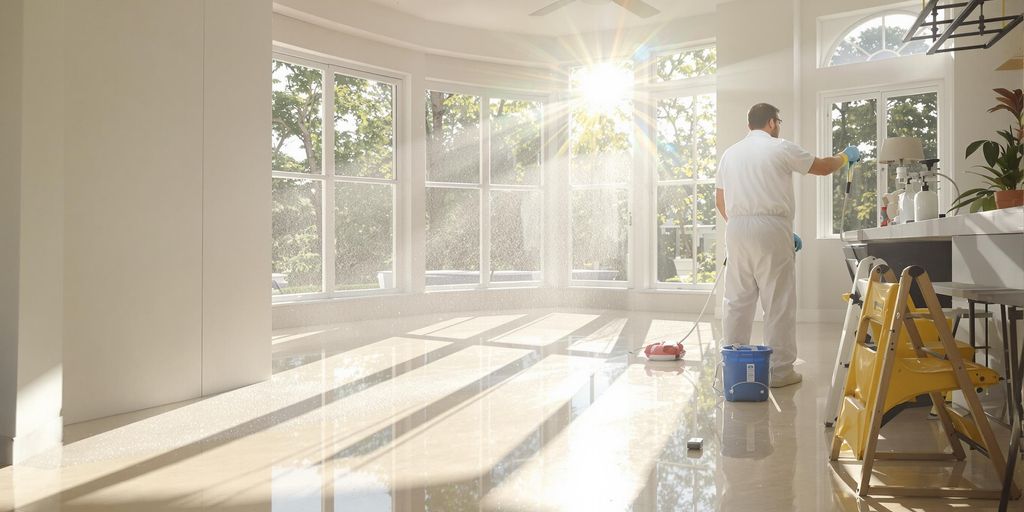
The first step in any mold removal service is a detailed inspection. Professionals will evaluate the affected areas, checking for visible mold and hidden spores. This step is critical to identify the extent of the problem and its source, such as water leaks or excessive humidity. They may also measure moisture levels and assess the type of mold present, which can influence the removal strategy.
Containment and Removal of Mold-Infested Materials
Once the problem areas are identified, experts set up containment zones to prevent mold from spreading to unaffected spaces. This often includes sealing off rooms with plastic sheeting and using negative air pressure. After containment, they remove and dispose of mold-infested materials like drywall, insulation, or carpeting. Proper disposal ensures spores don’t contaminate other areas.
Cleaning and Disinfection for Long-Term Protection
After removing the mold, the remaining surfaces are thoroughly cleaned and disinfected. Professionals often use HEPA vacuums, antimicrobial treatments, and air scrubbers to eliminate lingering spores. Effective mold remediation techniques also include drying the area completely to prevent future growth. This step ensures your home is safe and the mold won’t return.
Choosing the Right Mold Removal Service Provider
Factors to Consider When Hiring Professionals
Picking the right mold removal service is no small task. You want to make sure you’re not just throwing money at the problem but actually solving it. Here’s what to look for:
- Experience: Find a company with a proven track record. Years in the business often mean they’ve seen it all and know how to handle different mold issues effectively.
- Free Estimates: Many reputable services offer a free inspection or estimate. This is not just a cost-saver but also a way to gauge their professionalism.
- Transparency: A good provider will explain their process clearly, including what to expect and how long it might take.
Importance of Certifications and Experience
Certifications matter. They show that the company follows industry standards and uses safe, effective methods. For example, certified mold removal specialists are trained to use the latest tools and techniques, ensuring no shortcuts are taken. On top of that, experienced teams are often better equipped to identify hidden mold and address the root causes, like moisture problems.
Evaluating Tools and Techniques Used
Not all tools are created equal. Modern mold removal services rely on specialized equipment like HEPA vacuums and air scrubbers to ensure thorough cleaning. When hiring, ask about the methods they use:
- Do they employ containment measures to prevent mold from spreading?
- Are their cleaning agents eco-friendly and safe for your household?
- Do they offer follow-up inspections to confirm the mold is truly gone?
Hiring the right service provider isn’t just about fixing today’s problem—it’s about preventing tomorrow’s. Choose wisely, and you’ll save yourself a lot of headaches down the road.
For a comprehensive mold remediation plan that starts with a detailed inspection, consider Ruach Home Services. Their expertise ensures a safe and healthy environment for your home.
Preventing Mold Growth After Professional Treatment
Controlling Humidity Levels in Your Home
Keeping the humidity in check is a major step in preventing mold from coming back. Mold thrives in damp environments, so it’s important to aim for indoor humidity levels below 50%. Dehumidifiers can be lifesavers, especially in spaces like basements or bathrooms where moisture tends to linger.
Here are a few tips:
- Use a hygrometer to monitor your home’s humidity levels.
- Run exhaust fans in bathrooms and kitchens during and after use.
- Fix any plumbing leaks or dripping faucets promptly.
- Consider investing in a whole-house dehumidifier if moisture is a widespread issue.
Improving Ventilation and Air Circulation
Good airflow is key to keeping mold at bay. Open windows when the weather allows, and make sure air can move freely throughout your home. Ceiling fans, box fans, or even portable fans can help improve circulation, especially in areas that feel stuffy or stagnant.
Some practical steps include:
- Keeping furniture slightly away from walls to allow air to circulate.
- Regularly cleaning HVAC systems, including ducts and filters.
- Ensuring vents in bathrooms and kitchens are properly vented to the outside.
Regular Maintenance and Inspections
Being proactive with maintenance is a game-changer. Check areas prone to moisture—like basements, attics, and around windows—at least once a season. Look out for signs of water damage, such as discoloration or peeling paint, as these can be early indicators of mold growth.
Here’s a quick checklist:
- Inspect and clean gutters to prevent water buildup.
- Seal cracks in walls or foundations to stop water from seeping in.
- Replace weatherstripping on doors and windows to keep out moisture.
Staying on top of these small tasks can save you big headaches later. A little prevention goes a long way in keeping your home mold-free.
For professional help with mold prevention and removal, consider Ruach Home Services, who specialize in effective mold remediation to maintain a healthy living space.
The Role of Mold Remediation in Ensuring a Healthy Home
Addressing Underlying Causes of Mold Growth
Effective mold remediation isn’t just about removing visible mold; it’s about tackling the root causes. Mold thrives in damp, poorly ventilated areas, so the first step is identifying and addressing the moisture source. This could be anything from a leaky roof to poor drainage around the foundation. Ignoring these issues will only invite mold back into your home. Professionals often use tools like moisture meters to pinpoint problem areas, ensuring a thorough approach.
Repairing Water Damage to Prevent Recurrence
Water damage is a common trigger for mold growth. Whether caused by flooding, plumbing leaks, or condensation, it needs immediate attention. Repairing water-damaged areas involves more than just drying them out. Replacing materials like drywall or insulation, which can harbor mold spores, is often necessary. For example, Ruach Home Services offers expert water damage restoration to not only fix the damage but also prevent mold from taking hold again.
Implementing Preventive Measures for Future Safety
Once the mold is gone, keeping it away requires ongoing effort. Preventive measures like using a dehumidifier, improving ventilation, and regular inspections can make a big difference. Homeowners should also consider sealing cracks in walls or foundations to block moisture from sneaking in. A simple checklist might include:
- Checking for leaks under sinks and around appliances monthly.
- Using exhaust fans in bathrooms and kitchens.
- Keeping gutters clean to avoid water pooling near the house.
Mold doesn’t just damage your home; it can affect your health in ways you might not immediately notice. Taking preventive steps now saves you from bigger headaches later.
Common Challenges in Home Mold Removal Services
Dealing with Hidden Mold in Hard-to-Reach Areas
One of the toughest parts of mold removal is finding mold that’s tucked away in places you can’t see. Mold loves to grow behind walls, under floorboards, or even inside your HVAC system. This hidden mold can go unnoticed for months, causing damage and health issues in the meantime. Professionals often use advanced tools like moisture meters and infrared cameras to locate these sneaky spots, but even then, it’s not always straightforward.
Managing Mold in High-Humidity Environments
Homes in humid climates face an uphill battle when it comes to mold. Excess moisture in the air creates the perfect breeding ground for mold spores. Even with professional help, keeping mold at bay in these conditions requires constant vigilance. Dehumidifiers, proper ventilation, and regular inspections are often necessary to keep things under control.
Balancing DIY Efforts with Professional Help
It’s tempting to tackle mold removal yourself, especially when it seems like a small issue. However, DIY methods can sometimes make things worse. Scrubbing mold without proper containment can release more spores into the air, spreading the problem. Knowing when to call in experts—like Ruach Home Services’ fire damage restoration team, who also handle water-related issues—is key to avoiding bigger headaches later on.
Mold removal is rarely a one-size-fits-all process. Each home has its own unique challenges, and addressing them effectively often requires a mix of professional expertise and ongoing preventive measures.
Removing mold from your home can be tough. Many people face issues like not knowing where to start, dealing with hidden mold, or not having the right tools. It’s important to act quickly because mold can cause health problems and damage your home. If you’re struggling with mold, don’t hesitate to reach out for help. Visit our website to learn more about how we can assist you in making your home safe and healthy!
Conclusion
Dealing with mold in your home can feel overwhelming, but taking action quickly is key to protecting your health and property. Whether it’s a small patch or a larger issue, addressing mold early can save you from bigger headaches down the road. Professional mold removal services are there to help, using the right tools and expertise to get the job done safely. Once the mold is gone, keeping your home dry and well-ventilated can go a long way in preventing it from coming back. At the end of the day, a mold-free home isn’t just about comfort—it’s about creating a safe and healthy space for you and your family.
Frequently Asked Questions
What are the main health risks of mold exposure?
Mold exposure can cause respiratory problems, allergies, skin irritation, and worsen asthma symptoms. People with weak immune systems may face more severe health issues.
How can I tell if I need professional mold removal services?
Signs include visible mold, musty odors, water damage, and persistent health issues like allergies or breathing problems. If you notice these, it’s best to call a professional.
What steps are involved in professional mold removal?
The process usually includes inspecting the area, containing the mold, removing affected materials, and cleaning and disinfecting the space to prevent future growth.
How can I keep my home mold-free after treatment?
To prevent mold, control humidity, improve ventilation, fix leaks quickly, and regularly clean areas prone to moisture. Regular inspections can also help.
Why is hiring certified mold removal experts important?
Certified professionals have the training and tools to safely and effectively remove mold. They also address the root causes to prevent it from coming back.
Can I remove mold myself or should I always hire a professional?
Small patches of mold can sometimes be cleaned with household products, but large or hidden mold problems should be handled by professionals to ensure safety and thorough removal.