
Water in your home can cause a real headache. Whether it’s from a busted pipe or a surprise storm, knowing how to get rid of that water fast is key. This guide will walk you through the best ways to handle water removal, drying, and preventing future issues. It’s all about acting quickly and knowing what steps to take to get your home back to normal.
Key Takeaways
- Act quickly to remove water to prevent further damage.
- Proper drying and dehumidification stop mold from growing.
- Document all damage for insurance claims before starting repairs.
- Professional help can make water removal more effective.
- Regular checks and maintenance can prevent future water issues.
Understanding the Importance of Home Water Removal
Why Swift Water Removal is Crucial
Quick water removal is essential to prevent extensive damage to your home. Water can seep into walls, floors, and furniture, leading to structural issues and mold growth. Mold not only damages your property but also poses health risks. Acting fast can save you from costly repairs and health problems.
Potential Consequences of Delayed Action
Delaying water removal can lead to serious issues:
- Structural Damage: Water weakens the foundation, walls, and floors.
- Mold Growth: Mold thrives in damp environments and can spread quickly.
- Health Risks: Mold spores can cause respiratory issues and allergies.
- Increased Repair Costs: The longer you wait, the more expensive the repairs.
The Role of Homeowner’s Insurance in Water Damage
Homeowner’s insurance can be a lifesaver when dealing with water damage. It often covers the cost of repairs and restoration, but it’s crucial to document the damage thoroughly. Take photos, list damaged items, and contact your insurance provider promptly to ensure a smooth claims process. Early identification of water damage is crucial to prevent expensive repairs and structural problems. Key signs to look for include stains and discoloration, among others.
Water damage isn’t just about what’s visible. It’s about understanding the unseen threats that can compromise your home’s safety and your family’s health. Addressing these issues promptly is key to maintaining a safe and comfortable living environment.
Effective Water Extraction Techniques
Using Pumps and Vacuums for Water Removal
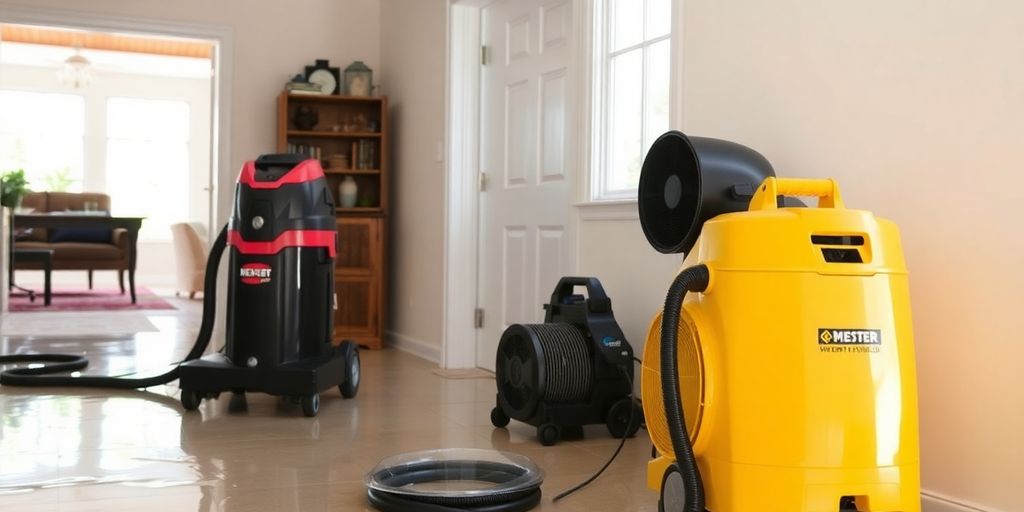
When dealing with water damage, the first line of defense often involves using pumps and vacuums. These tools are essential for quickly removing standing water from your home. Pumps are ideal for larger volumes of water, especially in cases of flooding, where you need to get rid of water fast. Submersible pumps can be particularly effective for deeper water levels. On the other hand, wet/dry vacuums are perfect for smaller areas and can handle both water and debris. Here’s a quick look at the process:
- Assess the situation: Determine the amount of water and the best equipment for the job.
- Use a pump: For high water levels, submersible pumps can quickly reduce water levels.
- Switch to vacuums: After most of the water is removed, vacuums can clean up residual moisture and debris.
The Benefits of Professional Water Extraction Services
Hiring professionals for water extraction can save you a lot of hassle and potentially prevent further damage. Professionals bring industrial-grade equipment and expertise that can make a significant difference. They can quickly assess the situation, use the right tools, and ensure that no hidden moisture remains. This is crucial because thorough drying prevents mold growth and structural damage. Consider these benefits:
- Expertise: Professionals know exactly how to tackle different types of water damage.
- Advanced Equipment: They use high-powered pumps and vacuums that can handle significant water volumes.
- Comprehensive Service: Services often include follow-up checks to ensure complete drying.
Documenting Damage for Insurance Claims
Before you even start the water extraction process, documenting the damage is crucial for insurance claims. Proper documentation can help you get the compensation you deserve. Here’s how to do it effectively:
- Take Photos and Videos: Capture the extent of the damage from multiple angles.
- Keep an Inventory: List all items that have been damaged, including their approximate value.
- Contact Your Insurance Provider: Inform them promptly and provide the documentation to support your claim.
Documenting your damage thoroughly can make a big difference in the outcome of your insurance claim. It’s not just about getting compensated; it’s about ensuring your home can be restored to its former condition without financial strain.
For comprehensive water damage restoration services, consider professional water extraction to ensure your home is thoroughly dried and safe from future issues.
Structural Drying and Dehumidification
Selecting the Right Drying Equipment
Choosing the right drying equipment is like picking the best tool for a job. You want to make sure the gear you have is up to the task. Industrial-grade dehumidifiers and high-powered air movers are your best friends when it comes to drying out your home after a water mishap. They help suck out moisture from walls, floors, and ceilings. Without them, you’re just hoping the sun does all the work.
Here’s a quick rundown of the equipment you might need:
- Air Movers: These increase airflow across wet surfaces, speeding up evaporation.
- Dehumidifiers: They pull moisture from the air, reducing humidity levels.
- Moisture Meters: Essential for checking if those hidden spots are dry.
Preventing Mold Growth Through Proper Drying
Mold is the enemy after water damage. It can sneak up in places you least expect. By using the right drying methods, you can stop mold before it even starts. Keep an eye on those moisture levels with regular checks. If you’re not sure where to begin, professional help is always a smart move.
The Importance of Moisture Detection
Detecting moisture isn’t just about feeling for wet spots. It’s about finding those hidden pockets that could cause trouble later. Advanced techniques like thermal imaging and moisture mapping are great for this. They help spot moisture behind walls or ceilings, which is crucial in preventing mold and further damage. Remember, what you can’t see can still hurt your home.
Regular monitoring and adjusting your drying strategy can make all the difference. Don’t just set it and forget it—stay on top of it to keep your home safe and sound.
Mold Remediation and Sanitization
Identifying Mold-Prone Areas
Mold thrives in damp, dark places, and spotting these areas early is key to stopping mold in its tracks. Basements, bathrooms, and kitchens are usual suspects, but don’t overlook attics and crawl spaces. Regular checks in these areas can help you catch mold before it becomes a serious problem. Keeping a close eye on these spots can save you a lot of trouble down the road.
Effective Mold Remediation Strategies
Once you spot mold, it’s time to act. First, find and fix the moisture source—whether it’s a leaky pipe or poor ventilation. After that, clean and dry the area thoroughly. You might need professional help, especially for large infestations. Professional mold remediation services can ensure the job is done safely and effectively. They use specialized tools and techniques to not only remove the mold but also prevent it from coming back.
Sanitization Techniques for a Safe Home
After dealing with mold, sanitizing your home is crucial. This step helps eliminate any lingering mold spores and bacteria. Use EPA-approved disinfectants to clean surfaces, and consider air purifiers to improve indoor air quality. Here’s a simple process:
- Apply Disinfectants: Use products specifically designed to kill mold and bacteria.
- Ventilate the Area: Open windows or use fans to help dry out the space and reduce humidity.
- Improve Air Quality: Use air purifiers to remove airborne spores and odors.
Taking these steps not only helps in dealing with the current mold issue but also sets the stage for a healthier home environment in the future.
Preventing Future Water Damage
Regular Home Inspections and Maintenance
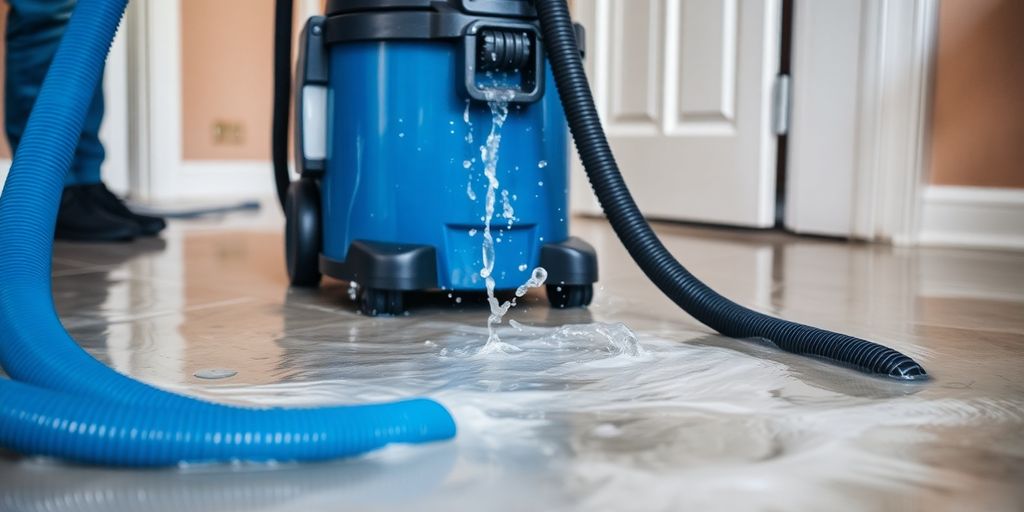
Keeping your home in good shape is the first step in preventing water damage. Regular inspections of your home’s plumbing system can help you spot potential issues before they become big problems. Here’s what to look for:
- Check for leaks: Regularly inspect under sinks and around appliances like dishwashers and washing machines for any signs of leaks.
- Inspect your roof: Look for missing shingles or signs of wear that could let water in.
- Monitor your water bill: A sudden increase could indicate a hidden leak somewhere in your system.
Implementing Flood Prevention Measures
Floods can cause serious damage, but there are steps you can take to protect your home. Consider these measures:
- Install a sump pump: This can help remove water from your basement during heavy rains.
- Elevate appliances: In flood-prone areas, keep appliances like washers and dryers on platforms.
- Use sandbags: Have sandbags ready to block water from entering through doors and windows during a flood.
Waterproofing Vulnerable Areas
Waterproofing is a great way to protect your home from water damage. Focus on these key areas:
- Basement: Seal walls and floors to prevent seepage.
- Foundation: Make sure your foundation is free of cracks and properly sealed.
- Windows and doors: Install weather stripping and sealant to keep water out.
Pro Tip: Regular maintenance and early prevention are your best defenses against costly water damage repairs. Keeping a close eye on your home’s condition can save you a lot of hassle and money in the long run.
For more on addressing water damage effectively, consider professional restoration services that can offer comprehensive solutions.
The Role of Professional Restoration Services
Advantages of Hiring Experts
When it comes to tackling water damage, getting professional help can make a huge difference. These experts know their stuff and have the right tools to get your home back to normal. Hiring professionals means less stress for you. They handle everything from assessing the damage to dealing with insurance claims. Plus, they work fast, which means less damage overall.
Understanding the Restoration Process
Professional restoration services follow a detailed process to ensure everything is done right. Here’s a quick rundown:
- Assessment: They start by checking out the damage to figure out what needs to be done. This includes spotting hidden moisture that you might miss.
- Water Removal: Using industrial-grade equipment, they remove any standing water.
- Drying and Dehumidification: They dry out the area completely to prevent mold.
- Cleaning and Sanitizing: This step makes sure your home is safe and free from contaminants.
- Restoration: Finally, they fix up any damaged areas to make your home look as good as new.
Choosing the Right Restoration Company
Picking the right company is key. Look for those with good reviews and a range of services. Make sure they can handle everything from water extraction to mold remediation. It’s also a good idea to ask about their equipment and techniques. You want a company that uses the latest tech for the best results.
"Working with professionals not only speeds up the recovery process but also ensures that every step is handled with care and precision. This way, you can rest easy knowing your home is in capable hands."
For more information on how restoration professionals are essential in managing water damage claims, understanding their role can help streamline the process. They provide thorough documentation and support, making sure you get the help you need.
When your home faces damage, professional restoration services are essential. They help bring your space back to life, ensuring safety and comfort. If you need expert help, visit our website today to learn more about how we can assist you!
Conclusion
In the end, dealing with water damage at home is all about acting fast and being thorough. Whether it’s a burst pipe or a surprise flood, the quicker you get to work, the better. Start with getting rid of the water, then dry everything out completely to keep mold at bay. Don’t forget about dehumidifying and sanitizing to make sure your home is safe and sound. If things get overwhelming, calling in the pros can be a lifesaver. They have the tools and know-how to tackle even the toughest jobs. Remember, a little prevention goes a long way, so keep an eye on your plumbing and drainage systems to avoid future headaches. With the right approach, you’ll have your home back to normal in no time.
Frequently Asked Questions
Why is it important to remove water quickly from your home?
Removing water quickly helps prevent mold growth, saves your belongings, and keeps your home’s structure safe.
What might happen if you wait too long to remove water after a flood?
Waiting too long can lead to mold, damage to your home’s structure, and may increase health risks.
How does homeowner’s insurance help with water damage?
Homeowner’s insurance might cover the cost of fixing water damage, but you should check your policy to know for sure.
What tools are used to get rid of water from a flooded home?
Pumps and vacuums are often used to remove standing water quickly and efficiently.
Why should you hire professionals for water removal?
Professionals have the right tools and know-how to remove water and dry your home properly, preventing further damage.
How can you stop water damage from happening again?
Regular inspections, fixing leaks, and waterproofing areas prone to water can help prevent future water damage.