
Dealing with mold in your home? It’s not just unsightly—it can also mess with your health. Mold loves damp, dark spots, and once it starts growing, it can be tough to stop. This guide is here to help you understand how mold works, how to spot it, and most importantly, how to get rid of it for good. Whether you’re thinking of tackling it yourself or calling in the pros, we’ve got you covered with the best mold removal solutions to keep your home safe and mold-free.
Key Takeaways
- Mold thrives in damp and poorly ventilated areas, making bathrooms and basements prime spots.
- Health issues from mold include allergies and respiratory problems, so it’s crucial to address it quickly.
- DIY mold removal can work for small areas, but larger infestations might need professional help.
- Preventing mold is all about controlling moisture—fix leaks, ensure proper ventilation, and use dehumidifiers.
- Choosing the right mold removal service means looking for certified professionals with a good track record.
Understanding Mold and Its Impact on Your Home
What Is Mold and Why Does It Grow?
Mold is a kind of fungus that pops up both indoors and outdoors. It grows from tiny spores that float around in the air. Mold loves moisture, warmth, and humidity, which are pretty common in homes. Things like leaky pipes, roof leaks, poor ventilation, or even just condensation can create a perfect environment for mold to thrive. If you don’t handle it quickly, it can spread like wildfire.
Common Areas Prone to Mold Growth
Certain spots in your home are more likely to get moldy than others. Here are some places to keep an eye on:
- Basements: Often damp and poorly ventilated, making them a mold hotspot.
- Bathrooms: With all that steam from showers, it’s no wonder mold loves it here.
- Kitchens: Cooking can create moisture, especially if there’s not enough ventilation.
- Attics: Poor insulation can lead to condensation and, you guessed it, mold.
Health Risks Associated with Mold Exposure
Mold isn’t just ugly; it can mess with your health. Breathing in mold spores can lead to issues like allergies, asthma, and other respiratory problems. Some people might experience sneezing, runny noses, or skin rashes. It’s especially tricky for those with existing health problems. It’s crucial to understand these health risks and take steps to minimize exposure.
Mold can be sneaky, hiding behind walls or under carpets, causing trouble without you even knowing it’s there. Keeping an eye out for musty smells or unexplained health issues can be key to catching it early.
Identifying and Addressing Mold Problem Areas

Signs You Have a Mold Problem
Spotting mold early can save you loads of trouble. Visible mold growth is the most obvious sign, but it’s not always in plain sight. Look for discolorations on walls, ceilings, or floors, and pay attention to any musty smells that seem to linger. If you notice persistent allergy-like symptoms such as sneezing, runny nose, or itchy eyes, especially when you’re at home, mold might be the culprit.
Conducting a Home Mold Audit
Think of a mold audit as a thorough check-up for your house. Start by inspecting areas prone to moisture, like bathrooms, kitchens, and basements. Use a flashlight to peek into corners and behind furniture. Make a checklist:
- Check under sinks and around pipes for leaks.
- Examine ceilings for water stains.
- Inspect windows for condensation.
If you find any suspicious areas, consider calling in professionals like Ruach Home Services for a detailed inspection.
Correcting Moisture Issues
Mold needs moisture to thrive, so cutting off its supply is key. Fix any leaks you find as soon as possible—whether it’s a dripping pipe or a leaky roof. Use dehumidifiers in damp areas, and make sure your home is well-ventilated. Here’s a quick list to help keep things dry:
- Repair leaks promptly.
- Use exhaust fans in bathrooms and kitchens.
- Keep gutters clean and ensure they direct water away from your house.
Staying on top of moisture control not only helps in tackling mold but also keeps your home healthier overall. Just a few changes can make a big difference in preventing mold from taking hold.
DIY Mold Removal Solutions
When to Consider DIY Mold Removal
Tackling mold on your own can be a cost-effective solution, but it’s not always the best choice. Small patches of mold, typically less than 10 square feet, can often be managed without professional help. You’ll want to assess the size and location of the mold. If it’s limited to a small area like a bathroom tile or a spot on the wall, you’re probably good to go DIY. However, if you suspect the mold has infiltrated your HVAC system or is widespread, it’s best to call in the experts.
Effective Natural Mold-Killing Products
For those inclined to use natural solutions, several products can help fight mold. Vinegar is a popular choice; it can be sprayed directly onto moldy spots and left to sit for an hour before scrubbing. Baking soda mixed with water is another option, creating a paste that can be applied to moldy areas. Essential oils like tea tree oil also have mold-fighting properties. Here’s a simple table of options:
| Product | Application Method |
|---|---|
| Vinegar | Spray and scrub after 1 hour |
| Baking Soda | Paste application and scrub |
| Tea Tree Oil | Mix with water, spray, and wipe |
Safety Precautions for DIY Mold Removal
When dealing with mold, safety is key. Wear protective gear like gloves, goggles, and a mask to avoid inhaling mold spores. Ensure the area is well-ventilated by opening windows or using fans. Avoid mixing cleaning products, especially those containing ammonia and bleach, as this can create toxic fumes. Remember to dispose of any cleaning materials used to scrub the mold, such as sponges or brushes, to prevent spreading the spores further.
Taking on a mold removal project yourself can be rewarding, but it’s important to know your limits. If at any point you feel the task is too overwhelming, don’t hesitate to consult a professional.
Professional Mold Removal Services
Benefits of Hiring Professionals
When it comes to tackling mold, bringing in the pros can make a world of difference. Professional mold removal services offer several advantages over DIY methods. First off, they come equipped with the right tools and know-how. Their specialized equipment can detect and remove mold that’s hiding in places you might miss. Plus, they follow strict guidelines to ensure that mold doesn’t spread during the removal process. Another big plus? They address the root of the problem, like fixing leaks or improving ventilation, to help prevent mold from coming back. And let’s face it, dealing with mold can be a health hazard, so having experts handle it is just plain safer.
What to Expect During Professional Mold Removal
So, what happens when the professionals step in? Initially, they’ll do a thorough assessment to figure out how bad the mold situation is and what’s causing it. Then, they’ll set up containment measures to keep mold spores from spreading around your home. The actual removal might involve techniques like HEPA vacuuming, damp wiping, or even tearing out materials that are too far gone. Once the mold is out, they’ll dry and restore the area to its original state. It’s a comprehensive process, but worth it for the peace of mind.
Choosing the Right Mold Removal Company
Picking the right team for the job is crucial. Look for a company with certified professionals who know what they’re doing. It’s important they follow industry standards and keep you in the loop throughout the process. Some companies even offer guarantees on their work, which is a nice safety net. Oh, and don’t forget to check reviews or ask around for recommendations. A little research goes a long way in ensuring you get quality service. Ruach Home Services is a great example of a company that excels in mold remediation, focusing on moisture control to keep your home safe and healthy.
Preventing Mold Growth in Your Home
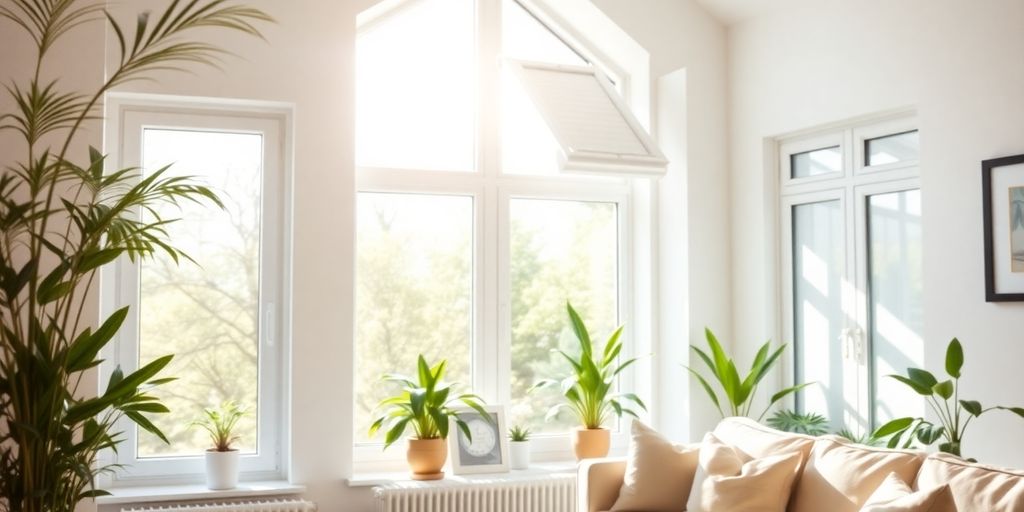
Keeping your home well-ventilated is key to stopping mold from taking hold. Everyday activities like cooking, showering, and doing laundry can create a lot of moisture. Make sure to use exhaust fans or open windows to let the damp air out. It’s especially important in places like the kitchen, bathroom, and laundry room. Also, when using appliances that generate moisture, like stoves and dryers, make sure they’re vented outside, not into the attic.
Using products that resist mold is a smart move, whether you’re building a new home or updating an old one. Mold-resistant drywall, for example, uses fiberglass instead of paper to cover the gypsum core, making it less prone to mold. Consider switching to mold-resistant paints and sealants, especially in areas that tend to get damp.
Keep an eye on the humidity levels in your home. Ideally, you want to keep it below 60% to prevent mold from growing. Using a dehumidifier can help, particularly in humid climates or areas like basements. Regularly check for leaks in pipes, roofs, and windows, and fix them promptly to avoid moisture buildup. Dry any wet areas within 48 hours to stop mold in its tracks.
Staying on top of moisture control is your best defense against mold. It might take a bit of effort, but keeping your home dry can save you a lot of trouble down the road.
Long-Term Mold Prevention Strategies
Regular Home Maintenance Tips
Keeping your home mold-free requires regular upkeep. Stay on top of repairs like fixing leaks in roofs, windows, and pipes. These are common spots where moisture sneaks in. Don’t forget about your gutters—clean them regularly to prevent water build-up. Every season, take a walk around your home to check for any signs of water damage or leaks. It’s also a good idea to clean mold and mildew from walls and surfaces regularly to keep your environment healthy.
Importance of Professional Inspections
While you can do a lot on your own, sometimes it’s best to call in the pros. Regular inspections by a professional can uncover hidden mold that you might miss. They have the tools and know-how to spot problems early, saving you headaches down the road. A professional inspection can be a smart investment, especially if you’ve had mold issues before.
Adapting to Your Home’s Climate
Every home is different, and so is every climate. If you live in a humid area, consider using a dehumidifier to keep indoor moisture levels down. In drier climates, ensure your home doesn’t seal in moisture. Ventilation is key—open windows when possible, and use exhaust fans in bathrooms and kitchens. Keeping an eye on the weather and adjusting your home’s environment can go a long way in preventing mold.
Maintaining a mold-free home is about being proactive. Regular checks, professional insight, and climate adaptation are your best defenses against mold.
To keep mold away for the long haul, it’s important to take some smart steps. Start by keeping your home dry and well-ventilated. Regularly check for leaks and fix them right away. Also, consider using mold-resistant products when you remodel. For more tips on how to protect your home from mold, visit our website!
Conclusion
So, there you have it. Keeping your home mold-free isn’t just about cleaning up the visible stuff; it’s about staying on top of moisture and ventilation. Remember, mold loves damp, dark places, so make sure you’re drying wet areas quickly and keeping your home well-ventilated. If you find yourself dealing with a bigger mold problem than you can handle, don’t hesitate to call in the pros. They have the tools and know-how to get the job done right. At the end of the day, a little prevention goes a long way in keeping your home safe and healthy. Stay vigilant, and you’ll keep mold at bay.
Frequently Asked Questions
What exactly is mold and why does it grow in homes?
Mold is a type of fungus that spreads through tiny spores in the air. It thrives in damp, warm places like bathrooms and basements, often due to leaks or poor ventilation.
How can I tell if I have mold in my home?
Look for signs like musty smells, visible spots on walls or ceilings, and health symptoms like sneezing and coughing that improve when you leave the area.
Is it safe to remove mold myself?
You can handle small mold spots yourself using soap and water, but for bigger areas or if it’s in your HVAC system, it’s best to call in professionals.
Why should I hire a professional mold removal service?
Professionals have special tools and knowledge to safely remove mold and fix the moisture problems causing it, preventing it from coming back.
Can mold come back after it’s been removed?
Yes, if the moisture problem isn’t fixed, mold can return. It’s important to address leaks and keep humidity levels in check to prevent this.
What are the health risks of having mold in the home?
Mold can cause allergies, asthma attacks, and other breathing problems. It’s especially risky for people with weakened immune systems.