
Water damage can be a serious issue for homeowners, leading to costly repairs and health risks if not addressed quickly. Understanding the essential steps for effective restoration after water damage is crucial to protecting your home and belongings. This article outlines the necessary actions to take, from immediate responses to long-term preventive measures, ensuring you have the information needed to tackle water damage effectively.
Key Takeaways
- Act quickly to stop the water source and minimize damage.
- Always prioritize safety by turning off utilities and wearing protective gear.
- Document all damage thoroughly for insurance claims.
- Use fans and dehumidifiers to dry the area and prevent mold growth.
- Consider professional help for extensive damage and restoration.
Understanding Water Damage and Its Causes
Water damage can happen for many reasons, and knowing the causes is important to protect your home. Here are some common sources:
Common Sources of Water Damage
- Severe storms: Heavy rain can lead to flooding.
- Leaking appliances: Dishwashers and washing machines can break and cause leaks.
- Burst pipes: Frozen pipes can burst and flood your home.
Types of Water Damage: Clean, Gray, and Black Water
Water damage is classified into three types:
| Type | Description | Health Risk |
|---|---|---|
| Clean Water | Comes from clean sources like broken pipes. | Low |
| Gray Water | Comes from sinks or showers, may contain germs. | Moderate |
| Black Water | Comes from sewage or floodwaters, very dangerous. | High |
Potential Risks and Consequences of Water Damage
If not addressed quickly, water damage can lead to serious problems:
- Mold growth: Can start in just 24 hours.
- Structural damage: Weakens walls and floors.
- Health risks: Contaminated water can cause illness.
Quick action is essential to minimize damage and protect your home from further issues.
Understanding these aspects of water damage helps homeowners take the right steps to prevent and address it effectively.
Immediate Actions to Take After Water Damage
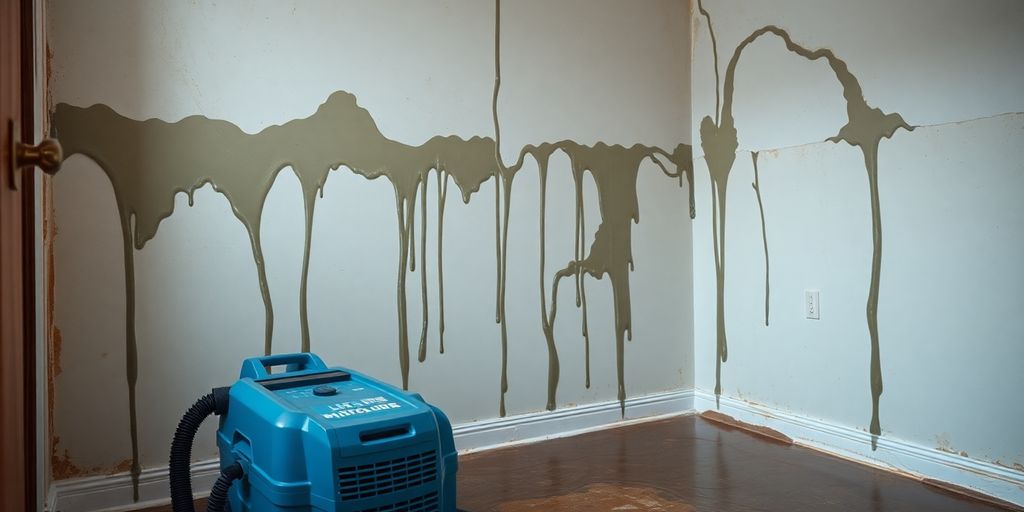
After experiencing water damage, it’s crucial to act quickly to minimize further issues. Here are the essential steps to follow:
Ensuring Safety and Turning Off Utilities
- Prioritize your safety: Before anything else, make sure you and your family are safe.
- Turn off the electricity to prevent electric shock.
- Unplug any damaged electrical appliances. If you need to enter wet areas, consider calling an electrician instead of doing it yourself.
Stopping the Water Source
- Identify the source of the water and stop it as soon as possible.
- If it’s a leaking pipe, close the supply line valve and fix the leak.
- If you can’t find the source, turn off your main water supply and contact a plumber for help.
Contacting Your Insurance Company
- Reach out to your insurance company to discuss your policy and coverage for water damage. Most homeowners insurance covers sudden incidents, but it’s essential to act quickly to file a claim.
- Document all affected items with photos, including furniture and walls, to support your claim.
Remember, taking prompt action can prevent further damage and help you recover faster from water-related issues.
By following these steps, you can effectively manage the aftermath of water damage and protect your home from additional risks.
Assessing the Extent of Water Damage
Identifying Visible Signs of Damage
To start assessing water damage, look for clear signs like:
- Water stains on walls or ceilings
- Damp or musty odors
- Puddles or standing water
These indicators can help you understand the severity of the damage.
Using Tools for Hidden Moisture Detection
Sometimes, damage isn’t visible. Use tools like:
- Moisture meters
- Infrared cameras
- Hygrometers
These can help find hidden moisture and assess the damage accurately.
Documenting Damage for Insurance Claims
It’s important to document everything for your insurance. Take photos of:
- Affected furniture and appliances
- Water-damaged walls and floors
- Any other visible damage
Keeping a detailed record will help you when filing a claim with your insurance company.
Involving your insurance provider early can make the restoration process smoother. Remember, quick action is key to preventing further damage and ensuring your home stays safe. If the damage is extensive, consider reaching out to professionals like efficient no.1 arlington virginia home services for expert help.
Effective Water Removal and Drying Techniques
Removing Standing Water
To effectively tackle water damage, the first step is to remove standing water as quickly as possible. Here are some methods to consider:
- Use a wet/dry vacuum to extract water from floors and carpets.
- Employ buckets for manual removal in smaller areas.
- Utilize squeegees to guide water towards the vacuum.
Using Fans and Dehumidifiers
After removing the water, it’s essential to dry the area thoroughly. Effective drying techniques are crucial for preventing mold growth. Here’s how:
- Set up fans to increase airflow across wet surfaces.
- Use dehumidifiers to lower humidity levels in the air.
- Open windows to allow fresh air to circulate, aiding in the drying process.
Preventing Mold Growth During Drying
Mold can start growing within 24-48 hours after water exposure, so it’s vital to act fast. To prevent mold:
- Ensure all areas are completely dry before sealing or covering them.
- Regularly check hidden spots like under carpets and behind walls for moisture.
- Clean and disinfect surfaces with mold-preventive solutions.
By following these steps, you can significantly reduce the risk of mold and ensure a successful restoration process. Remember, effective drying is always needed for water damage restoration, and using heat is one of the most efficient ways to tackle the issue.
Cleaning and Sanitizing Affected Areas
Disinfecting Surfaces
Cleaning and sanitizing the areas affected by water damage is essential to prevent mold and bacteria from growing. Mold can develop in just 24-48 hours if moisture is not properly addressed. Here are some steps to follow:
- Remove any standing water using a wet vacuum or mop.
- Wipe down surfaces with a mixture of soap and water to eliminate dirt and debris.
- Disinfect the area with a solution of bleach and water to kill germs and bacteria.
- Allow the area to dry completely to prevent mold growth.
- Dispose of any items that cannot be salvaged and thoroughly clean and dry salvageable items.
Handling Contaminated Items Safely
When dealing with items that have been exposed to water, it’s important to handle them carefully. Some items may be contaminated and require special attention:
- Porous materials like carpets and fabrics often need to be discarded.
- Non-porous items can usually be cleaned and sanitized effectively.
- Always wear gloves and a mask when cleaning contaminated items to protect yourself.
Ensuring Thorough Drying to Prevent Mold
To effectively prevent mold growth, ensure that all areas are thoroughly dried. Using fans and dehumidifiers can help speed up the drying process. Regularly check hidden areas, such as crawl spaces and under carpets, for moisture buildup.
By diligently applying these techniques, homeowners can effectively mitigate the risk of mold and ensure comprehensive restoration.
In summary, cleaning and sanitizing after water damage is crucial for maintaining a safe and healthy home environment. Taking these steps will help protect your home from future issues related to water damage and mold growth.
Restoration and Repair Strategies
Minor Repairs and Cosmetic Enhancements
Restoration after water damage can involve both minor and major repairs. Minor repairs include tasks like painting walls or patching drywall. These are usually simple enough for homeowners to handle on their own with basic tools. They focus on improving the look of the affected areas without needing extensive work.
Major Restorations and Structural Repairs
On the other hand, major restorations may require significant effort, such as rebuilding entire rooms or replacing structural parts. This often means hiring professional contractors to ensure everything meets safety standards and building codes. It’s crucial to get these repairs done correctly to keep your home safe and sound.
Restoring Damaged Furniture and Personal Items
Restoring furniture and personal belongings is also a key part of recovery. For example, upholstered furniture might need deep cleaning or reupholstering, while wooden items may require refinishing or new hardware. In cases where items are badly damaged, professional restoration services can help salvage them effectively. Engaging experts not only ensures quality work but also helps keep your belongings looking great for years to come.
Remember, taking action quickly can make a big difference in the restoration process. The sooner you start, the better your chances of saving your home and belongings.
Summary of Restoration Steps
| Type of Repair | Description | Who Should Do It |
|---|---|---|
| Minor Repairs | Painting, patching drywall | Homeowner |
| Major Repairs | Rebuilding rooms, structural work | Professionals |
| Furniture Restoration | Cleaning, refinishing | Professionals or DIY |
By understanding these strategies, homeowners can effectively manage the restoration process after water damage. Taking the right steps can help protect your home and restore it to its former glory. Water damage restoration is not just about fixing what’s broken; it’s about ensuring your home remains a safe and comfortable place to live.
Preventative Measures Against Future Water Damage
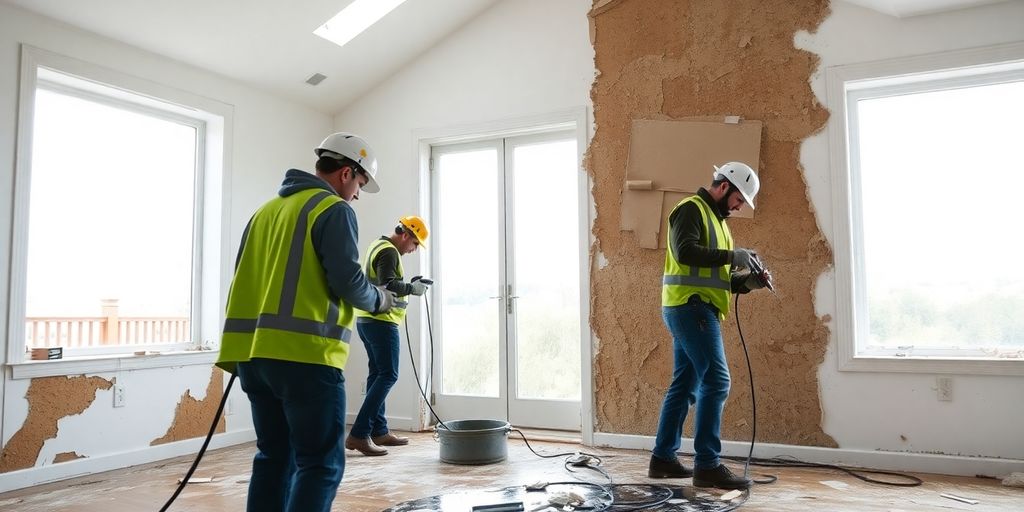
Taking steps to prevent future water damage is crucial for keeping your home safe and sound. Here are some effective strategies:
Regular Maintenance and Inspections
- Check for leaks in plumbing and appliances regularly.
- Inspect your roof for missing or damaged shingles after storms.
- Ensure gutters are clear of debris to allow proper drainage.
Installing Water Sensors and Alarms
- Place water sensors in areas like basements and laundry rooms to detect leaks early.
- Consider alarms that alert you to rising water levels, helping you act quickly.
Effective Landscaping and Drainage Solutions
- Ensure the ground slopes away from your home’s foundation to prevent water pooling.
- Install or repair drainage systems, like French drains, to manage water flow.
- Regularly check and maintain your drainage systems to keep them functioning well.
By being proactive and implementing these measures, you can significantly reduce the risk of water damage in your home. Prevention is always better than cure!
To keep your home safe from future water damage, it’s important to take some simple steps. Start by checking for leaks in pipes and roofs, and make sure your gutters are clean. Installing a sump pump can also help keep water away from your home. If you want to learn more about protecting your home, visit our website for helpful tips and services!
Conclusion
In conclusion, dealing with water damage can be a tough experience, but taking quick and smart steps can help protect your home. Always remember to act fast to stop the water source and remove any standing water. Safety should come first, so make sure to turn off the electricity and wear protective gear. After that, drying out the area and cleaning it properly is key to preventing mold. Don’t forget to check with your insurance to see what they can cover. By following these steps, you can make sure your home is safe and sound after water damage.
Frequently Asked Questions
What should I do first after experiencing water damage in my home?
The first thing to do is to ensure everyone is safe. Turn off the electricity in the affected area and stop the water source if possible. Then, remove any standing water.
How quickly can mold start to grow after water damage?
Mold can begin to grow within 24 to 48 hours after water exposure, so it’s important to act fast to prevent it.
Do I need to contact my insurance company after water damage?
Yes, you should contact your insurance company as soon as possible to report the damage and understand what is covered under your policy.
Can I handle water damage cleanup myself?
For minor water damage, you can do some cleanup yourself, but if the damage is extensive or involves sewage, it’s best to hire professionals.
What are some signs of water damage I should look for?
Look for water stains on walls or ceilings, damp smells, and any visible standing water or mold.
How can I prevent future water damage in my home?
Regular maintenance, checking for leaks, installing water sensors, and ensuring proper drainage around your home can help prevent future water damage.