
Ever walked into your home and felt like you were stepping into a sauna? Yeah, moisture in the home can be a real pain. It sneaks in from all sorts of places, making everything feel damp and uncomfortable. But don’t worry, there are ways to tackle it. From fixing leaks to using the right materials, and even changing up some daily habits, managing moisture is totally doable. Let’s dive into some practical tips to keep your home dry and comfy.
Key Takeaways
- Moisture in the home often comes from both outside sources, like rain, and inside sources, such as cooking and bathing.
- Improving ventilation can significantly help in reducing indoor moisture levels.
- Using dehumidifiers and moisture-resistant materials can prevent dampness and mold growth.
- Regular maintenance checks, like inspecting roofs and plumbing, are crucial to prevent moisture issues.
- Adopting daily habits, like using exhaust fans and drying clothes outside, can reduce moisture buildup.
Understanding the Causes of Moisture in Your Home
External Sources of Moisture
Moisture can sneak into your home from the outside in a few ways, and it’s important to know what to look for. Rain and groundwater are big culprits. If your home isn’t properly waterproofed or if the drainage is poor, water can seep into the walls, floors, and even the basement. Another sneaky source is air infiltration. Moist air from outside can slip in through poorly sealed windows and doors, especially if you live in a humid area. And then there’s condensation. Cold surfaces like windows and walls can cause moisture in the warm indoor air to condense, leading to damp spots.
Internal Sources of Moisture
Inside your home, everyday activities can boost moisture levels. Cooking, showering, and drying clothes indoors all add moisture to the air. Did you know a single shower can release nearly two pints of water into the air? Heating systems, especially those that aren’t vented properly, can add to the moisture too. Plus, indoor plants and aquariums, while lovely, can increase humidity through transpiration and evaporation.
Construction-Related Issues
Sometimes, the way a house is built or maintained can contribute to moisture problems. Poor ventilation is a big one; if moist air gets trapped inside, it has nowhere to go. The materials used in construction matter too. Some materials absorb and hold onto moisture, which isn’t great for keeping humidity levels down. Leaks in the roof or plumbing and gaps in insulation can also let moisture in, causing it to build up inside the home.
Managing moisture in your home is not just about comfort—it’s about maintaining the health and structure of your living space. When you understand where the moisture is coming from, you can take steps to fix it before it becomes a bigger problem.
Improving Ventilation to Control Moisture
Using Exhaust Fans Effectively
Exhaust fans are your best friend when it comes to battling indoor moisture. These fans help pull out humid air from areas like kitchens and bathrooms. Make sure to run them during and after activities that produce moisture, like cooking or showering. It’s also a good idea to clean the fans regularly to keep them working efficiently.
Benefits of Whole-House Ventilation
A whole-house ventilation system can be a game-changer. It ensures that fresh air circulates throughout your home, helping to keep humidity levels in check. These systems can be integrated with your HVAC, providing a seamless solution to moisture problems. Plus, they often come with filters that can improve indoor air quality by reducing allergens and pollutants.
Natural Ventilation Techniques
Don’t underestimate the power of natural ventilation. Simply opening windows and doors can let in fresh air and help balance indoor humidity. Try to do this when the outdoor air is less humid. You can also use cross-ventilation techniques by opening windows on opposite sides of your house to create a breeze that moves air through your home. This simple practice can significantly reduce moisture buildup.
Keeping your home’s air moving is key to managing moisture. Whether you’re using exhaust fans, a whole-house system, or just opening windows, good ventilation helps keep your home dry and comfortable.
Dehumidification Solutions for a Drier Home
Choosing the Right Dehumidifier
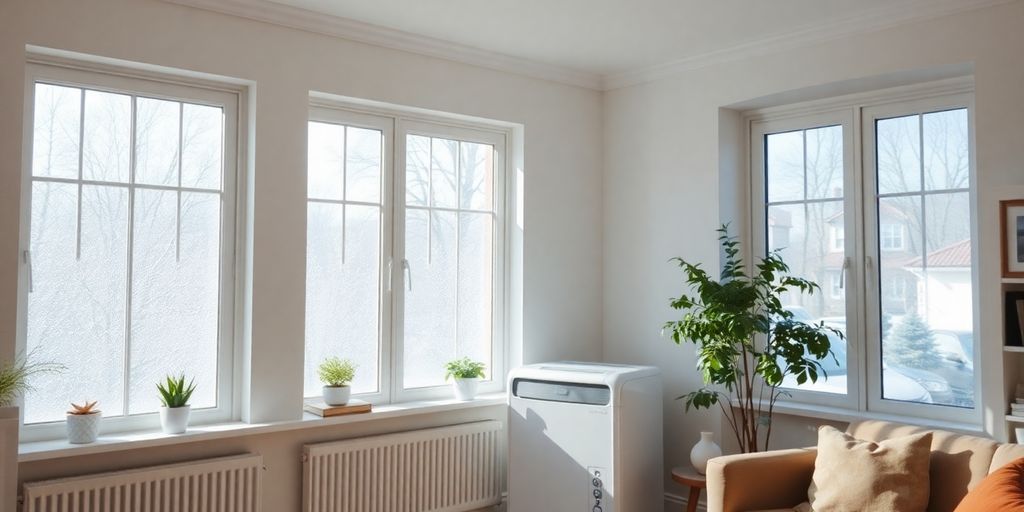
When it comes to battling indoor humidity, dehumidifiers are your go-to gadgets. Picking the right dehumidifier can make a world of difference in keeping your home comfy and dry. There are mainly two types to consider: portable and whole-home systems. Portable dehumidifiers are great for targeting specific areas like basements or laundry rooms where moisture tends to linger. On the other hand, whole-home systems integrate with your existing HVAC setup, providing a comprehensive solution across all rooms.
Integrating Dehumidifiers with HVAC Systems
For those looking to tackle moisture on a larger scale, integrating a dehumidifier with your HVAC system is a solid choice. This setup not only helps in maintaining an even humidity level throughout your home but also boosts the efficiency of your heating and cooling system. It’s like hitting two birds with one stone—keeping your air fresh and your energy bills in check.
Portable vs. Whole-Home Dehumidifiers
So, what’s the deal with portable versus whole-home dehumidifiers? Well, it boils down to your specific needs and space. Portable units are versatile and easy to move around, making them perfect for spot treatment in problem areas. They’re also generally cheaper upfront. However, if you’re dealing with widespread humidity issues, a whole-home system might be the way to go. These systems offer a more permanent solution, ensuring every corner of your house stays dry and comfortable.
Keeping your home free from excess moisture is not just about comfort—it’s about maintaining a healthy living environment. Whether you choose a portable unit for specific spots or a whole-home system for broader coverage, the key is to select a dehumidification solution that fits your home’s unique needs.
By understanding the differences and benefits of each type of dehumidifier, you can make an informed decision that best suits your home’s requirements. Remember, a drier home is a happier home!
Utilizing Moisture-Resistant Materials
Selecting the Right Building Materials
When it comes to keeping moisture at bay, the materials you choose for your home can make a world of difference. Stainless steel and galvanized metal are excellent choices because they don’t rust easily and can withstand damp conditions. Moisture-resistant drywall is another smart pick, especially for areas like basements and bathrooms where humidity tends to linger. These materials not only help prevent mold but also add to the longevity of your home.
Moisture-Resistant Paints and Finishes
Paints and finishes designed to repel moisture can be a game-changer. They act as a barrier, protecting surfaces from the damaging effects of humidity. When selecting paints, look for those labeled as water-repellent or moisture-resistant. This simple step can save you from peeling paint and unsightly stains down the road.
Benefits of Stainless Steel and Galvanized Metal
Using stainless steel and galvanized metal in your home offers several benefits. These materials are not only durable but also resistant to corrosion. They are particularly useful in areas exposed to water, such as kitchens and bathrooms. By incorporating these metals, you can reduce maintenance costs and enhance the overall durability of your home.
Investing in moisture-resistant materials is a proactive way to safeguard your home from potential water damage. It might seem like a small detail, but it can have a big impact on the longevity and health of your living space. For expert guidance on water damage restoration and remodeling, consider reaching out to Ruach Home Services. They specialize in ensuring your home remains in top condition, even after water-related challenges.
Regular Maintenance Checks to Prevent Moisture Issues
Inspecting Roofs and Gutters
Keeping an eye on your roof and gutters is like giving your home a regular health check-up. Regular inspections can catch small problems before they turn into big headaches. Check for missing or damaged shingles, and make sure gutters are clear of leaves and debris. Clogged gutters can cause water to pool, leading to leaks and water damage.
Checking for Plumbing Leaks
Plumbing leaks are sneaky. They can happen anywhere and often go unnoticed until significant damage occurs. Look under sinks, around toilets, and at any visible piping. Dripping faucets or damp spots on walls can be signs of trouble. Fixing these leaks promptly can save a lot of money and prevent further issues.
Monitoring Windows and Doors
Windows and doors are common culprits for letting moisture in. Make sure seals are tight and there are no gaps where water could sneak through. Inspect the caulking and weatherstripping regularly and replace them if they are worn out. This not only helps with moisture control but also improves energy efficiency.
Keeping moisture at bay is not just about fixing things when they break; it’s about prevention. Regular maintenance checks are your first line of defense against moisture issues.
Innovative Technologies for Moisture Management
Smart Humidity Monitoring Systems
In today’s tech-savvy world, smart humidity monitoring systems are becoming a game-changer for homeowners. These systems keep an eye on your home’s moisture levels, sending alerts straight to your phone if things get too damp. Imagine getting a notification before a problem gets out of hand. Many of these devices can be integrated with other smart home systems, allowing you to automate responses like adjusting your dehumidifier or HVAC settings. Convenience meets peace of mind with these innovative tools.
Automated Ventilation Controls
Gone are the days of manually adjusting fans and vents. With automated ventilation controls, your home can breathe on its own. These systems adjust airflow based on real-time humidity data, ensuring your indoor environment stays fresh and dry. They can be programmed to work alongside your existing HVAC system or as standalone units. Here’s a quick look at their benefits:
- Efficiency: Automatically adjusts to maintain optimal humidity levels.
- Energy Savings: Reduces unnecessary heating or cooling by optimizing airflow.
- Convenience: Set it and forget it—let technology do the work.
Advanced HVAC Solutions
Your HVAC system isn’t just for heating and cooling anymore. Advanced HVAC solutions now include moisture control features that can significantly improve indoor air quality. These systems can be equipped with sensors that monitor humidity and adjust settings accordingly. Whether it’s a hot, sticky summer day or a chilly, damp winter evening, advanced HVAC systems ensure your home stays comfortable year-round.
Keeping your home dry and comfortable doesn’t have to be a chore. With the right technology, you can maintain a healthy indoor environment effortlessly. For those in Arlington, Virginia, Ruach’s water damage restoration services offer comprehensive solutions to keep your home safe from moisture-related issues. Their expertise in moisture measurement and drying techniques ensures that your living space remains dry and damage-free.
Daily Habits to Reduce Indoor Moisture
Modifying Shower and Cooking Practices
Changing a few habits in the bathroom and kitchen can make a big difference. Start by taking cooler, shorter showers to reduce steam. When cooking, cover pots and pans to trap steam and consider using a vent fan or opening a window to let out moisture. These small adjustments can help lower the humidity in your home.
Effective Use of Fans and Air Circulation
Fans are your allies in fighting moisture. Use ceiling fans to keep air moving, and don’t forget about those exhaust fans in the bathroom and kitchen. They help push moist air outside, making it easier to keep your home dry. Strategically placing fans can also help prevent damp spots.
Managing Indoor Plants and Aquariums
While plants and aquariums add beauty to your home, they also release moisture. During humid times, think about moving some plants outside or grouping them in well-ventilated areas. Be mindful of how much you water them. Similarly, ensure aquariums are covered to minimize evaporation.
Keeping an eye on these daily habits can significantly reduce indoor moisture, creating a more comfortable and healthy living space. If moisture issues persist, consider water damage restoration services to address any underlying problems.
To keep your home comfortable and dry, there are simple daily habits you can adopt. Start by opening windows to let fresh air in, especially on sunny days. Use exhaust fans in kitchens and bathrooms to remove excess moisture. Regularly check for leaks and fix them quickly. You can also use a dehumidifier to help control humidity levels. For more tips on maintaining a healthy indoor environment, visit our website!
Wrapping It Up: Keeping Your Home Dry and Comfy
So, there you have it! Managing moisture in your home might seem like a big task, but with the right steps, it’s totally doable. Start by figuring out where the moisture is coming from, then tackle it with some simple fixes like improving ventilation or using a dehumidifier. Don’t forget about regular maintenance checks to catch any leaks or damp spots early. And hey, a little change in daily habits, like drying clothes outside or using fans, can make a big difference too. Remember, a dry home is not just about comfort—it’s about keeping your space healthy and lasting longer. So, roll up those sleeves and start making your home a moisture-free zone!
Frequently Asked Questions
What causes moisture to build up in homes?
Moisture can come from outside, like rain or groundwater, or from inside, like cooking and showers. Poor construction and leaks can also let moisture in.
How can I improve ventilation in my home?
You can use exhaust fans in the kitchen and bathroom, open windows when the weather is nice, and consider a whole-house ventilation system to keep air moving.
What are the benefits of using a dehumidifier?
Dehumidifiers help remove excess moisture from the air, which can prevent mold, improve air quality, and make your home more comfortable.
What materials help resist moisture in homes?
Using stainless steel, galvanized metal, and moisture-resistant paints can help keep moisture from damaging your home.
Why is regular maintenance important for moisture control?
Regular checks can catch leaks or other problems early, preventing big issues like mold or structural damage.
What are some daily habits to reduce indoor moisture?
Taking shorter showers, using lids on pots when cooking, and drying clothes outside can help keep moisture levels down.