
Water damage reconstruction can feel like a huge task, especially when you’re staring at soaked carpets and dripping ceilings. It’s not just about cleaning up; it’s about getting your home back to normal. From safety precautions to dealing with insurance, there’s a lot to handle. But don’t worry, we’ve got you covered. This guide breaks down the steps you need to take, making the whole process a bit less daunting. Whether you’re tackling it yourself or calling in the pros, understanding what to do next is key to bouncing back from water damage.
Key Takeaways
- Act fast to minimize damage and prevent mold growth.
- Document everything for insurance claims.
- Use the right tools for effective water removal and drying.
- Consider professional help for severe damage.
- Take steps to prevent future water issues.
Understanding the Basics of Water Damage Reconstruction
Identifying Different Types of Water Damage
Water damage isn’t just a one-size-fits-all problem. It comes in different flavors, each requiring its own approach. So, first things first, you gotta figure out what you’re dealing with. Is it clean water from a busted pipe? Or maybe it’s a bit more gnarly, like water from a washing machine overflow, which can be a health hazard. And then there’s the worst kind—sewage or floodwater, which definitely isn’t something you want to mess around with. Knowing the type of water damage helps in planning the right cleanup strategy.
Assessing the Extent of Damage
Once you’ve nailed down the type of water damage, it’s time to see how bad things really are. Walk around and check out the scene. Is it just a small corner of a room, or has it spread all over the place? Look for signs of structural damage too. You might see water stains, warped floors, or even sagging ceilings. Understanding the full extent of the damage is crucial because it guides what needs to be done next. Sometimes, it’s not just about drying things out; you might need to replace or repair certain parts of your home.
Recognizing Early Signs of Water Damage
Spotting water damage early can save you a ton of trouble down the line. Keep an eye out for things like discoloration on your walls or ceilings, a musty smell that just won’t go away, or peeling paint. These are telltale signs that water’s been where it shouldn’t be. If you catch these signs early, you can tackle the issue before it turns into a bigger, more expensive problem.
Water damage can sneak up on you, but being observant and proactive is your best defense. Regular checks and knowing what to look for can make all the difference in keeping your home safe and sound.
Initial Steps in Water Damage Reconstruction
Ensuring Safety and Preventing Further Damage
Before diving into the nitty-gritty of water damage repair, the first thing to do is make sure everyone is safe. Water and electricity don’t mix, so shut off power to affected areas. Also, if the water damage is from a contaminated source, like a sewer backup, it’s best to keep your distance until professionals arrive. Safety should always be your top priority.
Once safety is sorted out, the next step is to stop the water from causing more problems. This means finding and fixing the source of the leak or flood. It might be as simple as turning off a valve or as complicated as calling in a plumber for a busted pipe.
Documenting the Damage for Insurance Claims
This part might feel like a hassle, but it’s important. Grab your phone or camera and take clear pictures of everything damaged by water. Documenting the damage thoroughly can make a big difference when you’re dealing with insurance companies. Write down details about what happened and when. This info will be super helpful later on.
Emergency Water Extraction Techniques
Now, onto the real action: getting rid of the water. Standing water is a big no-no because it can lead to mold and structural damage. You’ll want to start with emergency water extraction. Use pumps or wet vacuums to get as much water out as quickly as possible. If you’re dealing with a lot, you might need professional help. They have industrial-grade equipment that can handle it better than any household tool.
Quick action is your best friend when it comes to water damage. The faster you get the water out, the less damage you’ll have to deal with later. It’s all about minimizing the impact and getting things back to normal as soon as possible.
Effective Water Removal and Drying Techniques
Using Wet Vacuums and Pumps
When dealing with water damage, the first step is to get rid of any standing water. Wet vacuums and pumps are essential tools for this task. They efficiently suck up water from floors and carpets, which is crucial to prevent further damage. If you don’t have access to these tools, renting them or hiring a professional service might be a good idea. Offering comprehensive water damage restoration services can save you time and ensure the job is done right.
Implementing Air Circulation and Dehumidification
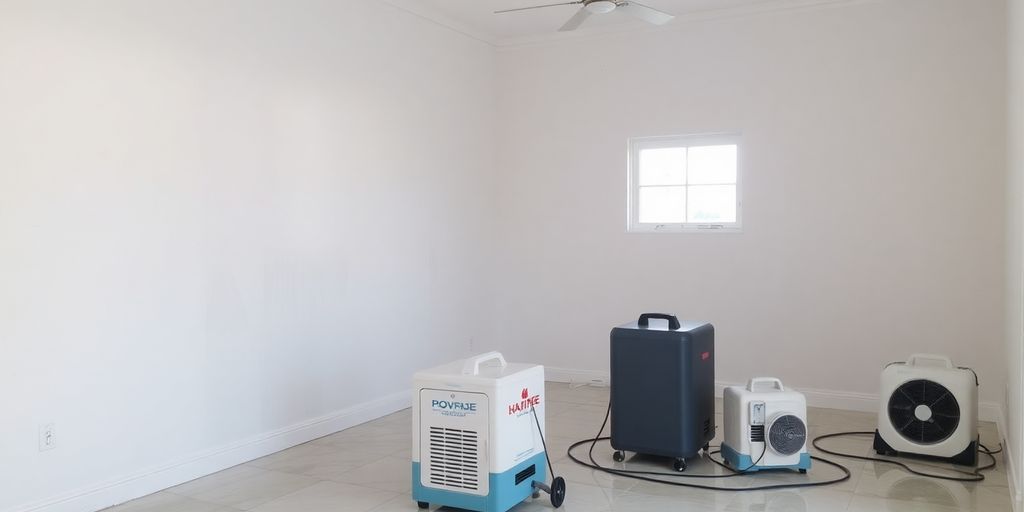
Once the standing water is out of the way, it’s time to dry things out. This is where air circulation and dehumidification come in. Open windows and use fans to keep air moving through the space. Adding a dehumidifier can help pull moisture out of the air, speeding up the drying process. Remember, the goal is to dry everything thoroughly to prevent mold growth.
Utilizing Moisture Meters and Infrared Cameras
To make sure you’ve dried everything properly, using moisture meters and infrared cameras can be really helpful. These tools can detect hidden moisture in walls, floors, and ceilings. Moisture meters give you a reading of how wet an area is, while infrared cameras can show you where moisture might be lurking. It’s all about making sure every part of the affected area is dry and safe.
Repairing and Reconstructing Damaged Structures
Restoring Walls and Ceilings
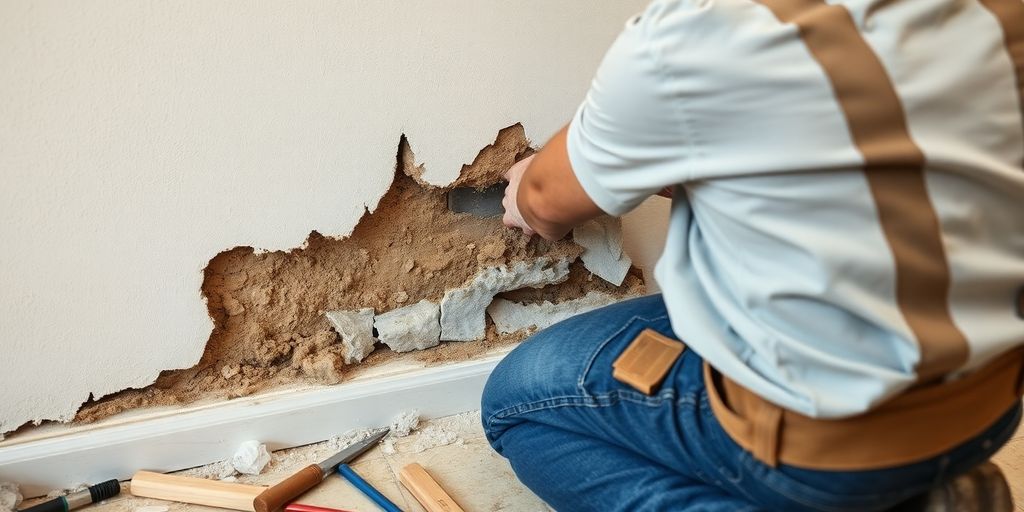
Once the water is gone, it’s time to look at the walls and ceilings. Start by removing any parts that are too damaged to save. New drywall can be added to replace what’s been taken out. Make sure to tape and mud the seams for a smooth finish. This step is crucial to restore the structural integrity of your home.
Repairing and Replacing Flooring
Flooring often takes a big hit during water damage. Depending on the type, you might need to replace it entirely or just repair it. For instance, carpets usually need replacement, but hardwood might just require some refinishing. Consider these steps:
- Assess the damage: Check if the flooring is salvageable or if it needs a complete replacement.
- Remove damaged sections: Take out any parts that can’t be fixed.
- Install new flooring: Choose materials that are more water-resistant to avoid future issues.
Addressing Electrical and Plumbing Issues
Water can wreak havoc on electrical and plumbing systems. It’s important to have a professional check these systems to ensure safety and functionality. Here’s what to consider:
- Inspect wiring and outlets: Water exposure can damage electrical components, so have a pro check these out.
- Check plumbing for leaks: Water damage might have affected pipes and joints, leading to leaks.
- Replace damaged fixtures: If necessary, replace any fixtures that are beyond repair.
After a water damage incident, it’s essential to address structural repairs promptly to prevent further issues.
When dealing with extensive damage, it might be wise to consult with a mitigation specialist to ensure everything is done correctly and safely.
Cleaning, Sanitizing, and Deodorizing Affected Areas
Using Antimicrobial Solutions
After water damage strikes, the cleanup process is vital to ensure your home is safe and livable again. Antimicrobial solutions are a key tool in this process, used to disinfect surfaces and stop mold from growing. You’ll want to apply these solutions to all affected areas, especially if the water damage was severe. It’s like giving your home a much-needed deep clean.
Employing Deodorizing Techniques
One of the less talked about but important aspects of water damage restoration is getting rid of the smell. Water damage can leave a musty odor that just lingers. To tackle this, deodorizing techniques are employed. These might include using air scrubbers or thermal foggers to neutralize odors. This step is crucial because nobody wants to live in a house that smells like a damp basement.
Ensuring a Safe and Healthy Environment
Cleaning and deodorizing aren’t just about making your home look and smell nice; they’re about making it safe. A thorough cleaning ensures that any harmful bacteria or mold spores are eliminated. This is where air scrubbers come into play, improving air quality by removing airborne particles. It’s all about creating a healthy environment for you and your family.
Remember, while it might be tempting to handle everything yourself, sometimes it’s best to call in the pros. They have the gear and know-how to make sure the job’s done right.
Working with Professionals and Insurance Companies
Choosing the Right Water Damage Reconstruction Specialist
When water damage hits, picking the right specialist can make a huge difference. These pros know their stuff, from replacing drywall to handling tricky mold situations. A good specialist can save you time and stress by ensuring everything’s done right. When you’re searching for someone, look at their experience, check reviews, and maybe even ask for references. It’s also smart to verify their certifications and licenses. Some specialists might even offer a free initial consultation, so take advantage of that.
Communicating with Your Insurance Provider
Dealing with insurance can be a real headache, but staying in touch with your provider is key. Start by letting them know about the damage ASAP. Take loads of pictures and keep records of everything. This helps when you file a claim. Sometimes, insurance companies might send their own adjusters to assess the damage. Be honest and clear when discussing the extent of the damage. It’s a good idea to ask questions about what’s covered and what’s not, so there are no surprises later.
Understanding Insurance Coverage and Claims
Insurance policies can be confusing, but knowing what’s covered is crucial. Flood damage might not be included in standard policies, so it’s worth checking if you need additional coverage. Public insurance adjusters can be a big help here. They work for you, not the insurance company, to make sure you get what you deserve. They’ll dig into your policy details, help gather evidence, and even handle the paperwork. If you’re feeling overwhelmed, hiring one might be a smart move.
Working with the right professionals and understanding your insurance can turn a stressful situation into a manageable one. Don’t hesitate to reach out for help when you need it.
Preventing Future Water Damage
Regular Maintenance and Inspections
Keeping an eye on your home is like getting regular check-ups at the doctor. It’s all about catching those little problems before they become big headaches. Regular inspections help you spot leaks, cracks, or any signs of water damage early on. Look for yellowing walls, suspicious puddles, or even peeling paint. These could be telling you there’s a leak hiding somewhere. And don’t forget about the humidity. If things start feeling a bit too damp, it might be time to investigate.
Installing Water Detection Systems
Imagine having a little helper who alerts you the moment there’s a leak. That’s what water detection systems do. They can be installed in vulnerable areas like basements or under sinks. When water is detected, you’ll get an alert, so you can tackle the issue before it gets out of hand. It’s like having an extra set of eyes on the job, always watching out for trouble.
Improving Home Drainage and Waterproofing
Good drainage is your home’s best friend when it comes to keeping water at bay. Make sure gutters and downspouts are clear of debris. This helps water flow away from your home, preventing it from seeping into places it shouldn’t. Consider adding gutter guards to keep leaves and twigs out. For areas prone to flooding, a sump pump could be a lifesaver. And don’t forget about sealing up any cracks in your foundation or around windows. These small steps can make a big difference when the rain starts pouring.
Taking these steps not only protects your home but also saves you from costly repairs. A bit of effort now can prevent a lot of hassle down the road. Remember, when it comes to water damage, prevention is always better than cure.
To keep your home safe from future water damage, it’s important to take proactive steps. Start by checking for leaks and ensuring your gutters are clear. Regular maintenance can save you from costly repairs down the line. For more tips and expert help, visit our website today!
Wrapping It Up
So, there you have it. Dealing with water damage can be a real headache, but with the right approach, it doesn’t have to be a total nightmare. We’ve walked through the steps, from spotting the damage to drying things out and even fixing up the place. Remember, acting fast is key. The longer you wait, the worse it can get. And don’t be shy about calling in the pros if things get out of hand. They know their stuff and can save you a lot of hassle in the long run. Hopefully, this guide has given you a good starting point to tackle water damage head-on. Stay dry and good luck!
Frequently Asked Questions
What should I do first when I notice water damage?
First, make sure it’s safe to be in the area. Turn off electricity and avoid standing water. Then, find the source of the water and stop it if you can.
How can I tell how bad the water damage is?
Check how much water is around and see if walls or floors are wet or soft. Look for stains or mold, and smell for any musty odors.
What tools can help in drying out water damage?
Using fans, dehumidifiers, and wet vacuums can help dry out the area. Moisture meters and infrared cameras can find hidden wet spots.
Can I handle water damage cleanup myself?
For small leaks, you might be able to clean up yourself. But for big problems, like floods, it’s best to call professionals who have the right tools and know-how.
Does insurance cover water damage repairs?
It depends on your policy. Most cover sudden issues like burst pipes but not ongoing leaks. Check with your insurance company to know what’s covered.
How can I stop water damage from happening again?
Regularly check your home for leaks, install water alarms, and make sure your drainage works well to prevent future damage.