
Water leak damage restoration is a crucial process that helps homeowners and property managers recover from unexpected water damage. This guide will walk you through the causes of water leaks, immediate actions to take when damage occurs, and effective strategies for restoration. Understanding these steps can make a significant difference in minimizing damage and ensuring a safe environment.
Key Takeaways
- Identify common sources of water leaks to prevent future issues.
- Act quickly by ensuring safety and documenting damage for insurance.
- Use proper techniques for water removal and drying to protect your property.
- Repair and sanitize affected areas to prevent mold and further damage.
- Work with professionals to navigate insurance claims and ensure effective restoration.
Understanding the Causes of Water Leak Damage
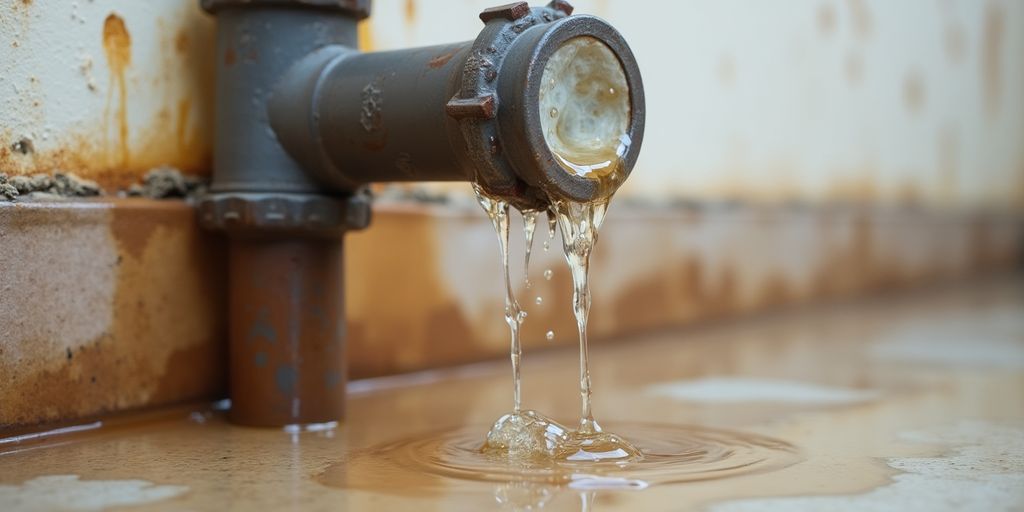
Water leak damage can happen for many reasons, and knowing these causes is important for prevention. Some of the most common causes of water damage include leaky roofs, hidden leaks, clogged gutters, frozen pipes, faulty HVAC systems, or plumbing issues. Understanding these sources can help you take action before serious damage occurs.
Common Sources of Water Leaks
- Leaky roofs: Damaged shingles or flashing can allow water to seep in.
- Hidden leaks: Pipes behind walls may leak without being noticed until damage is done.
- Clogged gutters: When gutters are blocked, water can overflow and damage the foundation.
Impact of Weather on Water Damage
Weather plays a big role in water damage. Heavy rain, storms, and snow can lead to flooding and leaks. For example, in 2022, storms caused over $175 billion in property damage worldwide. This shows how severe weather can lead to significant water damage.
Plumbing Failures and Water Damage
Plumbing failures are a major cause of water damage. Common issues include:
- Burst pipes: These can happen due to freezing temperatures or old pipes.
- Supply line leaks: Appliances like washing machines can develop leaks.
- Malfunctioning sprinklers: Sprinklers can accidentally turn on and cause flooding.
Regular maintenance and inspections can help prevent these issues and protect your property from water damage.
Immediate Steps to Take After Discovering Water Damage
When you find water damage in your home, it’s crucial to act quickly. Here are the immediate steps you should take:
Ensuring Safety and Turning Off Water Sources
- Turn off the main water supply to prevent more water from entering your home. This is usually located in the basement or outside.
- Shut off electricity in the affected area to avoid electrical hazards. If you’re unsure, it’s best to turn off the main power.
- Ensure that everyone is safe and away from the affected area.
Documenting the Damage for Insurance Claims
- Take plenty of photographs of the damage. This will help with your insurance claim.
- Make a list of damaged items, including their value.
- Keep records of any repairs or actions taken after the damage.
Contacting Professional Restoration Services
- It’s important to call a professional restoration company as soon as possible. They can assess the damage and start the cleanup process.
- Professionals have the right tools and expertise to handle water damage safely and effectively.
- Don’t attempt to handle severe water damage on your own, as it can lead to further issues like mold growth.
Remember, acting quickly can save you time and money in the long run. Don’t wait too long to address water damage, as it can worsen over time.
Water Removal and Drying Techniques
Using Pumps and Wet Vacuums
To effectively manage water damage, the first step is to remove standing water. Using pumps and wet vacuums is essential for this process. These tools help extract water quickly, preventing further damage to your property. Here are some key points to consider:
- Use submersible pumps for large amounts of water.
- Wet vacuums are ideal for smaller areas and carpets.
- Ensure all equipment is in good working condition before use.
The Role of Dehumidifiers and Air Movers
Once the bulk of the water is removed, the drying process begins. Dehumidifiers and air movers play a crucial role in this stage. Dehumidifiers help reduce humidity levels, while air movers increase airflow to speed up evaporation. Here’s how they work together:
- Set up dehumidifiers in affected areas to absorb moisture from the air.
- Position air movers strategically to direct airflow across wet surfaces.
- Monitor the drying process regularly to ensure effectiveness.
Monitoring Moisture Levels
Monitoring moisture levels is vital to ensure that all areas are thoroughly dried. Using moisture detection tools can help identify hidden moisture pockets that may lead to mold growth. Here are some tools to consider:
- Hygrometers: Measure humidity levels in the air.
- Moisture meters: Check moisture content in materials.
- Thermal imaging cameras: Detect moisture behind walls and ceilings.
Regular monitoring is essential to prevent mold growth and ensure a safe environment after water damage.
By following these techniques, you can effectively manage water removal and drying, minimizing damage and restoring your property efficiently.
Repairing and Restoring Affected Areas
Cleaning and Sanitizing Belongings
After a water leak, it’s crucial to clean and sanitize any items that were affected. This includes:
- Furniture
- Clothing
- Electronics
Some items may need special cleaning methods, especially if they were exposed to contaminated water. If something can’t be saved, it’s best to dispose of it properly.
Repairing Structural Damage
Once everything is dry, the next step is to fix any structural damage. This may involve:
- Replacing drywall and insulation
- Repairing or replacing flooring
- Ensuring that all repairs are done correctly to prevent future issues
Proper repairs are essential to maintain the safety and integrity of your home.
Preventing Mold Growth
Mold can start growing within 24 hours after water damage, so it’s important to act quickly. Here are some steps to prevent mold:
- Use dehumidifiers to reduce moisture in the air
- Apply antimicrobials to affected areas
- Regularly check for signs of mold in hidden spaces
Taking these steps can help ensure that your home remains safe and healthy after water damage.
In summary, repairing and restoring areas affected by water damage involves cleaning belongings, fixing structural issues, and preventing mold growth. By following these steps, you can help your home recover effectively from water damage.
Remember, the work involved with water damage restoration includes drying and replacing flooring, drywall, insulation, and belongings.
Working with Insurance for Water Damage Claims
Understanding Your Insurance Policy
When dealing with water damage, it’s crucial to know what your homeowner’s insurance covers. Many policies may not include flood damage, which often requires separate coverage. Understanding your policy can save you money and stress.
Documenting and Reporting the Damage
After discovering water damage, take immediate action:
- Take photos of the damage to support your claim.
- Document the source of the water, as this can affect coverage.
- Keep records of any repairs or restoration efforts.
Maximizing Your Insurance Claim
To ensure you get the most from your claim, consider these steps:
- Contact a public insurance adjuster to help navigate the claims process.
- Provide thorough documentation of the damage and repairs.
- Be clear about the extent of the damage and any related expenses.
Working with a professional can help you get a better settlement. Public adjusters often secure higher payouts than initial offers from insurance companies.
In summary, understanding your policy, documenting damage, and working with professionals can significantly impact your water damage claim. Remember, the right support can make a big difference in your recovery process.
Preventative Measures to Avoid Future Water Damage
Regular Maintenance and Inspections
To keep your home safe from water damage, regular maintenance is key. Here are some important steps:
- Check for leaks in pipes and appliances regularly.
- Inspect your roof for missing shingles or damage.
- Look for signs of water damage, like stains or mold, on walls and ceilings.
Installing Sump Pumps and Vapor Barriers
Installing a sump pump can help remove water from your basement during heavy rains. Additionally, using vapor barriers can prevent moisture from seeping into your home. This is especially important in areas prone to flooding.
Improving Drainage and Gutter Systems
Good drainage is essential to avoid water damage. Here are some tips:
- Clean your gutters regularly to prevent clogs.
- Ensure downspouts direct water away from your home.
- Consider landscaping that slopes away from your foundation.
Taking these steps can significantly reduce the risk of water damage in your home. Stay proactive to protect your property and belongings.
By following these preventative measures, homeowners can effectively mitigate water damage in their homes and ensure a safer living environment.
The Importance of Professional Water Damage Restoration
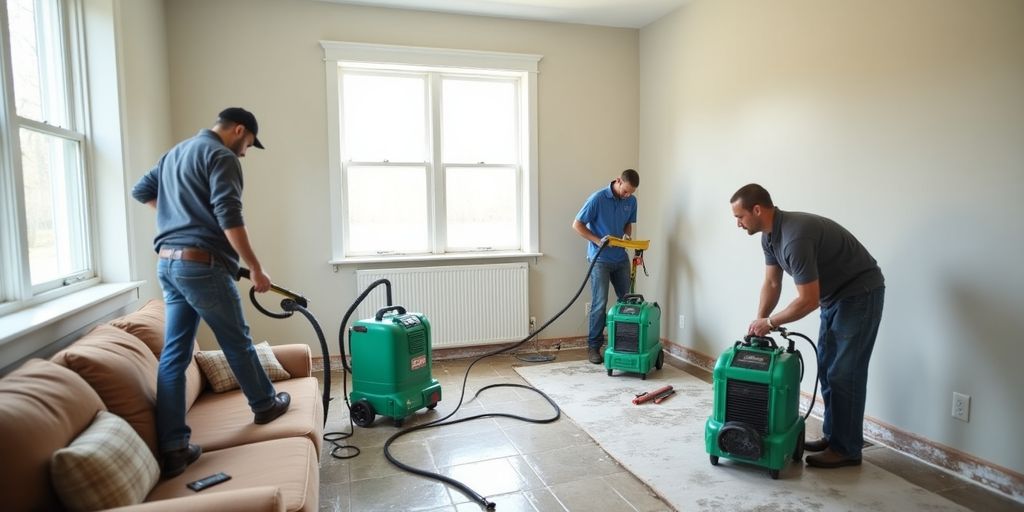
Water damage can be a serious issue that requires immediate attention. Hiring professionals for restoration is crucial to ensure safety and effectiveness. Here are some key reasons why you should consider professional help:
Benefits of Hiring Restoration Experts
- Advanced Equipment: Professionals use specialized tools that can remove water quickly and efficiently.
- Time Efficiency: They can complete the job faster than most homeowners can manage on their own.
- Health and Safety: Professionals know how to handle hazardous materials and prevent health risks.
Safety Concerns with DIY Restoration
- Mold Growth: Without proper techniques, mold can develop quickly in damp areas.
- Structural Damage: Inadequate repairs can lead to further damage over time.
- Contaminated Water: Handling contaminated water can pose serious health risks.
Choosing the Right Restoration Company
- Look for companies with good reviews and certifications.
- Ensure they follow industry standards for water damage restoration.
- Ask about their experience with similar situations.
Professional restoration services not only restore your property but also provide peace of mind during a stressful time.
In conclusion, when faced with water damage, it’s essential to act quickly and seek professional help to minimize damage and ensure a safe environment.
When water damage strikes, it’s crucial to act fast. Professional water damage restoration can save your home from further harm and restore it to its original state. Don’t wait until it’s too late—visit our website today to learn more about how we can help you recover from water damage and protect your home!
Conclusion
In summary, dealing with water damage can be tough, but knowing the right steps to take can make it easier. Always act quickly to stop the damage from getting worse. Remember to check for safety first, and if needed, call in professionals who know how to handle the situation. Keeping your home safe from water damage means being proactive, like fixing leaks and cleaning gutters. By following these tips and being prepared, you can protect your home and get back to normal faster after a water leak.
Frequently Asked Questions
What should I do first if I find water damage in my home?
If you discover water damage, the first step is to ensure your safety. Turn off any electricity in the affected area if it’s safe to do so. Then, try to stop the source of the water if you can.
Can I handle water damage restoration myself?
While some minor water damage can be managed on your own, it’s often best to call professionals. They have the tools and knowledge to handle serious situations safely.
How long does water damage restoration usually take?
The time it takes to restore water damage can vary. It may take a few days to several weeks, depending on the extent of the damage and how quickly you act.
Will my insurance cover water damage repairs?
Insurance coverage for water damage depends on your policy. It’s essential to check with your insurance provider to understand what is covered and what is not.
How can I prevent water damage in the future?
To prevent future water damage, regularly check for leaks, maintain gutters, and ensure proper drainage around your home. Also, consider installing sump pumps in areas prone to flooding.
What are some signs of hidden water damage?
Signs of hidden water damage include water stains on walls or ceilings, a musty smell, and mold growth. If you notice these, it’s important to investigate further.