
Dealing with mold after water damage is a headache no homeowner wants. It’s not just about the unsightly spots; mold can mess with your health and your home’s structure. Knowing how to tackle mold remediation is key to keeping your home safe and sound. This guide breaks down what you need to know, from understanding the basics to choosing the right pros for the job.
Key Takeaways
- Mold remediation is necessary to restore your home after water damage, preventing further structural and health issues.
- Act quickly to address mold problems to avoid long-term damage and costly repairs.
- Professional mold remediation involves assessment, isolation, water removal, cleaning, and sanitization.
- Preventing mold growth requires identifying water sources, maintaining humidity levels, and regular inspections.
- Consult with your insurance provider to understand coverage for mold remediation and document all damage for claims.
Understanding Water Damage Mold Remediation
What Is Mold Remediation?
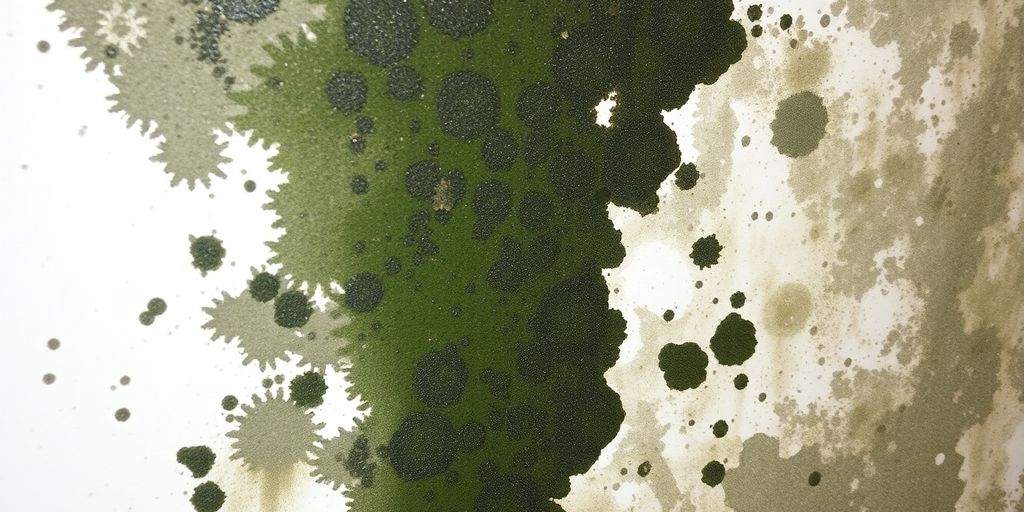
Mold remediation is more than just getting rid of visible mold. It’s a process that involves identifying, cleaning, and treating areas affected by mold to prevent future growth. This usually means tackling the root cause of moisture that allows mold to thrive. Mold remediation is essential because mold isn’t just ugly to look at. It can damage your home’s structure and your health.
Importance of Timely Action
Acting quickly is key when dealing with mold. Mold can spread rapidly, especially in damp environments, leading to more extensive damage over time. The longer you wait, the more difficult and expensive the remediation process can become. Quick action helps to mitigate water damage and keep repair costs down.
Health Risks Associated with Mold
Mold isn’t just a nuisance; it’s a health hazard. Exposure to mold spores can cause respiratory issues, allergic reactions, and even more severe health problems for sensitive individuals. Symptoms can include coughing, sneezing, skin irritation, and in severe cases, asthma attacks. It’s crucial to address mold issues promptly to protect your family’s health.
Mold isn’t something to ignore. It can cause significant health problems and structural damage if left untreated.
Understanding these basics will help you make informed decisions about mold remediation in your home, ensuring a safer and healthier living environment.
Steps Involved in Mold Remediation
Assessment and Isolation
First things first, you need to know what you’re dealing with. A thorough assessment helps in understanding the extent of mold infestation. Professionals will inspect the area, identifying both visible and hidden mold. Isolating the affected area is crucial to prevent mold spores from spreading. This might involve sealing off doors and windows with plastic sheeting and using negative air pressure to contain the spores.
Water Removal Techniques
Water is the main culprit behind mold growth, so getting rid of it is a top priority. This involves using pumps, vacuums, and other specialized equipment to remove standing water. Once the bulk of the water is gone, dehumidifiers and fans help to dry out the area. It’s important to ensure that moisture levels are back to normal to avoid any future mold issues.
Sanitization and Cleaning
After water removal, the next step is to clean and sanitize the area. This involves using special cleaning agents to scrub away mold from surfaces. Items that can’t be cleaned, like certain drywall or carpeting, may need to be removed entirely. During this process, it’s important to wear protective gear to avoid inhaling mold spores. The goal is to not only remove visible mold but also kill any remaining spores to prevent recurrence.
Preventing Mold Growth After Water Damage
Identifying Water Sources
First things first, you need to figure out where the water is coming from. Whether it’s a leaky pipe, a broken appliance, or a sneaky roof leak, you have to stop it at the source. Turning off the main water supply might be necessary until you can pinpoint the issue. Once you tackle the root cause, you can move on to the next steps.
Maintaining Indoor Humidity
Keeping your indoor humidity in check is a big deal. Mold loves moisture, so try to keep humidity levels below 60%. You can use dehumidifiers, especially in damp areas like basements or bathrooms. Also, make sure your home is well-ventilated. Open windows when the weather’s nice or use exhaust fans in kitchens and bathrooms to help keep the air circulating.
Regular Inspections and Maintenance
Don’t wait for a problem to pop up. Make it a habit to check around your home for any signs of water issues. Look for water stains, peeling paint, or musty smells—these could be signs of hidden moisture. It’s also a good idea to inspect your roof, gutters, and plumbing regularly. Fixing small problems early can save you a lot of trouble later.
Staying on top of these tasks not only helps prevent mold but also keeps your home in good shape overall. It’s all about being proactive rather than reactive.
Choosing a Professional Mold Remediation Service
When it comes to dealing with mold in your home, picking the right professional service is a big deal. You want to make sure the job gets done properly so you’re not facing the same issue down the road. Here’s what you should consider when choosing a mold remediation service.
What to Look For in a Contractor
Finding the right contractor is crucial. You want someone who knows their stuff and can handle the complexities of mold remediation. Look for these key qualifications:
- Licensed, Bonded, and Insured: This is non-negotiable. It protects you if something goes wrong.
- Experience with Complex Projects: Mold remediation isn’t just about removing mold. It often involves dealing with water damage, electrical issues, and more.
- Good Track Record: Check reviews and ask for references. You want to know they’ve done quality work in the past.
Questions to Ask Before Hiring
Before you sign on the dotted line, ask these important questions:
- What is your experience with mold remediation? Make sure they’ve handled similar projects.
- How do you handle insurance claims? A good company will assist you with the paperwork.
- What is your process for mold removal? You want to know they follow industry standards.
Understanding Service Costs
Mold remediation can be pricey, so it’s important to understand what you’re paying for. The cost typically includes:
- Inspection and Testing: Initial assessment of the mold situation.
- Containment and Removal: Steps to isolate and remove mold safely.
- Cleaning and Restoration: Ensuring your home is clean and mold-free.
Hiring a professional mold remediation service means you’re investing in your home’s future. The right team will not only remove the mold but also help prevent it from coming back.
Choosing the right service can save you a ton of stress and money in the long run. Make sure to do your homework and don’t hesitate to ask questions. A little research goes a long way in ensuring your home is mold-free and safe for your family.
Post-Remediation Considerations
Final Inspection and Testing
Once the mold remediation process is complete, it’s crucial to ensure everything is truly back to normal. This means bringing in a professional to conduct a final inspection. They’ll check for any lingering moisture and take air samples to test for mold spores. This step confirms that the area is safe for use again, marking the end of the remediation process. It’s not just about peace of mind; it’s about ensuring the safety of everyone who uses the space.
Reconstruction and Repairs
After receiving clearance from the final inspection, it’s time to focus on rebuilding. Depending on the extent of the damage, this might involve anything from minor repairs to major construction work. You might need new drywall, flooring, or even plumbing work. It’s a good idea to work with a contractor who understands the ins and outs of post-mold remediation repairs. They can help guide you through what needs to be done and ensure the job is done right.
Long-Term Maintenance Strategies
Preventing future mold issues is all about maintenance. Start by keeping an eye on humidity levels in your home. Use dehumidifiers if necessary, particularly in damp areas like basements or bathrooms. Regular inspections can also help catch potential problems before they become serious. Routine maintenance is key to stopping mold before it starts. Consider setting a schedule for checking for leaks, inspecting seals around windows and doors, and ensuring your HVAC system is functioning properly. By staying proactive, you can help keep your home mold-free.
Common Mistakes in Mold Remediation
Ignoring Hidden Mold
One of the most frequent errors in mold remediation is overlooking hidden mold. Mold isn’t always visible; it can lurk behind walls, under carpets, or in ceilings. Failing to address these hidden areas can lead to recurring mold issues, even after remediation efforts. It’s essential to conduct a thorough inspection to uncover all potential mold sites. Professionals often use special equipment to detect mold that isn’t immediately obvious.
Neglecting Moisture Control
Mold thrives in moist environments, so controlling moisture is crucial in any remediation process. Many people make the mistake of only removing the mold without fixing the underlying moisture problem. This could be due to leaks, poor ventilation, or high humidity. Successful mold remediation requires addressing the root cause of mold growth, not just removing the visible mold. Ignoring underlying issues can lead to recurring problems, making it essential to identify and fix moisture sources to ensure a long-term solution.
DIY Remediation Risks
Taking on mold remediation as a DIY project is tempting for some homeowners, but it comes with significant risks. Without the proper knowledge and equipment, you might not completely eradicate the mold, leaving spores that can spread and grow again. Additionally, there’s a health risk associated with exposure to mold spores. Professionals are equipped with protective gear and have the expertise to handle mold safely and effectively. It’s often safer and more effective to hire a professional service to ensure the job is done right.
Mold remediation isn’t just about getting rid of the mold you can see. It’s about finding and fixing the moisture problem that caused it in the first place. Without addressing this, the mold will likely come back, and you’ll find yourself in a frustrating cycle of recurring issues.
The Role of Insurance in Mold Remediation
Documenting Damage for Claims
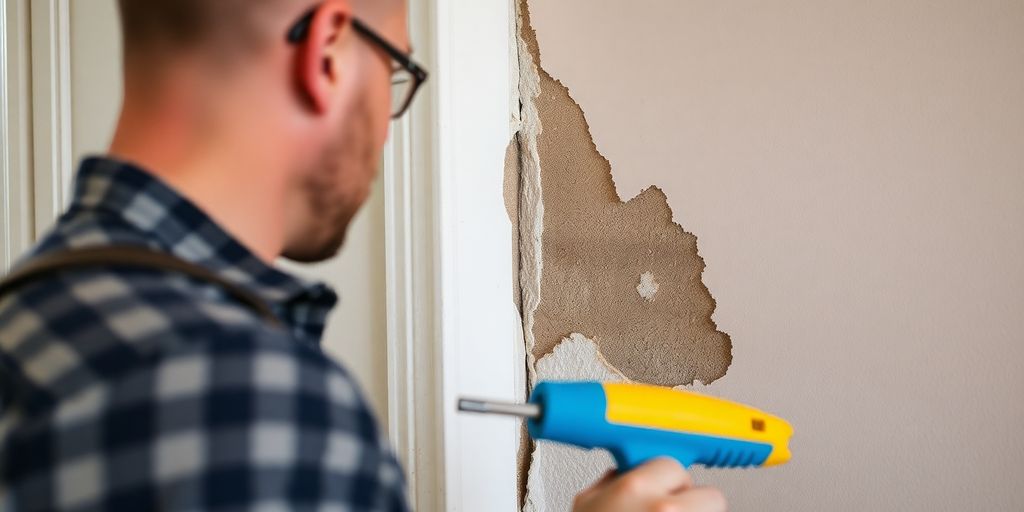
When mold appears due to water damage, getting your insurance involved is crucial. Homeowner’s insurance typically covers mold damage resulting from specific incidents, such as pipe bursts. To make sure you’re covered, you need to document everything meticulously. Take photos of the affected areas, noting the extent of the damage and any visible mold growth. It’s a good idea to keep a detailed list of damaged items, too. This kind of thorough documentation is key when filing a claim and can make the process smoother.
Understanding Coverage Limits
Insurance policies can be tricky. They often have specific limits on what they will cover when it comes to mold remediation. It’s important to read your policy carefully or talk to your insurance agent to understand these limits. Some policies might cover the cost of removing the mold but not the repairs needed to prevent it from coming back. Knowing these details helps you plan financially and avoid unexpected expenses.
Working with Insurance Adjusters
Once you’ve filed a claim, an insurance adjuster will likely come to assess the damage. Be prepared to walk them through the affected areas and show them your documentation. Adjusters are there to evaluate your claim, so having your information organized can help speed up the process. It’s also wise to discuss any concerns or questions you have about your coverage. Remember, their job is to help you, so don’t hesitate to ask for clarification on anything you’re unsure about.
Navigating insurance claims for mold damage can be daunting, but with the right preparation and understanding of your policy, you can ensure a smoother process and better coverage.
Insurance plays a key part in fixing mold problems in your home. It can help cover the costs of removing mold and repairing any damage it caused. If you think you might have mold, don’t wait! Visit our website to learn more about how we can help you with mold remediation and get your home back to normal.
Conclusion
So, there you have it. Tackling mold after water damage isn’t just about keeping your home looking nice—it’s about making sure it’s safe and healthy for everyone living there. Mold can be sneaky, hiding in places you might not think to look, and it can cause all sorts of problems if left unchecked. By following the steps we’ve laid out, you can take control of the situation and get your home back to normal. Remember, it’s always a good idea to call in the pros if you’re feeling overwhelmed. They have the tools and know-how to handle even the toughest mold problems. At the end of the day, dealing with mold is all about being proactive and staying on top of things. Keep your home dry, fix leaks right away, and don’t ignore those musty smells. With a little effort, you can keep mold at bay and enjoy a safe, comfortable home.
Frequently Asked Questions
What is mold remediation?
Mold remediation is the process of cleaning and removing mold from an area that has been affected by water damage. It helps restore the space to a safe and healthy condition.
Why is it important to act quickly when dealing with mold?
Acting quickly is crucial because mold can cause structural damage to your home and pose health risks like allergies and respiratory problems.
What are the health risks of mold exposure?
Exposure to mold can lead to health issues such as coughing, sneezing, asthma attacks, and skin irritation. It can be especially harmful to people with allergies or weakened immune systems.
How can I prevent mold growth after water damage?
To prevent mold, fix any water leaks, ensure the area is completely dry, and maintain low indoor humidity levels. Regular inspections can also help catch mold early.
Can I remove mold myself, or do I need a professional?
For small areas, you might manage on your own with proper precautions. However, for larger infestations, it’s safer to hire professionals who have the right tools and expertise.
Does insurance cover mold remediation?
Insurance coverage for mold remediation varies. It’s essential to document the damage and check with your insurance provider about your policy’s specific coverage.