
Water damage can be a real headache for homeowners. Whether it’s from a busted pipe or a heavy storm, the aftermath can be overwhelming. The key is not to panic and take immediate steps to minimize the impact. This article will walk you through the essential steps of water damage restoration, so you can tackle the problem head-on and protect your home from further damage.
Key Takeaways
- Act quickly to stop water and minimize damage.
- Ensure safety before starting any cleanup.
- Dry and dehumidify to prevent mold growth.
- Hire professionals for extensive damage.
- Regular maintenance can prevent future issues.
Understanding the Causes of Water Damage
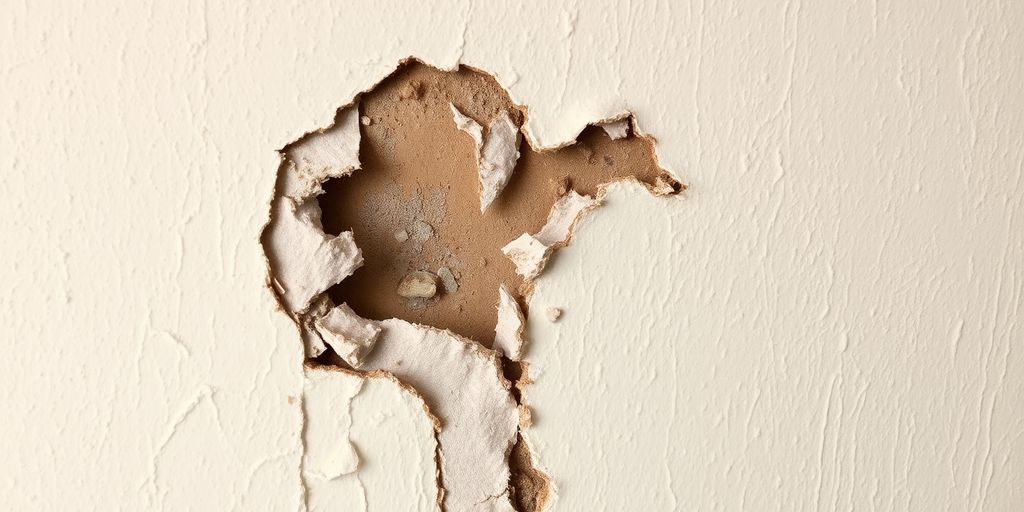
Water damage is a common issue that can wreak havoc on your home, and understanding its causes is the first step in prevention. Here’s a closer look at some of the main culprits:
Common Sources of Water Intrusion
Water can find its way into your home through various channels. Leaks and poor drainage are often the sneaky offenders. Check your roof and gutters regularly; they can become clogged or damaged, leading to water seepage. Don’t forget about your windows and doors, which can also be weak points if not properly sealed.
- Roof Leaks: Damaged or missing shingles can allow water to penetrate your roof.
- Foundation Cracks: Small cracks in your home’s foundation can let water in, especially during heavy rains.
- Poor Drainage Systems: If your gutters or downspouts are blocked, water can pool around your home’s foundation.
Impact of Weather on Water Damage
Weather plays a significant role in water damage. Heavy rains, snowmelt, and hurricanes can all lead to excessive water accumulation. Flooding is a major concern, especially for those living in low-lying areas. Even if you don’t live in a flood zone, intense storms can overwhelm drainage systems, leading to water intrusion.
- Rainfall: Consistent heavy rain can saturate the ground and lead to leaks.
- Snow and Ice: Melting snow and ice can cause water to seep into your home if not properly managed.
- Storm Surges: Coastal areas face the threat of storm surges, which can cause significant flooding.
Plumbing Failures and Leaks
Inside your home, plumbing issues are a leading cause of water damage. Burst pipes, faulty water heaters, and old plumbing systems can all result in significant water loss. Regular maintenance is key to preventing these problems.
- Burst Pipes: Often occur in winter when pipes freeze and expand.
- Leaky Faucets: While seemingly minor, they can waste a lot of water and cause damage over time.
- Aging Water Heaters: Can rust and leak, leading to water damage in your home.
"Understanding the causes of water damage helps you take proactive steps to protect your home from potential disasters. Regular inspections and maintenance can go a long way in preventing costly repairs."
Immediate Actions to Take After Water Damage
Ensuring Safety and Turning Off Utilities
First things first, make sure everyone is safe. Water and electricity are a dangerous mix, so if it’s safe, turn off the power at the breaker box. Don’t wade through water to do this; call a professional if needed. Also, be aware of gas leaks—if you smell gas, get out and call emergency services right away.
Identifying and Stopping the Water Source
Once safety is handled, figure out where the water is coming from. It might be a burst pipe, a leaky roof, or something else. If you can, shut off the main water supply. This stops more water from coming in and gives you a chance to think about what to do next.
Removing Standing Water Quickly
You’ve got to get rid of any standing water fast. Use a wet/dry vacuum or a mop to remove as much water as possible. Open windows and doors to let fresh air circulate, and set up fans to help dry things out. If there’s a lot of water, you might want to call in a professional water extraction service.
Quick action after water damage can save you a lot of headaches down the line. It’s about minimizing damage and preventing problems like mold from taking root.
And don’t forget to document the damage by taking photos and videos. This can really help when you’re dealing with insurance claims later.
The Water Damage Restoration Process
Assessing the Extent of Damage
First things first, you gotta know what you’re dealing with. This means taking a good look at how bad the water damage is. Professionals often use high-tech tools to find moisture that might be hiding in places you can’t see, like behind walls or under floors. This step is super important because it helps you figure out what needs fixing and what can be saved.
Drying and Dehumidifying the Area
Once you know what’s damaged, it’s time to get rid of all that unwanted water. Using big fans and dehumidifiers, you dry everything out. It’s not just about removing visible water—hidden moisture can lead to mold and other problems if left unchecked. This step is all about making sure everything is bone dry.
Cleaning and Sanitizing Affected Spaces
Water damage isn’t just about water—it’s about what the water brings with it. This step is crucial for getting rid of any nasty stuff like bacteria or mold that might have come in. Cleaning and sanitizing make sure your home is safe again. This could mean anything from scrubbing down surfaces to using special treatments to stop mold from growing.
Remember, the water damage restoration process is a thorough one, ensuring your home is safe and sound again.
Preventing Mold Growth After Water Damage
Water damage can lead to serious mold issues if not handled quickly and properly. Mold can start growing within 24 to 48 hours after water exposure. Here’s how you can prevent it:
Identifying Signs of Mold
One of the first steps is to keep an eye out for signs of mold. Look for dark spots on walls or ceilings, and pay attention to any musty odors. Sometimes, mold can hide in less obvious places like behind walls or under carpets. If you spot these signs, it’s important to act fast.
Effective Mold Remediation Techniques
Once you suspect mold, it’s crucial to tackle it head-on. Scrubbing hard surfaces thoroughly with a stiff brush and a cleaning solution can help remove mold spores clinging to walls, floors, and other surfaces. Make sure to reach into crevices and behind furniture. This meticulous cleaning helps reduce mold risks and keeps your home environment healthier.
- Use mold-preventive cleaners that are designed to eliminate spores.
- Ensure proper ventilation by opening windows and using fans.
- Consider using a dehumidifier to reduce moisture levels.
Professional Mold Inspection Services
If mold growth seems extensive or you’re unsure about the severity, it might be time to call in the pros. Professional mold inspection services can assess the situation accurately and offer solutions to remove mold safely. They have the tools and knowledge to handle mold issues effectively, ensuring your home is safe and sound.
Remember, mold can grow rapidly after water damage, so acting promptly is key. Using fans, dehumidifiers, and proper ventilation can make a big difference in keeping mold at bay.
Benefits of Hiring Professional Water Damage Restoration Services
Advanced Equipment and Techniques
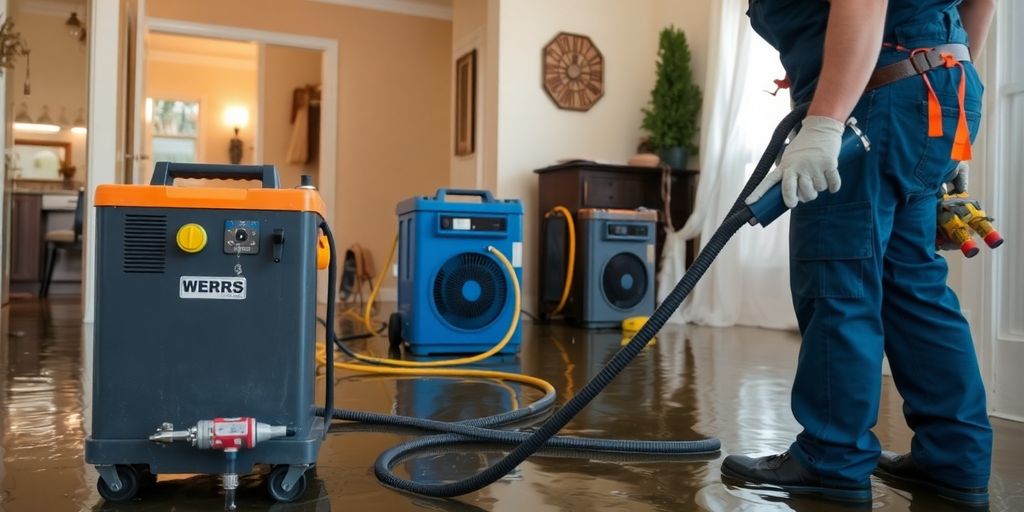
When water invades your home, getting rid of it quickly is crucial. Professionals come equipped with high-powered pumps, industrial dehumidifiers, and other specialized tools that can remove water and moisture much faster than any DIY attempt. This speedy removal is vital to prevent further damage and reduce the risk of mold growth, which can start in as little as 24 to 48 hours. With their gear, they can also pinpoint hidden moisture that could lead to future issues.
Expertise in Handling Insurance Claims
Dealing with insurance claims can be a headache. Professional water damage restoration services often help navigate this tricky process. They know what documentation is needed and can provide detailed reports that insurance companies require. This assistance can ensure you get the best possible settlement for your situation. They’re familiar with the nuances of insurance policies and can help ensure that nothing important is overlooked.
Comprehensive Restoration Solutions
Hiring a professional service means you’re getting a full package of solutions. They don’t just dry out your home; they also clean, sanitize, and repair. From replacing damaged drywall to refinishing floors, they handle it all, ensuring your home is restored to its pre-damage condition. This comprehensive approach not only saves time but also ensures that every corner of your home is safe and sound.
Choosing a professional service for water damage restoration is about more than just convenience; it’s about ensuring your home is restored thoroughly and effectively. Their expertise and equipment make them the best choice for tackling the aftermath of water damage.
For residents in Arlington, Virginia, Ruach Home Services offers expert water damage restoration and remodeling solutions, ensuring reliable and effective outcomes.
Preventive Measures to Avoid Future Water Damage
Regular Home Maintenance Tips
Keeping up with regular home maintenance is like having a strong shield against water damage. Inspecting your plumbing regularly can help you catch small leaks before they turn into big problems. Check under sinks, around toilets, and near appliances that use water. It’s also a good idea to look at your roof now and then. Make sure there are no missing or damaged shingles that could let water in.
Waterproofing and Sealing Vulnerable Areas
Waterproofing is a smart move to keep water out of places it shouldn’t be. Basements, foundations, and crawl spaces are common spots where water likes to sneak in. Use a good sealant to close up any cracks or gaps. If you notice any big issues, it might be worth calling in a professional to get things sorted out properly.
Installing Water Leak Detection Systems
Sometimes, water leaks happen in places you can’t see right away. That’s where water leak detection systems come in handy. These systems can alert you to leaks early on, giving you a chance to fix things before they get worse. They’re a wise investment for anyone looking to protect their home from water damage.
By taking these steps, you can greatly reduce the risk of water damage in your home. Regular maintenance, proper sealing, and modern detection systems work together to keep your home safe and dry.
To keep your home safe from future water damage, it’s important to take some simple steps. Start by checking for leaks in your pipes and fixing them right away. Make sure your gutters are clean and direct water away from your house. Also, consider using a dehumidifier in damp areas to prevent mold. For more tips and expert help, visit our website today!
Conclusion
Wrapping up, dealing with water damage can feel like a huge headache, but taking quick and organized steps really makes a difference. It’s all about acting fast to stop more damage and get your home back to normal. Whether it’s drying out your space, cleaning up, or calling in the pros, every step counts. And hey, if things get too overwhelming, don’t hesitate to reach out to a professional. They have the tools and know-how to handle the mess efficiently. Remember, the sooner you tackle the problem, the less you’ll have to worry about in the long run. So, stay proactive, keep an eye on potential issues, and your home will thank you for it.
Frequently Asked Questions
What causes water damage in homes?
Water damage can come from many sources, like leaking pipes, overflowing sinks, or heavy rain. Sometimes, even broken appliances like washing machines can lead to water problems.
What should I do first if my house has water damage?
First, make sure everyone is safe. Turn off the electricity if it’s safe to do so, and try to stop the water from coming in. Then, start removing any standing water using towels or a mop.
How fast do I need to act on water damage?
You should act as quickly as possible. Water can cause more problems the longer it sits, like mold and damage to your home’s structure.
Can I handle water damage cleanup myself?
For small problems, you might be able to clean up yourself. But for big issues, it’s best to call professionals who have the right tools and know-how to fix it properly.
Why is mold a concern after water damage?
Mold can start growing quickly in damp areas. It can cause health problems and damage to your home, so it’s important to clean and dry everything thoroughly.
How can I prevent water damage in the future?
Regularly check your home for leaks, keep gutters clean, and consider installing water leak detectors. These steps can help you catch problems early and keep your home safe.