
Water damage in your home can be a real pain. Whether it’s from a burst pipe, heavy rain, or a leaky roof, getting rid of water quickly is key to preventing more serious damage. This article is all about how you, as a homeowner, can tackle water removal using the right tools and techniques. We’ll also cover some handy tips to help you out along the way.
Key Takeaways
- Water removal is different from water restoration; it’s the first step in dealing with water damage.
- Using the right tools like wet/dry vacuums and dehumidifiers can make the process easier.
- DIY water removal is possible, but knowing when to call a professional is important.
- Preventing future water damage involves regular maintenance and fixing leaks promptly.
- Quick action can minimize damage, cut costs, and reduce health risks.
Understanding Water Removal Basics
What is Water Removal?
Water removal is all about getting rid of unwanted water from your home, especially after a leak or flood. This process involves extracting the water, drying out the area, and preventing further damage. It’s the first step in dealing with water damage, ensuring that your home doesn’t suffer long-term issues like mold or structural damage. Think of it as the cleanup phase before any repairs or restoration can happen.
Key Differences Between Water Removal and Water Restoration
While water removal and water restoration sound similar, they are different steps in the recovery process. Water removal focuses on eliminating water from the affected area, using tools like pumps and vacuums. On the other hand, water restoration deals with repairing and restoring your home to its pre-damage state. This might include fixing walls, floors, and other damaged parts of your home. Understanding these differences helps in knowing what services you might need.
Common Causes of Water Intrusion
Water intrusion can happen for several reasons, and knowing these can help in prevention:
- Leaky Pipes: Often hidden behind walls, these can cause significant damage over time.
- Roof Damage: Missing shingles or damaged flashing can let water seep into your home.
- Natural Disasters: Heavy rain, storms, and floods are common culprits, overwhelming your home’s defenses.
Quick action is crucial when dealing with water intrusion. The longer water sits, the more damage it can cause, leading to costly repairs and health risks.
For guidance on handling water damage, including immediate steps to take and selecting a restoration company, consider expert advice to ensure thorough drying and prevent mold growth.
Essential Tools for Effective Water Removal
Using Wet/Dry Shop Vacuums
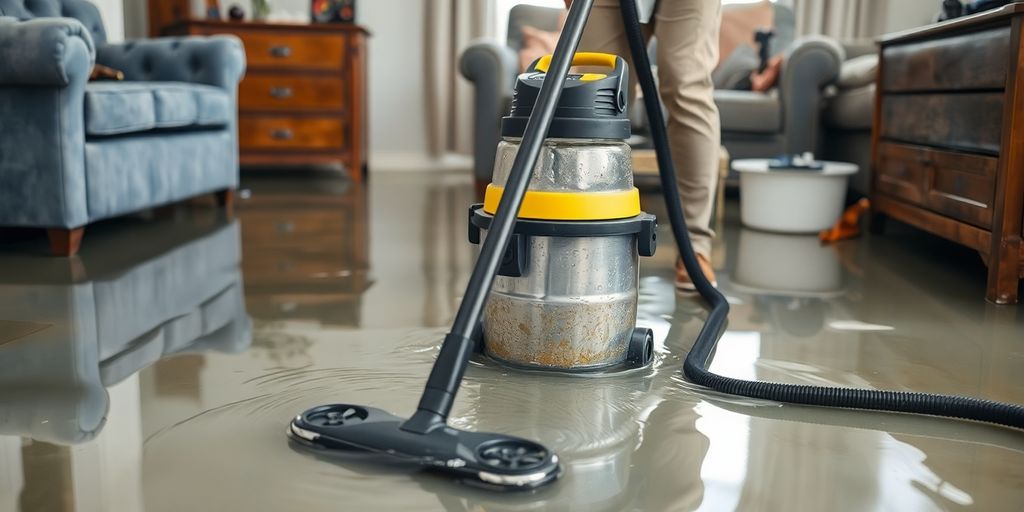
Wet/dry shop vacuums are a homeowner’s best friend when it comes to tackling water removal. These versatile machines can handle both wet and dry messes, making them perfect for everything from minor spills to small-scale flooding. Their powerful suction capabilities allow them to extract water from carpets, floors, and even furniture. When using a wet/dry vacuum, always ensure the filter is suitable for wet conditions to prevent damage to the machine.
The Role of Dehumidifiers in Water Removal
Dehumidifiers play a crucial role in drying out spaces after water extraction. They work by pulling moisture from the air, which helps speed up the drying process and prevents mold growth. For best results, use a dehumidifier in conjunction with fans to circulate air. This combination is particularly effective in damp basements or large rooms. Keep an eye on the humidity levels; ideally, they should be below 60% to deter mold and mildew.
Advanced Equipment for Severe Water Damage
In cases of severe water damage, more advanced equipment is necessary. Water pumps are often employed to quickly remove large volumes of standing water. Submersible pumps can be particularly effective, as they are designed to operate underwater and can move water out of basements or other low-lying areas. Additionally, industrial-grade fans and air movers are used to dry out large spaces efficiently. These tools, while more costly, are essential for ensuring thorough water removal and minimizing further damage.
DIY Water Removal Techniques for Homeowners
Safety Precautions Before Starting
Before diving into water removal, take a moment to ensure safety. Standing water and electricity are a dangerous mix. Always wear rubber-soled boots and gloves to minimize the risk of electrical shock. Avoid touching electrical devices, especially those still plugged in, until the area is completely dry. Make sure to ventilate the area by opening windows and doors if possible.
Step-by-Step Guide to Removing Water
Here’s a simple guide to help you tackle water removal on your own:
- Identify the Source: Before you start, find where the water is coming from and stop it. This could be a burst pipe, a leaking appliance, or even rainwater seeping in.
- Remove Standing Water: Use a wet/dry shop vacuum to suck up as much water as possible. These vacuums are ideal for handling large amounts of water quickly.
- Dry Out the Area: Once most of the water is gone, set up dehumidifiers and fans to dry the space thoroughly. This step is crucial to prevent mold growth.
- Clean and Sanitize: After drying, clean the affected areas with disinfectants to eliminate any bacteria or mold spores.
When to Call a Professional
Sometimes, DIY methods aren’t enough. If the water damage is extensive, or if you’re dealing with contaminated water, it’s best to call in the experts. Professionals have the equipment and expertise to handle severe cases effectively. Remember, it’s better to be safe and get help than to risk further damage or health issues.
Taking swift action can save your home from further damage and costly repairs. Don’t hesitate to reach out for professional help if needed.
For homeowners looking for trusted brands in water damage restoration, consider products from DeWALT, Dry-Eaz, and KILZ for quality and reliability.
Preventing Future Water Damage
Identifying and Fixing Leaks
Homeowners often overlook small leaks, but these can lead to big problems over time. Regularly inspect areas prone to leaks, like under sinks, around toilets, and behind appliances. Even a minor drip can waste thousands of gallons of water annually. Keep an eye on your water bill; unexpected increases might signal a hidden leak.
Maintaining Your Home’s Drainage System
A well-functioning drainage system is essential to prevent water from pooling around your home. Regularly clean out gutters and downspouts to avoid clogs that can lead to water backup. Consider installing gutter guards to minimize debris. Learn expert tips to prevent water damage from outside your home, including decluttering gutters and removing leaves and sticks to avoid water backup.
Regular Inspections and Maintenance Tips
Routine maintenance is your first line of defense against water damage. Check your roof for missing or damaged shingles annually. Seal and caulk windows and doors to prevent water entry. Inspect your attic for signs of leaks, like water stains on the ceiling. Knowing the location of your main water shut-off valve can be a lifesaver in emergencies, allowing you to quickly stop water flow and minimize damage.
Keeping up with regular home maintenance might seem like a chore, but it’s a small price to pay for peace of mind. A little effort now can save you from costly repairs later.
Dealing with Water Damage Aftermath
Cleaning and Sanitizing Affected Areas
After a flood or any water damage incident, cleaning up is the first step. Floodwater can carry all sorts of contaminants, so it’s crucial to clean and sanitize everything it touched. Start by removing any debris and mud. For surfaces, use a disinfectant solution to kill bacteria and viruses. Be thorough; even areas that seem dry might still harbor moisture and germs. Carpets and soft furnishings, if soaked, might need professional cleaning or replacement, especially if the water was dirty.
Addressing Mold and Mildew Issues
Mold can start growing within 24 to 48 hours after water damage. To tackle this, you need to dry everything out as quickly as possible. Use dehumidifiers and fans to speed up the drying process. If you spot mold, clean it with a mold remover or a mixture of water and vinegar. For extensive mold growth, it’s best to call in professionals to ensure it’s thoroughly removed. Remember, mold isn’t just a cosmetic issue; it can cause health problems, too.
Restoring Your Home to Pre-Damage Condition
Once everything is dry and clean, it’s time to think about restoration. This could mean replacing drywall, flooring, or even structural elements like beams if they’ve been compromised. Prioritize repairs based on what’s most urgent and what your budget allows. If you’re unsure about the extent of the damage, consider hiring a professional to assess your home. They can help you develop a plan to restore your home efficiently and safely.
Taking immediate action after water damage can save you time and money in the long run. It’s not just about cleaning up but making sure your home is safe and sound for the future.
Budget-Friendly Water Removal Solutions
Cost-Effective Tools and Materials
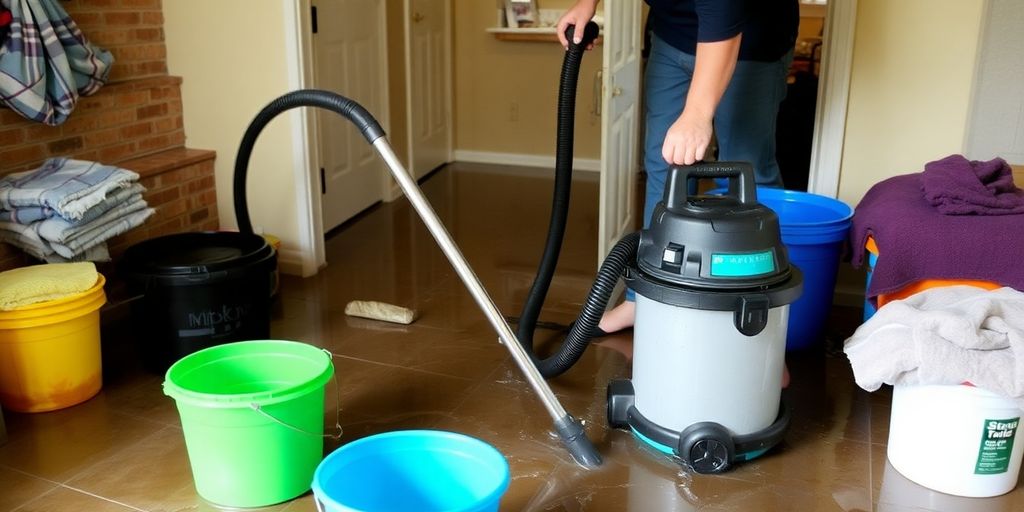
When it comes to tackling water damage on a budget, having the right tools and materials can make a big difference. Consider investing in a SpringWell CF1 for whole house water filtration. This system is not only cost-effective but also pays for itself over time. Using affordable yet effective tools can help manage costs without compromising quality. Here are some budget-friendly options:
- Wet/Dry Vacuum: A versatile tool for water removal that can handle both wet and dry messes.
- Fans and Air Movers: These help to speed up drying times and prevent mold growth.
- Dehumidifiers: Essential for removing moisture from the air, especially in humid environments.
DIY vs. Professional Services: Cost Comparison
Choosing between doing it yourself and hiring professionals can significantly impact your budget. Here’s a quick comparison:
| Task | DIY Cost Estimate | Professional Cost Estimate |
|---|---|---|
| Basic Water Removal | $50 – $200 | $500 – $1,500 |
| Mold Inspection and Cleaning | $30 – $150 | $400 – $1,000 |
| Structural Repairs | $100 – $500 | $1,000 – $5,000 |
DIY can be a great way to save money, especially for minor issues. However, for extensive damage, professional help might be necessary to ensure safety and thoroughness.
Financing Options for Water Damage Restoration
Sometimes, even with careful budgeting, the costs of water damage restoration can exceed what you have on hand. In such cases, exploring financing options can be beneficial. Here are some possibilities:
- Home Improvement Loans: These loans can provide the necessary funds for large-scale repairs.
- Credit Lines: Useful for covering unexpected expenses that arise during the restoration process.
- Payment Plans: Some contractors offer payment plans that can help spread the cost over time.
Taking a proactive approach to financing can relieve the immediate financial burden and allow you to focus on restoring your home efficiently. Always compare interest rates and terms to find the most cost-effective solution for your situation.
The Importance of Quick Response in Water Removal
Minimizing Structural Damage
When water invades your home, it’s not just about getting things dry again. Acting fast is crucial to prevent extensive damage to the structure of your house. Water can seep into walls, floors, and ceilings, weakening them over time. If left unattended, this can lead to severe structural issues that are costly to repair. Here’s a quick rundown of what you can do:
- Identify the Source: Whether it’s a burst pipe or rainwater, find where the water is coming from.
- Stop the Flow: Turn off water supply lines or patch leaks temporarily.
- Begin Extraction: Use pumps or wet/dry vacuums to remove standing water.
Preventing Health Hazards
Water damage isn’t just a threat to your home; it’s a potential health risk too. Stagnant water can become a breeding ground for bacteria and mold, which can start growing within just 24 to 48 hours. Mold spores can cause respiratory problems and other health issues, especially for those with pre-existing conditions. To minimize health risks:
- Ventilate the Area: Open windows and use fans to circulate air.
- Remove Wet Materials: Get rid of soaked carpets, furniture, and drywall.
- Use Dehumidifiers: These help reduce moisture in the air, slowing mold growth.
Reducing Restoration Costs
Quick action not only saves your home from further damage but also keeps your wallet happy. The longer water sits, the more damage it causes, leading to higher restoration costs. By addressing water damage immediately, you can significantly cut down on repair expenses. Consider these points:
- DIY Where Possible: If the damage is minor, you might handle some tasks yourself.
- Call Professionals: For extensive damage, hiring experts ensures thorough cleanup and restoration.
- Assess Insurance Coverage: Check your policy to see what costs might be covered.
"Don’t wait until it’s too late. The sooner you respond to water damage, the better chance you have of minimizing harm and saving on repairs."
For homeowners in Ashburn, Virginia, knowing trusted brands for water damage restoration can make all the difference in a quick recovery process. Make sure to have a plan in place for when water damage strikes.
When water damage strikes, acting fast is crucial. A quick response can save your home from further harm and costly repairs. Don’t wait until it’s too late! Visit our website to learn more about how we can help you with water removal and restoration services. Your home deserves the best care, and we’re here to provide it!
Wrapping It Up
So, there you have it, folks. Dealing with water in your home can be a real headache, but with the right tools and a bit of know-how, you can tackle it head-on. Remember, safety first—always check for electrical hazards before diving in. Whether you’re using a shop vac or calling in the pros for the big stuff, acting fast is key. Don’t let a little water turn into a big problem. Keep these tips in mind, and you’ll be ready to handle whatever comes your way. And hey, if it gets too overwhelming, there’s no shame in calling for backup. Better safe than sorry, right? Stay dry out there!
Frequently Asked Questions
What should I do first when my home gets flooded?
First, make sure it’s safe to enter the flooded area. Wear rubber boots and gloves to avoid electrical hazards. Then, try to find and stop the source of the water if possible.
How can I remove water from my house by myself?
You can use tools like a wet/dry vacuum and a dehumidifier to help remove water. It’s important to act quickly to prevent further damage.
What’s the difference between water removal and water restoration?
Water removal involves getting rid of standing water, while water restoration is about fixing and restoring your home to its original state after the water is gone.
When should I call a professional for water damage?
If the water damage is extensive, or if you notice mold growth, it’s best to call a professional. They have the right tools and expertise to handle severe situations.
How can I prevent water damage in the future?
Regularly check for leaks, maintain your home’s drainage system, and ensure your roof is in good condition to prevent future water damage.
Are there budget-friendly ways to handle water damage?
Yes, you can use cost-effective tools and materials for small issues. However, compare costs between DIY and professional services to decide the best approach for your situation.