
Ever walked into your basement and noticed a musty smell or even spotted some unsightly patches on the wall? That’s mold for you, and it’s more common than you’d think. Water damage and mold can sneak up on any homeowner, turning your cozy space into a health hazard. But don’t worry, tackling these issues isn’t as daunting as it seems. This guide is here to walk you through the ins and outs of water restoration and mold remediation, helping you keep your home safe and sound.
Key Takeaways
- Water damage and mold are common issues that can affect any home, leading to health risks and structural problems.
- Effective water restoration involves a thorough assessment, water removal, and proper drying to prevent mold growth.
- Mold remediation requires identifying the mold, containing it, and cleaning affected areas to ensure it doesn’t return.
- Preventive measures like controlling humidity and regular inspections can help keep mold at bay.
- Choosing professional services for major water and mold problems can ensure safe and effective restoration.
Understanding Water Restoration & Mold Remediation
The Science Behind Water Damage
Water damage is more than just a wet floor or soggy carpet. It’s a complex problem that starts when water seeps into areas it shouldn’t, like walls, floors, or ceilings. This can happen due to leaks, floods, or even high humidity levels. The real trouble begins when water lingers, creating a breeding ground for mold and bacteria. Understanding the science of water damage involves recognizing how water interacts with building materials, leading to deterioration and structural issues. Addressing water damage quickly is crucial to prevent long-term problems and costly repairs. Water damage restoration involves extracting water, disposing of damaged items, drying the affected area, and treating for mold, ensuring your home is safe and sound.
Common Causes of Mold Growth
Mold is sneaky. It can grow anywhere there’s moisture and organic material to feed on. Common culprits include leaks from roofs, windows, or pipes, and areas with poor ventilation like bathrooms or basements. Even something as simple as a damp towel left in a corner can become a mold magnet. Mold spores are always in the air, but they only become a problem when they find a damp spot to settle. Identifying these causes early can help prevent mold from becoming a major headache.
Health Implications of Mold Exposure
Mold isn’t just unsightly; it can be a serious health hazard. Exposure can lead to respiratory problems, allergies, and even skin irritation. People with asthma or compromised immune systems are particularly vulnerable. Symptoms might include sneezing, coughing, or itchy eyes. In some cases, mold exposure can lead to more severe health issues, especially with toxic molds like black mold. It’s essential to deal with mold promptly to protect your health and maintain a healthy living environment.
Mold can cause a variety of health problems, including respiratory issues, allergies, and skin irritation. Addressing mold growth promptly is crucial to protect your health and the integrity of your home.
Steps to Effective Water Restoration
Initial Assessment and Inspection
First things first, you’ve got to figure out what you’re dealing with. Assessing the situation means checking out the extent of the water damage. Is it a leaky pipe, a flooded basement, or something else? This step is all about understanding the problem so you can tackle it head-on. Grab a flashlight and take a good look around. Look for signs of damage like wet spots, discoloration, or even a musty smell. Don’t forget to shut off the water source to prevent more flooding. It’s like hitting pause on the chaos.
Water Extraction Techniques
Once you’ve got a handle on the situation, it’s time to get rid of that water. There are a few ways to do this, depending on how much water you’re dealing with. For smaller jobs, a wet/dry vacuum might do the trick. But if you’re knee-deep in water, you might need to call in the big guns, like a professional service with industrial pumps. The goal here is to remove water as quickly as possible to minimize damage and reduce the risk of mold growth. It’s all about acting fast and being thorough.
Drying and Dehumidification
With the water out, the next step is drying everything up. This isn’t just about opening a window and hoping for the best. You need to get serious about drying. Industrial fans and dehumidifiers are your best friends here. They help dry out the air and surfaces, preventing mold and further damage. It’s a process that can take a few days, but it’s worth it to ensure everything is bone dry. Remember, moisture is mold’s best friend, so you want to make sure it’s all gone.
Comprehensive Mold Remediation Process
Identifying Mold-Infested Areas
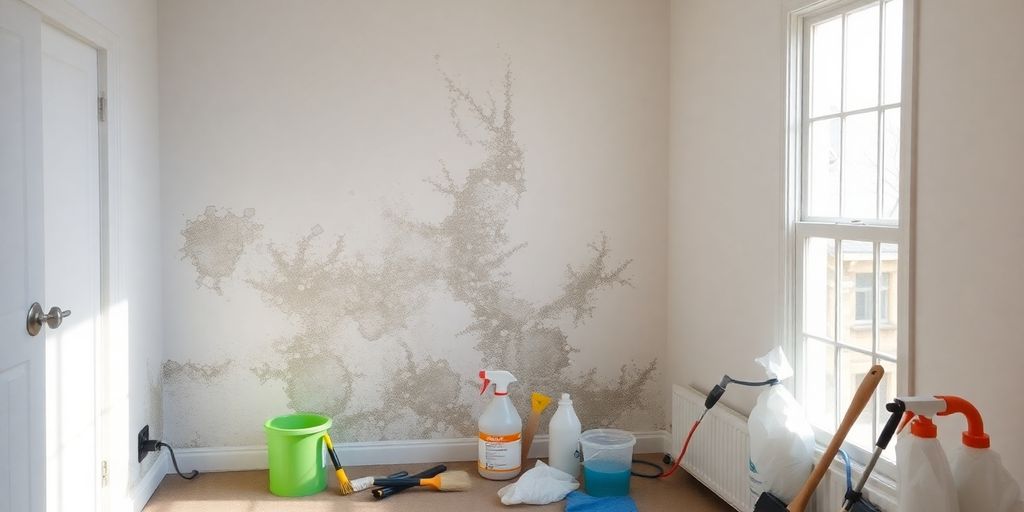
First off, spotting the mold is key. You need to know where it’s lurking. Mold can hide in places you wouldn’t expect, like behind walls or under carpets. Professionals often use tools like moisture meters and thermal cameras to find hidden mold. Finding the source of moisture is crucial because without moisture, mold can’t grow. Once you know where the mold is and what’s causing it, you can make a plan to tackle it.
Containment and Air Filtration
Next, you’ve got to contain the mold. This means sealing off the affected area to keep mold spores from traveling to other parts of your home. Think of it like putting a lid on a pot to keep the steam in. Effective containment involves setting up barriers, often using plastic sheeting, and creating negative air pressure with special equipment. Air filtration is also important. HEPA filters and air scrubbers help trap mold spores in the air, making sure they don’t spread. These steps are all about keeping the mold from causing more trouble.
Cleaning and Disinfecting
Once you’ve got the mold contained, it’s time to clean up. This means scrubbing surfaces and using special cleaning agents to wipe out the mold. Antimicrobial treatments are often applied to prevent mold from coming back. It’s kind of like using a disinfectant wipe on a dirty counter but on a much bigger scale. You want to make sure every little mold spore is gone, so it doesn’t start growing again. After cleaning, everything should be dry to stop moisture from inviting mold back.
Preventive Measures for a Mold-Free Home
Controlling Indoor Humidity
Keeping humidity levels in check is your first line of defense against mold. Use a dehumidifier or air conditioner to keep indoor humidity between 30-50%. This makes it tough for mold to set up shop. Regularly check and fix any leaks because even a tiny drip can create a cozy spot for mold to thrive.
- Use dehumidifiers in damp areas like basements.
- Repair leaks promptly to eliminate moisture sources.
- Consider removing carpets from damp areas to reduce moisture absorption.
Regular Home Inspections
Regular inspections can catch mold before it becomes a big problem. Look for water stains, leaks, or any signs of moisture. Early detection is key to preventing mold from spreading.
- Conduct visual inspections for discoloration or moldy odors.
- Use moisture meters to monitor areas prone to dampness.
- Fix any water damage you find immediately.
Regular inspections are crucial. They help you spot potential issues early, saving you from costly repairs and health problems down the line.
Proper Ventilation Practices
Good airflow is another way to prevent mold. Make sure your home is well-ventilated, especially in areas like bathrooms and kitchens where moisture tends to build up. Use exhaust fans to get rid of excess moisture.
- Ensure exhaust fans are working properly in bathrooms and kitchens.
- Open windows when weather permits to improve airflow.
- Consider installing air purifiers to help reduce airborne mold spores.
By following these simple steps, you can keep your home mold-free and healthy. If you suspect a mold issue, don’t hesitate to contact Ruach Home Services for professional help. They offer thorough inspections and effective mold remediation solutions.
Choosing the Right Professional Services
Evaluating Credentials and Experience
When it comes to picking a company for water restoration and mold remediation, checking their credentials is a must. Look for certifications like the IICRC (Institute of Inspection Cleaning and Restoration Certification), which shows they know their stuff. Experience matters too. A company that’s been around for a while has probably seen it all and can handle unexpected challenges. Ask about their past projects and maybe even request references.
Understanding Service Guarantees
Before you hire anyone, get clear on what they guarantee. A good company stands by their work, offering warranties or satisfaction guarantees. This means if something goes wrong after they finish, they’ll come back and fix it without extra charges. It’s like a safety net that ensures you get what you pay for.
Cost Considerations and Estimates
Money matters, right? So, when you’re choosing a service, get a detailed estimate upfront. This should include everything from labor to materials and any other fees. Compare a few quotes to make sure you’re getting a fair deal. But remember, the cheapest option isn’t always the best. Sometimes, paying a little more means getting better quality work.
Picking the right professional service is like putting your home in trusted hands. You want someone who knows what they’re doing and stands by their work. Take your time, do your research, and choose wisely.
For more insights on selecting a reliable restoration company, consider choosing a quality restoration company that offers comprehensive services like water removal, fire damage restoration, mold remediation, and sewage cleanup.
DIY Tips for Minor Water and Mold Issues
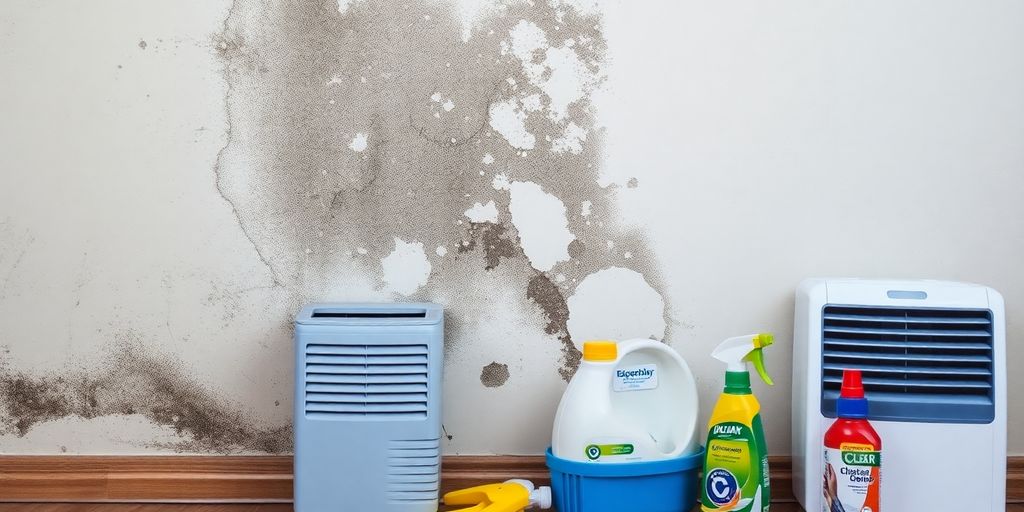
Dealing with minor water and mold issues on your own can be manageable and even satisfying. However, it’s essential to recognize when a problem is beyond a DIY fix and requires professional intervention. Here’s a guide to handling smaller problems yourself.
Safe Mold Removal Practices
When tackling mold, safety is your top priority. Always gear up with protective equipment like gloves, goggles, and a mask to prevent inhaling mold spores. Here’s a step-by-step approach:
- Identify the Mold: Look for visible mold patches, often appearing in damp areas like bathrooms or basements.
- Isolate the Area: Use plastic sheeting to seal off the affected area. This prevents spores from spreading to other parts of your home.
- Clean the Mold: Use a scrub brush and a solution of water and mild detergent. For stubborn areas, a bit of vinegar or baking soda can help.
- Dispose of Contaminated Materials: Bag up any materials you remove, like drywall or carpet, to keep spores contained.
Effective Use of Dehumidifiers
A dehumidifier can be a game-changer in keeping mold at bay. Mold thrives in moist environments, so keeping humidity levels between 30-50% is crucial. Here’s how to make the most of your dehumidifier:
- Placement: Put the dehumidifier in the dampest part of the room. This maximizes its efficiency.
- Regular Maintenance: Empty the water reservoir frequently and clean the filter to ensure optimal performance.
- Monitor Humidity Levels: Use a hygrometer to keep an eye on humidity. Adjust the settings on your dehumidifier as needed.
When to Call a Professional
While DIY methods can be effective for small issues, knowing when to call in a professional is important. If you notice mold in your HVAC system or large patches over 10 square feet, it’s time to reach out for expert help. Professionals have the tools and expertise to handle significant infestations safely.
Sometimes, the peace of mind that comes with professional intervention is worth the cost. Don’t hesitate to seek help if you’re unsure about the extent of the problem.
Remember, handling minor water and mold issues requires patience and attention to detail. With the right approach, you can maintain a healthy home environment. If you’re dealing with more significant water damage, turning off the water supply and contacting restoration specialists can prevent further complications and ensure a thorough cleanup.
The Role of Technology in Restoration and Remediation
Advanced Detection Tools
In the world of water damage restoration, technology is a game changer. Advanced moisture detection tools are at the forefront, helping professionals pinpoint the exact locations of moisture build-up. These tools, like thermal imaging cameras and moisture meters, allow for precise identification of damp areas that might not be visible to the naked eye. This precision not only speeds up the restoration process but also ensures that no hidden moisture pockets are left behind, which could lead to future mold problems. By using these tools, restoration experts can effectively address water damage in homes, ensuring a thorough and efficient process.
Innovative Cleaning Solutions
Once the detection phase is complete, the next step is cleaning, and technology has made this much more efficient. Air scrubbers with HEPA filters are commonly used to clean the air in affected areas, capturing tiny mold particles and preventing them from spreading. This is crucial in creating a virtually dust-free environment. Additionally, specialized cleaning agents and antimicrobial solutions are used to disinfect surfaces, ensuring that any remaining mold spores are eliminated. These innovations in cleaning technology help maintain a safe and healthy home environment.
Monitoring and Maintenance Technologies
After the initial restoration and remediation work, keeping an eye on the situation is key. Monitoring technologies, such as humidity sensors and smart dehumidifiers, help homeowners maintain optimal conditions to prevent future issues. These devices can alert you to changes in humidity levels, allowing for quick action before mold can take hold. By integrating these technologies into your home, you can ensure that your living space remains healthy and mold-free over the long term.
Embracing technology in water restoration and mold remediation not only enhances the effectiveness of these processes but also provides peace of mind. With the right tools and techniques, maintaining a healthy home becomes a more manageable task.
Technology plays a big part in fixing and restoring homes after damage. It helps us clean up faster and better, making sure everything is safe and sound. With tools like special drying machines and smart sensors, we can find problems quickly and fix them right away. If you want to learn more about how we can help you with restoration and remodeling, visit our website today!
Conclusion
Wrapping up, dealing with water damage and mold isn’t just about fixing what’s broken or cleaning up a mess. It’s about making sure your home stays safe and healthy for everyone living in it. Mold can be sneaky, hiding in places you wouldn’t think to look, and it can cause real problems if you let it stick around. So, it’s important to tackle these issues head-on and not wait until they get worse. Whether you’re doing it yourself or calling in the pros, taking action now can save you a lot of trouble down the road. Remember, a little prevention goes a long way in keeping your home mold-free and your family healthy.
Frequently Asked Questions
What is water restoration?
Water restoration is the process of cleaning, drying, and repairing areas affected by water damage to prevent further issues like mold growth.
Why does mold grow in homes?
Mold grows in homes because of moisture, which can come from leaks, high humidity, or flooding. Mold spores thrive in damp environments.
How can mold affect my health?
Mold can cause health problems like allergies, asthma, and other respiratory issues. It can be especially harmful to people with weak immune systems.
What steps are involved in mold remediation?
Mold remediation involves identifying moldy areas, containing and cleaning them, and fixing moisture problems to prevent mold from returning.
Can I remove mold myself?
You can remove small mold patches yourself using proper cleaning methods, but large infestations should be handled by professionals to ensure safety.
How can I prevent mold from growing in my home?
To prevent mold, keep humidity levels low, fix leaks quickly, ensure good ventilation, and clean and dry any wet areas immediately.