
Ever had a pipe burst in the middle of the night? Not fun. Knowing how to turn off your water main can save you from a flood of trouble. It’s one of those things you hope you never need, but when you do, you’ll be glad you learned. This guide will walk you through everything you need to know about finding and turning off your water main in an emergency.
Key Takeaways
- Finding your main water valve is crucial for emergencies.
- Different types of valves require different methods to shut off.
- Turning off the main valve can prevent serious water damage.
- Always check for leaks after shutting off the water.
- Consider calling a plumber if you’re unsure about the process.
Understanding the Importance of Turning Off Your Water Main
Why You Need to Know How to Turn Off Your Water Main
Knowing how to turn off your water main is like having a secret weapon against potential household disasters. Imagine waking up to a flooded basement or a gushing pipe in your kitchen. Being able to quickly shut off the water can save you from massive headaches and costly repairs. It’s not just about avoiding water damage; it’s about peace of mind. In emergencies, every second counts, and knowing where your main shut-off valve is and how to operate it can make all the difference.
Potential Risks of Not Shutting Off the Water Main
Ignoring the importance of your water main can lead to some serious consequences. Here’s what could happen:
- Water Damage: Unchecked water flow can ruin floors, walls, and furniture.
- Mold Growth: Standing water creates a perfect environment for mold, which can be harmful to your health.
- High Water Bills: A leak that goes unnoticed can significantly increase your water bill.
Taking a moment to familiarize yourself with your main water shut-off valve can help you avoid these issues.
Common Scenarios Requiring Water Main Shut Off
There are several situations where you might need to turn off your main water supply:
- Burst Pipes: Especially in winter, pipes can freeze and burst, requiring immediate shut-off.
- Major Leaks: A sudden leak can cause extensive damage if not addressed quickly.
- Plumbing Repairs: Whether you’re fixing a leaky faucet or installing a new appliance, turning off the water is often a necessary first step.
Having the knowledge and ability to turn off your water main is a simple yet powerful way to protect your home from unexpected water-related issues.
Locating Your Main Water Shut-Off Valve
Finding the Valve Outside Your Home
When you’re trying to locate your main water shut-off valve, the first place to check is outside your house. Most homes have a shut-off valve near the street. It’s typically found in a concrete or plastic box buried in the ground. Look for a heavy metal lid or a cement cover labeled "water." If you can’t find it, try searching near the curb or sidewalk. Sometimes, it’s hidden under dirt and grass, so you might need to dig a little. A flashlight can be handy if you’re searching in low light.
Checking the Basement for the Shut-Off Valve
If the outdoor search doesn’t work, head to your basement. In many homes, especially in colder regions, the shut-off valve is located in the basement. Look along the wall facing the street, as this is where the main water line enters your home. The valve is usually within a few feet of where the water line comes in. If you have a water meter, the valve should be nearby. If you spot a large pipe, follow it until you find the valve.
Other Common Locations for Water Shut-Off Valves
If your home is built on a slab or you can’t find the valve in the basement, there are other places to look. Check near the water heater, under the kitchen sink, or in the garage. Some homes have the valve in the laundry room or even in a utility closet. If you’re still having trouble, you might want to consult your property inspection report or contact a professional plumber, like Ruach Home Services, who can help you locate it. Remember, knowing where your shut-off valve is can save you a lot of trouble during a water emergency.
How to Turn Off Your Main Water Valve Safely
Identifying the Type of Valve You Have
First things first, figure out what kind of valve you have. This will help you know exactly what to do when you need to shut off the water. There are mainly two types: gate valves and ball valves. A gate valve looks like a round handle that you turn several times to close. On the other hand, a ball valve has a lever that you just turn 90 degrees.
Steps to Turn Off a Gate Valve
If you’ve got a gate valve, here’s how to turn it off:
- Locate the valve: It’s usually near where the water line enters your house.
- Turn the handle clockwise: Keep turning until it stops. Don’t force it, though.
- Check the water meter: Make sure it’s not moving, so you know the water is off.
Steps to Turn Off a Ball Valve
Ball valves are a bit simpler:
- Find the lever: It’s usually aligned with the pipe when it’s open.
- Turn the lever 90 degrees: This should be perpendicular to the pipe when closed.
- Verify the shut-off: Again, check your water meter to ensure no water is flowing.
Remember, turning off your main water valve is an important skill to have in case of emergencies. It can prevent unnecessary damage and save you from a lot of headaches later on.
Precautions to Take When Turning Off the Water Main
Avoiding Damage to Pipes When Shutting Off Water
When you’re about to shut off the main water valve, it’s crucial to avoid any sudden movements. Turning the valve too quickly can cause a sudden change in water pressure, which might lead to pipe damage. To prevent this, turn the valve slowly and steadily. This gradual approach helps in maintaining the pressure balance and safeguards the pipes from stress.
Ensuring All Household Members Know the Procedure
It’s not just about knowing where the valve is; every household member should be familiar with the process of turning off the water main. In emergencies, time is of the essence, and knowing how to locate the valve quickly can prevent potential water damage. Consider having a family meeting to discuss the procedure, or even create a simple step-by-step guide and post it in a common area like the kitchen.
Using Proper Tools for Valve Operation
Not all valves are easy to turn by hand. For some, especially older ones, you might need a wrench or a meter key. Having the right tool on hand can make a huge difference. Keep these tools in an accessible place, perhaps near the valve itself, so you’re not scrambling to find them when you need to turn off the water quickly. This foresight can save precious minutes in an emergency.
"In the chaos of a water leak, knowing how to properly and safely turn off your water main can be the difference between a minor inconvenience and a major disaster."
What to Do After Shutting Off the Water Main
Checking for Leaks After Shut Off
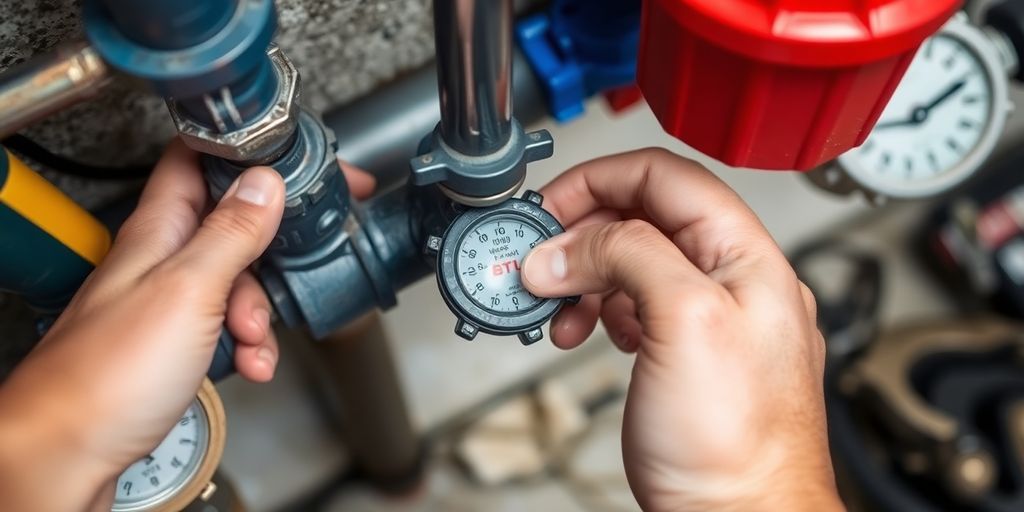
Alright, you’ve turned off the water main. What’s next? First, you want to make sure there are no leaks. Leaks can lead to water damage, and no one wants that. Walk around your home and inspect areas where leaks might occur—like under sinks, around toilets, or near appliances that use water. If you spot any water, it’s time to take action.
- Check the water meter to ensure it’s not running.
- Look for damp spots or puddles around the house.
- Listen for the sound of water running or dripping.
If you suspect a leak, it might be wise to contact Beehive Plumbing for professional help.
Releasing Remaining Water Pressure
Next, you want to release any leftover water pressure in your pipes. This step is crucial to prevent any accidental sprays or bursts when you turn the water back on. Simply open the faucets in your home, starting from the top floor and working your way down. Let the water drain out completely. This will also help clear any debris that might have settled in the pipes.
- Start with the highest faucet and open it fully.
- Work your way down to the lowest faucet in the house.
- Don’t forget to flush the toilets to release pressure in those lines too.
Contacting a Professional Plumber for Repairs
If you turned off the water main because of a plumbing issue, it’s probably time to call in the pros. A qualified plumber can assess the situation and make any necessary repairs. Plus, they can offer advice on preventing future issues. Remember, while DIY fixes are tempting, sometimes professional expertise is the best route to avoid bigger problems down the line.
When it comes to plumbing, it’s always better to be safe than sorry. A small problem now can turn into a big headache later.
Consider reaching out to Beehive Plumbing if you need assistance with repairs or further inspections.
When to Seek Professional Help
Signs You Need a Plumber
Sometimes, it’s just better to call in the pros. You might be dealing with a small leak, but if it keeps coming back, that’s a red flag. Persistent leaks or water stains on your walls are signs that something more serious might be lurking behind the scenes. If your water pressure suddenly drops or you hear strange noises in your pipes, like banging or gurgling, it’s time to get a plumber on the line. These could be signs of a bigger issue, like a blockage or a broken pipe.
Benefits of Professional Plumbing Services
Why struggle on your own when a professional can save you time and hassle? Plumbers bring the right tools and expertise to handle issues quickly and efficiently. They can spot problems that might not be obvious to the untrained eye. Plus, they follow local codes and regulations, ensuring your home stays safe and compliant.
- Expert diagnosis: They can identify the root cause of plumbing issues.
- Proper tools: Equipped with specialized tools, they can handle any job.
- Code compliance: Professionals ensure repairs meet all safety standards.
How to Choose the Right Plumbing Service
Picking a plumber isn’t just about who can get there the fastest. You want someone reliable and skilled. Start by asking for recommendations from friends or family. Check online reviews and ratings to see what others are saying. Make sure they are licensed and insured, which protects you in case something goes wrong.
Here’s a quick checklist:
- Verify their license and insurance.
- Look for positive reviews and testimonials.
- Ask about their experience with similar issues.
When in doubt, it’s always better to consult with a professional. They can help prevent small problems from turning into costly repairs. Monitor your home’s water main for leaks, corrosion, or unusual pressure changes. Early detection and addressing these issues can help prevent expensive repairs and water damage.
Preventive Measures to Avoid Water Emergencies
Regular Maintenance of Plumbing Systems
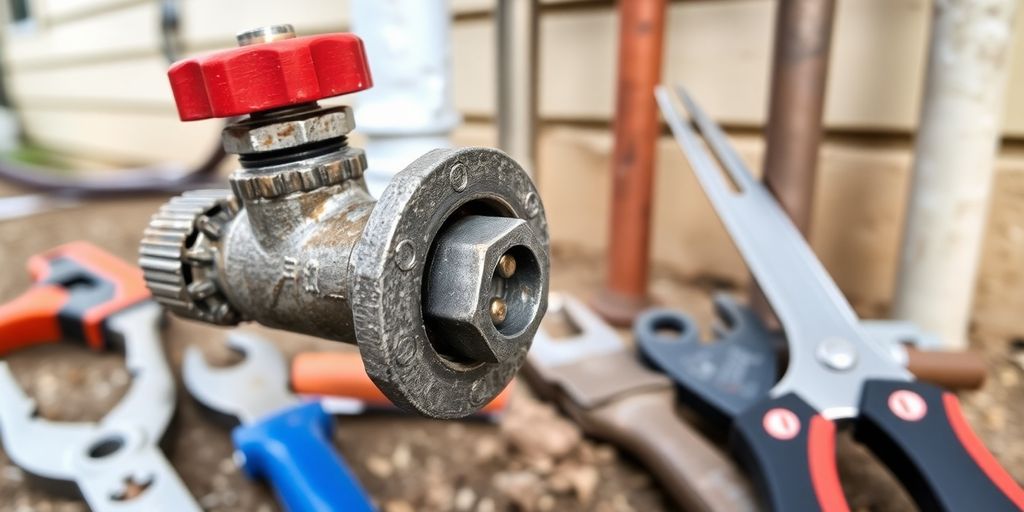
Keeping up with regular plumbing maintenance is like giving your house a check-up. It’s not just about fixing leaks when they pop up, but also about catching potential problems before they turn into disasters. Routine inspections can help you spot small issues, like worn-out washers or minor leaks, that could lead to bigger problems down the line. Make it a habit to:
- Check for visible leaks under sinks and around appliances.
- Inspect pipes for signs of corrosion or damage.
- Test water pressure to ensure it’s within safe limits.
Installing Secondary Shut-Off Valves
Having secondary shut-off valves installed in key areas of your home can be a game-changer during an emergency. These valves allow you to isolate specific sections of your plumbing system, which means you don’t have to shut down water to the entire house if there’s a leak. Consider adding these valves to:
- Bathrooms
- Kitchens
- Laundry rooms
This setup can help you manage issues more efficiently, minimizing water wastage and potential damage.
Insulating Pipes to Prevent Freezing
Winter can be harsh on your plumbing, especially if you live in a colder climate. Insulating your pipes is a simple yet effective way to prevent them from freezing and bursting. Focus on areas where pipes are most exposed to cold, like:
- Basements
- Attics
- Exterior walls
Using foam sleeves or heat tape can help keep your pipes warm and safe from the chill.
Taking these preventive steps not only safeguards your home from unexpected water disasters but also gives you peace of mind knowing you’re prepared for whatever nature throws your way.
Also, don’t forget about your emergency water supply. Labeling and storing water properly ensures you have safe drinking water when you need it most.
To keep water emergencies at bay, it’s important to take some simple steps. Regularly check your plumbing for leaks, and make sure your gutters are clear of debris. If you live in a flood-prone area, consider investing in sandbags or a sump pump. Don’t wait for a disaster to happen—visit our website for more tips on staying safe and prepared!
Wrapping It Up
So, there you have it. Knowing how to turn off your water main is like having a secret weapon against plumbing disasters. It’s not rocket science, but it can save you a ton of headaches and cash. Next time a pipe bursts or you’re heading out of town, you’ll be ready. Just remember where that valve is and how to use it. And if you’re ever in doubt, don’t hesitate to call in a pro. Better safe than sorry, right? Keep this guide handy, and you’ll be the hero of your own home in no time.
Frequently Asked Questions
Why is it important to know how to turn off my water main?
Knowing how to turn off your water main can help you quickly stop water flow during emergencies like leaks or burst pipes, preventing further damage to your home.
Where can I find my main water shut-off valve?
Your main water shut-off valve is usually located near your water meter, either outside your home or in the basement. It might also be near the water heater or under the kitchen sink.
What tools do I need to turn off the water main?
You might need a water meter key or a curb stop key to open the meter box and turn the valve. These tools can be found at hardware stores.
Can turning off the water main cause any problems?
Turning off the water main is generally safe, but it should be done carefully to avoid putting stress on the pipes. Turn the valve slowly to manage water pressure.
When should I turn off the main water valve?
You should turn off the main water valve if there’s a leak or you’re leaving the house for a long time, especially in cold weather to prevent pipe bursts.
What should I do after turning off the water main?
After shutting off the water main, check for any leaks, release the remaining water pressure by running faucets, and consider calling a plumber for repairs.