
Owning a home is exciting, but it comes with a lot of responsibilities. This guide aims to help homeowners, especially beginners, learn the basics of home repair. From understanding the tools you need to tackling simple projects, this article will give you the confidence to handle repairs and improvements around your home.
Key Takeaways
- Know the essential tools for home repair to get started on your projects.
- Always prioritize safety by following basic precautions while working.
- Learn how to handle simple plumbing and electrical fixes yourself.
- Routine maintenance can save you money and keep your home in good shape.
- Tackle DIY projects in specific rooms to make your home feel more personal.
Understanding the Basics of At Home Repair
When it comes to home repair, having the right knowledge and tools is essential. Understanding the basics can save you time and money. Here are some key areas to focus on:
Essential Tools Every Homeowner Needs
- Hammer: For driving nails and making minor repairs.
- Screwdriver Set: A variety of sizes for different screws.
- Measuring Tape: To ensure accurate measurements.
- Pliers: Useful for gripping and twisting.
- Utility Knife: Great for cutting various materials.
Basic Safety Precautions
- Always wear safety goggles when working with tools.
- Keep a first aid kit nearby in case of minor injuries.
- Ensure your workspace is well-lit and free of clutter.
Common Materials and Their Uses
| Material | Use |
|---|---|
| Wood | Building and repairs |
| Drywall | Wall construction and repairs |
| Paint | Finishing and decorating |
| Caulk | Sealing gaps and cracks |
| Insulation | Energy efficiency and comfort |
Being a homeowner means taking on responsibilities, but with the right skills, you can handle many repairs yourself. Remember, home maintenance for dummies cheat sheet can help you stay organized and on top of your tasks!
DIY Projects for Beginners
Simple Plumbing Fixes
Plumbing issues can be daunting, but many are simple to fix. Here are a few common tasks:
- Unclogging a drain: Use a plunger or a drain snake.
- Fixing a leaky faucet: Replace washers or O-rings.
- Toilet repairs: Adjust the float or replace the flapper.
Easy Electrical Repairs
Electrical work can be tricky, but some tasks are manageable:
- Changing a light bulb: Always turn off the power first.
- Replacing a switch: Make sure to disconnect the power before starting.
- Installing a new outlet: Follow safety guidelines and ensure proper wiring.
Basic Carpentry Skills
Carpentry is a valuable skill for any homeowner. Start with these basics:
- Measuring and cutting wood: Use a tape measure and a saw.
- Joining wood: Learn to use screws, nails, or wood glue.
- Building simple shelves: A great beginner project to practice your skills.
Painting and Wallpapering Tips
A fresh coat of paint can transform a room. Here’s how to get started:
- Prep the area: Move furniture and cover floors.
- Choose the right paint: Consider finish and color.
- Apply evenly: Use a roller for walls and a brush for edges.
Remember, practice makes perfect! The more you work on these projects, the more confident you’ll become in your DIY skills. Don’t hesitate to seek help or watch tutorials if you’re unsure about a task.
With these beginner projects, you can tackle many common home repairs and improvements. Whether it’s fixing a leaky faucet or painting a room, you’ll gain valuable skills and confidence in your abilities. DIY projects not only save money but also give you a sense of accomplishment.
Maintaining and Upgrading Your Home
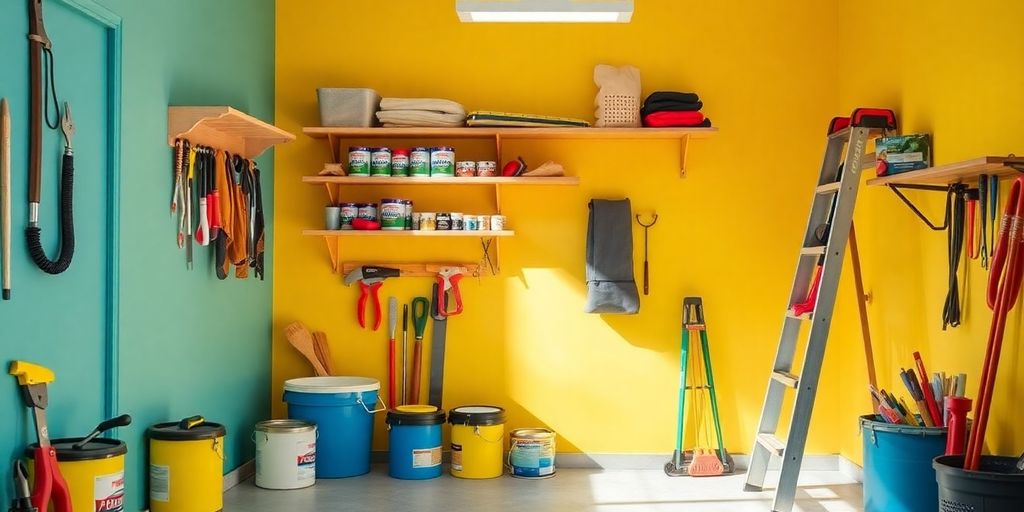
Keeping your home in good shape is important for comfort and safety. Here are some essential tasks to help you maintain and upgrade your home effectively.
Routine Maintenance Tasks
- Inspect your roof regularly for any missing or damaged shingles. This helps prevent leaks and water damage.
- Clean your gutters at least twice a year to avoid clogs that can lead to serious issues.
- Check your HVAC system and change air filters to ensure it runs efficiently.
Energy-Efficient Upgrades
Making your home more energy-efficient can save you money in the long run. Consider these upgrades:
- Install energy-efficient windows to reduce heating and cooling costs.
- Upgrade to LED lighting for better energy savings.
- Add insulation to your attic to keep your home warm in winter and cool in summer.
Improving Home Security
Enhancing your home’s security is crucial for peace of mind. Here are some tips:
- Install a security system with cameras and alarms.
- Ensure all doors and windows have sturdy locks.
- Consider motion-sensor lights around your property.
Remember, regular maintenance not only keeps your home looking good but also prevents costly repairs down the line.
By following these tips, you can keep your home safe, comfortable, and inviting. Don’t forget to explore low-cost home improvement upgrades to spruce up your home without breaking the bank!
Room-Specific Repair Tips
Kitchen Repairs and Upgrades
In the kitchen, small fixes can make a big difference. Here are some common repairs:
- Leaky faucets: Check for worn washers or O-rings.
- Cabinet doors: Tighten loose hinges or replace them if broken.
- Appliance issues: Ensure cords are intact and outlets are functional.
Bathroom Fixes and Improvements
The bathroom often needs attention. Here are some tips:
- Toilet leaks: Look for water around the base or a running toilet.
- Showerheads: Clean mineral buildup with vinegar.
- Sink clogs: Use a plunger or a drain snake to clear blockages.
Keeping your bathroom in good shape is essential for comfort and hygiene.
Living Room Enhancements
Enhancing your living room can be simple. Consider these ideas:
- Wall repairs: Patch holes with spackle and repaint.
- Furniture arrangement: Rearrange for better flow and space.
- Lighting upgrades: Replace old bulbs with energy-efficient options.
By focusing on these areas, you can maintain a comfortable and inviting home. Remember, regular upkeep prevents larger issues down the line!
Outdoor Home Repair and Improvement
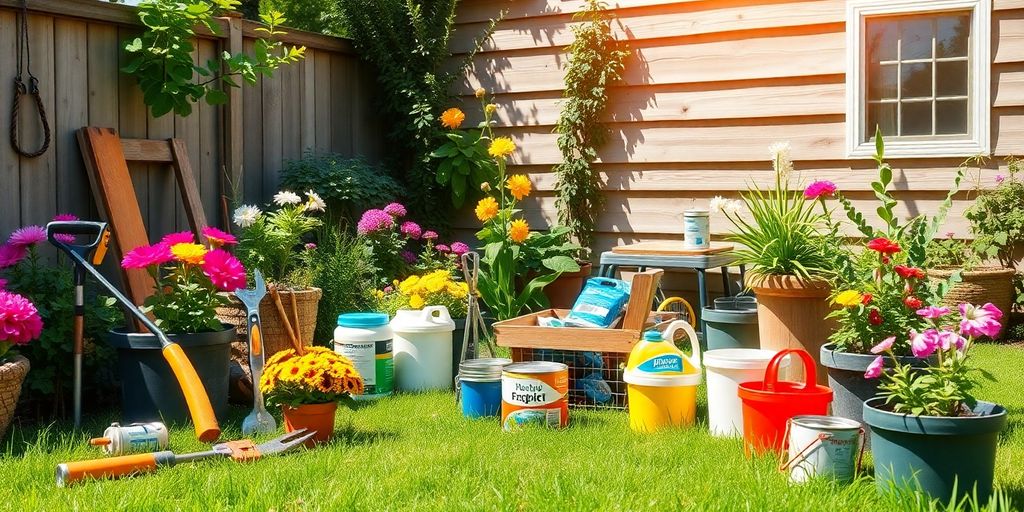
Garden and Yard Projects
Taking care of your garden and yard can make your home more inviting. Here are some projects you can try:
- Plant seasonal flowers to add color.
- Create a vegetable garden for fresh produce.
- Install a bird feeder to attract wildlife.
Exterior Wall and Fence Repairs
Maintaining your home’s exterior is crucial. Here are some tips:
- Check for cracks in the walls and fill them.
- Repaint or stain your fence to protect it from the weather.
- Replace any broken fence boards to keep your yard secure.
Roof and Gutter Maintenance
Regular maintenance of your roof and gutters can prevent bigger problems later. Follow these steps:
- Clean your gutters at least twice a year to avoid clogs.
- Inspect your roof for missing or damaged shingles.
- Trim overhanging branches to prevent damage during storms.
Keeping your outdoor spaces in good shape not only enhances your home’s appearance but also protects your investment. Regular upkeep is key to avoiding costly repairs down the line.
Troubleshooting Common Household Issues
When it comes to home repairs, knowing how to troubleshoot common problems can save you time and money. Here are some key areas to focus on:
Identifying Plumbing Problems
- Look for signs of leaks: Check for damp spots on walls or ceilings, and keep an eye on your water bill for any sudden increases.
- Inspect your faucets and toilets for drips or running water. A simple fix can often save you from bigger issues later.
- If you notice a clogged drain, try using a plunger or a drain snake before calling a plumber.
Electrical Troubleshooting
- Check your circuit breakers: If lights flicker or outlets stop working, it might be a tripped breaker. Reset it and see if that solves the issue.
- Look for any exposed wires or damaged outlets. If you find any, it’s best to call a professional to avoid safety hazards.
- For minor issues, like a burnt-out light bulb, replace it with a new one to see if that resolves the problem.
Fixing Structural Issues
- Inspect for cracks: Look for cracks in walls or ceilings, which can indicate settling or water damage. Small cracks can often be filled with caulk or spackle.
- Check your doors and windows to ensure they open and close properly. If they stick, it might be a sign of structural shifting.
- If you notice any significant damage, such as sagging floors or walls, it’s crucial to consult a professional immediately.
Remember, addressing issues as they arise can prevent them from becoming larger, more expensive problems. Stay proactive in your home maintenance to keep everything running smoothly!
If you’re facing common household problems, don’t hesitate to reach out for help! Our team at Ruach Home Services is ready to assist you with everything from water damage restoration to remodeling. Visit our website today to learn more and schedule your appointment!
Wrapping Up Your DIY Journey
In conclusion, taking on home repairs can be a fun and rewarding experience. With the right tools and knowledge, you can fix many issues around your house without needing to hire someone. Remember, every small project you complete builds your skills and confidence. Don’t be afraid to try new things and make mistakes; that’s how you learn! So gather your tools, follow the steps, and enjoy making your home a better place. Happy DIYing!
Frequently Asked Questions
What basic tools do I need for home repairs?
You will need some essential tools like a hammer, screwdriver, pliers, and a tape measure. These will help you with many simple repairs.
How can I stay safe while doing repairs?
Always wear safety goggles and gloves, and make sure to read instructions carefully. If you’re using power tools, be extra cautious.
What are some easy DIY projects for beginners?
You can start with painting a room, fixing leaky faucets, or building simple shelves. These are all great projects to practice your skills.
How can I maintain my home to avoid big repairs?
Regularly check for leaks, clean gutters, and change air filters. Keeping up with these tasks can prevent larger problems later.
When should I call a professional for help?
If a repair seems too complicated or dangerous, or if you’re unsure how to fix something, it’s best to call a professional.
Can I upgrade my home on a budget?
Yes! You can make upgrades like painting, adding new fixtures, or landscaping without spending a lot. Look for DIY options to save money.