
Mold can be a serious problem in homes, especially after water damage. It grows quickly and can cause health issues if not handled properly. This guide will walk you through the steps to clean up mold safely and effectively, ensuring your home remains healthy and safe for everyone.
Key Takeaways
- Mold thrives in damp areas, so it’s important to fix leaks and moisture problems quickly.
- Always wear protective gear, like gloves and masks, when cleaning up mold to stay safe.
- Use simple household items like vinegar or baking soda to clean small mold patches.
- Keep your home well-ventilated and control humidity to prevent mold from coming back.
- If the mold covers a large area or you have health concerns, don’t hesitate to call a professional for help.
Understanding Mold Growth After Water Damage
Mold can grow quickly after water damage, making it important to understand how it happens. Mold thrives in damp environments, especially when there is moisture from leaks or flooding. Here are some common causes of mold growth:
- Excess moisture from water leaks or flooding.
- High humidity levels in the air.
- Poor ventilation in areas like basements and bathrooms.
Causes of Mold Growth
Mold spores are everywhere, but they need the right conditions to grow. The main causes include:
- Water damage from leaks or flooding.
- Humidity levels above 60%.
- Lack of airflow in your home.
Health Risks Associated with Mold
Mold can cause various health problems, especially for people with allergies or asthma. Some health risks include:
- Respiratory issues like coughing and sneezing.
- Skin irritation and rashes.
- Headaches and fatigue.
Identifying Mold in Your Home
To keep your home safe, it’s important to know how to spot mold. Look for:
- Visible mold on walls, ceilings, or floors.
- A musty smell in certain areas.
- Water stains or discoloration on surfaces.
Remember, if you see mold, it’s crucial to act quickly. Preventing mold growth is essential for a healthy home. If you need help, consider contacting a professional service like Ruach Home Services, which specializes in water damage restoration and can assist with thorough assessments and cleanup.
Initial Steps to Take When You Discover Mold
When you find mold in your home, it’s important to act quickly. The first thing you should do is identify the source of the moisture. Here are some steps to follow:
- Assess the Extent of Mold Damage: Check how much area is affected. Look for mold on walls, ceilings, and floors.
- Safety Precautions Before Cleanup: Wear gloves, a mask, and goggles to protect yourself from mold spores.
- When to Call a Professional: If the mold covers a large area or if you have health issues, it’s best to get help from experts.
| Step | Action |
|---|---|
| 1 | Find the source and stop the water |
| 2 | Safety first |
| 3 | Document the damage for insurance |
| 4 | Begin the drying process |
| 5 | Check for hidden mold |
Taking these initial steps can help prevent further damage and keep your home safe.
Remember, mold can grow quickly, so don’t delay in taking action!
Effective Methods for Cleaning Up Mold from Water Damage
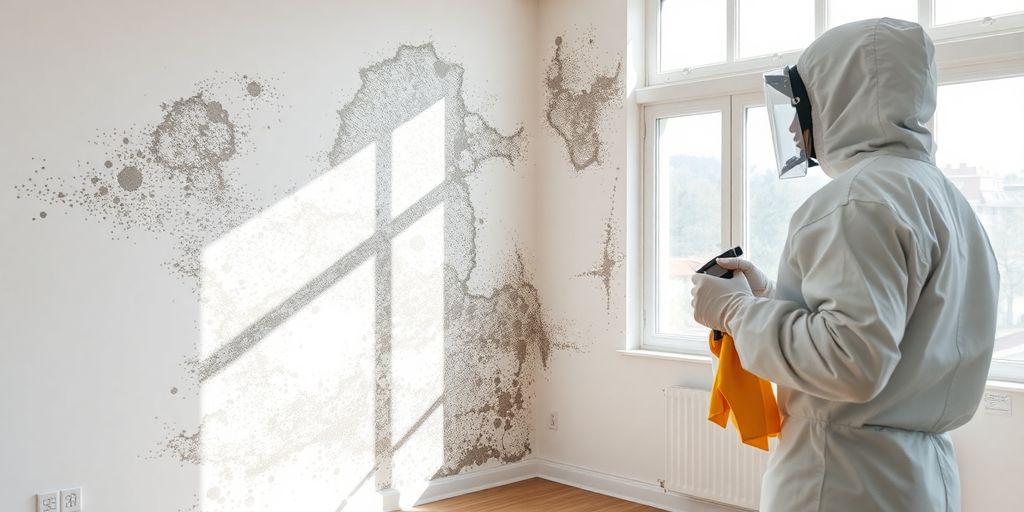
Using Household Cleaning Solutions
When dealing with mold, many people turn to common household items. Baking soda is a great option. You can mix one-quarter of a tablespoon of baking soda with water in a spray bottle. Spray the solution on the mold, scrub it off, and then rinse with water. This method is effective and safe for most surfaces.
Commercial Mold Removal Products
If household solutions aren’t enough, consider using commercial mold removal products. These are specifically designed to tackle mold and can be very effective. Here are some tips for using them:
- Always read the label for instructions.
- Wear protective gear like gloves and masks.
- Ensure the area is well-ventilated while using these products.
Natural Remedies for Mold Removal
For those who prefer natural options, there are several remedies you can try:
- Vinegar: Spray undiluted vinegar on the mold and let it sit for an hour before wiping it away.
- Tea tree oil: Mix a teaspoon of tea tree oil with a cup of water in a spray bottle. Spray it on the mold and do not rinse.
- Hydrogen peroxide: Use a 3% solution to spray on the mold, let it sit for 10 minutes, then scrub and rinse.
Keeping your home mold-free is essential for health and safety. Regular cleaning and monitoring can help prevent mold from returning.
Preventing Mold Recurrence After Cleanup
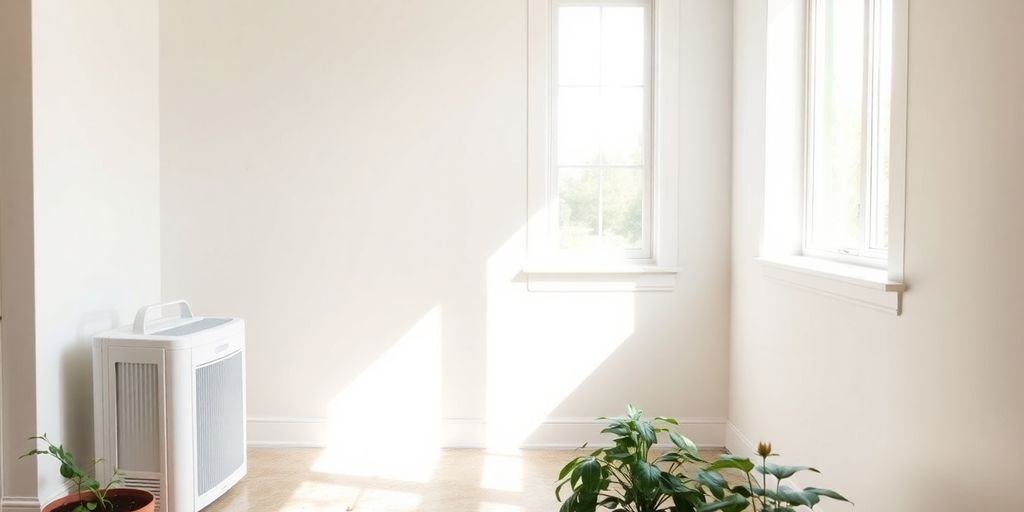
After you have cleaned up mold, it’s important to take steps to prevent it from coming back. Keeping your home dry and well-ventilated is key. Here are some effective strategies:
Ensuring Proper Ventilation
- Open windows and doors when weather permits to allow fresh air in.
- Use exhaust fans in kitchens and bathrooms to remove moisture.
- Consider installing vents in areas prone to dampness.
Controlling Indoor Humidity Levels
- Keep indoor humidity below 50% by using dehumidifiers.
- Regularly check humidity levels with a hygrometer.
- Fix any leaks in pipes or roofs to prevent water accumulation.
Regular Home Inspections
- Inspect your home for signs of water damage at least once a month.
- Look for discoloration on walls or ceilings, which may indicate mold.
- Pay attention to musty odors, as they can signal hidden mold growth.
Taking these steps can help you maintain a mold-free environment. If you notice persistent mold issues, it may be time to consider professional mold remediation services to ensure thorough treatment and prevention.
When to Seek Professional Mold Remediation Services
Signs You Need Professional Help
If you notice any of the following signs, it may be time to call in the experts:
- Persistent musty odor in your home
- Visible mold spots and discoloration
- Recent water damage or flooding
- Mold growth that keeps coming back
- Large areas of mold (greater than 10 square feet)
Choosing a Qualified Mold Remediation Company
When selecting a mold remediation service, consider these factors:
- Check for proper licenses and certifications.
- Read reviews and ask for references.
- Get multiple quotes to compare services and prices.
Understanding the Remediation Process
The mold remediation process typically includes:
- Assessment of the affected area
- Containment of the mold to prevent spread
- Removal of mold and contaminated materials
- Cleaning and sanitizing the area
- Repairing any water damage
Remember, addressing mold issues quickly is crucial for your health and safety.
Maintaining a Mold-Free Home Environment
Keeping your home free from mold is essential for a healthy living space. Here are some effective strategies to help you maintain a mold-free environment:
Routine Cleaning Practices
- Regularly clean bathrooms and kitchens to prevent mold growth in damp areas.
- Use a mixture of water and vinegar to wipe down surfaces that are prone to mold.
- Wash bedding and towels frequently, especially if they get damp.
Monitoring for Signs of Water Damage
- Check for leaks in pipes, roofs, and walls regularly.
- Look for water stains or discoloration on ceilings and walls.
- Pay attention to musty odors, which can indicate hidden mold.
Educating Household Members on Mold Prevention
- Teach everyone in your home about the importance of ventilation.
- Encourage family members to report any signs of moisture or mold immediately.
- Share tips on how to keep areas dry, like using exhaust fans when cooking or showering.
A little effort goes a long way in preventing mold. Regular checks and cleaning can save you from bigger problems later on.
By following these steps, you can create a safer and healthier home environment for you and your family. Remember, mold prevention is about being proactive and aware of your surroundings!
Keeping your home free from mold is essential for a healthy living space. Regularly check for damp areas, fix leaks, and ensure proper ventilation. If you suspect mold, don’t wait! Visit our website for expert help and tips on how to maintain a mold-free home. Your health and comfort matter!
Conclusion
Cleaning up mold after water damage is really important for keeping your home safe and healthy. By following the steps we talked about, like finding the source of the water, drying everything out, and using the right cleaning products, you can get rid of mold effectively. Remember, safety comes first, so always wear protective gear and ventilate the area well. If the mold is too much to handle, don’t hesitate to call in professionals. Taking care of mold quickly can help prevent bigger problems later on, ensuring your home stays a safe place for you and your family.
Frequently Asked Questions
What causes mold to grow after water damage?
Mold can grow when there is moisture from water damage. Things like leaks, flooding, or high humidity can create the perfect environment for mold to thrive.
How can I tell if mold is harmful to my health?
If you notice symptoms like sneezing, coughing, or itchy eyes when you are at home, it might be due to mold. Some people are more sensitive, so it’s important to pay attention to how you feel.
What should I do first if I find mold in my house?
First, try to figure out how much mold there is. Make sure to wear gloves and a mask for safety. If it’s a lot, you might need to call a professional.
Are there safe ways to clean mold myself?
Yes, you can use things like vinegar or baking soda to clean small areas of mold. Just make sure to wear protective gear and ventilate the area well.
How can I stop mold from coming back after I clean it?
To prevent mold from returning, keep your home well-ventilated, control humidity levels, and check for leaks regularly.
When should I hire a mold removal expert?
If the mold covers a large area or if you feel sick, it’s best to hire a professional. They have the right tools and knowledge to handle serious mold problems.