
Ever had that sinking feeling when you spot a water stain on your ceiling or a charred mark on your wall? It’s not just a blemish; it’s a sign your home might be crying out for some serious TLC. Home remediation services are like the unsung heroes swooping in to save the day. Whether it’s water sneaking in or fire leaving its mark, these services help restore your home to its former glory. Let’s dive into what makes these services essential and how they can protect your home from the unexpected.
Key Takeaways
- Home remediation services tackle both water and fire damage to restore your home.
- Early detection of water damage can save you from costly repairs.
- Professional services often offer a more thorough restoration than DIY efforts.
- Fire damage restoration involves assessing and repairing structural damage.
- Insurance can play a crucial role in covering remediation costs.
Understanding Home Remediation Services
What Are Home Remediation Services?
Home remediation services are like the unsung heroes of property care. They step in when your home faces damage, whether from water, fire, or even mold. These services include everything from assessing the damage to restoring your home back to its original state. Think of them as your home’s first responders, ready to tackle any disaster. Whether it’s a burst pipe or a kitchen fire, these professionals have the skills and tools to handle it all.
Key Benefits of Professional Remediation
Hiring professionals for remediation isn’t just about convenience; it’s about ensuring the job is done right. Here are some perks:
- Expertise and Experience: Professionals bring years of experience and knowledge, ensuring effective solutions.
- Proper Equipment: They have access to specialized tools and equipment that most homeowners don’t.
- Time-Saving: With their expertise, they can complete the job much faster than a DIY attempt.
- Safety: Dealing with water and fire damage can be hazardous. Professionals know how to handle these situations safely.
Common Misconceptions About Remediation
There’s a lot of misinformation floating around about home remediation. Let’s clear up a few myths:
- It’s Cheaper to DIY: While it might seem cheaper upfront, DIY remediation can lead to bigger problems and expenses down the line.
- Any Contractor Can Do It: Not all contractors specialize in remediation. It’s crucial to hire those with specific experience in this field.
- Remediation Isn’t Necessary for Minor Damage: Even small issues can escalate if not addressed properly. Professional remediation can prevent future headaches.
In the world of home care, remediation services are your best defense against disaster. They not only fix the problem but also ensure your home stays safe and sound for years to come.
Water Damage Restoration Essentials
Identifying Water Damage Early
Catching water damage in its early stages can save you a lot of headaches and money. Look for signs like discoloration on walls or ceilings, a musty smell, or sudden spikes in your water bill. These could all be indicators of a leak or water intrusion. Acting quickly can prevent more severe damage and costly repairs down the line.
Steps to Effective Water Damage Restoration
Restoration isn’t just about drying things out. It’s a process that involves several steps:
- Stop the Water Source: First things first, stop the water from causing more damage.
- Water Removal: Use pumps and vacuums to remove standing water.
- Drying and Dehumidification: This step is crucial to prevent mold growth. Industrial fans and dehumidifiers are often used.
- Cleaning and Disinfecting: Effective water damage restoration involves thorough cleaning and disinfecting. Use disinfectants on hard surfaces and ensure floors and walls are properly cleaned.
- Restoration: Finally, repair or replace any damaged materials like drywall or flooring.
Choosing the Right Water Damage Restoration Service
Picking the right service can make all the difference. Look for companies with good reviews and the right certifications. They should offer a clear plan and estimate for the work. Ask about their experience with similar situations and what kind of equipment they use. A good service will walk you through the process and keep you informed every step of the way.
"When dealing with water damage, time is your enemy. The sooner you act, the less damage you’ll have to deal with."
Fire Damage Restoration: What You Need to Know
Assessing Fire Damage
Before diving into repairs, you have to understand what you’re dealing with. Fire damage isn’t just about what’s burned. There’s smoke, soot, and even water damage from firefighting efforts. Start by checking each room, noting down visible damage, and don’t forget to take photos. This documentation is crucial when working with insurance claims. You might notice some areas are more affected by soot, which can cling to walls and ceilings, leaving a sticky residue.
The Fire Damage Restoration Process
Restoring your home after a fire is a multi-step process. Here’s a quick rundown:
- Safety First: Make sure the structure is safe to enter. Look for weakened floors or ceilings.
- Water Removal: If water was used to extinguish the fire, remove it quickly to prevent mold.
- Smoke and Soot Cleanup: Use specialized cleaning agents to remove soot from surfaces.
- Odor Elimination: Deodorize the house to get rid of lingering smoke smells.
- Structural Repairs: Fix any damaged areas, whether it’s replacing drywall or repainting walls.
Professional help can make this process smoother. Ruach Home Services offers comprehensive fire damage restoration, ensuring your home is returned to its pre-fire condition.
Preventing Future Fire Damage
Once your home is back in shape, it’s time to think about prevention. Here are some tips:
- Install Smoke Alarms: Place them in every bedroom and on each floor.
- Check Electrical Systems: Faulty wiring is a common cause of fires.
- Create a Fire Escape Plan: Make sure everyone in your home knows what to do in case of a fire.
Fire damage can be overwhelming, but taking the right steps early on can help you get your home back to normal faster. Remember, prevention is key to avoiding future incidents. Regular maintenance and safety checks go a long way in protecting your home.
The Role of Mold Prevention in Home Remediation
Why Mold Prevention is Crucial
Mold isn’t just an eyesore; it’s a serious threat to your home’s integrity and your health. Unchecked mold can spread rapidly, causing structural damage and potentially leading to health issues like allergies and respiratory problems. It’s not just about cleaning; it’s about preventing it from ever taking hold. Mold thrives in damp, dark places, so keeping these areas dry and well-ventilated is key.
Techniques for Mold Prevention
Preventing mold involves a few straightforward steps:
- Control Humidity Levels: Keep indoor humidity below 60%. Use dehumidifiers in damp areas like basements.
- Ensure Proper Ventilation: Make sure bathrooms, kitchens, and laundry areas are well-ventilated to prevent moisture buildup.
- Fix Leaks Promptly: Address any leaks in roofs, windows, or pipes immediately to prevent moisture accumulation.
Professional mold remediation services often start with a thorough inspection to identify potential problem areas. Professional mold remediation services use specialized tools to assess and develop a remediation plan tailored to your home’s needs.
Signs of Mold Infestation
Early detection is vital. Look out for these signs:
- Musty odors in certain areas of your home.
- Discoloration or water stains on walls or ceilings.
- Visible mold growth, which can appear as black, green, or white patches.
Mold can grow within 24 to 48 hours under the right conditions, so quick action is critical. If you suspect mold, don’t wait to address it. Proactive steps can save you a lot of hassle and expense down the line.
By staying vigilant and taking preventive measures, you can protect your home and health from the dangers of mold.
Insurance and Home Remediation Services
Understanding Your Insurance Policy
Navigating the ins and outs of your insurance policy can feel like trying to read a novel in a language you barely understand. Yet, it’s vital to know what your policy covers, especially when it comes to water and fire damage. Most homeowners’ policies cover sudden and accidental damage, like a burst pipe or a kitchen fire, but they might not cover gradual damage, such as a slow leak. Understanding these details can save you a lot of hassle and unexpected expenses.
Filing a Claim for Water or Fire Damage
When disaster strikes, and your home is hit by water damage, knowing how to file a claim is crucial. Start by documenting everything: take photos, make lists of damaged items, and keep receipts for any immediate repairs. Contact your insurance company as soon as possible, and they’ll guide you through the process. Be prepared to provide detailed information and possibly meet with an adjuster to assess the damage.
Working with Insurance Adjusters
Insurance adjusters are the folks who assess the damage and determine how much the insurance company will pay. They can be your best friend or your biggest headache. When working with adjusters, be honest and thorough in your descriptions. It’s helpful to have all your documentation ready, including photos and lists of damaged items. Remember, they’re there to evaluate your claim, so clear communication is key.
Filing an insurance claim can be daunting, but with the right preparation and understanding of your policy, it becomes a manageable task. Always keep your documentation organized and don’t hesitate to ask questions if something isn’t clear.
DIY vs. Professional Home Remediation
Pros and Cons of DIY Remediation
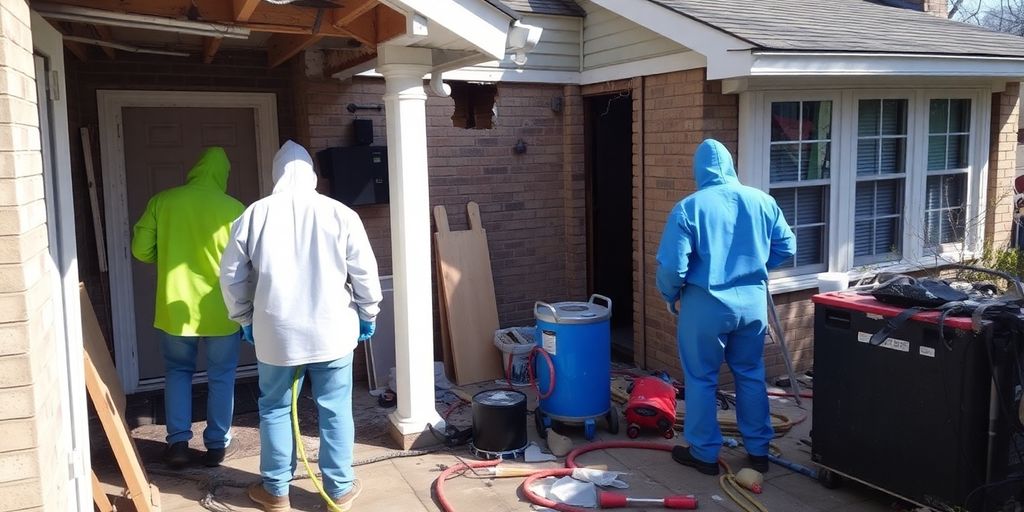
Taking on home remediation tasks yourself can be tempting. You might think, "How hard can it be?" But, there’s more to it than meets the eye. DIY remediation can save you money upfront, but it comes with its own set of challenges. Here are a few things to consider:
- Cost Savings: Doing it yourself can be cheaper initially, especially if you already have some tools.
- Control and Flexibility: You can work on your own schedule and make decisions without waiting.
- Learning Experience: You might pick up some handy skills along the way.
However, DIY isn’t always the best route:
- Time-Consuming: Without the right equipment, tasks can take much longer.
- Potential for Mistakes: Lack of expertise can lead to errors that may cost more to fix later.
- Health and Safety Risks: Handling mold or structural repairs without proper gear can be dangerous.
When to Call a Professional
Sometimes, it’s best to leave it to the experts. If you’re dealing with extensive damage or hazardous materials, professional help is crucial. Here are signs you should call in the pros:
- Severe Water Damage: If you’re dealing with serious water issues, it’s time to bring in the experts.
- Fire or Smoke Damage: Fire damage restoration involves complex processes that are best handled by professionals.
- Mold Infestation: Mold can be tricky and hazardous to remove on your own.
Cost Comparison: DIY vs. Professional
To make an informed decision, consider the cost implications of both approaches. Here’s a basic comparison:
| Aspect | DIY Cost Estimate | Professional Cost Estimate |
|---|---|---|
| Tools and Equipment | $100 – $500 | Included in service |
| Time Investment | High | Low |
| Risk of Errors | High | Low |
| Long-term Effectiveness | Variable | High |
In the end, weighing the pros and cons of DIY versus professional remediation is essential. While DIY might seem appealing, the expertise and efficiency of professionals can often save you time, stress, and money in the long run.
Maintaining Your Home Post-Remediation
Regular Home Inspections
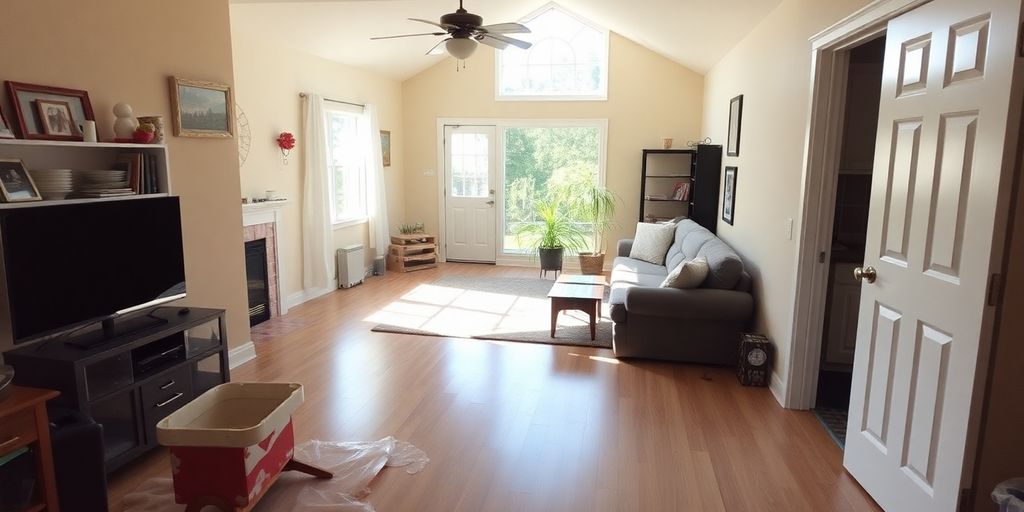
After you’ve gone through the whole remediation process, your home might look and feel like new. But don’t let that fool you into thinking you’re off the hook. Regular home inspections are a must. Catch issues early before they turn into big problems. You might want to schedule checks for plumbing leaks, roof damages, and any signs of mold or mildew.
- Plumbing Inspections: Check for leaks in pipes and faucets.
- Roof Checks: Look for missing shingles or tiles.
- Mold Signs: Watch out for any musty odors or visible mold.
Preventative Measures for Water and Fire Damage
Prevention is your best friend when it comes to maintaining your home. Simple steps can make a big difference in keeping water and fire damage at bay.
- Install Smoke Detectors: Make sure they’re in working order and replace batteries regularly.
- Clean Gutters: Keep them free from leaves and debris to prevent water overflow.
- Regular Maintenance: Service your heating and electrical systems to avoid malfunctions.
Long-term Benefits of Professional Remediation
Opting for professional remediation services has its perks. Not only do they handle the heavy lifting, but they also bring peace of mind. With their expertise, you can rest easy knowing your home is in good hands. Plus, they often provide warranties for their work, giving you a safety net if issues arise later.
Investing in professional remediation isn’t just about fixing problems—it’s about securing your home’s future. You’ll find that the cost of hiring experts pays off in the long run, as they ensure your home remains safe and sound.
Taking these steps seriously will help maintain your home in top shape and reduce the chances of future issues.
After dealing with any damage in your home, it’s important to keep things in good shape. Regular checks and maintenance can help prevent future problems. If you need help with repairs or remodeling, visit our website for expert services that can make your home safe and beautiful again!
Conclusion
So, there you have it. Keeping your home safe from water and fire damage isn’t just about luck—it’s about being prepared and knowing what steps to take. Whether it’s a leaky pipe or a small kitchen fire, acting quickly can save you a lot of headaches down the road. Remember, sometimes it’s best to call in the pros, especially when things get out of hand. They have the tools and know-how to get your home back to normal. Stay vigilant, keep an eye out for potential problems, and don’t hesitate to seek help when you need it. Your home is your sanctuary, and with the right care, it can stay that way.
Frequently Asked Questions
What is home remediation?
Home remediation involves fixing problems like water or fire damage in a house to make it safe and comfortable again.
Why should I hire professionals for water damage?
Professionals have the right tools and skills to fix water damage quickly and prevent mold and other issues.
How can I spot water damage early?
Look for signs like water stains on walls or ceilings, musty smells, or peeling paint.
What happens during fire damage restoration?
Fire damage restoration includes cleaning up smoke and soot, fixing damaged areas, and removing any water used to put out the fire.
Is mold prevention important after water damage?
Yes, mold can grow quickly after water damage, so preventing it is crucial to keep your home healthy.
How do I work with my insurance for damage claims?
You should document all damages with photos and notes, then contact your insurance company to file a claim and work with adjusters.