
Dealing with water damage in your home can feel like a huge task. Whether it’s from a busted pipe or a surprise storm, the mess it leaves behind is no joke. But don’t worry, you can get your home back to normal with the right steps. In this guide, we’ll walk you through everything you need to know about home restoration after water damage. From spotting the early signs to making sure mold doesn’t take over, we’ve got you covered.
Key Takeaways
- Act fast to minimize damage and prevent mold growth.
- Always turn off electricity and water sources before cleanup.
- Document everything for insurance claims.
- Use professional services for thorough water extraction and drying.
- Plan ahead to prevent future water damage.
Understanding the Impact of Water Damage on Your Home
Identifying Signs of Water Damage
Water damage can sneak up on you, often showing subtle signs before it becomes a major issue. Look for things like water stains on ceilings or walls, a musty odor, or peeling paint and wallpaper. These might seem small, but they can signal bigger problems beneath the surface. Sometimes, you might notice warping in floors or doors that stick—these are also red flags. Catching these signs early can save you a lot of trouble and money.
Assessing Structural Integrity
Once you’ve spotted potential water damage, it’s time to check if your home’s structure is affected. Water can weaken the very foundation of your house, leading to serious issues like expensive repairs and structural problems. Check for cracks in walls, ceilings, or the foundation itself. Doors and windows might not close properly if things are shifting. If you’re unsure, it’s wise to call in a professional to assess the situation thoroughly.
Recognizing Health Hazards
Water damage isn’t just about your home’s structure—it can also pose health risks. Stagnant water and damp areas are perfect breeding grounds for mold and bacteria. This can lead to respiratory issues, especially for those with allergies or asthma. Be on the lookout for mold growth, which can appear as black, green, or even white spots. Recognizing these health hazards early can help you take action to protect your family’s well-being.
Water damage might seem like just a household inconvenience, but it can have far-reaching effects on both your home and health. Understanding these impacts is the first step in preventing and mitigating the damage.
Immediate Steps to Take After Water Damage
Ensuring Safety and Turning Off Utilities
When water damage strikes, your first priority is safety. Turn off the water supply immediately to prevent further flooding. If it’s safe, also disconnect electrical appliances to avoid any risk of electrical shock. It’s a good idea to check for gas leaks too, if applicable. Always wear protective gear like gloves and boots to protect yourself from contaminated water.
Documenting Damage for Insurance
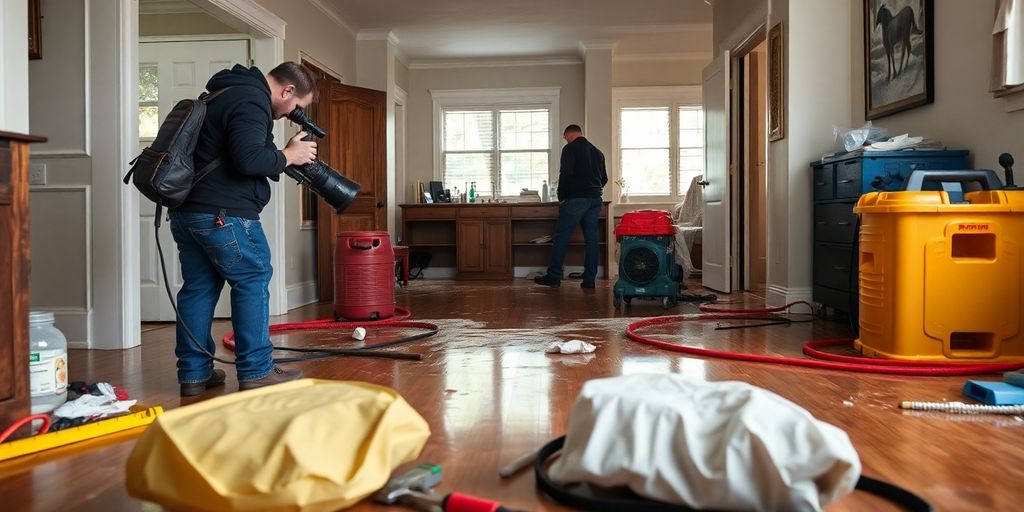
Before you start any cleanup, grab your phone or camera. Take clear photos and videos of all the affected areas. This documentation is crucial when filing a claim with your insurance company. Note down any visible damage and keep a record of any conversations with insurance representatives. This step can make a huge difference in how smoothly your claim process goes.
Contacting Professional Restoration Services
Once you’ve ensured safety and documented everything, it’s time to call in the pros. Professional restoration services have the expertise and equipment to handle water damage efficiently. They can assess the extent of the damage, start the drying process, and help prevent mold growth. When choosing a company, consider their response time and certifications to ensure quality service.
Quick action can significantly reduce the overall damage and restoration costs. Don’t delay in reaching out for professional help.
Effective Water Removal and Drying Techniques
Using Pumps and Vacuums for Water Extraction
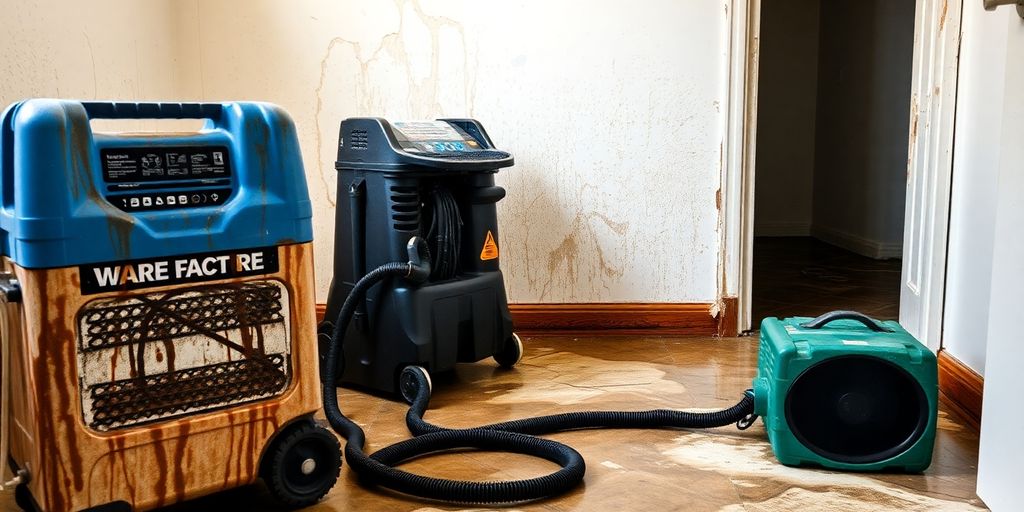
When water invades your home, the first thing you want to do is get it out—fast. Pumps and vacuums are your best friends in this situation. High-powered pumps can quickly remove standing water from your property. They’re especially handy if you’ve got a lot of water to deal with. For smaller areas, you might want to use wet/dry vacuums. These are great for sucking up water from carpets, rugs, and hard surfaces. If you’re dealing with soaked carpets, consider tools like carpet water extraction vacuums to help lift moisture from the fibers.
Employing Dehumidifiers and Air Movers
Once the visible water is gone, it’s time to tackle the moisture you can’t see. This is where dehumidifiers and air movers come into play. Dehumidifiers pull moisture out of the air, lowering the humidity and helping prevent mold growth. Air movers, on the other hand, help circulate air across wet surfaces, speeding up the drying process. You’ll want to place these strategically, maybe at an angle, to make sure the air is moving efficiently across the area.
Monitoring Moisture Levels
After you’ve set up your equipment, don’t just walk away and hope for the best. It’s important to keep an eye on moisture levels throughout the drying process. Use a moisture meter to check the progress and ensure everything is drying out properly. This helps you avoid any sneaky moisture that could lead to problems like mold down the line. Keep checking until you’re sure the area is dry.
Remember, the key to effective water damage recovery is not just removing the water you can see, but also ensuring that hidden moisture is addressed. This prevents future issues like mold and structural damage.
Preventing Mold and Mildew After Water Damage
Controlling Indoor Humidity
After a water incident, controlling indoor humidity is crucial. Mold loves moisture, and if the air is too damp, mold spores can spread like wildfire. Aim to keep humidity levels between 30% and 50%. You can use dehumidifiers to help with this, especially in areas prone to moisture like basements and bathrooms. Regularly check these devices and empty them to maintain their efficiency.
Regular HVAC Maintenance
Your HVAC system can be a silent contributor to mold growth if not maintained properly. Make sure to clean or replace air filters regularly and inspect the system for leaks or excess moisture. Cleaning the drip pans and ensuring proper drainage is vital to prevent water buildup. A well-maintained HVAC system not only keeps your air clean but also helps in controlling humidity levels.
Proper Ventilation and Airflow
Good airflow is your ally in the fight against mold. Ensure your home is well-ventilated to allow moisture to escape. Use exhaust fans in kitchens and bathrooms to remove steam and reduce moisture buildup. Open windows when possible to let fresh air circulate. In spaces where natural ventilation is limited, consider using fans to improve air movement. Keeping air moving helps dry out damp areas and discourages mold growth.
Mold can start forming in as little as 24 hours after water damage. Swift action and consistent preventive measures are key to keeping your home mold-free.
Repairing and Restoring Your Home Post-Damage
Structural Repairs and Foundation Work
Water damage can really mess up your home’s structure. You might notice things like windows that don’t sit right, doors that stick, or cracks in your walls and foundation. These issues pop up because water weakens the supporting walls, messing with the building’s core strength. Hiring a structural contractor is key—they know how to assess and fix these problems. Sometimes, they work with structural engineers to ensure everything is up to code.
Flooring and Wall Restoration
Floors and walls take a big hit when water damage strikes. Hardwood floors, for instance, can warp if not addressed quickly. Walls need special attention too. You might have to remove wallboard or plaster up to the flood line. In some cases, cutting a small section from the top and bottom of the walls helps them dry faster. If your insulation got soaked, it’s best to remove it since it can hold water for ages.
Replacing Damaged Materials
After a thorough assessment, it’s time to replace what can’t be saved. This might include parts of your flooring, drywall, or even some fixtures. When choosing new materials, consider options that are more resistant to water, just in case there’s a next time. This step not only restores your home’s look but also its functionality.
Remember, taking swift action can save you a lot of trouble down the road. The faster you get things fixed, the sooner your home can return to normal. It’s not just about fixing the damage but also about making sure it doesn’t happen again.
For more detailed steps and expert advice, check out our essential guide to home restoration after water damage.
Cleaning and Sanitizing Affected Areas
Disinfecting Surfaces and Removing Odors
After water damage, it’s vital to clean and sanitize all affected areas to prevent health risks. Start by using a disinfectant solution on all surfaces. This helps eliminate bacteria and mold spores. Avoid using bleach, as it can react with other substances and release harmful gases. For odor removal, consider these methods:
- Thorough drying: Use dehumidifiers and fans to eliminate moisture and speed up drying.
- Vinegar solution: Mix one cup of vinegar with two cups of warm water. Lightly spray on surfaces, but avoid oversaturation.
- Baking soda: Sprinkle on affected areas, let sit overnight, and vacuum the next day.
Handling Contaminated Materials Safely
Proper disposal of contaminated materials is crucial to prevent health hazards. Wear protective gear like gloves, masks, and goggles when handling these items. Follow these steps:
- Consult local waste management for disposal guidelines on drywall, insulation, and carpeting.
- Thoroughly dry and disinfect salvageable items to stop mold growth.
- Keep an eye out for mold, even after cleanup.
Restoring Personal Belongings
Once the area is clean, focus on restoring personal items like clothing and furniture. Here’s how:
- Use specialized cleaning treatments to bring belongings back to their original state.
- For items like documents, consider professional restoration services.
- Always check for lingering moisture to prevent further damage.
Cleaning and sanitizing after water damage not only restores your home but also ensures it’s safe for everyone. Taking these steps seriously can make a huge difference in the recovery process.
Planning for Future Water Damage Prevention
Improving Drainage Systems
Water damage can be a nightmare, but you can prevent it by improving your home’s drainage systems. Start by checking the gutters and downspouts to ensure they’re clear of debris. Clogged gutters can lead to water pooling around your foundation, a common cause of basement leaks. Make sure downspouts direct water at least five feet away from your house. Consider installing French drains or a sump pump if your yard tends to hold water.
Installing Water Detection Devices
Installing water detection devices can save you from a lot of headaches. These devices alert you when there’s a leak, giving you a chance to act before things get worse. Place them near water heaters, sump pumps, and any appliances that use water. Some advanced models can even shut off the water supply automatically, which is a great feature if you’re away from home often.
Regular Home Maintenance Checks
Regular maintenance checks are like health check-ups for your home. Inspect your roof, plumbing, and appliances at least once a year. Look for signs of wear and tear, like cracked roof tiles or leaking pipes. Early detection of potential issues can save you from costly repairs down the line. Keep an eye on your water bill too; an unexplained increase could indicate a hidden leak.
Prevention is always better than cure, especially when it comes to water damage. Taking proactive steps now can save you time, money, and stress in the future. Remember, a well-maintained home is a happy home.
To keep your home safe from future water damage, it’s important to plan ahead. Start by checking your plumbing and roof regularly. If you notice any leaks or cracks, fix them right away. Also, consider installing a sump pump to help manage excess water. For more tips and expert help, visit our website today!
Wrapping It Up
So, there you have it. Dealing with water damage can feel like a huge mountain to climb, but with the right steps, it’s totally doable. From the first signs of trouble to the final touches of repair, every step counts. Remember, acting fast is key. The quicker you get on it, the less damage you’ll face. And don’t shy away from calling in the pros when things get too tricky. They’ve got the tools and know-how to get your home back in shape. At the end of the day, it’s all about making your space safe and comfy again. Keep these tips in mind, and you’ll be well on your way to bouncing back from water damage.
Frequently Asked Questions
What should I do first if I find water damage in my home?
First, make sure everyone is safe. Turn off the electricity and water supply to prevent more damage. Then, contact your insurance company to report the damage.
How can I tell if water damage has affected my home’s structure?
Look for signs like doors or windows that don’t close properly, cracks in the walls or ceiling, and floors that are uneven or sagging.
Why is it important to dry out my home quickly after water damage?
Drying out your home fast helps stop mold from growing and keeps the damage from getting worse. Mold can start to grow within a day or two.
What tools are used to remove water from my home?
Professionals use pumps and vacuums to get rid of standing water. They also use dehumidifiers and air movers to dry out the space completely.
Can I handle water damage cleanup myself?
For small leaks, you might be able to clean up yourself. But for big problems, it’s best to call experts who have the right tools and know-how.
How can I prevent water damage in the future?
You can prevent future water damage by keeping your gutters clean, checking for leaks regularly, and installing water detectors in key areas of your home.