
Replacing your roof might not be the most exciting home project, but it’s one of the most important. Whether you’re dealing with leaks, old materials, or just looking for an upgrade, understanding the process can save you time, money, and a whole lot of stress. This guide breaks down everything you need to know about home roof replacement, from picking the right materials to keeping your new roof in great shape for years to come.
Key Takeaways
- Learn the warning signs that your roof needs to be replaced before problems escalate.
- Compare roofing materials like asphalt, metal, and solar to find the best fit for your home.
- Understand how to protect your property and what to expect during the roof replacement process.
- Budget wisely by estimating costs, finding reliable contractors, and exploring financing options.
- Keep your new roof in top condition with regular inspections and quick fixes for minor issues.
Understanding the Basics of Home Roof Replacement
Signs Your Roof Needs Replacement
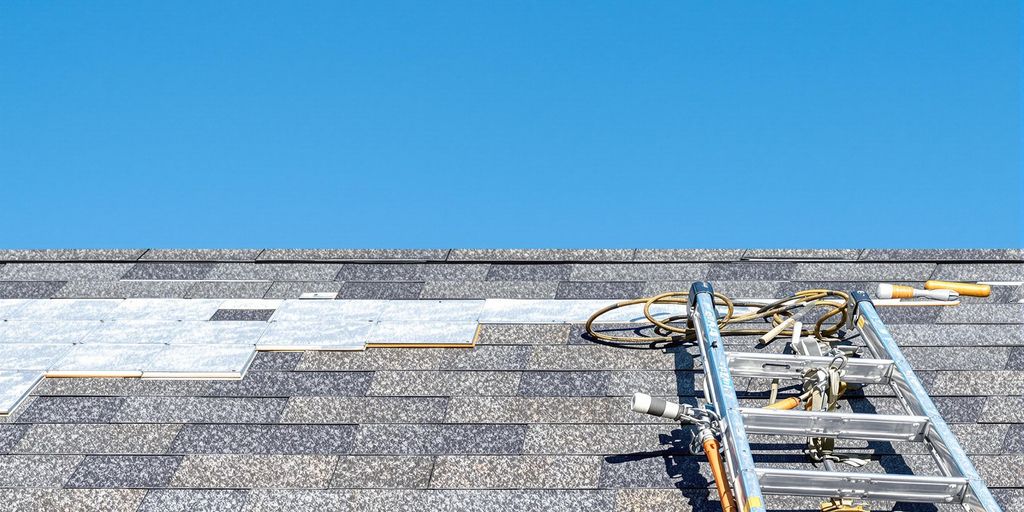
Knowing when it’s time to replace your roof can save you from costly repairs later. Common signs include missing or curled shingles, persistent leaks, and granules collecting in gutters. If your roof is over 20 years old, it’s worth having a professional take a look. Other red flags might include visible sagging or water stains on your ceiling, which could signal structural issues.
Common Roofing Materials and Their Lifespan
Choosing the right material is crucial, as it impacts the durability and maintenance of your roof. Here’s a quick breakdown:
| Material | Average Lifespan |
|---|---|
| Asphalt Shingles | 20-30 years |
| Metal Roofing | 40-70 years |
| Tile Roofing | 50+ years |
| Wood Shakes | 25-30 years |
| Slate | 75-100+ years |
Each material has its pros and cons. For example, asphalt shingles are affordable but less durable, while metal roofs are pricier but can last decades longer.
The Role of Professional Inspections
Scheduling regular roof inspections is one of the smartest moves a homeowner can make. A professional can spot hidden problems—like small cracks or weak spots—that you might miss. These inspections are especially important after severe weather, which can cause damage that isn’t immediately obvious. By catching issues early, you can avoid bigger, more expensive problems down the road.
Taking care of your roof isn’t just about protecting your home; it’s about safeguarding your investment. A well-maintained roof can add years to its lifespan and save you money in the long run.
Choosing the Best Roofing Material for Your Home
Comparing Asphalt, Metal, and Solar Options
When it comes to roofing materials, homeowners often find themselves weighing the pros and cons of asphalt shingles, metal roofing, and solar roofing. Asphalt shingles are the most common choice due to their affordability and ease of installation. They typically last between 10 to 35 years, making them a practical option for many budgets. On the other hand, metal roofing is celebrated for its durability, with lifespans ranging from 40 to 100 years. It’s also energy-efficient, reflecting sunlight and reducing cooling costs. Solar roofing, while more expensive upfront, combines the benefits of a roof with energy generation, allowing you to offset electricity bills over time. Each material has its strengths—choosing the right one depends on your priorities and budget.
Factors to Consider: Cost, Durability, and Energy Efficiency
Selecting a roofing material isn’t just about looks. You’ll need to factor in cost, lifespan, and energy performance. Here’s a quick comparison:
| Material | Average Lifespan | Cost Range | Energy Efficiency |
|---|---|---|---|
| Asphalt Shingles | 10–35 years | Low ($) | Moderate |
| Metal Roofing | 40–100 years | Medium to High ($$) | High |
| Solar Roofing | 25–30 years (plus energy savings) | High ($$$) | Very High |
While asphalt shingles are budget-friendly, metal and solar options can save money in the long run through better durability and energy savings.
Eco-Friendly and Sustainable Roofing Choices
If you’re aiming for a more sustainable home, consider eco-friendly roofing options. Metal roofs are recyclable and long-lasting, reducing waste. Cool roofs, which reflect more sunlight, can cut down on energy use during hot months. Additionally, green roofs—those covered in vegetation—offer natural insulation and improve air quality. Clay and slate tiles, though heavier and pricier, are also sustainable as they last for decades and can be repurposed. Making an eco-conscious choice not only benefits the environment but can also increase your home’s energy efficiency.
Preparing Your Home for a Roof Replacement
Steps to Protect Your Property During Installation
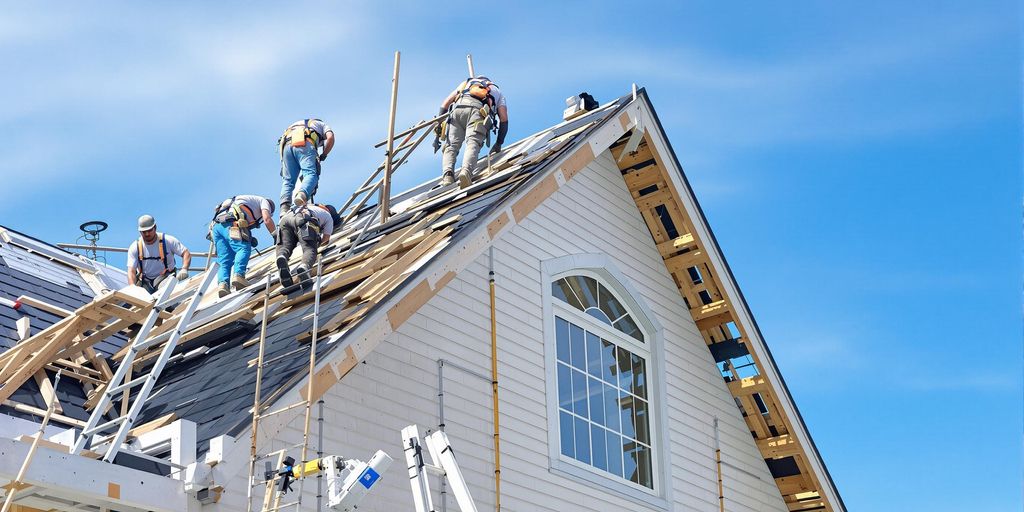
Getting your home ready for a roof replacement isn’t just about clearing space; it’s about ensuring everything stays intact. Dust and debris are inevitable, so take precautions to shield your belongings:
- Cover items in the attic with old sheets or tarps to prevent dust buildup.
- Move outdoor furniture, grills, and toys away from the work area.
- Protect garden beds and delicate plants by using tarps or temporarily relocating them.
For added safety, trim any overhanging branches that might interfere with the roofing crew’s work. This not only helps the workers but also reduces the risk of damage to your property.
What to Expect During the Replacement Process
When the day arrives, expect some noise—it’s unavoidable. The crew will likely start early, so plan ahead:
- Material delivery: Roofing materials will be dropped off, often a day or two before work begins.
- Tear-off phase: The old roof will be removed in sections, and debris will be cleared as they go.
- Installation: Once the old roof is off, the new materials go on, starting with the underlayment and moving to shingles or other roofing types.
Keep pets and kids indoors for their safety, and make sure the driveway is clear for trucks and equipment. Providing access to power outlets for tools can also speed up the process.
Safety Tips for Homeowners
Your safety and that of your family should be a top priority:
- Avoid walking near the work zone to prevent accidents from falling debris.
- Communicate with the contractors about any specific concerns or areas to avoid.
- Double-check that all fragile items inside the house are secure, especially those on walls.
Replacing a roof is a big project, but with the right preparation, it can go smoothly. Taking these small steps ensures your home stays protected and the process is stress-free for everyone involved.
Budgeting and Financing Your Roof Replacement
Estimating Costs and Hidden Expenses
Replacing a roof isn’t just about the price of shingles and labor. There are often extra costs that sneak up on you, like removing and disposing of old materials or fixing damaged structures underneath. Make sure you get a detailed quote from contractors, so you know what’s coming. Here’s a quick breakdown of potential costs:
| Expense Type | Estimated Cost Range |
|---|---|
| Roofing materials | $5,000 – $15,000 |
| Labor | $3,000 – $10,000 |
| Old roof removal/disposal | $1,000 – $2,500 |
| Structural repairs | $500 – $3,000 |
| Permits and inspections | $100 – $500 |
It’s also smart to set aside some extra funds for unexpected issues. Think of it as a safety net for your project.
How to Choose a Reliable Contractor
Finding the right contractor can feel overwhelming, but it’s worth the effort. Start by asking for recommendations from friends or neighbors. Then, check reviews and verify licenses. Here’s a quick checklist:
- Request proof of insurance and licensing.
- Get at least three written estimates.
- Ask about warranties for both materials and labor.
- Pay attention to communication—do they answer your questions?
A trustworthy contractor will make the whole process smoother and help avoid costly mistakes.
Exploring Financing Options and Incentives
Paying for a new roof doesn’t have to drain your savings. There are plenty of financing options to explore, such as:
- Home Equity Loans: Borrow against your home’s value.
- Personal loans with fixed rates.
- Contractor financing programs.
- State or federal grants and loans for energy-efficient upgrades.
When comparing financing plans, look for hidden fees or high interest rates. Improving your credit score beforehand can also help you secure better terms.
Planning ahead and exploring all your options can make a big financial project like a roof replacement feel way more manageable.
For more insights on budgeting for a roof replacement in 2025, check out our guide on roof replacement costs.
Maximizing the Value of Your New Roof
Energy Efficiency and Insulation Benefits
A new roof isn’t just about looks—it can significantly improve your home’s energy efficiency. Modern materials and designs often include better insulation, which helps keep the house warmer in winter and cooler in summer. This can lead to noticeable savings on your energy bills. Consider investing in reflective or energy-efficient shingles that reduce heat absorption, which is especially helpful in warmer climates.
Enhancing Curb Appeal and Property Value
Let’s face it—a worn-out roof can drag down the look of your home. A fresh roof, on the other hand, can make your property stand out in the neighborhood. Potential buyers will see a new roof as a sign that the home has been well-maintained, which could lead to higher offers if you decide to sell. If you’re considering upgrades like solar panels or unique materials, these can further boost your home’s resale value. For expert roofing upgrades that enhance both comfort and aesthetics, check out Ruach Home Services.
Integrating Modern Roofing Technologies
Roofing technology has come a long way. From solar panels that generate electricity to smart systems that monitor your roof’s condition, there are plenty of ways to make your roof work harder for you. Consider options like moisture-detection systems or impact-resistant materials if you live in areas prone to storms. These upgrades not only provide peace of mind but can also reduce long-term maintenance costs.
A new roof is more than a repair—it’s an investment in your home’s future. With the right materials and features, you can enjoy comfort, savings, and style for years to come.
Maintaining Your Roof After Replacement
Understanding Warranty and Maintenance Requirements
When you get a new roof, it’s important to review the warranty details. Most warranties cover material defects, but they often have specific maintenance requirements to stay valid. Failing to follow these guidelines could void your warranty, so keep a copy handy and refer to it regularly. For example, some warranties require annual inspections or prohibit using certain cleaning chemicals. Always check with your contractor if you’re unsure about the fine print.
Tips for Regular Roof Inspections
Routine inspections are key to keeping your roof in good shape. Here’s a simple checklist to follow:
- Twice a year: Inspect your roof in spring and fall for any visible damage like missing shingles or sagging areas.
- After storms: Look for signs of storm damage, including dents, cracks, or debris buildup.
- Gutters and downspouts: Make sure they’re clear of leaves and dirt to prevent water backup.
If climbing up isn’t your thing, consider hiring a professional to do it for you. A quick inspection now can save you from costly repairs later.
How to Address Minor Repairs Early
Small issues can snowball into big problems if ignored. For example, a single loose shingle might seem harmless, but it could let water seep in, leading to leaks or mold. Here’s how to deal with minor fixes:
- Replace missing shingles: Use the same type and color to keep your roof uniform.
- Seal small cracks: Apply roofing sealant to prevent water intrusion.
- Check flashing: Ensure that the metal edges around chimneys and vents are secure.
For more complex repairs, it’s better to call in a professional. Expert roof repair and replacement services can ensure the job is done right, protecting both your roof and your home.
After you replace your roof, it’s important to take care of it to keep it in good shape. Regular checks for damage, cleaning gutters, and removing debris can help your roof last longer. If you notice any problems, like leaks or missing shingles, don’t wait to fix them. For more tips on how to maintain your roof and keep your home safe, visit our website today!
Wrapping It Up
Replacing your roof is a big deal, but it doesn’t have to be overwhelming. With some planning, the right materials, and a good contractor, you can make it through the process without too much stress. Remember, this isn’t just about fixing up your home for now—it’s about protecting it for years to come. Take your time, ask questions, and don’t cut corners. In the end, you’ll have a roof that not only looks great but also keeps your home safe and sound.
Frequently Asked Questions
How do I know when my roof needs to be replaced?
Look for signs like missing shingles, leaks, or sagging areas. If your roof is over 20 years old, it might be time for a replacement. A professional inspection can confirm if it’s necessary.
What are the most durable roofing materials?
Metal roofs and clay tiles are among the most durable, often lasting 50 years or more. Asphalt shingles are also popular but have a shorter lifespan, generally 20 to 30 years.
Can I stay in my home during a roof replacement?
Yes, you can usually stay in your home, but it may be noisy and disruptive. If you work from home or have small children, you might want to consider staying elsewhere temporarily.
How much does it cost to replace a roof?
The cost varies based on the size of your roof, the materials used, and labor costs. On average, it ranges from $5,000 to $15,000. Always get multiple quotes to compare prices.
Are there eco-friendly roofing options?
Yes, options like metal roofs, solar panels, and cool roofs are eco-friendly. These materials are energy-efficient and can help lower your utility bills.
What maintenance is required for a new roof?
Regular inspections, cleaning gutters, and addressing minor repairs quickly can extend your roof’s life. Also, follow the warranty guidelines provided by the manufacturer or contractor.