
Getting clean, safe water at home is more important than ever. With so many options out there, from filtration systems to water softeners, it can be a bit overwhelming to choose the right one. This guide breaks down everything you need to know about home service water solutions, so you can make the best decision for your household.
Key Takeaways
- Home water solutions include filtration systems and water softeners to improve water quality.
- Whole home filtration systems require careful installation and regular maintenance.
- Regular maintenance of water filters is crucial for their efficiency and longevity.
- Hard water issues can be solved with water softeners, improving appliance lifespan and water quality.
- Under sink filtration systems offer a compact solution for improving drinking water quality.
Understanding Home Service Water Solutions
Types of Water Filtration Systems
Water filtration systems come in various forms, each designed to meet specific needs within a household. Point-of-use (POU) systems are popular for their convenience and effectiveness at the point of consumption. These include options like water pitchers, faucet filters, and reverse osmosis (RO) systems. These systems are perfect for families who want to ensure their drinking water is free from contaminants right at the tap.
On the other hand, whole home filtration systems treat water as it enters the house, providing filtered water to every tap. This is ideal for those who want comprehensive water treatment for all household needs, from drinking to bathing.
Benefits of Water Softeners
Water softeners play a crucial role in households plagued by hard water, which is common in many regions. Hard water contains high levels of minerals like calcium and magnesium, which can lead to scale buildup in pipes and appliances. By using a water softener, these minerals are removed, resulting in softer water that is gentler on skin and hair and extends the life of appliances. Benefits include:
- Reduced buildup on faucets and showerheads
- Longer lifespan for water-using appliances
- Improved soap and detergent effectiveness
Choosing the Right System for Your Home
Selecting the appropriate water solution for your home involves considering several factors. First, assess the quality of your local water supply. If your area has particularly hard water, a water softener may be necessary. For those concerned about specific contaminants, a specialized filtration system might be the answer.
Consider the size of your household and your water usage patterns. A larger family might benefit more from a whole home system, while smaller households could find point-of-use systems sufficient. Ultimately, choosing the right system ensures you have access to clean, safe water tailored to your needs.
Investing in a water solution not only improves your water quality but also enhances your overall quality of life by protecting your home and health.
Exploring Whole Home Water Filtration Systems
Installation Process and Considerations
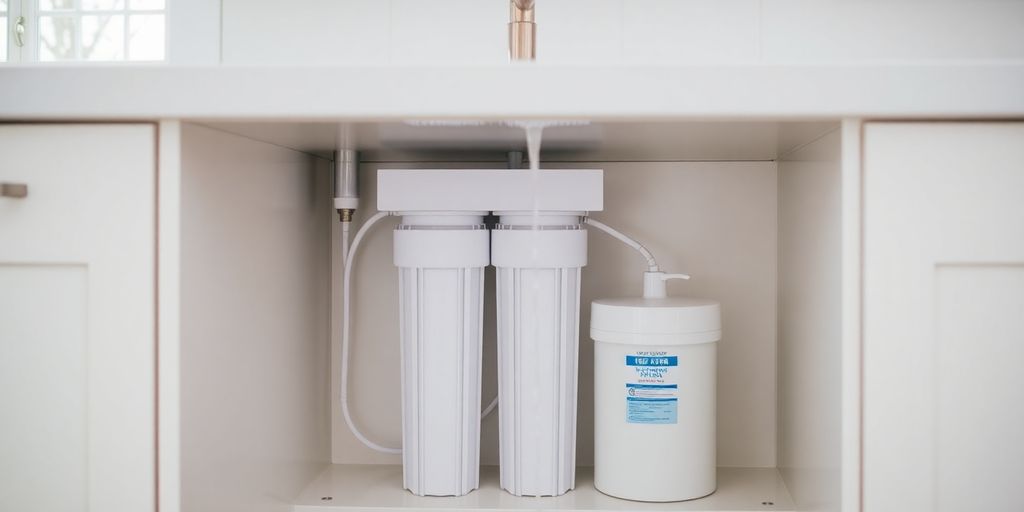
Setting up a whole home water filtration system is like fitting a puzzle piece into your home’s water supply. These systems attach directly to the main water line, ensuring every drop that flows through your faucets is filtered. Before diving in, consider the space required for installation. You might need a dedicated spot in your basement or utility room. Some systems are compact, while others require a bit more room. It’s crucial to plan for this. If you’re also dealing with hard water, think about installing the filter before any water softeners to maximize efficiency.
Maintenance Tips for Longevity
To keep your system running smoothly, regular maintenance is key. Here’s a simple checklist:
- Check for clogs – Reduced water flow might mean it’s time to inspect your filters.
- Replace filters regularly – Follow manufacturer guidelines for changing filters. This keeps your water clean and the system efficient.
- Inspect for leaks – Ensure all connections are tight and there are no drips.
- Annual professional check-up – A yearly inspection by a pro can catch issues before they become big problems.
Common Issues and Troubleshooting
Even the best systems can run into hiccups. Here are some common issues:
- Low water pressure: This might be due to a clogged filter. Try replacing it.
- Strange tastes or odors: If your water doesn’t seem right, the filter might need changing.
- Noisy system: Unusual sounds could indicate a problem with the installation or a loose part.
Whole home water filtration systems are a smart investment for those wanting cleaner, safer water from every tap. They tackle a range of contaminants, making your water taste and smell better, while also protecting your plumbing and appliances. Keeping up with maintenance ensures your system lasts for years, providing peace of mind and quality water for your household.
For more on how a whole house water filtration system can benefit your home, consider its ability to filter water at the main line, ensuring clean water from every tap.
The Importance of Regular Water Filter Maintenance
Signs Your Filter Needs Replacement
Noticing when your water filter needs a change isn’t always obvious, but there are some telltale signs. If your water starts to taste a bit off or has an unusual odor, it might be time to check your filter. A decrease in water flow or pressure is another red flag. Keeping an eye out for these signs can help you catch issues early before they become bigger problems.
DIY vs Professional Maintenance
When it comes to maintaining your water filter, you have two main options: do it yourself or hire a pro. DIY is often cheaper and can be done on your schedule. Most filters come with instructions that make the process straightforward. On the other hand, professional maintenance ensures thorough checks and might catch issues you could miss. If you’re dealing with a complex system, like a whole house filter, a professional might be the way to go.
Cost-Effective Maintenance Strategies
Maintaining your water filter doesn’t have to break the bank. Here are some tips to keep costs down:
- Regular Checks: Set reminders to inspect your filter and change it as needed. This can prevent costly repairs down the line.
- Bulk Purchases: Buying replacement filters in bulk can save money.
- Use a service like Ruach Home Services for routine checks and maintenance, which can be more economical than emergency repairs.
Regular maintenance of your water filter is key to ensuring your home has access to clean and safe water. It might seem like a hassle, but a little effort goes a long way in preventing bigger issues and keeping your water quality high.
Addressing Hard Water Problems in Your Home
Identifying Signs of Hard Water
Hard water can be a sneaky culprit in your home, often going unnoticed until it starts causing issues. Key indicators include white, crusty buildup on faucets and showerheads, which is a telltale sign of mineral deposits. You might also notice soap that just won’t lather properly, leaving you with dry skin and hair. Other signs are spotty glasses and dishware, weakened water pressure, and water-using appliances that seem to break down faster than expected. If you’re seeing these signs, it’s likely time to take action.
Solutions for Hard Water Issues
Once you’ve identified hard water in your home, the next step is finding the right solution. Water softeners are a popular choice, as they effectively remove the minerals causing hardness, like calcium and magnesium. These systems are installed on your main water line and can last for many years with minimal maintenance. Additionally, consider using a salt-free water conditioner as an alternative if you’re looking for a low-maintenance option. It’s also worth exploring whole home filtration systems that can tackle a range of water quality issues.
Benefits of Using Water Softeners
Using a water softener comes with a host of benefits. Not only does it reduce the crusty buildup on your fixtures, but it also improves the efficiency and lifespan of your appliances. Soft water helps clothes come out cleaner from the wash and prevents spots on your dishes. Moreover, you’ll enjoy softer skin and hair, which is a welcome bonus. By addressing hard water with a softener, you’re making a long-term investment in the comfort and functionality of your home.
Hard water is more than just an inconvenience. It can affect your daily life in subtle yet significant ways, from the way your skin feels after a shower to the longevity of your home appliances. Taking steps to address hard water is essential for maintaining a comfortable and efficient household.
If you’re dealing with water-related issues like clogged air filters or leaky faucets in Alexandria, Virginia, it’s crucial to choose a reliable restoration company. Seeking referrals and checking online reviews can guide you to the right service provider.
Enhancing Water Quality with Under Sink Filtration
Advantages of Under Sink Systems
Under sink filtration systems are a popular choice for many households because they provide a convenient and effective way to improve water quality right at the source. These systems can remove a wide range of contaminants, including lead, chlorine, and other harmful substances that might be present in your tap water. One of the key benefits of these systems is that they deliver clean, great-tasting water directly to your kitchen or bathroom sink, making it ideal for cooking, drinking, and even making ice or coffee.
Additionally, under sink systems are discreet and save valuable counter space, as they are installed beneath the sink. This means you get all the benefits of filtered water without any bulky equipment cluttering your kitchen.
Installation and Maintenance Tips
Installing an under sink filtration system is generally straightforward and can often be done by homeowners themselves, though professional installation is also available if preferred. The system typically connects to your existing plumbing and provides a separate faucet for the filtered water. This setup ensures that your main water line remains unaffected, allowing for a dedicated stream of purified water.
Maintenance is relatively simple and usually involves replacing the filters every six months to a year, depending on the system and water quality. Regular maintenance ensures that your filter continues to operate efficiently, keeping your water clean and safe.
Comparing Under Sink and Whole Home Systems
When deciding between an under sink and a whole home filtration system, it’s essential to consider your specific needs. Under sink systems are perfect for targeting water quality at a specific point, such as the kitchen sink, where drinking and cooking water are most often used. They are typically more affordable and easier to install than whole home systems.
On the other hand, whole home systems provide filtered water to every tap in your house, which can be beneficial if you have widespread water quality issues. However, these systems are more complex and may require professional installation and regular maintenance.
Choosing the right filtration system depends on your household’s specific needs, water quality concerns, and budget. If you’re looking for an efficient and cost-effective solution to improve your drinking water, an under sink filter might be the perfect choice for you.
Advanced Water Treatment Options for Specific Needs
Specialized Filters for Contaminants
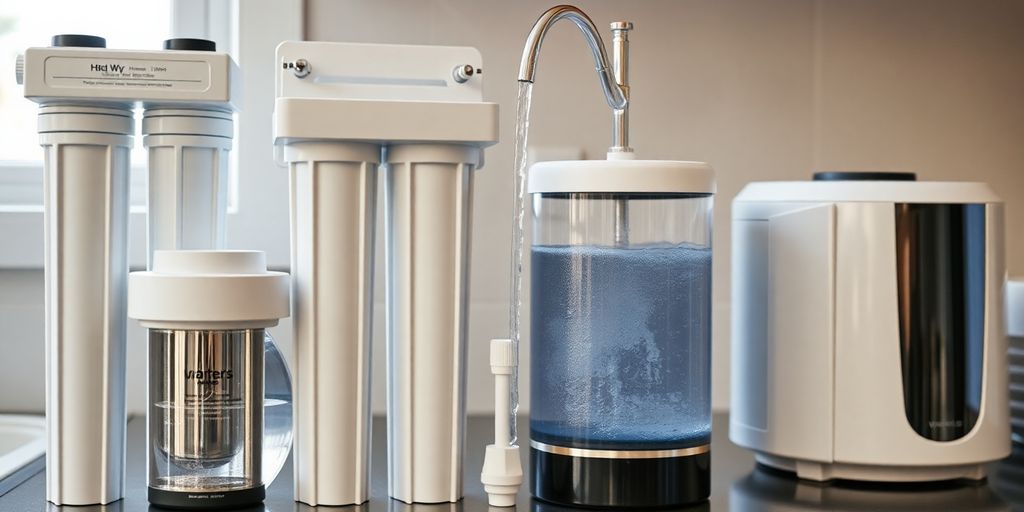
When it comes to ensuring the safety of your home’s water, specialized filters are crucial. These filters are designed to tackle specific contaminants, like arsenic, lead, or iron, which are sometimes found in tap water. If you’re dealing with well water, regular testing is key to identifying these contaminants. Once you know what’s in your water, you can choose the right filter. Here are some types you might consider:
- Activated Carbon Filters: Perfect for removing chlorine, these filters also help with improving taste and odor.
- Ion Exchange Filters: These are effective for softening water by replacing hard minerals like calcium and magnesium with sodium ions.
- Sub-Micron Filters: They capture tiny particles that other filters might miss, ensuring cleaner water.
UV and Reverse Osmosis Systems
For those looking to eliminate bacteria and viruses, UV systems are a great option. They use ultraviolet light to kill microorganisms without adding chemicals to your water. Reverse osmosis, on the other hand, is excellent for removing dissolved solids. It works by pushing water through a semi-permeable membrane, leaving contaminants behind. If you’re looking for pure, clean water, combining these systems can be extremely effective.
Tailoring Solutions for Well Water
If your home uses well water, you’re likely aware of the unique challenges it presents. Unlike municipal water, well water isn’t treated before it reaches your home. Regular testing is essential to identify issues like bacteria, nitrates, and heavy metals. Once you know what you’re dealing with, you can tailor your water treatment system accordingly. Consider these steps:
- Conduct Comprehensive Testing: Identify all potential contaminants.
- Choose Appropriate Filters: Depending on your test results, select filters that target specific issues.
- Regular Maintenance: Keep your system in top shape with routine checks and filter replacements.
It’s important to remember that while these systems can be a bit pricey upfront, the investment is worth it for the health and safety of your household. Plus, you might save money in the long run by avoiding potential health issues and appliance repairs.
For those in areas like Arlington, Virginia, where water quality can vary, it’s essential to select a reliable service provider that understands local challenges and offers tailored solutions.
Selecting the Best Home Service Water Provider
Choosing the right water service provider for your home can be a daunting task, but it’s essential for ensuring clean and safe water. Here’s what you need to know.
Evaluating Service Quality and Support
When selecting a provider, it’s crucial to assess their service quality and customer support. Look for companies that offer 24/7 support, as water issues can arise at any time. Check if they provide emergency services and how quickly they respond to customer inquiries.
- Availability: Does the provider offer round-the-clock service?
- Response Time: How quickly do they address issues or emergencies?
- Customer Support: Is their support team knowledgeable and helpful?
Understanding Pricing and Packages
Pricing can vary widely among providers, so it’s important to understand what you’re paying for. Some companies offer bundled packages that can save you money in the long run. Be sure to compare:
- Installation Fees: Are there any upfront costs?
- Maintenance Plans: What do regular maintenance packages include?
- Hidden Charges: Are there any additional fees not included in the initial quote?
Customer Reviews and Testimonials
Reading customer reviews can provide insight into a provider’s reliability and service quality. Look for reviews that mention specific aspects like punctuality, professionalism, and effectiveness. Word-of-mouth recommendations can also be valuable.
"A good water service provider not only installs systems but also ensures they function optimally throughout their lifespan."
In conclusion, selecting the right home service water provider involves careful consideration of their service quality, pricing, and customer feedback. Taking the time to research and compare options will help you find a provider that meets your household’s specific needs.
Choosing the right water service provider for your home is important. You want someone who is reliable and can meet your needs. Look for a company that has good reviews and offers a variety of services. Don’t forget to check their prices and ask about any special deals. If you want to learn more about how to find the best water service for your home, visit our website today!
Wrapping It Up: Your Water, Your Way
Alright, so we’ve covered a lot about home water solutions. From filters to softeners, there’s a bunch of options out there to make sure your water is just right. Remember, it’s all about finding what fits your home and lifestyle best. Whether you’re dealing with hard water or just want cleaner drinking water, there’s a solution for you. Don’t stress too much about getting it perfect on the first try. You can always tweak things as you go. At the end of the day, having good water is a big deal for your home and health. So, take your time, do a bit of research, and you’ll be on your way to better water in no time. Cheers to fresh, clean water!
Frequently Asked Questions
What types of water filtration systems are available for homes?
There are two main types of water filtration systems: whole home systems that filter all the water entering your house, and under sink systems that filter water at a specific tap.
How do I know if I need a water softener?
If you notice white, crusty buildup on faucets, soap that doesn’t lather well, or spotty dishes, you might have hard water and could benefit from a water softener.
What are the benefits of using a water softener?
Water softeners help reduce mineral buildup, making your skin and hair feel softer, and your appliances last longer.
How often should I replace my water filters?
It’s important to change water filters as recommended by the manufacturer, usually every few months, to keep your water clean and safe.
Can I install a water filtration system myself?
While some under sink systems are easy to install, whole home systems might require a professional to ensure proper setup.
What is the difference between under sink and whole home water filtration systems?
Under sink systems filter water at one specific tap, while whole home systems filter all the water entering your house, providing clean water throughout.