
Mold is sneaky. One day your walls look fine, and the next, there’s a weird spot that seems to be growing. Mold remediation is about getting rid of that mold properly, so it doesn’t just come back. It’s not just about wiping it away; it’s a whole process to ensure your home stays mold-free. And yes, it can get pricey, but understanding the process and costs can help you make informed decisions.
Key Takeaways
- Mold remediation involves more than just cleaning; it requires a thorough process to prevent recurrence.
- Costs can vary widely based on the size of the infestation and the methods used.
- DIY mold removal is possible for small areas, but larger infestations often need professional help.
- Preventive measures are crucial after remediation to stop mold from coming back.
- Choosing a reputable mold remediation service is essential for effective and safe mold removal.
Understanding Mold Remediation
What is Mold Remediation?
Mold remediation is the process of identifying, removing, cleaning, and sanitizing mold-contaminated areas. It involves a series of steps designed to control the spread of mold spores and restore the affected area to a safe and healthy state. Unlike mere mold removal, remediation focuses on addressing the underlying moisture issues that contribute to mold growth, ensuring that the problem is resolved long-term.
Why is Mold Remediation Important?
Mold can pose serious health risks, including respiratory problems, allergic reactions, and even more severe conditions for those with weakened immune systems. Addressing mold issues promptly is crucial to maintaining a healthy indoor environment. Mold remediation helps prevent further damage to your property and protects the well-being of its occupants. Ignoring mold can lead to extensive structural damage and increased costs in the long run.
Common Misconceptions About Mold Remediation
- Mold is harmless: Many people believe that mold is just an unsightly nuisance, but it can actually cause significant health issues.
- Bleach kills mold: While bleach might remove surface mold, it doesn’t address the root cause or prevent regrowth.
- Small mold problems can be ignored: Even small patches of mold can spread quickly if not addressed, leading to larger and more costly problems.
Mold remediation is not just about removing visible mold; it’s about ensuring that the root causes are addressed to prevent future outbreaks. This involves not only cleaning but also fixing leaks, improving ventilation, and sometimes even redesigning spaces to reduce moisture buildup.
For homeowners facing mold issues, it’s essential to choose the right professionals to handle the job. Companies like Ruach Home Services offer expertise in tackling mold and other restoration challenges, ensuring quality and transparency in their services.
The Mold Remediation Process
Initial Assessment and Inspection
The first step in any mold remediation journey is a thorough assessment and inspection of the affected area. This involves identifying the extent of mold growth and understanding the moisture sources that contribute to the problem. Professionals often use moisture meters and infrared cameras to detect hidden mold and moisture. It’s not just about finding the mold; it’s about understanding why it’s there in the first place. This initial step is crucial because it sets the stage for the entire remediation process.
Containment and Ventilation
Once the inspection is complete, the next step is to contain the affected area. This prevents mold spores from spreading to other parts of the building. Containment is vital to ensure that the mold problem doesn’t worsen. Professionals use plastic sheeting and negative air pressure machines to keep the spores in check. Ventilation systems are also set up to filter out any airborne spores and maintain a controlled environment.
Cleaning and Disinfection
After containment, the cleaning and disinfection phase begins. This step involves removing mold from surfaces and cleaning the air of any remaining spores. Specialized cleaning agents and techniques are used to ensure that all mold is effectively removed. Sometimes, materials that are heavily infested with mold, such as drywall or carpeting, need to be removed and replaced. This phase is about not only cleaning but also preventing future mold growth.
Post-Remediation Verification
The final step in the process is post-remediation verification. This involves a thorough inspection to ensure that all mold has been successfully removed. Professionals conduct air quality tests and visual inspections to confirm the effectiveness of the remediation. This step provides peace of mind, knowing that the mold issue has been resolved and the area is safe for occupancy.
"A successful mold remediation process not only removes visible mold but also addresses the underlying causes to prevent recurrence."
For those considering professional help, Ruach Home Services offers comprehensive mold remediation solutions, ensuring every step from inspection to post-remediation is handled with expertise.
Factors Influencing Mold Remediation Costs
Size and Extent of Mold Infestation
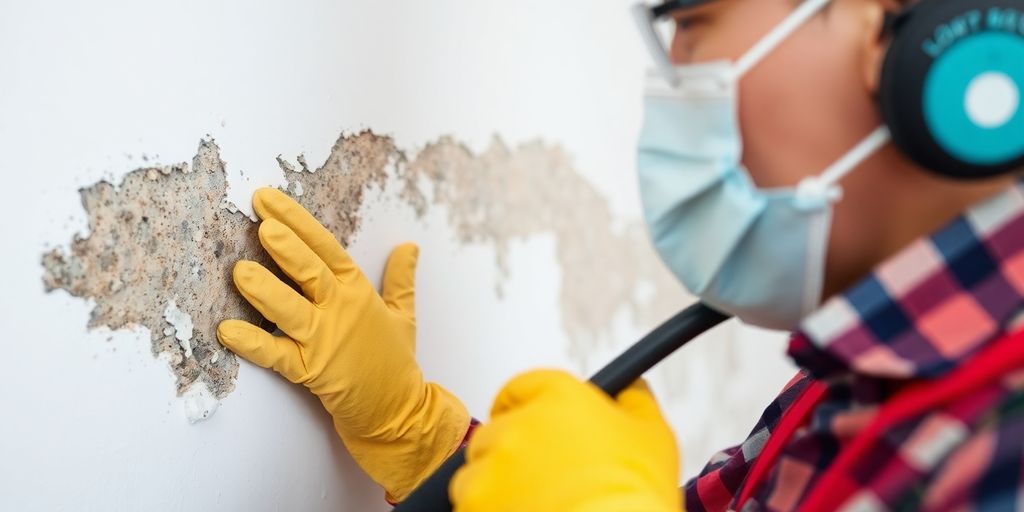
The size and extent of the mold infestation significantly impact the overall cost of remediation. Larger areas naturally require more labor and materials, driving up expenses. For example, a small patch of mold might be resolved for a few hundred dollars, whereas a whole-house infestation could cost upwards of $30,000. Typically, mold remediation costs range from $10 to $30 per square foot, depending on the severity and spread of the mold.
Location of Mold Growth
Where the mold is located in your home can make a big difference in cost. Mold in easily accessible areas like a bathroom might be cheaper to address, possibly around $500 to $1,500. However, mold in hard-to-reach places like attics or HVAC systems could cost thousands more, due to the complexity of accessing and treating these areas. For instance, attic mold removal can range from $1,000 to $9,000, while HVAC systems might cost between $3,000 and $10,000.
Type of Mold Present
Not all molds are created equal, and some types are more challenging and costly to remove. While the EPA doesn’t differentiate between species for cleanup purposes, certain molds like Stachybotrys chartarum (black mold) can be more expensive to remediate, with costs ranging from $800 to $7,000. This is due to the potential health hazards and difficulty in ensuring complete removal.
Labor and Material Costs
Labor is a major component of mold remediation, often accounting for about 60% of the total expense. The complexity of the job, including containment and disposal of contaminated materials, influences labor costs. Materials, such as specialized air-handlers and cleaning agents, make up the remaining 40%. For example, labor can cost between $100 and $200 per hour, while containment might add an additional $300 to $2,500 to the project. It’s crucial to remember that true mold remediation involves more than just cleaning; it often requires sealing off areas to prevent spore spread and addressing underlying moisture issues.
Mold remediation is a complex process that goes beyond just cleaning visible mold. Understanding the factors that influence costs can help homeowners budget effectively and choose the right remediation strategy.
DIY vs. Professional Mold Remediation
Pros and Cons of DIY Mold Remediation
Tackling mold on your own might seem like a good idea, especially if you’re trying to save some cash. DIY mold remediation can be more cost-effective, particularly for small areas. You get to choose the cleaning products and handle the problem on your schedule. However, there’s a downside. Without the right equipment or expertise, you might miss hidden mold or fail to remove it completely. This can lead to more mold growth and potential health risks. Plus, dealing with moldy materials isn’t exactly a fun weekend project.
Pros of DIY:
- Cost-effective for small mold issues
- Immediate action without waiting for professionals
- Control over cleaning products and process
Cons of DIY:
- Risk of improper removal or cross-contamination
- Potential health risks without proper safety gear
- Lack of access to specialized equipment
When to Hire a Professional
If the mold problem is bigger than a few square feet, or it’s in a tricky spot like your HVAC system, it’s probably time to call in the pros. Professionals have the tools and know-how to handle mold safely and thoroughly. They can find hidden mold, prevent it from coming back, and even deal with your air ducts to make sure no spores are left behind. Hiring a professional might seem pricey, but it can save you headaches and health issues down the line.
"When mold takes over, sometimes it’s best to let the experts handle it. They have the gear and experience to ensure your home is mold-free and safe."
Cost Comparison: DIY vs. Professional
Here’s a quick look at the cost difference between doing it yourself and hiring a professional:
| Option | Average Cost |
|---|---|
| DIY | $50 – $200 |
| Professional | $500 – $6,000+ |
The cost varies based on the size of the mold problem and the area affected. While DIY might seem cheaper upfront, remember that improper handling could lead to bigger issues and more expenses later. So, weigh your options carefully. If you’re unsure, consulting a professional might be the best first step. And if you need more than just mold cleanup, like comprehensive water damage restoration services, professionals can offer a full package to restore your home.
Preventive Measures After Mold Remediation
Identifying and Fixing Moisture Sources
After mold remediation, it’s crucial to ensure that the root cause of the mold problem is addressed. Moisture is the main culprit behind mold growth. Check for leaks in roofs, pipes, or windows and seal them properly. Make sure your home is well-ventilated, especially in moisture-prone areas like bathrooms and kitchens. Consider installing exhaust fans or dehumidifiers to keep humidity levels in check.
Regular Inspections and Maintenance
Keeping a regular inspection schedule can help catch potential mold problems before they escalate. Inspect areas that are prone to dampness, such as basements, attics, and crawl spaces. Look for any signs of water damage or musty odors and address them promptly. Routine maintenance like cleaning gutters and ensuring proper drainage around your home can also prevent moisture buildup.
Using Mold-Resistant Products
When repairing or renovating areas that were affected by mold, opt for mold-resistant materials. These include mold-resistant drywall, paints, and sealants. These products are designed to minimize the risk of mold growth by repelling moisture and inhibiting the growth of mold spores. Additionally, consider using mold-resistant insulation in attics and walls to further protect your home.
Mold can be sneaky, often hiding in places you least expect. By taking proactive measures to control moisture and using materials that resist mold, you can safeguard your home and health from future infestations.
Common Challenges in Mold Remediation
Dealing with Hidden Mold
Mold is sneaky. It loves to hide in places you can’t easily see, like behind walls or under carpets. This makes it tough to spot and even tougher to clean up. Often, by the time you notice a musty smell or see a small patch, the problem has already spread. To tackle this, professionals use special tools like moisture meters and infrared cameras to detect hidden mold. They might have to remove sections of drywall or flooring to get to the root of the issue.
Cross-Contamination Risks
When you’re dealing with mold, one of the biggest headaches is making sure it doesn’t spread to other parts of the house. Mold spores are tiny and can easily float around in the air. To prevent this, Ruach’s mold remediation experts often seal off the affected area with plastic sheets and use air scrubbers to clean the air. They also wear protective gear to avoid carrying spores on their clothes. It’s a meticulous process, but it’s crucial to keep the rest of your home safe.
Health and Safety Concerns
Mold isn’t just a nuisance; it can be a health hazard. Breathing in mold spores can lead to respiratory issues, especially for those with asthma or allergies. That’s why it’s important to wear protective gear, like masks and goggles, during remediation. Professionals also use specialized cleaning agents to kill mold and neutralize spores. If you’re thinking about tackling mold yourself, make sure you understand the risks and take the necessary precautions.
Mold remediation isn’t just about cleaning up what’s visible. It’s about ensuring the problem is completely resolved and doesn’t return. This often means addressing the underlying moisture issue, whether it’s a leaky pipe or poor ventilation. Ignoring this can lead to recurring mold problems, which is why a thorough approach is essential.
Choosing the Right Mold Remediation Service
What to Look for in a Mold Remediation Company
Choosing a mold remediation service can feel overwhelming, but knowing what to look for simplifies the process. Certification is key—make sure the company holds recognized certifications like those from the Institute of Inspection, Cleaning, and Restoration Certification (IICRC) or the National Organization of Remediators and Mold Inspectors (NORMI). These credentials ensure the company follows industry standards and uses proper techniques.
Insurance and licensing are also important. A licensed company means they meet local regulations, and insurance protects you if something goes wrong during the process. Don’t hesitate to ask for proof of both.
References from past clients can give you insight into a company’s reliability and quality of work. A good company will have no problem providing these.
Questions to Ask Before Hiring
Before you sign any contracts, ask potential companies some key questions:
- What is your experience with mold remediation? The more experience, the better.
- Can you provide a detailed estimate? Understanding the costs upfront helps avoid surprises.
- What kind of guarantee do you offer? A company confident in their work will offer a warranty or guarantee.
These questions help ensure you’re hiring a company that’s both capable and trustworthy.
Understanding Service Guarantees
When it comes to guarantees, it’s crucial to know what’s covered. Some companies might offer a guarantee on their work for a certain period, like a year. This means if mold returns within that time, they’ll address it at no extra cost. However, ensure you understand the terms, as some guarantees might not cover all situations.
"Choosing a mold remediation service requires careful consideration. It’s not just about the price—it’s about finding a service that will effectively and safely remove mold from your home."
Ruach’s Mold Remediation Services
If you’re in Arlington, Virginia, consider Ruach for comprehensive home services, including mold remediation. They specialize in water damage restoration and offer prompt emergency response, ensuring your home is safe and mold-free. Their certified team also assists with insurance claims, making the process smoother for you.
When it comes to mold remediation, picking the right service is key. You want a team that is experienced, reliable, and ready to help you restore your home. Don’t wait until the problem gets worse! Visit our website today to learn more about our expert mold remediation services and how we can help you keep your home safe and healthy.
Wrapping It Up
So, there you have it. Mold remediation might seem like a daunting task, but understanding the process and costs can make it a bit more manageable. Whether you’re dealing with a small patch or a whole-house infestation, knowing when to call in the pros is key. Sure, it might cost a bit more, but the peace of mind and safety are worth it. Remember, mold isn’t just an eyesore; it can affect your health and your home’s structure. So, tackle it head-on, and don’t let it take over your space. Stay informed, weigh your options, and make the choice that’s best for you and your home.
Frequently Asked Questions
What is mold remediation?
Mold remediation is the process of cleaning and removing mold from an area. It involves identifying the source of moisture, cleaning up the mold, and taking steps to prevent it from coming back.
Why is mold remediation important?
Mold remediation is crucial because mold can cause health problems and damage your home. Removing mold helps ensure the air is safe to breathe and prevents further damage to your property.
How much does mold remediation cost?
The cost of mold remediation can vary widely. It might cost as little as $500 for small areas, but large or complex jobs could cost up to $30,000. Factors like the size and location of the mold affect the price.
Can I do mold remediation myself?
You can try to handle small mold problems yourself, but for larger infestations or toxic molds, it’s safer to hire professionals. They have the right tools and expertise to do the job safely.
What are the risks of not removing mold?
Not removing mold can lead to health issues like allergies and respiratory problems. It can also cause structural damage to your home if left untreated.
How can I prevent mold after remediation?
To prevent mold from coming back, fix any moisture problems, keep your home well-ventilated, and use mold-resistant products.