
Mold water restoration is an essential process for homeowners facing water damage and mold growth. Understanding the steps involved can help ensure a safe and effective recovery. This guide will provide you with practical strategies to tackle mold and water damage in your home, ensuring a healthier living environment for you and your family.
Key Takeaways
- Act quickly to remove water and moisture to prevent mold growth.
- Use proper cleaning supplies and protective gear when dealing with mold.
- Consider hiring professionals for extensive water damage and mold issues.
- Regularly check for leaks and maintain proper ventilation in your home.
- Stay informed about the health risks associated with mold exposure.
Understanding Mold Water Restoration
What is Mold Water Restoration?
Mold water restoration is the process of removing mold and repairing damage caused by water. This is crucial because mold can grow quickly in damp areas, leading to serious health issues and structural damage. Homeowners should act fast to prevent further problems.
Common Causes of Mold and Water Damage
Mold and water damage can occur due to several reasons, including:
- Leaking pipes
- Flooding from heavy rain or storms
- High humidity levels in the home
- Poor ventilation in areas like basements and attics
Health Risks Associated with Mold Exposure
Exposure to mold can lead to various health problems, such as:
- Respiratory issues
- Allergic reactions
- Skin irritation
Mold can be a hidden danger in your home, affecting both your health and the integrity of your property. It’s essential to address any water damage promptly to avoid mold growth.
In summary, understanding mold water restoration is vital for homeowners. By recognizing the causes and health risks, you can take the necessary steps to protect your home and family. Remember, quick action is key to effective restoration and prevention of future mold issues.
Initial Steps in Mold Water Restoration
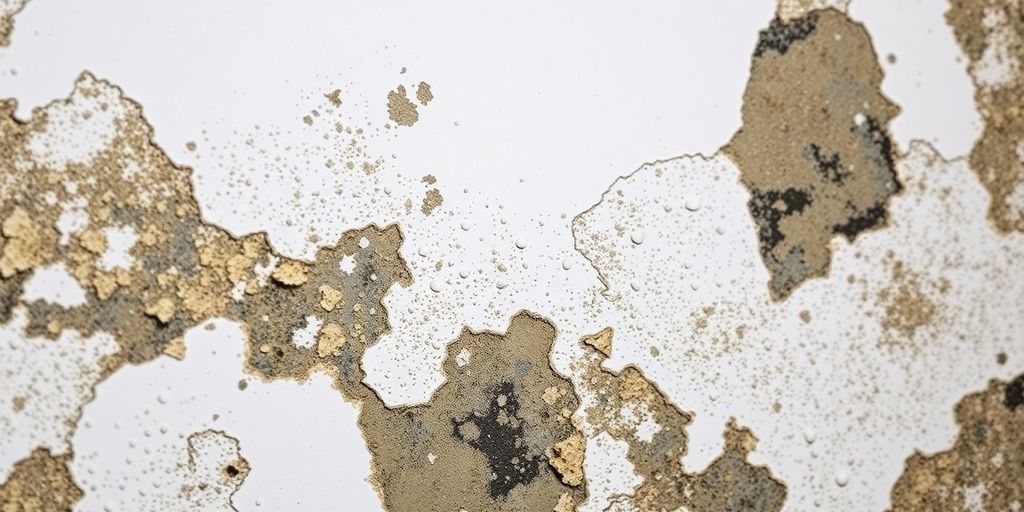
Assessing the Damage
Begin by visually inspecting the affected areas to understand the extent of the water damage. Use moisture meters to check the moisture levels in walls and floors. This helps in planning the drying process effectively. Documenting the damage with photos is crucial for insurance claims and future restoration efforts.
Ensuring Safety Precautions
Before starting any restoration work, ensure safety by turning off electricity in the affected area. Water and electricity can be a dangerous mix. Wear protective gear like gloves and masks to avoid exposure to harmful substances. This is essential for your safety during the restoration process.
Documenting and Reporting the Damage
Take detailed notes and photographs of the damage. This documentation will be helpful when filing an insurance claim. Contact your insurance company promptly to report the damage. Professional mold remediation services can assist in assessing the situation and starting the restoration process.
Taking these initial steps is vital to ensure a safe and effective restoration process, preventing further damage and health risks.
Effective Water Extraction Techniques
Using Wet Vacuums and Pumps
To effectively remove water from your home, wet vacuums and pumps are essential tools. They help in extracting large volumes of water quickly. Here are some key points to consider:
- Choose the right size of vacuum or pump based on the amount of water.
- Ensure the equipment is in good working condition before use.
- Always follow the manufacturer’s instructions for safety.
Removing Furniture and Personal Items
Before starting the extraction process, it’s crucial to remove furniture and personal items from the affected area. This helps in:
- Preventing further damage to your belongings.
- Allowing for better access to the water.
- Ensuring a thorough cleaning and drying process.
Professional Water Extraction Services
Sometimes, the best option is to hire professionals. They have advanced tools and expertise to handle severe water damage. Here are some benefits of using professional services:
- Faster extraction of water, minimizing damage.
- Use of advanced techniques in water extraction, ensuring thoroughness.
- Post-extraction treatment with antimicrobial agents to prevent mold growth.
Engaging professionals can save you time and ensure that your home is restored effectively, protecting your health and property.
By following these effective water extraction techniques, you can significantly reduce the risk of mold growth and further damage to your home.
Drying and Dehumidification Process
Importance of Thorough Drying
After water damage, thorough drying is crucial to prevent mold growth and structural issues. If moisture remains, it can lead to serious problems, including health risks. Here are key steps to ensure effective drying:
- Remove any standing water immediately.
- Increase airflow by opening windows and using fans.
- Utilize dehumidifiers to extract moisture from the air.
Using Dehumidifiers and Fans
Dehumidifiers play a vital role in the drying process. They help to lower humidity levels, making it harder for mold to thrive. When using dehumidifiers, consider the following:
- Choose the right size for the affected area.
- Place them in central locations for maximum efficiency.
- Regularly check and empty the water collection tank.
Monitoring Moisture Levels
It’s essential to keep track of moisture levels during the drying process. Use moisture meters to measure the humidity in walls and floors. This helps ensure that all areas are adequately dried before moving on to the next steps in restoration.
Regular monitoring can save you from future mold issues and costly repairs.
By following these steps, homeowners can effectively manage the drying and dehumidification process, laying a solid foundation for successful mold water restoration. Remember, a dry environment is key to preventing mold growth!
Cleaning and Disinfecting Affected Areas
Choosing the Right Disinfectants
After the area has dried, it’s crucial to disinfect and clean to eliminate any remaining bacteria and mold. Use EPA-approved disinfectants on all surfaces that were affected, including walls, floors, and personal items. This step is vital to ensure a safe environment.
Protective Gear for Cleaning
When cleaning, always wear protective gear such as gloves and masks. This helps prevent exposure to harmful chemicals and contaminants. Here are some essential items to consider:
- Gloves
- Masks
- Goggles
Professional Cleaning Services
For thorough cleaning, consider hiring professional services. They have the right tools and expertise to handle the job effectively. Here’s what they typically do:
- Assess the affected areas
- Use specialized cleaning equipment
- Ensure all surfaces are disinfected
Cleaning and disinfecting are essential steps in mold water restoration. They not only restore the appearance of your home but also protect your health and prevent future mold growth.
By following these steps, you can ensure that your home is safe and free from mold after water damage. Remember, the right approach can make all the difference in maintaining a healthy living space.
Repair and Restoration of Damaged Structures
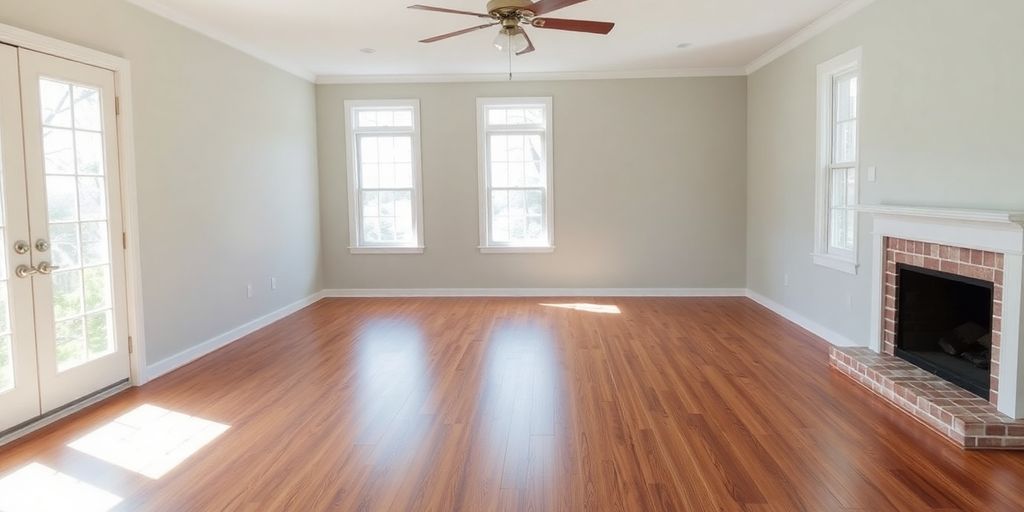
Addressing Structural Damages
When dealing with water damage, the first step is to fix any structural issues. This includes checking for warped floors, damaged walls, and compromised foundations. It’s important to have professionals assess electrical systems to avoid hazards. Here are some key areas to focus on:
- Floors: Look for warping or buckling.
- Walls: Check for cracks or mold.
- Foundations: Ensure stability and safety.
Restoring Aesthetic Elements
After fixing structural problems, it’s time to make your home look good again. This involves:
- Replacing or repairing drywall.
- Painting walls to restore color.
- Fixing or replacing fixtures like lights and doorknobs.
Professional help can ensure a thorough job. Engaging with experienced contractors who specialize in water damage restoration is key to ensuring a thorough and proficient recovery process, restoring not just the structure, but the comfort and security of your home environment.
Professional Restoration Services
Sometimes, the damage is too extensive for DIY repairs. In such cases, hiring professionals is the best option. They can provide:
- Comprehensive assessments of the damage.
- Efficient repair services to restore your home.
- Expertise in preventing future issues.
Remember, taking prompt action is crucial. By following these steps, you’re not just recovering your space – you’re fortifying your sanctuary against future adversities. Your home is more than a structure; it’s a haven worth safeguarding.
| Service Type | Description |
|---|---|
| Water Extraction | Removing excess water to prevent further damage. |
| Structural Repair | Fixing walls, floors, and foundations. |
| Aesthetic Restoration | Painting and replacing fixtures for a fresh look. |
By addressing these areas, you can ensure your home is safe, functional, and beautiful again. Don’t forget to implement moisture control strategies to prevent future issues!
Preventing Future Mold Growth
Moisture Control Strategies
To keep mold away, controlling moisture is key. Mold thrives in damp environments, so homeowners should take steps to manage humidity levels. Here are some effective strategies:
- Use dehumidifiers in areas prone to moisture, like basements and bathrooms.
- Fix any leaks in pipes or roofs quickly to prevent water accumulation.
- Ensure proper drainage around your home to keep water from pooling.
Improving Ventilation
Good airflow helps reduce moisture. Here are some tips to improve ventilation:
- Open windows when weather permits to let fresh air in.
- Install exhaust fans in kitchens and bathrooms to remove excess humidity.
- Keep vents clear of obstructions to allow air to flow freely.
Regular Inspections and Maintenance
Regular checks can help catch problems early. Homeowners should:
- Inspect areas like attics and basements for signs of mold or moisture.
- Clean gutters regularly to prevent water buildup.
- Schedule professional inspections if you suspect mold issues.
By taking these steps, you can create a healthier home environment and significantly reduce the risk of mold growth. Remember, prevention is always better than cure!
To stop mold from coming back, make sure to dry out any wet areas completely. Use dehumidifiers and fix leaks right away. If you need help, visit our website for expert advice and services to keep your home safe and mold-free!
Conclusion
In conclusion, tackling mold and water damage in your home is crucial for your health and safety. By following the steps outlined in this guide, such as removing excess water, improving airflow, and using dehumidifiers, you can effectively prevent mold growth. It’s important to clean and disinfect affected areas to eliminate harmful bacteria and mold spores. Repairing any damage and restoring your home is essential for maintaining a safe environment. Remember, regular inspections and moisture control are key to preventing future mold issues. With patience and diligence, you can ensure your home remains a healthy place for you and your family.
Frequently Asked Questions
What is mold water restoration?
Mold water restoration is the process of fixing damage caused by water and mold in your home. It involves removing water, drying the area, and cleaning up any mold to keep your home safe and healthy.
What causes mold to grow in my home?
Mold usually grows when there is too much moisture in the air or water leaks. Common causes include leaky roofs, broken pipes, or high humidity.
How can I tell if mold is in my home?
You might see dark spots on walls or ceilings, or you may smell a musty odor. If you suspect mold, it’s best to check hidden areas like behind walls or under carpets.
What should I do first if I find mold?
The first step is to fix any leaks or sources of moisture. Then, you should dry the area completely and consider contacting a professional for help.
Is mold dangerous to my health?
Yes, mold can cause health problems, especially for people with allergies or asthma. It can lead to breathing issues and other health concerns.
How can I prevent mold from coming back?
To prevent mold, keep your home dry and well-ventilated. Use dehumidifiers, fix leaks quickly, and check for moisture regularly.