
Repairing your roof is important for keeping your home safe and cozy. Whether you’re dealing with small leaks or damaged shingles, knowing the basics can help you decide what to fix yourself and when to call for help. This guide will walk you through the essentials of roof repair, making it easier for homeowners to tackle their roofing issues confidently.
Key Takeaways
- Regular roof checks can help catch problems early.
- Some small repairs can be done by homeowners, like patching leaks or replacing shingles.
- Safety gear is essential when working on a roof to prevent accidents.
- For serious damage or structural issues, it’s best to hire a professional.
- Maintaining your roof can save you money in the long run by preventing costly repairs.
Understanding the Basics of Roof Repair
Why Roof Repairs Are Essential
Understanding the importance of roof repairs is crucial for every homeowner. A well-maintained roof protects your home from harsh weather and potential damage. Regular inspections can help catch small issues before they turn into costly repairs.
Common Causes of Roof Damage
Roof damage can occur due to various reasons, including:
- Severe weather conditions (like storms and hail)
- Aging materials that wear out over time
- Poor installation or maintenance practices
The Risks of Ignoring Roof Issues
Ignoring roof problems can lead to serious consequences. Water leaks can cause mold growth, structural damage, and even health issues. It’s essential to address any signs of damage promptly to avoid these risks.
Taking care of your roof today can save you from expensive repairs tomorrow.
In summary, understanding the basics of roof repair helps homeowners make informed decisions about maintenance and repairs. Regular checks and timely fixes can extend the life of your roof and keep your home safe. Remember, if the damage seems extensive, it’s wise to consult professionals like Ruach Home Services for expert help.
DIY Roof Repair: What You Can Do Yourself
Assessing Your DIY Skills and Tools
Before you start any roof repair, it’s important to evaluate your skills and the tools you have. Ask yourself:
- Do I feel comfortable working at heights?
- Do I have the right tools, like a sturdy ladder and roofing nails?
- Am I aware of the safety risks involved?
Simple Repairs You Can Handle
There are some minor repairs that many homeowners can tackle themselves:
- Replacing Missing Shingles: If a few shingles are missing, you can often replace them without needing a pro.
- Fixing Small Leaks: Small leaks can often be patched up using kits from your local hardware store.
- Cleaning Gutters: Keeping your gutters clear is essential to prevent water damage.
When to Seek Professional Help
While some repairs are manageable, there are times when it’s best to call in the experts. If you notice:
- Severe damage from storms or fallen branches
- Sagging areas on your roof
- Widespread leaks that seem beyond your control
Remember, safety first! If you’re unsure about your ability to fix a problem, it’s wise to consult a professional. Trying to fix complex issues can lead to more damage and higher costs.
In summary, while many homeowners can handle minor repairs, it’s crucial to know your limits. Always prioritize safety and don’t hesitate to call for help when needed. If you’re looking for tips on finding and fixing leaks, remember to look uphill to find roof leaks and check your attic if possible. Repairing damaged plumbing vent boots and fixing leaky roof vents can also be part of your DIY efforts!
Essential Tools and Materials for Roof Repair
When it comes to fixing your roof, having the right tools and materials is crucial. Safety should always come first, so make sure you have protective gear like gloves and goggles, along with a sturdy ladder. Here’s a list of essential tools you’ll need:
Gathering the Right Equipment
- Hammer: For driving nails and making adjustments.
- Utility Knife: Useful for cutting shingles and other materials.
- Pry Bar: Great for removing old shingles or flashing.
- Tape Measure: To ensure accurate measurements.
- Roofing Nail Gun: Speeds up the nailing process significantly.
Choosing Quality Roofing Materials
- Shingles: Choose ones that match your existing roof.
- Flashing: Essential for preventing leaks around chimneys and vents.
- Roofing Cement: For sealing gaps and cracks.
- Sealant or Patch Kit: Handy for quick fixes on minor leaks.
Safety Gear You Must Have
- Non-slip Shoes: To prevent slipping while on the roof.
- Safety Harness: Protects you from falls, which are a major risk.
- Hard Hat: Keeps your head safe from falling debris.
Remember, having the right tools and materials not only makes the job easier but also ensures a safer working environment.
By gathering these essential items, you’ll be well-prepared to tackle your roof repair project effectively. Don’t forget to check the weather before starting your work!
Step-by-Step Guide to Fixing Common Roof Problems
Repairing Minor Leaks
Minor leaks can be a hassle, but they can often be fixed without too much trouble. Here’s how:
- Identify the leak: Check areas around vents, chimneys, and skylights.
- Use a sealant to cover the leak temporarily until a permanent fix can be made.
- Monitor the area for any further leaks.
Replacing Damaged Shingles
If you notice broken or missing shingles, follow these steps:
- Carefully pry up the damaged shingle using a flat tool.
- Remove any nails and clean the area.
- Place a new shingle in position, securing it with nails and applying sealant to the edges.
Handling Emergency Repairs
In case of severe damage, quick action is crucial:
- Cover the area with a tarp to prevent water damage.
- Assess the damage and determine if it’s safe to proceed with repairs.
- If the damage is extensive, it’s best to contact a professional.
Remember, safety is key when working on your roof. Always use proper equipment and take precautions to avoid accidents.
By following these steps, you can tackle common roof problems effectively. If you feel overwhelmed, don’t hesitate to reach out to experts like Ruach Home Services for assistance with your roofing needs.
Safety Precautions for Roof Repair Projects
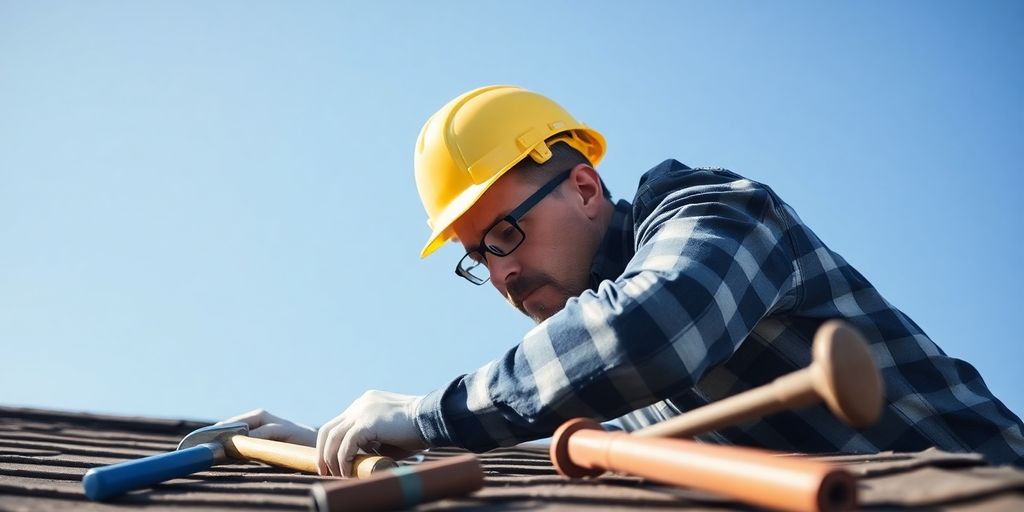
When it comes to roof repair, safety is the top priority. Here are some essential precautions to keep in mind:
Preparing for Safe Roof Work
- Always wear non-slip shoes to prevent falls.
- Use a safety harness attached to a secure anchor point.
- Ensure your work area is clean and free of debris.
Using Safety Equipment Properly
- Hard hats protect your head from falling objects.
- Eye protection is crucial to shield against dust and debris.
- Gloves can help prevent cuts and scrapes while handling materials.
Weather Considerations
- Avoid working on the roof during rain or high winds.
- Check the weather forecast before starting any repairs.
- If conditions are unsafe, postpone your work until it’s safe.
Remember, taking the right safety measures can prevent accidents and injuries while working on your roof.
By following these guidelines, you can ensure a safer roof repair experience. Always prioritize your safety and don’t hesitate to call for help if needed!
When to Call in the Roofing Experts
Knowing when to reach out to a professional for your roof repairs is very important. If your DIY efforts are making things worse or if you don’t have the right tools, it’s time to call in the experts. Here are some situations where you should definitely consider professional help:
Identifying Complex Roofing Issues
- Severe Damage: If your roof has been hit hard by storms or has widespread leaks, a professional inspection is necessary. Trying to fix major damage without the right skills can lead to more problems.
- Structural Concerns: Notice any sagging or soft spots? This could mean serious structural issues that need immediate attention from a professional.
- Specialized Materials: Some roofing materials, like slate or metal, need special knowledge to repair. Improper handling can lead to costly mistakes.
Understanding Structural Concerns
- Complex Designs: If your roof has steep slopes or unique features, it’s safer to hire a roofer who knows how to handle these designs.
- Extensive Water Damage: Water can cause hidden damage. A professional can assess the full extent and suggest the right repairs.
Finding a Reliable Roofing Contractor
When looking for a roofer, consider these key qualities:
- Licensing and Insurance: Make sure they are licensed and insured to protect yourself from any accidents.
- Experience: Choose someone who has worked with your type of roofing material.
- Positive Reviews: Look for good feedback from previous customers to ensure quality work.
Remember, taking care of your roof is essential for your home’s safety and longevity. Don’t hesitate to call a professional when you’re unsure!
Preventative Maintenance Tips for Long-Lasting Roofs
Regular Roof Inspections
Conducting regular inspections is crucial for maintaining your roof. Look for signs of wear and tear such as missing shingles or water stains. Schedule these inspections at least once a year to catch any potential issues early.
Cleaning and Maintaining Gutters
Keeping your gutters clean is essential. Clogged gutters can lead to water damage on your roof and in your home. Make sure to:
- Remove leaves and debris regularly.
- Check for proper drainage.
- Ensure downspouts are clear.
Protecting Your Roof from Weather Damage
Weather can be tough on your roof. To protect it:
- Trim overhanging branches that could fall during storms.
- Apply protective coatings if necessary.
- Ensure flashing around vents and chimneys is secure.
Regular maintenance can save you from costly repairs down the line. Taking care of your roof today means a safer home tomorrow.
Summary of Key Maintenance Tips
| Task | Frequency |
|---|---|
| Roof Inspections | Annually |
| Gutter Cleaning | Biannually |
| Tree Trimming | As needed |
To keep your roof in great shape for years to come, regular maintenance is key. Simple tasks like cleaning gutters, checking for leaks, and trimming overhanging branches can make a big difference. Don’t wait until it’s too late! Visit our website for more tips and to schedule a service today!
Final Thoughts on Roof Repair
In conclusion, taking care of your roof is very important for keeping your home safe and comfortable. Whether you decide to do some minor repairs yourself or hire a professional, knowing the basics can help you make the right choices. Always remember to prioritize safety and use the right tools. Regular checks and quick fixes can save you a lot of money in the long run. If you ever feel unsure about a repair, don’t hesitate to call in an expert. A well-maintained roof not only protects your home but also gives you peace of mind.
Frequently Asked Questions
What basic tools do I need for roof repair?
For roof repair, you’ll need a ladder, a hammer, roofing nails, a utility knife, and a caulking gun. Depending on your repair, you might also need shingles, flashing, and sealant. Don’t forget safety gear like gloves and goggles!
Can I fix my roof myself?
Yes, you can fix your roof yourself if the damage is minor. Just make sure you know what you’re doing and have the right tools. If it’s a big problem, it’s better to call a professional.
How can I tell if my roof needs repairs?
Look for signs like missing or damaged shingles, leaks inside your home, or dark spots on the roof. If you notice any of these, it might be time for repairs.
How long does it take to repair a roof?
Repairing a small leak can take a few hours, while bigger issues might take a few days. If you need a full roof replacement, it could take a week or more.
What should I do if I find a leak?
If you find a leak, try to identify where it’s coming from and use a temporary patch like a tarp until you can make a proper repair or call a professional.
When should I hire a roofing expert?
You should hire a roofing expert if the damage is extensive, if you notice structural issues, or if you’re not comfortable doing the repairs yourself.