
Water leaks are a real pain, and if you don’t catch them early, they can lead to mold. Mold loves damp places and can cause a lot of damage to your home and health. This guide is here to help you tackle water leak mold removal, so you can protect your home and loved ones. We’ll walk you through the steps and give you some tips to keep mold at bay after a leak. Let’s dive in and get your home back to being safe and sound.
Key Takeaways
- Act fast when you find a water leak to prevent mold growth.
- Turn off the water and electricity to avoid further damage and danger.
- Document everything for insurance claims to cover mold damage costs.
- Consider hiring pros for mold removal, but know the pros and cons of DIY.
- Keep your home dry and well-ventilated to stop mold from coming back.
Understanding Water Leak Mold Removal
Identifying Common Sources of Water Leaks
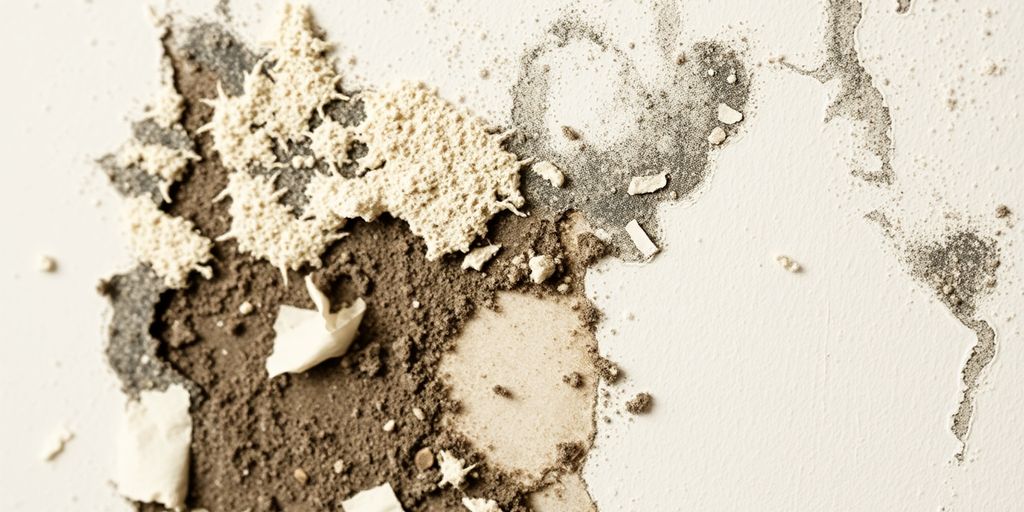
Water leaks can sneak up on you, often hiding in plain sight. Common culprits include dripping faucets, leaking pipes, and roof leaks. Even a small drip can lead to significant mold growth if left unattended. It’s crucial to regularly inspect these areas to catch leaks early. Don’t forget about less obvious sources like HVAC systems or water heaters, which can also spring leaks over time.
Recognizing Early Signs of Mold Growth
Spotting mold early can save you a lot of trouble. Look for discoloration on walls or ceilings, a musty smell, or warped surfaces. Mold can sometimes hide behind wallpaper or under carpets, so pay attention to any unusual changes. Early detection is key to preventing extensive damage. If you suspect mold, it’s wise to investigate further or hire a professional to assess the situation.
The Importance of Timely Mold Removal
Once mold takes hold, it can spread quickly, causing not just structural damage but also health issues. Mold spores can aggravate allergies and respiratory problems, making it essential to act fast. The longer you wait, the worse it can get. Consider hiring professional mold remediation services like those offered by Ruach Home Services to ensure the mold is removed safely and effectively. They can help contain the problem, clean affected areas, and use mold inhibitors to prevent future growth.
Steps to Take Immediately After a Water Leak
Shutting Off the Water Supply
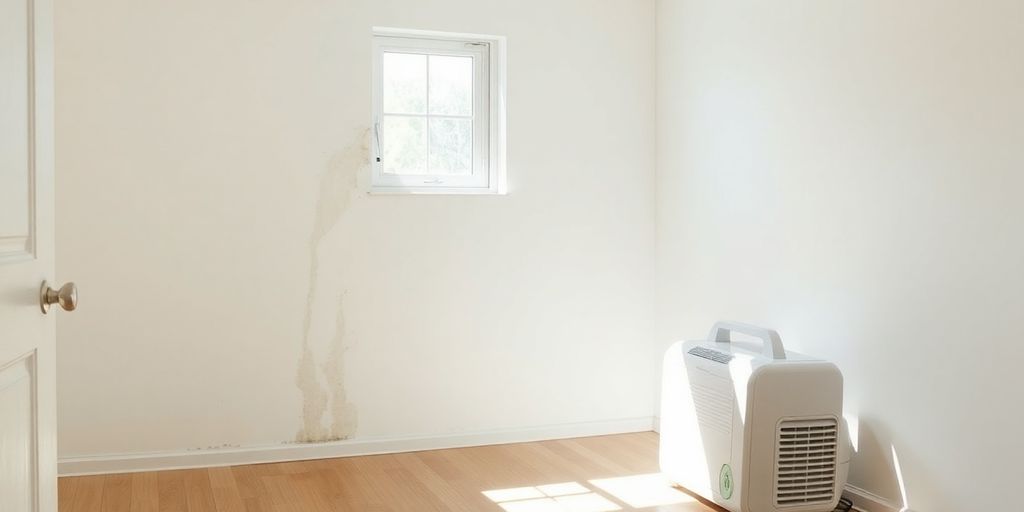
When you first spot a water leak, the first thing you should do is shut off the water supply. This might mean turning off the main valve for the entire house. If you’re dealing with a burst pipe, this step is crucial to stop the flow of water. Remember, even after turning off the main valve, there might still be water left in the pipes. To avoid further leakage, open the lowest faucet in your home and let the remaining water drain out.
Ensuring Electrical Safety
Water and electricity are a dangerous mix. If water has leaked into areas with electrical wiring or outlets, you need to turn off the electricity to those areas immediately. Head to your breaker panel and shut off the power to prevent any risk of electrical shock. It’s always better to be safe and avoid any contact with water until you are sure the electricity is off.
Documenting Damage for Insurance Claims
After you’ve managed the immediate threats, it’s time to document the damage. Take photos and videos of the affected areas, focusing on the extent of the water damage. This documentation will be crucial when you file a claim with your insurance company. Make sure to capture details that show the severity of the situation, as this will help in processing your claim more effectively. Keep a record of all communications with your insurance company and any professionals you hire to assist with repairs.
Effective Mold Remediation Techniques
Hiring Professional Mold Remediation Services
When mold takes over your home, it might be tempting to handle it yourself. But, hiring professionals can save you time and ensure the job is done right. Professionals have the right gear and know-how to tackle even the sneakiest mold hiding spots. They start by assessing the extent of the mold damage and then use specialized tools and treatments to eradicate it. This way, you ensure that your home is not only mold-free but also safe from future infestations.
DIY Mold Removal: Pros and Cons
Thinking of tackling mold removal on your own? Here are some things to consider:
- Pros:
- Cons:
Using Mildewcide and Other Mold Inhibitors
To keep mold at bay, using mildewcide in paints and other mold inhibitors can be a game-changer. These products are designed to kill mold spores on contact and prevent them from coming back. They’re especially useful in damp areas like bathrooms or basements. When painting, ask for paints that contain mildewcide to add an extra layer of protection. Remember, prevention is always better than cure, especially when it comes to mold.
Preventing Mold Growth After Water Damage
Keeping humidity in check is your first line of defense against mold. Mold thrives in damp environments, so maintaining a dry home is key. Use dehumidifiers in areas prone to moisture, like basements or bathrooms, to keep the air dry. It’s also a good idea to regularly check and fix any leaks or drips, as even a small amount of water can lead to mold growth over time.
Proper ventilation is crucial in preventing mold. Make sure your home has adequate airflow, especially in areas like the kitchen and bathroom where moisture is common. Installing exhaust fans can help remove moisture-laden air quickly. Also, consider opening windows when weather permits to allow fresh air to circulate, which can help dry out any dampness.
Stay proactive with regular maintenance checks. Inspect areas of your home that are often exposed to moisture, like under sinks, around windows, and in the attic. Look for signs of water damage or mold, such as discoloration or a musty smell. Regular inspections can catch issues early, preventing costly repairs down the line. Consider hiring a professional for a thorough inspection if you’re unsure what to look for.
Mold can be a sneaky problem, growing in places you might not think to check. Staying vigilant with maintenance and keeping your home dry can save you from bigger headaches later.
Health Risks Associated with Mold Exposure
Common Symptoms of Mold Exposure
When mold creeps into your living spaces, it doesn’t just stay hidden in the walls or under the floorboards. It can become a real health concern for anyone living there. Common symptoms of mold exposure include constant coughing, sneezing, and a runny nose. Some folks might experience skin rashes or itchy eyes. If you’re someone with asthma or other respiratory issues, mold can make things much worse. You might find yourself wheezing more often or feeling short of breath. It’s not just about the sneezes and itches; mold can make you feel downright lousy.
Long-term Health Effects
While short-term exposure can be annoying, long-term exposure to mold can lead to more serious health problems. Prolonged exposure might result in persistent headaches, chronic fatigue, or even memory issues. In some cases, people have reported dizziness or unexplained mood swings. Over time, mold can affect your immune system, making you more susceptible to other illnesses. It’s a silent invader that can chip away at your health without you even realizing it.
Protecting Vulnerable Individuals
Certain groups of people are more vulnerable to the effects of mold. This includes young children, the elderly, and those with weakened immune systems. If you have family members who fall into these categories, it’s crucial to take extra precautions. Ensure that their living areas are free from dampness and mold. Regularly check for leaks or water damage, and act swiftly if you find any signs of mold. Keeping the indoor environment dry and well-ventilated can help protect these vulnerable individuals from the harmful effects of mold.
Mold isn’t just a nuisance; it’s a health hazard that can affect anyone, but especially those who are most vulnerable. Keeping your home mold-free isn’t just about maintaining property value—it’s about ensuring a safe and healthy environment for everyone living there.
For more information on how to handle water damage and mold, consider guidance on handling water damage to protect your home and loved ones.
Restoration and Repair After Mold Removal
Assessing Structural Damage
After mold removal, it’s important to evaluate the structural integrity of your home. Mold can weaken walls, ceilings, and floors, so a thorough inspection is necessary. Hiring a professional inspector is often a good idea, as they can identify issues that might be overlooked. Look for signs like sagging ceilings or warped floors. You might need to replace or reinforce certain areas to ensure safety.
Choosing Mold-Resistant Materials
When you’re ready to rebuild, consider using mold-resistant materials to prevent future issues. Mold-resistant drywall and paints are great options. These materials contain additives that make it harder for mold to grow. Here’s a quick list of materials to consider:
- Mold-resistant drywall
- Anti-microbial paints
- Water-resistant insulation
Choosing the right materials can save you headaches down the line.
Rebuilding and Renovation Tips
Once you’ve assessed the damage and chosen your materials, it’s time to start rebuilding. Here are some tips to keep in mind:
- Plan your budget carefully to avoid unexpected expenses.
- Hire reliable contractors who have experience with mold-related repairs.
- Make sure all areas are completely dry before starting any construction work.
Taking the time to plan and execute your repairs properly will help protect your home from future mold problems. It’s not just about fixing what’s broken but also about making improvements that keep your home safe and sound.
For those in the DFW area, Restoration XP offers professional mold remediation services, ensuring your home is not only repaired but also protected against future mold issues.
Insurance and Legal Considerations
Understanding Your Insurance Policy
Navigating the complexities of your insurance policy can be daunting. It’s crucial to know what’s covered before disaster strikes. Most standard homeowner policies cover sudden water damage, but not issues that develop over time. Check your policy for specifics on mold coverage, as some insurers exclude it or offer it as an add-on.
Filing a Claim for Mold Damage
When mold damage occurs, timely action is essential. Here’s a simple guide to follow:
- Document the Damage: Take photos and make notes of all affected areas.
- Contact Your Insurer: Report the damage as soon as possible, ideally within 48 hours.
- Follow Up: Keep records of all communications and follow up regularly.
Legal Responsibilities as a Property Owner
As a property owner, you have legal obligations to maintain a safe environment. This includes addressing water leaks and mold promptly. Failure to do so can lead to liability issues, especially if tenants or guests suffer health problems due to mold exposure.
Remember, dealing with mold and water damage isn’t just about fixing the problem—it’s about protecting your investment and ensuring safety for everyone who enters your property.
When dealing with insurance and legal matters, it’s important to know your rights and responsibilities. Make sure to read your policy carefully and understand what is covered. If you have questions or need help, visit our website for more information and support. We’re here to assist you!
Conclusion
So, there you have it. Dealing with water leaks and mold isn’t just about fixing a pipe or drying out a room. It’s about taking quick, smart steps to protect your home and health. Remember, mold can sneak up on you, growing in places you can’t see until it’s too late. By acting fast and getting the right help, you can stop mold in its tracks and save yourself a lot of hassle and money. Keep an eye out for leaks, communicate with everyone in your home, and don’t hesitate to call in the pros when needed. Your home is your haven, and keeping it mold-free is worth the effort.
Frequently Asked Questions
What should I do if I find a water leak?
First, turn off the main water valve to stop the leak. Then, call a plumber to fix the issue. Act quickly to prevent further damage.
How can I tell if there’s mold in my home?
Look for signs like musty smells, visible mold spots, or water stains on walls and ceilings. If unsure, consider hiring a professional to inspect.
Is mold dangerous to my health?
Yes, mold can cause health problems like allergies, asthma, and respiratory issues, especially in people with weakened immune systems.
Can I clean mold myself?
You can clean small areas with soap and water, but for larger mold problems, it’s best to hire a professional to ensure it’s properly removed.
How can I prevent mold after water damage?
Dry the area thoroughly, use fans and dehumidifiers, and fix any leaks promptly. Keeping indoor humidity low also helps prevent mold.
Does insurance cover mold damage?
It depends on your policy. Some insurance plans cover mold if it’s caused by a covered event, like a burst pipe, but it’s best to check with your insurer.