
Making your home safer and more comfortable as you age isn’t just about convenience—it’s about maintaining independence. Whether it’s adding safety features in the bathroom or improving visibility with better lighting, small changes can make a big difference. If you’re considering home remodeling for seniors, this guide will walk you through practical updates to create a space that’s both functional and welcoming.
Key Takeaways
- Accessible bathrooms are a must—think grab bars, non-slip floors, and easy-to-use showers.
- Choose flooring that’s safe, like cushioned or anti-slip options, and avoid tripping hazards.
- Good lighting isn’t just nice; it’s necessary. Motion-sensor lights and shadow-free areas are a game changer.
- Kitchens can be safer with pull-out shelves, lowered counters, and user-friendly appliances.
- Don’t forget tech! Smart home devices like voice controls and emergency systems can add peace of mind.
Designing Accessible Bathrooms for Senior Safety
Installing Grab Bars and Handrails
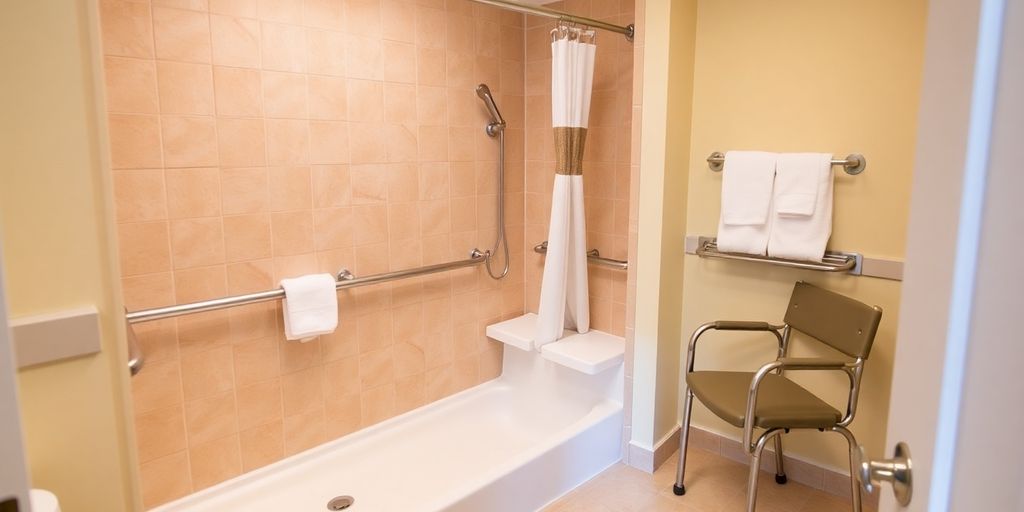
Adding grab bars and handrails in the bathroom is a straightforward way to improve safety for seniors. These fixtures provide extra support when moving around slippery areas like the shower or near the toilet. Properly installed grab bars can prevent falls and give seniors the confidence to maintain their independence. Look for bars with a textured grip and ensure they are securely anchored into the wall.
Choosing Non-Slip Flooring Options
Slippery floors are a major hazard in bathrooms. Opt for non-slip tiles or add anti-skid mats to existing flooring. Materials like textured vinyl or rubber flooring work well because they provide grip even when wet. Non-slip flooring is a simple upgrade that can make a world of difference in preventing accidents.
Optimizing Shower and Bathtub Accessibility
Traditional bathtubs and showers can be challenging for seniors to use. Consider installing a walk-in tub or a curbless shower. These designs eliminate the need to step over high edges, reducing the risk of tripping. Pair these features with a handheld showerhead for added convenience. For those who need extra support, a shower chair can also be a helpful addition.
A well-designed bathroom can significantly improve both safety and comfort for seniors, allowing them to age in place with dignity and ease.
Enhancing Mobility with Senior-Friendly Flooring
Selecting Low-Threshold Flooring Transitions
Nobody wants to trip over a floor edge, especially seniors. Choosing low-threshold flooring transitions can make a world of difference. These transitions smooth out the edges between different types of flooring, like from carpet to tile. This small change can reduce the risk of falls significantly. Look for beveled edges or transition strips designed to create a seamless flow throughout the home.
Using Anti-Slip Materials for Safety
Slippery floors are a real hazard, especially in areas like kitchens and bathrooms. Opt for anti-slip materials like textured vinyl or rubber flooring. Even hardwood can be treated with anti-slip coatings to make it safer. If replacing flooring isn’t an option, consider adding anti-slip rugs or mats in high-traffic areas.
Incorporating Cushioned Flooring for Comfort
For seniors who spend a lot of time on their feet, cushioned flooring can provide much-needed relief. Materials like cork or padded vinyl not only feel softer underfoot but also help absorb shock, which is easier on joints. Plus, they offer a bit of extra protection in case of a fall. Think of it as a small investment in both comfort and safety.
A well-thought-out flooring choice isn’t just about style—it’s about creating a safer, more comfortable environment for loved ones as they age.
Improving Lighting for Better Visibility and Safety
Adding Motion-Sensor Lighting
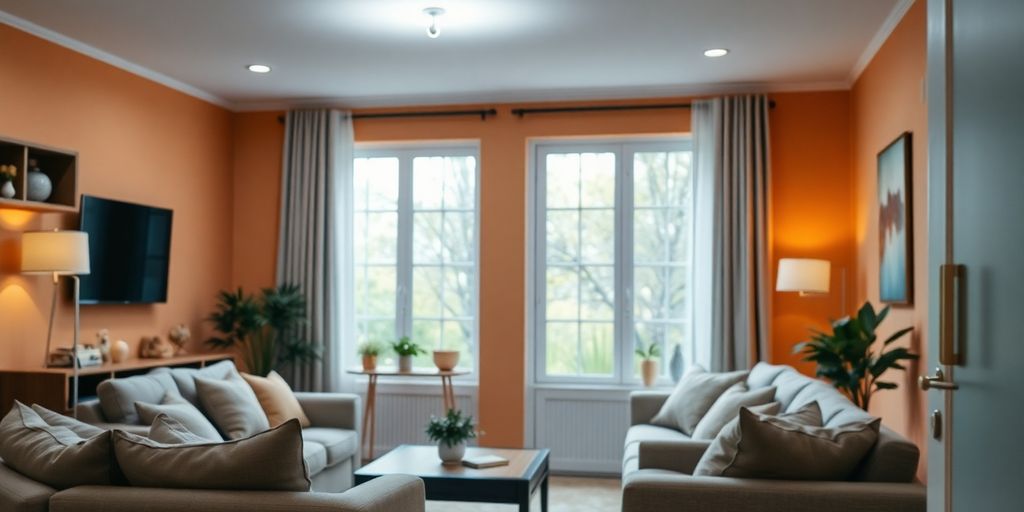
Motion-sensor lighting is a simple yet effective way to make a senior’s home safer. By automatically turning on when movement is detected, these lights reduce the risk of tripping in dark hallways or staircases. They’re particularly useful during nighttime trips to the bathroom or kitchen. This small upgrade can make a big difference in daily safety. Plus, it saves energy by only being on when needed.
Using Adjustable Task Lighting
For areas where seniors need to focus, like reading nooks or kitchen counters, adjustable task lighting is a must. These lights can be directed exactly where they’re needed, minimizing eye strain and improving visibility. Flexibility is key here—look for lamps or fixtures that are easy to adjust without requiring too much strength or effort. Consider LED options for a bright, clear light that mimics natural daylight.
Eliminating Shadows in Key Areas
Shadows can be surprisingly dangerous, especially for seniors with reduced depth perception. To combat this, ensure that lighting is evenly distributed throughout the home. Use multiple light sources in larger rooms to fill in darker corners. For hallways and stairways, focus on consistent lighting to avoid uneven patches. Proper lighting in stairways and hallways is critical for preventing accidents and creating a safer environment.
Creating a Functional and Safe Kitchen Space
Installing Pull-Out Shelves and Drawers
Pull-out shelves and drawers are a game-changer for seniors. They make it easy to access items stored in the back of cabinets without bending or straining. This simple upgrade can drastically improve usability while reducing the risk of injuries. Look for soft-close mechanisms to prevent accidental slamming, which can be startling or even dangerous.
Lowering Countertops for Accessibility
For seniors who use wheelchairs or have limited mobility, standard countertop heights can be challenging. Lowering countertops by a few inches or installing adjustable-height counters can make meal prep and other tasks much more manageable. Consider materials that are both durable and easy to clean, like quartz or laminate, to keep maintenance simple.
Using Easy-to-Operate Fixtures and Appliances
Ease of use is key when selecting fixtures and appliances for a senior-friendly kitchen. Opt for lever-style faucet handles instead of knobs, as they require less effort to operate. Similarly, choose appliances with straightforward controls and large, clearly labeled buttons. Induction cooktops are a great option because they stay cool to the touch, reducing the risk of burns.
A thoughtfully designed kitchen can make daily tasks less stressful and more enjoyable, allowing seniors to maintain their independence longer.
Adapting Living Spaces for Wheelchair Accessibility
Widening Doorways and Hallways
Giving wheelchairs enough room to pass through is a must. Standard doorways are often too narrow, so widening them to at least 32 inches is a good starting point. Hallways should also be at least 36 inches wide. If you’re planning a full remodel, Ruach Home Services can help with structural changes like these. Adding swing-clear hinges to doors is another way to maximize space without major construction.
Removing Tripping Hazards
Clutter and uneven surfaces can be dangerous. Make sure to clear away loose rugs, cords, or furniture that might get in the way. Flat, smooth flooring is ideal for wheelchairs. If you’re not sure where to start, focus on high-traffic areas like the living room or kitchen. You can also consider built-in storage to keep things organized and off the floor.
Installing Ramps and Stairlifts
Not every home is on one level, and that’s okay. Ramps are great for outdoor steps, while stairlifts are a lifesaver indoors. Portable ramps are an option if you’re on a budget, but permanent ones are sturdier. When installing a ramp, aim for a slope no steeper than 1:12 for safety. Stairlifts, on the other hand, require a bit more planning but are worth it for multi-story homes.
Incorporating Smart Home Technology for Seniors
Using Voice-Controlled Devices
Voice-controlled devices like smart speakers or virtual assistants can make life at home more convenient and safer for seniors. These devices allow users to control lights, thermostats, or even appliances with simple voice commands. This reduces the need for physical strain or movement, especially for those with mobility issues. For example, saying "Turn on the kitchen lights" can instantly brighten the room without needing to fumble for switches.
Installing Emergency Alert Systems
Emergency alert systems are a must-have for seniors living alone or those with health concerns. These systems often come with wearable devices that can detect falls or allow the user to call for help with the press of a button. Some advanced versions even connect directly to emergency services. A reliable emergency alert system can provide peace of mind for both seniors and their families.
Automating Temperature and Lighting Controls
Automated systems for controlling temperature and lighting can significantly enhance comfort and safety. Smart thermostats, for instance, can learn daily routines and adjust settings automatically to maintain a comfortable environment. Similarly, motion-activated lighting can illuminate pathways during nighttime trips to the bathroom, minimizing the risk of falls. These technologies are not just convenient but also energy-efficient, helping to lower utility bills over time.
Smart home technology isn’t just about luxury—it’s about creating a safer, more accessible environment for seniors to thrive in their own homes.
Designing Comfortable and Supportive Bedrooms
Choosing Adjustable Beds for Comfort
An adjustable bed can make a world of difference for seniors. These beds allow for customizable sleeping positions, which can help alleviate issues like back pain, poor circulation, or acid reflux. Look for models with easy-to-use remote controls and quiet motors. Investing in an adjustable bed is not just about luxury—it’s about improving overall well-being.
Adding Supportive Furniture
Furniture in senior bedrooms should be both functional and safe. Opt for sturdy nightstands with rounded edges and chairs with armrests for easier sitting and standing. Ergonomic chairs or recliners can provide additional support. Avoid furniture with sharp corners or lightweight pieces that could tip over easily.
Ensuring Easy Access to Essentials
Keep daily necessities within arm’s reach to reduce unnecessary movement. Use bedside organizers for items like glasses, medication, or a water bottle. Consider installing a small shelf or wall-mounted caddy for extra convenience. Here’s a quick checklist of essentials to keep nearby:
- A phone or emergency alert device
- A lamp with easy-to-reach controls
- Personal items like books or remote controls
A well-designed bedroom can significantly impact a senior’s quality of life. Thoughtful choices in furniture and layout create a safe, welcoming space that promotes independence and comfort.
Creating a cozy and supportive bedroom is essential for a good night’s sleep. Start by choosing a comfortable mattress and soft bedding that makes you feel relaxed. Add some pillows for extra support and consider using calming colors on the walls to create a peaceful atmosphere. Don’t forget to keep your room tidy and organized, as a clean space can help you feel more at ease. For more tips on making your home a better place, visit our website!
Conclusion
Creating a home that’s both safe and comfortable for seniors doesn’t have to be overwhelming. It’s really about making thoughtful adjustments that fit their needs and lifestyle. From adding grab bars in the bathroom to improving lighting throughout the house, these changes can make a big difference. And let’s not forget about the emotional side—having a space that feels like home can bring so much peace and happiness. So, whether you’re helping a loved one or planning ahead for yourself, take it one step at a time. A little effort now can lead to a lot of comfort and safety down the road.
Frequently Asked Questions
What are the best materials for non-slip bathroom flooring?
The best materials for non-slip bathroom floors include textured vinyl, rubber, and ceramic tiles with a matte finish. These surfaces provide better grip and help prevent falls.
How can I make doorways more accessible for wheelchairs?
To make doorways wheelchair-friendly, you can widen them to at least 32 inches. Installing swing-clear hinges can also maximize the space without requiring major renovations.
What lighting options are ideal for senior safety?
Motion-sensor lights are great because they turn on automatically. Adjustable task lighting and LED bulbs can also improve visibility and reduce strain on the eyes.
What are some easy ways to improve kitchen accessibility?
You can install pull-out shelves, lower countertops, and choose appliances with simple, easy-to-use controls. These changes make the kitchen more functional and safe for seniors.
How can smart home technology benefit seniors?
Smart home devices like voice-controlled assistants, automated lighting, and emergency alert systems can make daily tasks easier and provide added safety for seniors.
What features should I consider for a senior-friendly bedroom?
Look for adjustable beds, supportive chairs, and nightstands with easy access to essentials like water and medications. Good lighting is also key to creating a safe and comfortable space.