
When water damage strikes your home, knowing what to do next is essential for effective recovery. This guide provides a step-by-step approach to help you manage the aftermath of water damage. From assessing the situation to implementing repairs, understanding these processes can make a significant difference in restoring your home and preventing future issues.
Key Takeaways
- Act quickly to assess the water damage and document it for insurance purposes.
- Remove standing water and dry the area to prevent mold growth.
- Use appropriate cleaning methods to disinfect affected surfaces.
- Repair structural damage and replace materials as needed.
- Implement preventive measures to avoid future water damage.
Assessing the Extent of Water Damage
Visual Inspection and Documentation
Start by looking closely at the areas affected by water. This helps you understand how deep the water has gone and what materials are damaged. Take pictures to document everything; this will be useful for insurance claims later. Here are some key points to consider:
- Check for visible signs of water damage like stains or warping.
- Look for mold or mildew, which can develop quickly in wet areas.
- Make a list of damaged items and areas for your records.
Using Moisture Meters Effectively
Moisture meters are handy tools for checking how wet your walls and floors are. They can help you figure out how much drying is needed. After a flood, assessing flood damage with these meters is crucial. Here’s how to use them:
- Place the meter on different surfaces to get readings.
- Record the moisture levels to track progress.
- Use the data to decide when to start drying out the area.
Identifying Types of Water Damage
Understanding the type of water involved is important. There are three categories:
- Clean Water: From broken pipes or rain, less harmful.
- Gray Water: From sinks or washing machines, may contain some contaminants.
- Black Water: From sewage or flooding, highly dangerous.
Knowing the type of water helps you take the right steps for cleanup and safety.
Remember: The sooner you assess the damage, the better you can prevent further issues.
By following these steps, you can effectively assess the extent of water damage in your home and prepare for the next steps in the recovery process.
Immediate Actions to Mitigate Damage
When faced with water damage, taking quick action is crucial. Here are the steps you should follow:
Locating and Stopping the Water Source
- Identify the source of the water. Is it a broken pipe, a leaky roof, or something else? Knowing this helps you understand the type of water you’re dealing with.
- If it’s a plumbing issue, quickly locate and shut off the main water supply. This prevents additional water from entering your home.
- If necessary, call a professional to help with repairs.
Ensuring Electrical Safety
- Turn off the electricity in the affected area to avoid electrical hazards. If the circuit panel is in a flooded area, call your utility company to cut the power.
- Avoid entering flooded areas with live electrical outlets or appliances.
Contacting Your Insurance Company
- Reach out to your homeowner’s insurance company as soon as possible. Document the damage with photos and videos to support your claim.
- Most policies cover sudden water damage, like burst pipes, but not gradual issues like slow leaks.
Remember: Acting fast can significantly reduce the damage and help you recover more effectively.
By following these steps, you can effectively manage the immediate aftermath of water damage and set the stage for further repairs and restoration.
Water Extraction and Drying Techniques
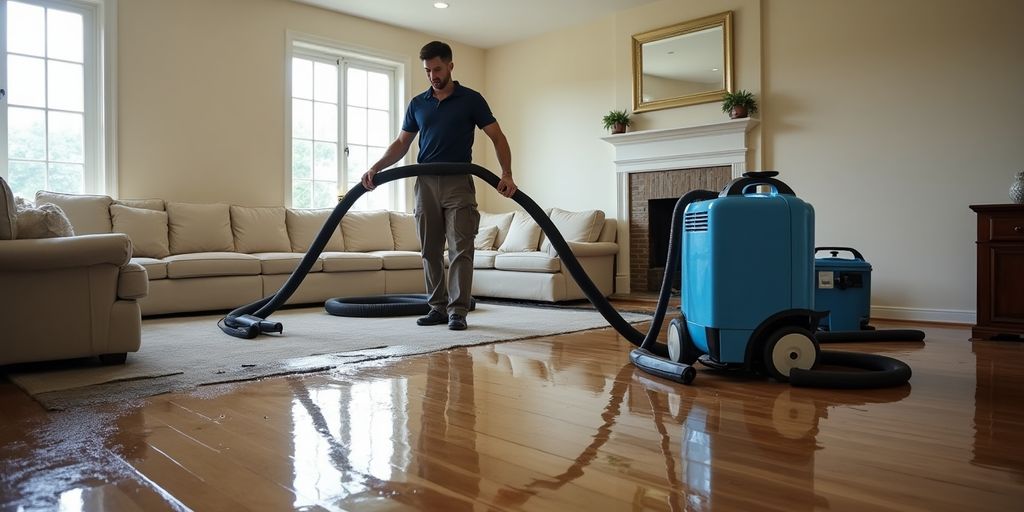
Effective Water Removal Methods
To effectively remove water from your home, start by using wet vacuums and pumps. These tools are essential for getting rid of standing water quickly. Here are some steps to follow:
- Remove furniture and other items from the affected area.
- Use a wet vacuum to extract water from floors and carpets.
- For larger areas, consider using a pump to remove excess water.
Using Dehumidifiers and Fans
Once the water is extracted, it’s crucial to dry the area thoroughly. Dehumidifiers and fans are key tools in this process. Here’s how to use them effectively:
- Place dehumidifiers in the affected areas to reduce moisture.
- Set up fans to increase airflow and speed up drying.
- Monitor the humidity levels to ensure they drop to safe levels.
Focusing on Hard-to-Reach Areas
Don’t forget about the hard-to-reach areas where water can linger. Here are some tips:
- Use small fans or blowers to target corners and tight spaces.
- Check behind appliances and under furniture for hidden moisture.
- Regularly inspect and dry areas like basements and crawl spaces.
Proper water extraction and drying are vital to prevent mold growth and further damage. Taking these steps ensures your home remains safe and healthy after water damage.
By following these techniques, you can effectively manage water damage and restore your home to its original condition. Remember, if the damage is extensive, it may be best to consult professionals who specialize in water damage restoration, like those at Ruach, who offer comprehensive services in Arlington, Virginia.
Cleaning and Disinfecting Affected Areas
After dealing with water damage, it’s crucial to clean and disinfect the affected areas to ensure a safe environment. This step is essential to eliminate harmful bacteria and mold.
Choosing the Right Disinfectants
- Use EPA-approved disinfectants for effective cleaning.
- Focus on surfaces that were in contact with water, such as:
- Walls
- Floors
- Personal items
Protective Gear for Safe Cleaning
When cleaning, always wear protective gear to avoid exposure to harmful substances. Recommended gear includes:
- Gloves
- Masks
- Goggles
Professional Cleaning Services
If the damage is extensive, consider hiring professionals. They have the right tools and expertise to:
- Thoroughly clean and disinfect your home.
- Ensure that all areas are safe and free from contaminants.
Remember, proper cleaning and disinfecting not only restore your home but also protect your health.
By following these steps, you can effectively manage the aftermath of water damage and create a safe living space for you and your family. For comprehensive home services, including water damage restoration, consider reaching out to experts like Ruach, who specialize in thorough drying and restoration processes.
Repairing and Restoring Your Home
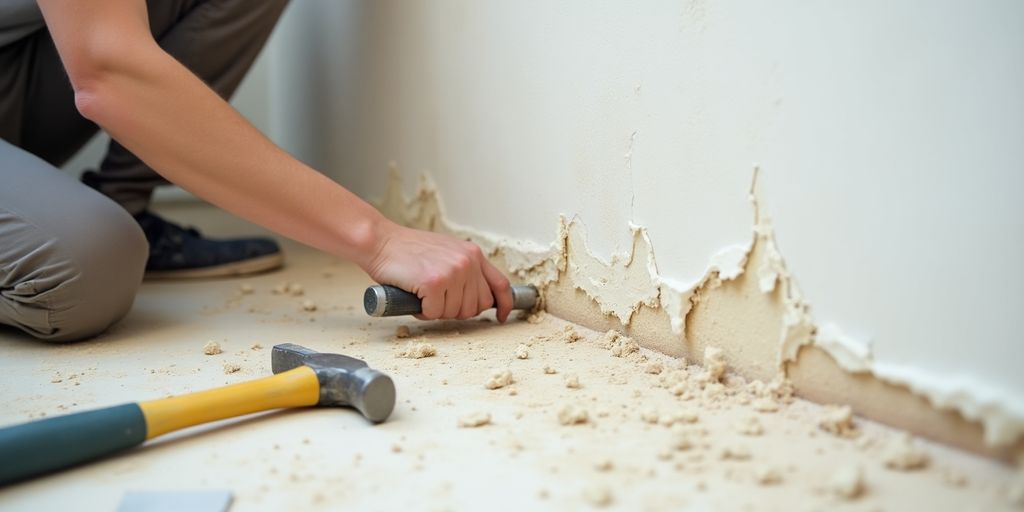
After dealing with water damage, it’s time to focus on repairing and restoring your home. This phase is crucial for bringing your living space back to its original state and ensuring it is safe and comfortable.
Addressing Structural Damages
- Inspect for any structural issues: Look for warped floors, damaged walls, or compromised foundations.
- Engage professionals: It’s important to hire experienced contractors who specialize in water damage restoration.
- Check electrical systems: Ensure that all electrical components are safe and functioning properly.
Replacing Damaged Materials
- Remove and replace: Get rid of any materials that cannot be salvaged, such as soaked drywall or flooring.
- Consider upgrades: This is a good time to think about using water-resistant materials to prevent future issues.
- Focus on aesthetics: Repair or replace paint, fixtures, and other elements to restore the look of your home.
Restoring Aesthetic Elements
- Repaint walls: Fresh paint can make a big difference in how your home looks.
- Replace flooring: Consider waterproof options like ceramic tile or high-end vinyl.
- Final touches: Add decorative elements that make your home feel welcoming again.
Remember, taking prompt action is key to a successful restoration. By following these steps, you can effectively manage the repair process and create a safe environment for you and your family.
In summary, repairing and restoring your home after water damage involves careful assessment and action. By addressing structural damages, replacing materials, and restoring aesthetics, you can ensure your home is not only beautiful but also resilient against future water damage.
Important Note
While your home is being restored, you might need to stay with family, friends, or in a hotel. Don’t rush back into your home until it’s safe to do so.
By following these guidelines, you can turn a challenging situation into an opportunity for improvement and resilience.
Preventing Future Water Damage
To keep your home safe from water damage, it’s important to take proactive steps. Regular maintenance is key to ensuring your home stays dry and secure. Here are some effective strategies:
Regular Maintenance and Inspections
- Check your roof and gutters regularly for any blockages or damage.
- Inspect plumbing for leaks and fix them immediately.
- Ensure downspouts direct water away from your home’s foundation.
Installing Water-Resistant Materials
- Use waterproof materials in areas prone to moisture, like bathrooms and basements.
- Consider installing ceramic tile or high-quality vinyl flooring that can withstand water exposure.
- Seal and caulk around windows and doors to prevent leaks.
Utilizing Sump Pumps and Backwater Valves
- Install a sump pump in your basement to remove excess water.
- Consider backwater valves to prevent sewage from backing up into your home.
- Regularly test these systems to ensure they are functioning properly.
By taking these preventive measures, you can significantly reduce the risk of water damage, thereby avoiding the need for extensive repairs and the stress associated with restoration efforts in the future. Remember, creating a comprehensive water mitigation plan is essential to protect your home from potential risks.
To keep your home safe from future water damage, it’s important to take some simple steps. Start by checking for leaks in pipes and roofs, and make sure your gutters are clean. If you notice any signs of water damage, act quickly to fix the problem. For more tips and expert help, visit our website today!
Final Thoughts on Water Damage Repair
Dealing with water damage can be tough, but you don’t have to go through it alone. Following the steps in this guide can help you manage the situation effectively. Remember, the first thing to do is find the source of the water and stop it. Then, dry out the area quickly to prevent mold. If you need help, don’t hesitate to call professionals. They have the tools and experience to make your home safe again. By taking action quickly and carefully, you can restore your home and protect it from future water damage.
Frequently Asked Questions
What should I do first after water damage occurs?
Start by finding the source of the water and turning it off if you can. Then, remove any wet items and begin drying the area.
Can I handle water damage repairs myself?
It depends on the extent of the damage. For minor issues, you can do it yourself, but for serious damage or mold, it’s best to call professionals.
How quickly should I act after water damage?
Act as quickly as possible! Mold can start to grow within 24 to 48 hours of water exposure, so the sooner you act, the better.
What types of water damage are there?
There are three types: clean water from rain or pipes, gray water from appliances, and black water which is contaminated and dangerous.
Will my insurance cover water damage repairs?
It depends on your policy. Most homeowner’s insurance covers sudden water damage, like from a burst pipe, but not slow leaks.
How can I prevent future water damage?
Regularly check your home for leaks, maintain your roof and gutters, and consider installing sump pumps and water-resistant materials.