
Owning a home is a big deal, but it comes with responsibilities. Keeping up with repairs and maintenance isn’t just about fixing things when they break—it’s about making sure your house stays safe, comfortable, and efficient for years to come. From structural fixes to energy upgrades, there’s a lot every homeowner should know. Let’s go over some of the most important home repair services you should keep on your radar in 2025.
Key Takeaways
- Foundation cracks and roof damage are common issues that need immediate attention for structural safety.
- Upgrading plumbing and electrical systems can improve efficiency and reduce long-term costs.
- Outdoor spaces like patios and driveways require regular maintenance to avoid bigger problems later.
- HVAC and appliances need routine care to keep your home comfortable and functional.
- Energy-efficient upgrades like insulation and smart thermostats can save money and make your home eco-friendly.
Key Structural Repairs for Long-Term Home Safety
Foundation Crack Repairs
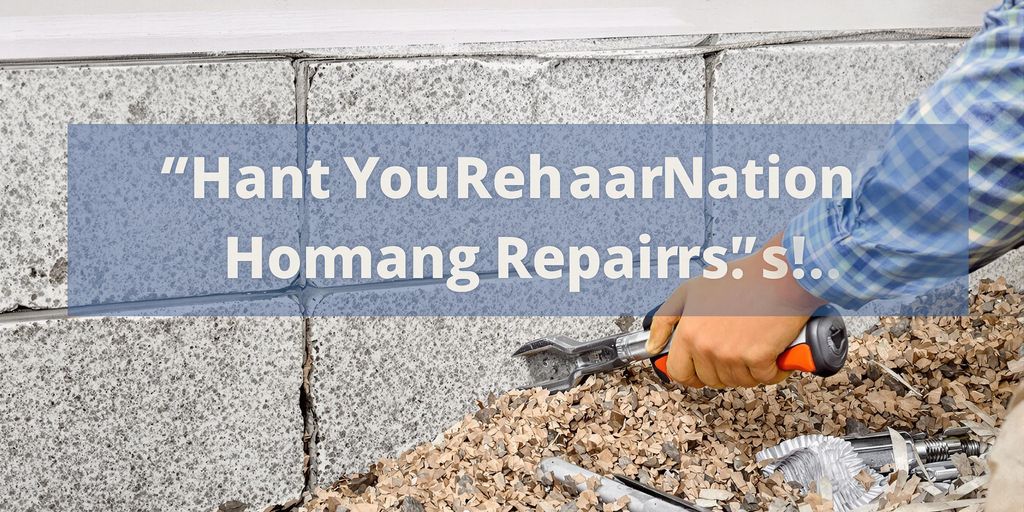
Foundation cracks are more than just a cosmetic issue—they can compromise your home’s stability. Even small cracks can escalate into serious structural problems if ignored. Look for warning signs like uneven floors, sticking doors, or visible gaps around windows. To fix minor cracks, homeowners can use epoxy sealants, but larger issues often require professional help. If you’re considering selling your home, addressing foundation cracks boosts both safety and resale value.
Roof Damage Repair
A damaged roof isn’t just an eyesore—it’s a ticking time bomb for leaks and insulation problems. Common issues include missing shingles, sagging sections, or water stains on your ceiling. Regular inspections can catch problems early, saving you from expensive repairs down the line. For expert roof repair and replacement, consider high-quality home remodeling services to ensure your home stays protected and durable.
Replacing the Septic System
A failing septic system can lead to unpleasant odors, slow drains, and even contamination of nearby groundwater. If your system is over 20 years old or showing signs of failure, it might be time for a replacement. While costly, modern systems are more efficient and environmentally friendly. Always consult a professional to ensure proper installation and compliance with local regulations.
Strengthening Exterior Walls
Your home’s exterior walls do more than just hold up the roof—they shield you from the elements. Over time, weather exposure can weaken walls, leading to cracks or moisture seepage. Reinforcing these walls with updated materials or additional insulation can improve both energy efficiency and structural integrity. Don’t forget to inspect for signs of termites or other pests, as they can cause hidden damage.
Plumbing and Electrical Upgrades Every Home Needs
Fixing Leaky Faucets and Pipes
Leaky faucets might seem like a minor annoyance, but they can waste gallons of water over time, not to mention drive up your water bill. Pipes, on the other hand, can cause serious damage if they burst or leak unnoticed. Here’s what you can do:
- Inspect pipes regularly for any signs of rust or leaks.
- Replace worn-out washers in faucets to stop dripping.
- Use pipe insulation to prevent freezing during winter months.
If a leak is too severe, don’t hesitate to call a plumber. Fixing it early can save you from a much bigger headache later.
Upgrading Electrical Panels
An outdated electrical panel is more than just inconvenient—it’s dangerous. Flickering lights, tripped breakers, and overloaded circuits are all signs it’s time for an upgrade. Modern panels can handle today’s energy demands safely and efficiently.
Here’s what to consider when upgrading:
- Check the amperage of your current panel. Older homes often have 60-amp panels, which may need to be replaced with 100 or 200 amps to meet modern needs.
- Add surge protection to safeguard your appliances from power spikes.
- Include dedicated circuits for high-energy appliances like air conditioners or electric stoves.
Installing Energy-Efficient Fixtures
Switching to energy-efficient fixtures isn’t just good for the environment—it’s good for your wallet too. LED lighting and low-flow plumbing fixtures can significantly cut down on energy and water usage. Here’s how to get started:
- Replace incandescent bulbs with LEDs.
- Install motion-sensor lights to reduce unnecessary energy use.
- Opt for WaterSense-certified showerheads and faucets to conserve water.
These small changes can make a big difference over time.
Addressing Water Heater Issues
Your water heater works hard every day, so it’s no surprise it might need some TLC. Common issues include inconsistent water temperatures, strange noises, or leaks around the tank. Here’s how to keep it running smoothly:
- Flush the tank annually to remove sediment buildup.
- Check the anode rod and replace it if it’s corroded.
- Insulate the tank to improve energy efficiency.
If your water heater is over 10 years old and causing frequent problems, it might be time to consider a replacement.
Staying on top of plumbing and electrical upgrades isn’t just about convenience—it’s about protecting your home and family from bigger issues down the road. A little attention now can save you a lot of trouble later.
Essential Maintenance for Outdoor Spaces
Repairing Decks and Patios
Decks and patios take a beating from the weather, especially in areas with extreme seasons. Over time, wood can rot, nails can pop, and cracks can form in concrete patios. Regularly inspecting and repairing these surfaces ensures safety and prolongs their lifespan. Start by checking for loose boards, rusted nails, or cracks in the foundation. Sanding and resealing wood surfaces every couple of years can also prevent water damage and splintering.
Maintaining Gutters and Downspouts
Clogged gutters can cause water to overflow, leading to foundation damage or basement flooding. To avoid this, clean your gutters at least twice a year—more often if you have overhanging trees. Make sure downspouts direct water at least three feet away from your home. If you live in an area with harsh winters, consider installing gutter guards to reduce ice buildup.
Fixing Driveway Cracks
Small cracks in your driveway may not seem like a big deal, but they can quickly expand if water seeps in and freezes. Filling these cracks with a sealant as soon as you notice them can save you from costly repairs later. For larger issues, you may need to resurface the entire driveway. A smooth, well-maintained driveway not only improves curb appeal but also prevents tripping hazards.
Landscaping for Drainage
Poor drainage can lead to standing water, which attracts pests and damages your yard. Simple fixes like adding soil to low spots or planting water-absorbing plants can help. For more significant issues, you might need to install a French drain or regrade your yard. Thoughtful landscaping not only improves drainage but also enhances the overall look of your outdoor space.
Keeping your outdoor areas in good shape isn’t just about appearances—it’s about protecting your home and making the most of your property. A little maintenance now can save you a lot of trouble down the line.
HVAC and Appliance Repairs to Keep Your Home Comfortable
Changing HVAC Air Filters
One of the simplest yet most effective ways to keep your home comfortable is by regularly replacing your HVAC air filters. Dirty filters restrict airflow, making your system work harder and less efficiently. Replace filters every 1-3 months depending on usage and the type of filter. Not only does this extend the life of your HVAC system, but it also improves indoor air quality, which is especially important for those with allergies.
Servicing Air Conditioning Units
Your AC unit needs some love too. Schedule a professional service at least once a year to clean coils, check refrigerant levels, and inspect for wear and tear. If the unit isn’t cooling as it should, it might be time to clean the condenser or replace a component. Regular servicing ensures your system runs efficiently, saving you money on energy bills.
Repairing Major Appliances
From refrigerators to washing machines, major appliances are the backbone of your home. If your fridge isn’t cooling or your washer is leaking, don’t wait—address the issue immediately. Some problems, like a clogged dryer vent, can even pose safety risks. For homeowners in California, Super Home Warranty provides coverage for appliances, giving you peace of mind when unexpected repairs arise.
Cleaning Dryer Vents
Dryer vents are often overlooked but can be a major fire hazard if ignored. Clean the lint trap after every cycle and deep-clean the vent at least once a year. Use a vent brush or vacuum attachment to remove built-up lint. A clean vent not only reduces fire risks but also improves the dryer’s efficiency, cutting down on drying time and energy use.
A well-maintained HVAC system and appliances aren’t just about comfort—they’re about safety, efficiency, and saving money in the long run. Don’t let small issues snowball into costly repairs!
Proactive Measures to Prevent Costly Repairs
Regular Home Inspections
Think of home inspections as a routine health checkup—only for your house. Scheduling a professional inspection every couple of years can uncover hidden issues, like small leaks or structural cracks, before they turn into expensive fixes. Inspectors often focus on areas like the foundation, roof, plumbing, and electrical systems. While it might cost a few hundred dollars upfront, it could save you thousands in the long run.
Seasonal Maintenance Checklists
Breaking down tasks by season makes home upkeep way more manageable. Here’s a quick example:
- Spring: Check for roof damage, clean gutters, and inspect exterior walls for cracks.
- Summer: Service your air conditioning unit and seal any gaps in windows or doors.
- Fall: Clean out gutters again (yes, it’s that important!) and test your heating system.
- Winter: Insulate exposed pipes and check for drafts around windows and doors.
A little effort each season keeps your home in top shape year-round.
Budgeting for Emergency Repairs
Nobody likes surprise expenses, but they’re part of owning a home. Experts suggest setting aside 1-4% of your home’s value annually for maintenance and emergency repairs. For example, if your house is worth $300,000, aim to save $3,000 to $12,000 each year. Having this cushion can make unexpected repairs—like replacing a water heater—less stressful.
Using Home Warranties Effectively
Home warranties can be a lifesaver, especially for major systems and appliances. But read the fine print! Not all warranties cover everything, and some require regular maintenance to stay valid. If you’re considering a warranty, choose one that aligns with your home’s specific needs. For instance, if your HVAC system is older, prioritize coverage for that.
Pro Tip: Proactive care isn’t just about saving money—it’s about peace of mind. Knowing your home is in good condition lets you enjoy it without constant worry.
Modernizing Your Home for Energy Efficiency
Installing Smart Thermostats
Smart thermostats are a game-changer when it comes to controlling the temperature in your home. These devices let you manage your heating and cooling systems remotely, which means you can tweak settings even when you’re not at home. One of the biggest perks is energy savings—some models claim to cut your energy bill by as much as 15%. Plus, many smart thermostats "learn" your habits over time, automatically adjusting to keep your home comfortable without wasting energy.
Upgrading Insulation
If your house feels drafty in the winter or sweltering in the summer, your insulation might be the culprit. Upgrading to modern insulation materials can make a huge difference in keeping your home at a steady temperature. Focus on areas like the attic, walls, and even the basement. Not only does this help your HVAC system work less, but it also reduces your energy bills. Fiberglass and spray foam are popular options for effective insulation.
Switching to LED Lighting
Swapping out old incandescent bulbs for LED lighting is one of the simplest ways to modernize your home. LEDs last longer, use less energy, and are available in a wide range of colors and styles. Whether you’re lighting up your kitchen or adding ambiance to your living room, LEDs can do it all while saving you money in the long run. For an extra touch, consider dimmable LEDs to customize the lighting to your needs.
Sealing Windows and Doors
Drafty windows and doors are like leaving your wallet open to energy waste. Sealing gaps with weatherstripping or caulk can stop air leaks and make your home more energy-efficient. It’s a quick fix that doesn’t require much skill or money but delivers noticeable results. For older windows, adding storm windows or upgrading to double-pane glass can further improve insulation and reduce energy loss.
Energy efficiency isn’t just about saving money—it’s about creating a home that’s comfortable, sustainable, and ready for the future.
If you want to make your home more energy-efficient, there are many simple steps you can take. Start by checking your windows and doors for leaks and sealing them up. You can also switch to LED lights and use energy-efficient appliances. These changes not only help the environment but can also save you money on your energy bills. For more tips and to see how we can help you with your home improvements, visit our website today!
Wrapping It Up
Owning a home comes with its fair share of challenges, but staying on top of repairs can save you a lot of stress and money in the long run. Whether it’s fixing a leaky faucet, patching up the roof, or upgrading your electrical system, these tasks aren’t just about keeping things running—they’re about protecting your investment and making your house a home. So, take the time to plan, budget, and tackle those repairs head-on. Your future self will thank you for it.
Frequently Asked Questions
Why is fixing foundation cracks important?
Foundation cracks can lead to serious structural issues if left untreated. Repairing them early prevents costly damage and keeps your home safe.
How often should I replace my HVAC air filters?
You should check and replace your HVAC air filters every 1-3 months to maintain good air quality and keep your system running efficiently.
What are the benefits of upgrading to a smart thermostat?
Smart thermostats help save energy by learning your schedule and adjusting the temperature automatically, which can lower your utility bills.
When should I consider replacing my water heater?
Most water heaters last about 8-12 years. If yours is leaking, making noise, or not heating water properly, it may be time for a replacement.
How can I prevent driveway cracks from getting worse?
Seal small cracks as soon as you notice them to keep water from seeping in and causing further damage. Regular maintenance can extend the life of your driveway.
What is the purpose of regular home inspections?
Home inspections help identify small problems before they become major issues, saving you money and ensuring your home stays in good condition.